Quick Navigation
- Why Cranberries Aren't on the Poison List (The Science Bit, Simplified)
- The Real Danger Isn't the Berry, It's Everything Else
- Dogs vs. Cats: A Tale of Two Tummies
- So, How *Can* You Safely Give Cranberries to Your Dog?
- What to Do If Your Pet Ate Something They Shouldn't Have
- Answers to the Questions You're Actually Searching For (FAQ)
- The Final Verdict: A Simple Checklist for Peace of Mind
You're in the kitchen, maybe making a sauce or just snacking, and a cranberry rolls onto the floor. Your dog's nose is instantly there, sniffing with intense interest. Or your cat gives it a curious bat with its paw. Your brain hits pause. Wait. Are cranberries toxic to pets? Is this little red berry about to cause a midnight trip to the emergency vet?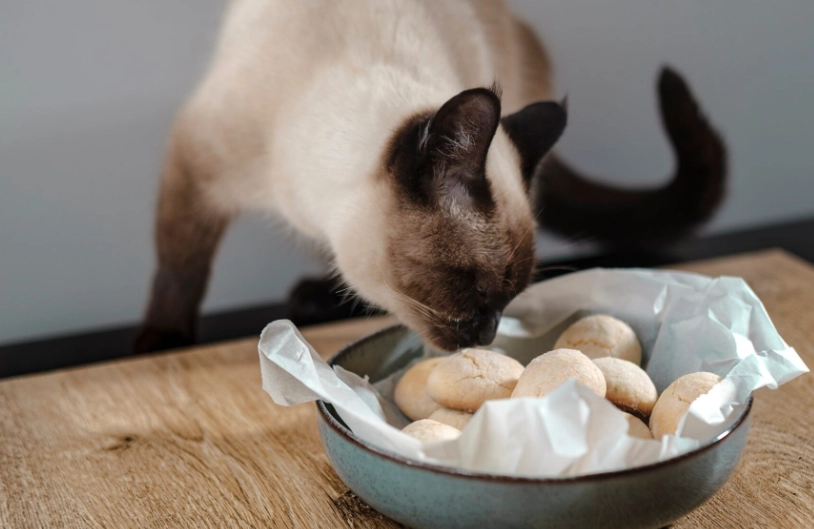
It's a question that pops up a lot, especially around the holidays. And honestly, the internet is full of conflicting, vague, and sometimes just plain scary advice. I've seen forums where people swear they're poison, and others who feed them like treats. It's confusing.
So I dug into it. I mean, really dug into it. I talked to vet friends, pored over resources from places you can actually trust (not just random blogs), and looked at the science behind it. Because when it comes to our furry family members, "maybe" isn't good enough. You need a straight answer.
Here's the bottom line, right up front, so you can stop worrying: Plain, fresh cranberries are not toxic to dogs or cats. They aren't on any of the major poison control lists for pets. The American Society for the Prevention of Cruelty to Animals (ASPCA) doesn't list cranberries as toxic for dogs, cats, or horses. That's a huge relief, right?
Think about it. You wouldn't hand your kid a whole bag of sour berries and say "have at it." Same logic applies here. The real question isn't just "are cranberries toxic to pets?" It's "what *kind* of cranberry are we talking about, how much, and for which pet?"
Let's break it down so you have everything you need to know, from the simple facts to the nitty-gritty details most people miss.
Why Cranberries Aren't on the Poison List (The Science Bit, Simplified)
First, understanding *why* something is safe makes the rules easier to follow. Some fruits, like grapes, have mysterious toxins that can cause sudden kidney failure in dogs—we don't fully know why, we just know to avoid them. Cranberries aren't like that.
Cranberries belong to the same family as blueberries (Ericaceae). They're packed with vitamin C, fiber, and antioxidants. The primary concern with many fruits is the presence of certain acids, natural sugars, or compounds like persin in avocados. Cranberries contain citric and malic acid, which give them that tart punch. In very large amounts, these acids could potentially upset a pet's stomach, but they aren't inherently poisonous substances.
This is backed by authoritative sources. The ASPCA Animal Poison Control Center is the gold standard for this kind of info. Their extensive database of toxic and non-toxic plants doesn't flag the cranberry plant or its fruit as a danger. Similarly, the Pet Poison Helpline does not list cranberries as a top concern.
So, the core fear—that a single cranberry equals a poison emergency—can be put to rest. But this is where our responsibility as pet owners kicks in. Safety is about context.
The Real Danger Isn't the Berry, It's Everything Else
This is the most critical part of the whole discussion. When people ask "are cranberries toxic to pets?", they're often picturing a raw berry. But our pets usually encounter cranberries in much more dangerous forms.
Let's look at the usual suspects, the forms of cranberry your pet is more likely to get into:
Cranberry Sauce and Jellies
Oh, this is a big one. Holiday disaster waiting to happen. Store-bought or homemade cranberry sauce is loaded with sugar—sometimes cups of it. Some recipes also call for raisins (extremely toxic to dogs), nuts (can be a choking hazard or cause pancreatitis), orange zest (essential oils can be irritating), or even alcohol like wine or brandy (obviously toxic).
The high sugar content alone can cause gastrointestinal upset: vomiting, diarrhea, a painful belly. For smaller dogs or cats, it can even lead to pancreatitis, a serious and painful inflammation of the pancreas. So while you're worrying about the cranberry, the sugar is the actual villain.
Dried Cranberries (Craisins)
I made this mistake once with my own dog, Sam. I thought, "Hey, they're just shriveled berries, and he loves them." I gave him a small handful. Big mistake. He spent the next 24 hours with… let's just say, very urgent digestive issues.
Most commercial dried cranberries are sweetened with massive amounts of sugar or, worse, artificial sweeteners. Xylitol is an artificial sweetener that is highly toxic to dogs. It causes a rapid release of insulin, leading to severe hypoglycemia (low blood sugar), seizures, and liver failure. It's in a lot of "sugar-free" products. Even if it's just sugar, the concentrated nature of dried fruit means a small handful is like feeding them a giant pile of sugar and fiber their system can't handle.
Cranberry Juice
Just forget it. Don't even consider it. Juice is sugar water with a cranberry flavor. It has none of the fiber of the whole fruit and all of the concentrated sugar and acids. It offers zero nutritional benefit to your pet and a high chance of stomach upset and diarrhea. Plus, the citric acid can be harsh on their teeth and digestive tract.
Baked Goods with Cranberries
Muffins, breads, scones. Here, the danger multiplies. You've got the sugar from the cranberries, the sugar and fat from the recipe, and potential toxic ingredients like chocolate chips, macadamia nuts, or xylitol in the dough. It's a minefield.
So you see, the question "are cranberries toxic to pets?" needs this immediate follow-up: "In what form?" A fresh berry is one thing. A sugar-loaded, artificially enhanced product is a completely different beast.
Dogs vs. Cats: A Tale of Two Tummies
Dogs and cats are different, and their reaction to cranberries highlights that perfectly.
For Dogs
Dogs are more likely to be interested in and eat a cranberry. Their omnivore tendencies mean they can handle a bit of fruit better than cats. Some dogs might even like the tart taste (mine is weirdly into lemons, so who knows).
There's also a known beneficial use for cranberries in dogs: urinary tract health. Cranberries contain proanthocyanidins (PACs), which can help prevent certain bacteria like E. coli from adhering to the bladder wall. This is why you'll find cranberry in many vet-formulated urinary health supplements for dogs. It's not a treatment for an active infection, but it can be a helpful preventative.
But—and I can't stress this enough—this refers to specific, measured supplements, not dumping cranberry juice in their water bowl.
For Cats
Cats are obligate carnivores. Their bodies are not designed to process plant matter efficiently. They lack the taste receptors for sweetness, so a cranberry holds zero appeal for them. If they eat one, it's probably by accident or out of sheer feline curiosity.
Their smaller size and sensitive digestive systems mean even a minor stomach upset from the acids and fiber can be more pronounced. While a fresh cranberry isn't toxic, it's also utterly unnecessary in a cat's diet. They get no meaningful nutritional benefit from it. The American Veterinary Medical Association (AVMA) emphasizes that cats have very specific nutritional needs best met by a balanced commercial diet.
So, if you're asking "are cranberries toxic to cats?" the answer is still no, but the better question is "why would you ever need to give one to your cat?" There's just no good reason.
So, How *Can* You Safely Give Cranberries to Your Dog?
Let's say you want to give your dog a cranberry as a little treat or because you've heard about the urinary benefits. Here's the only safe way to do it. (Again, this really only applies to dogs. Cats should just skip this whole chapter).
- Form: Plain, fresh, or frozen (and thawed) cranberries only. Organic is a plus to avoid pesticide residues.
- Preparation: Wash them thoroughly. You can chop or mash them to make them easier to eat and digest, especially for smaller dogs.
- Quantity: This is key. Treats of any kind, including fruits, should not make up more than 10% of your dog's daily caloric intake. For cranberries, a good rule of thumb is 1-2 berries per 10 pounds of body weight, occasionally. Not daily. Think of it as a rare snack, not a staple.
- Introduction: Start with just one berry. Watch for any signs of stomach upset over the next 24 hours.
What about cooked? Plain, steamed, or boiled cranberries with absolutely nothing added (no sugar, no salt, no spices) are okay in the same tiny quantities. Cooking softens them and can reduce the tartness a bit, but it also breaks down some nutrients.
And what about those urinary supplements? If your dog has recurrent UTIs, talk to your vet. They may recommend a reputable cranberry supplement formulated for dogs, which provides a standardized dose of PACs without the sugar and mess. This is a controlled, purposeful use, not casual snacking.
What to Do If Your Pet Ate Something They Shouldn't Have
Let's run through a scenario. The bowl of cranberry salad was on the coffee table. You turned your back for one minute. Now your dog has licked the bowl clean, sauce and all. What now?
First, don't panic. Panic helps nobody.
Second, assess the situation. Try to figure out what exactly they ate and how much. Was it just plain berries? Was it sauce? Did it have raisins or nuts in it? This info is crucial for the vet or poison control.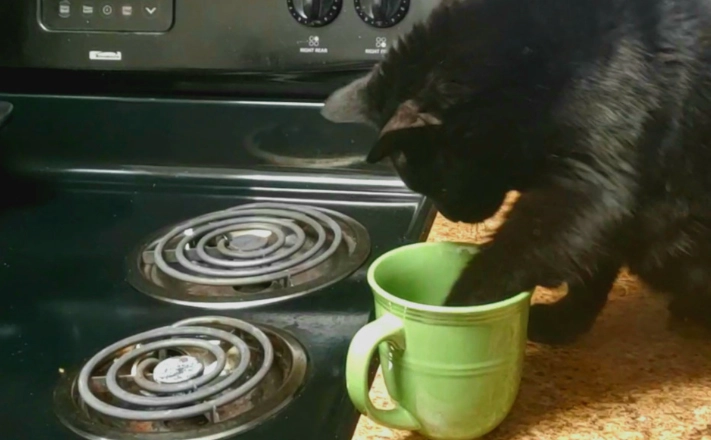
Here's a quick-action table based on what was ingested:
| What They Ate | Potential Risks | Immediate Action |
|---|---|---|
| A few plain, fresh cranberries | Minimal to none. Possible mild stomach upset. | Monitor at home. Ensure they have fresh water. Withhold food for a few hours if you're concerned, then offer a bland diet. |
| A large quantity of plain cranberries (e.g., a cup) | High fiber/acid load can cause vomiting, diarrhea, gas. | Call your regular vet for advice. They may recommend monitoring or coming in. |
| Sweetened cranberry sauce, jelly, or dried cranberries | High sugar content risk: GI upset, pancreatitis (esp. in small dogs). | Call your vet. Describe the amount and ingredients. They will advise based on your dog's size and health. |
| ANY product containing xylitol or raisins | EMERGENCY. Xylitol causes rapid hypoglycemia & liver failure. Raisins cause kidney failure. | Do not wait. Contact your emergency vet or animal poison control immediately. Every minute counts. |
Keep these numbers in your phone, right now:
ASPCA Animal Poison Control Center: (888) 426-4435 (There may be a consultation fee, but it's worth it.)
Pet Poison Helpline: (855) 764-7661
Having a plan makes a scary situation feel a little more manageable.
Answers to the Questions You're Actually Searching For (FAQ)
My dog ate a cranberry muffin. Is that bad?
Probably, yes. It depends on the muffin. The primary concern is the other ingredients. Chocolate chips? Macadamia nuts? Xylitol? The muffin base itself is high in fat and sugar, which can trigger pancreatitis, especially in smaller breeds. A tiny bite of a plain muffin might just cause an upset stomach, but a whole muffin warrants a call to your vet to be safe.
Can I give my dog cranberry for a UTI?
This is important: Cranberries are not a treatment for an active urinary tract infection. If your dog is showing signs of a UTI (straining to pee, frequent urination, blood in urine, crying while urinating), they need professional veterinary care and likely antibiotics. Cranberry supplements can be a helpful preventative measure for dogs prone to UTIs, but only under the guidance of your vet. Don't try to play doctor at home.
Are cranberry supplements or pills safe for dogs?
Commercial human cranberry supplements are not recommended. They may contain inappropriate dosages or other ingredients (like vitamin D, which can be toxic in excess) that are safe for humans but not for pets. If you want to use cranberry for its urinary benefits, use a supplement specifically formulated for dogs, and follow your vet's dosage instructions precisely.
What about other berries? Are blueberries or strawberries safer?
Great question. Blueberries and strawberries (with the greens removed) are generally considered very safe for dogs in moderation. They're lower in acid and often more palatable. In fact, many dogs love frozen blueberries as a summer treat. Again, the rules apply: plain, fresh, washed, and in small quantities. Raspberries and blackberries are also fine, but always introduce any new food slowly.
My cat licked some cranberry juice. What should I do?
If it was just a lick, they'll probably be fine. The amount of sugar and acid in a single lick is negligible. Just make sure they have fresh water available. Watch for any signs of vomiting or diarrhea over the next 12 hours, though it's unlikely. The bigger lesson is to keep sweetened juices out of paw's reach.
The Final Verdict: A Simple Checklist for Peace of Mind
Let's wrap this up with a clear, easy-to-remember list. Print this out, stick it on the fridge.
✅ SAFE (For Dogs Only, in Tiny Amounts):
- A single, plain, fresh or frozen (thawed) cranberry as a rare treat.
- Mashed or chopped plain cranberry mixed into their regular food once in a blue moon.
- Vet-recommended canine cranberry supplements for specific urinary health support.
❌ UNSAFE / AVOID COMPLETELY:
- Any cranberry product with added sugar (sauce, jelly, canned, dried like Craisins®).
- Cranberry juice of any kind.
- Baked goods containing cranberries (muffins, bread, etc.).
- Any product that lists xylitol in the ingredients.
- Any cranberry dish also containing grapes, raisins, or currants.
- Giving cranberries to cats (no need, potential for upset).
So, are cranberries toxic to pets? No, the simple berry itself is not a poison. But the modern ways we prepare and consume cranberries create a minefield of risks for our animals. The answer to "are cranberries toxic to pets?" has evolved into a more nuanced conversation about preparation, additives, and quantity.
The goal isn't to live in fear. It's to be informed. You can relax when a berry rolls on the floor. But you should also know to keep the Thanksgiving cranberry relish far, far away from curious noses. That's the kind of practical knowledge that actually keeps our pets safe and lets us enjoy our food without a side of anxiety.
Now, go enjoy your cranberries. And give your pet a proper, species-appropriate treat instead. They'll thank you for it.


Leave a comment