In This Guide
- The Golden Rule: It’s About Calories, Not Cups
- The Wet Food vs. Dry Food Dilemma: It Changes Everything
- The Reality Check: How to Tell If You’re Feeding the Right Amount
- Building a Feeding Schedule That Actually Works
- Special Situations and Common Headaches
- What About Treats? The Silent Calorie Killer
- When to Throw the Calculator Out and Call the Vet
- Putting It All Together: Your Action Plan
You’re standing there with the food bowl, and your cat is giving you that look. The one that says, "Is that all?" or maybe, "You expect me to finish this mountain?" Figuring out the right amount is one of the most common puzzles for cat owners. It’s not just about filling the bowl. Get it wrong, and you’re looking at a chunky kitty with joint problems or a skinny one crying at 3 AM. Not fun.
I remember when I first got my cat, Jasper. The shelter said "a cup a day," but Jasper was a lazy ragdoll, and that cup was turning him into a small, furry pillow. My vet friend took one look and said, "You’re feeding him like he’s a barn cat." That was my wake-up call. So let’s cut through the confusion. How much food should my cat eat per day isn’t a one-answer question. It’s a mix of math, observation, and knowing your own furry individual.
The Short Answer First: For a typical, healthy, moderately active 10-pound adult cat, the ballpark is about 200 to 250 calories per day. That roughly translates to about 1/2 to 2/3 of a cup of dry food, or 5 to 6 ounces of canned wet food. But please, don’t stop here. This is the starting line, not the finish. Your cat is not typical. Mine sure wasn’t.
The Golden Rule: It’s About Calories, Not Cups
This is the biggest mistake I see. People fixate on the volume—a cup, half a can—without knowing the energy inside. Cat food isn’t all created equal. One brand’s cup could be 300 calories, another’s could be 450. Feeding by volume alone is like giving your cat a random amount of fuel each day.
Your first job is to become a calorie detective. Grab the bag or can of your cat’s food. Look for the "kcal/kg" or "kcal/cup" or "kcal/can" on the guaranteed analysis or feeding guide. This number is your key. If you can’t find it on the packaging, check the manufacturer’s website. Reputable brands like Hill's, Royal Canin, or Purina Pro Plan always list this. If a company hides its calorie content, I’d be suspicious. How can you possibly answer "how much food should my cat eat per day" without this basic info?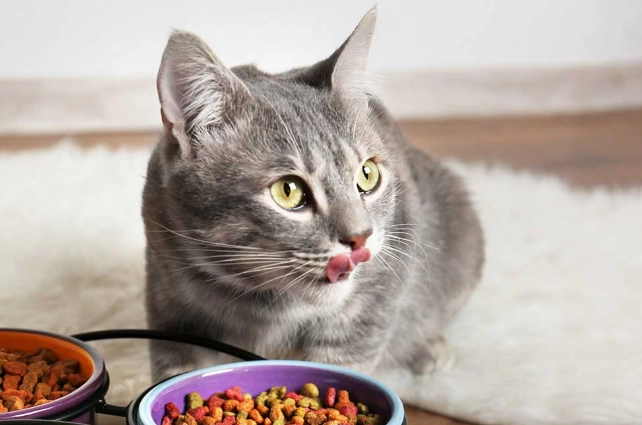
Calories are king. Portion size is their servant.
Step 1: Find Your Cat’s Daily Calorie Needs (The Math Part)
Vets and nutritionists use a formula to estimate a cat’s daily energy requirement. It’s based on weight and lifestyle. Don’t worry, it’s simple.
First, you need your cat’s ideal weight in kilograms. Most of us think in pounds. To convert, divide your cat’s weight in pounds by 2.2. So a 10 lb cat is about 4.5 kg.
Now, use this formula for an average, neutered adult cat:
Resting Energy Requirement (RER) in kcal/day = (Ideal weight in kg ^ 0.75) * 70
Yeah, the exponent looks scary, but you can just use an online calculator (search "cat RER calculator") or follow this rough guide based on the more common "Maintenance Energy Requirement" (MER) which multiplies the RER by a factor. Honestly, I use the rough guide below most days. The math is important, but obsessing over decimals isn't.
Here’s a much simpler, vet-approved table that does the math for you. It gives Maintenance Energy Requirements (MER) for cats at their ideal weight. This is the total calories they need per day to maintain that weight.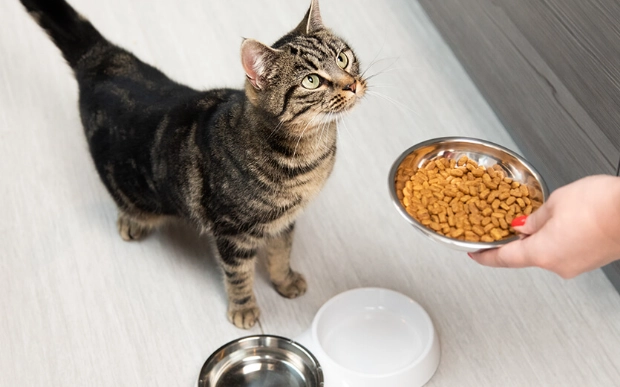
| Cat's Ideal Weight (lbs) | Cat's Ideal Weight (kg) | Daily Calorie Needs (Approx. MER) | Typical Daily Dry Food* | Typical Daily Wet Food* |
|---|---|---|---|---|
| 5 lbs | 2.3 kg | 130-160 kcal | 1/3 - 1/2 cup | 3 - 4 oz |
| 8 lbs | 3.6 kg | 180-210 kcal | 1/2 - 2/3 cup | 4 - 5 oz |
| 10 lbs | 4.5 kg | 200-250 kcal | 1/2 - 2/3 cup | 5 - 6 oz |
| 12 lbs | 5.4 kg | 230-280 kcal | 2/3 - 3/4 cup | 6 - 7 oz |
| 15 lbs | 6.8 kg | 270-330 kcal | 3/4 - 1 cup | 7 - 9 oz |
*This assumes average calorie density: ~350 kcal/cup for dry, ~25-30 kcal/oz for wet. CHECK YOUR BAG!
See? That table is your new best friend. But it’s a guideline. You have to adjust the factor based on your cat’s life.
- Kitten (under 1 year): They’re growing machines. They need up to 2-3 times the calories of an adult! Feed kitten-formulated food freely or in frequent, measured meals.
- Senior Cat (over 7 years): Metabolism slows, but not always. Some old cats get skinny. You might need to adjust slightly down for the couch potatoes, up for the frail ones. Senior-specific diets are often less calorie-dense.
- Neutered/Spayed Adult: The surgery can lower metabolic rate by up to 30%. That’s why the table above is for neutered cats. An intact tomcat would need more.
- Active vs. Couch Potato: An indoor cat who sleeps 20 hours a day needs the lower end of the range. A cat who races around at dawn and dusk might need the higher end.
- Pregnant/Nursing Queen: All bets are off. She needs massive amounts of high-quality food—often 1.5 to 2 times her normal intake, or even free-choice feeding. Consult your vet.
The Wet Food vs. Dry Food Dilemma: It Changes Everything
This is a huge factor that many basic guides gloss over. The type of food dramatically changes the volume you feed, even if the calories are the same.
Wet Food (Canned/Pouched): About 70-80% water. Lower in calories per ounce (usually 20-35 kcal/oz). You feed a larger volume to meet calorie needs. Great for hydration, often more satisfying for the cat. Jasper always seemed fuller on wet food.
Dry Food (Kibble): About 10% water. High in calories per cup (often 300-500 kcal/cup). You feed a much smaller volume. Convenient, but easy to overfeed. That "one cup" can be a calorie bomb.
My take? I’m a fan of mixing. A mostly wet food diet is fantastic for urinary health and weight management (because of the water content and lower calorie density). But dry food has its place for convenience and dental health (though the dental benefits are debated—it’s not a toothbrush).
Pro Tip: If you’re switching from dry to wet, you will be opening more cans and it will look like you’re feeding more food. You are—in volume. But in calories, you’re likely feeding the same or less. Don’t panic. Your cat might too, until they get used to the new satiety.
So, when you ask "how much food should my cat eat per day," you must specify wet, dry, or a mix. A cat on all-wet might eat a whole 5.5oz can plus a bit. A cat on all-dry might only get that half-cup. A mixed feeder needs careful math: add the calories from the morning wet portion to the evening dry portion to hit the daily target.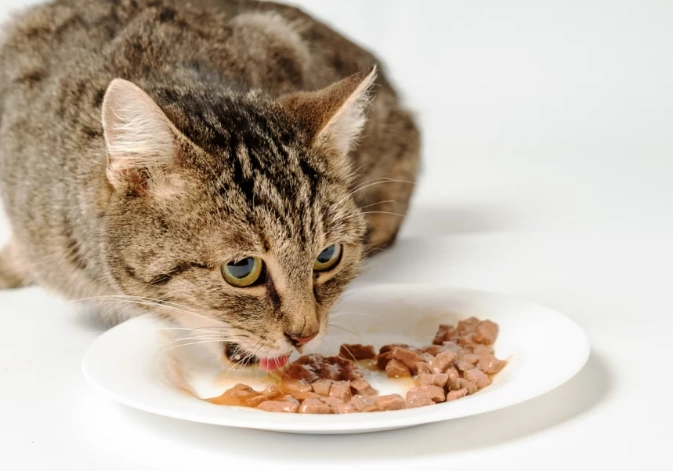
The Reality Check: How to Tell If You’re Feeding the Right Amount
The math gives you a number. Your cat’s body gives you the truth. You need to do regular, honest assessments.
The Hand Test (Body Condition Score)
Forget the scale alone. A 12-pound cat can be muscular or obese. Use your hands.
- Ribs: Run your hands along your cat’s side. You should easily feel the ribs with a slight fat covering, like the back of your hand. If you have to press to feel them, too fat. If they feel like a washboard, too thin.
- Waist: Look from above. There should be a visible indentation behind the ribs—a waist. From the side, the belly should tuck up, not hang down.
If you can’t see a waist and can’t feel ribs, you’re probably overfeeding. It’s so easy to do. Those little treats add up. I was guilty of giving Jasper "just one more" crunchie.
Watch Out for "Creep": Weight gain in cats is often insanely gradual. A few extra calories a day leads to a pound a year. That’s a 10% gain for a 10 lb cat! Weigh your cat monthly if you can. A simple baby scale works.
Building a Feeding Schedule That Actually Works
Free-feeding (leaving food out all day) is the number one culprit for overweight cats. It removes all portion control. Cats are natural grazers, but our modern, high-calorie food makes that risky. I tried it. Jasper’s weight crept up without me noticing until his annual checkup.
Measured Meals are Best. Divide your cat’s daily calorie total into 2-4 meals. This mimics natural hunting patterns, prevents boredom, and helps with digestion. An automatic feeder can be a lifesaver for consistency, especially for dry food.
Here’s a sample schedule for a 10 lb cat needing 220 kcal/day on a mixed diet:
- 7 AM: 1/4 of a 5.5oz can of wet food (~45 kcal).
- 12 PM: Automated feeder dispenses 1/8 cup of high-protein dry food (~55 kcal).
- 6 PM: Another 1/4 of the wet food can (~45 kcal).
- 10 PM: Final 1/8 cup of dry food (~55 kcal) or a puzzle toy with the kibble.
This keeps them engaged and prevents the 5 AM wake-up call for breakfast.
Special Situations and Common Headaches
Because cats never read the manual.
The "My Cat Is Always Hungry" Cat
Some cats are food-obsessed. If yours is at a healthy weight but acts starving, consider:
- Higher Protein/Fiber Food: More protein increases satiety. Look for foods with >40% protein on a dry matter basis. Fiber helps them feel full. The Association of American Feed Control Officials (AAFCO) profiles can help you compare.
- Slow Feeders & Puzzle Toys: Make them work for their kibble. It slows eating and provides mental stimulation.
- Rule Out Medical Issues: Conditions like diabetes, hyperthyroidism, or intestinal parasites can cause ravenous hunger. A vet visit is crucial.
The Picky Eater
If your cat turns up their nose, you might be overfeeding or offering too many options (creating a buffet tyrant). Try sticking to a scheduled meal, offering the food for 20-30 minutes, then taking it away. They learn to eat when food is offered. It’s tough love, but it works.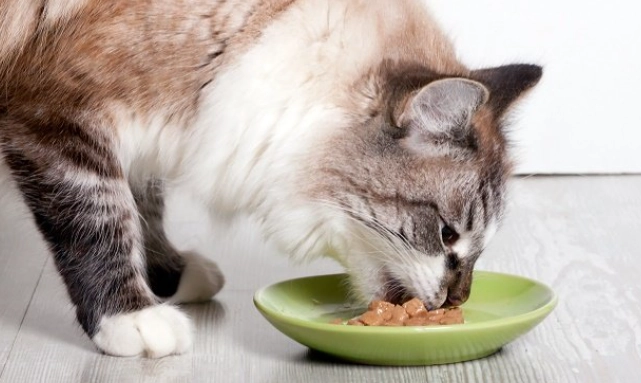
Multi-Cat Household Chaos
This is the advanced level. You have a fat cat and a skinny cat. Free-feeding is impossible. Solutions: microchip feeders (like SureFeed), separate rooms at meal times, or feeding the skinny cat up high where the fat cat can’t jump. It’s a hassle, but necessary for health.
What About Treats? The Silent Calorie Killer
Treats should not exceed 10% of daily calories. For our 220 kcal cat, that’s 22 kcal. A single commercial cat treat can be 2-5 kcal. Five treats is already over the limit! I switched to using pieces of their regular kibble as "treats" during training, or a single freeze-dried chicken bit (check the calories!).
Quick-Fire Questions Cat Owners Actually Ask
When to Throw the Calculator Out and Call the Vet
All this guidance assumes a healthy cat. Stop guessing and see a vet if:
- Sudden increase or decrease in appetite.
- Rapid weight loss or gain despite controlled feeding.
- Vomiting, diarrhea, or changes in drinking/urination.
- Your cat is very young, very old, pregnant, or has a known medical condition (kidney disease, diabetes, etc.). Their needs are specialized.
Your vet can give you a precise, personalized plan. They might even recommend a prescription diet. Trust them over any online article, including this one.
Putting It All Together: Your Action Plan
Figuring out how much food your cat should eat per day is a process, not a one-time decision.
- Weigh Your Cat and determine their ideal body condition.
- Find the Calories in their specific food (bag/can/website).
- Estimate Needs using the table or a calculator, adjusting for age/activity.
- Measure Precisely using a proper measuring cup (not a coffee mug!) or a kitchen scale for ultimate accuracy.
- Establish a Schedule of 2-4 measured meals. Ditch the all-day buffet.
- Account for Treats in the daily total. Seriously.
- Monitor Monthly with weight checks and the hand test.
- Adjust as Needed. Less in winter if activity drops? More if they become more active? Be flexible within reason.
It seems like a lot, but once you get the system down, it becomes routine. The payoff is huge: a cat at a healthy weight lives longer, has fewer joint problems, and is at lower risk for diabetes and other diseases. Jasper is now a sleek 11 pounds (down from 13), and he plays more, grooms better, and seems genuinely more comfortable.
The question "how much food should my cat eat per day" is the beginning of a longer, healthier life for your feline friend. Start with the math, listen to their body, and don’t be afraid to ask for professional help. You’ve got this.


Leave a comment