You're cooking dinner, and those puppy eyes are locked on you. A tiny piece of plain chicken goes down fine, but you wonder—could I make it just a bit more interesting for him? What about a sprinkle of this or a dash of that? The answer isn't a simple yes or no. Some common kitchen herbs and spices are fantastic for dogs, offering health benefits and variety. Others are quietly dangerous, even in small amounts. After over a decade of working with dogs and consulting vets, I've seen the confusion firsthand. This guide cuts through the noise. We'll cover the safe ones, the absolute no-gos, and the practical how-tos, so you can confidently navigate your spice rack.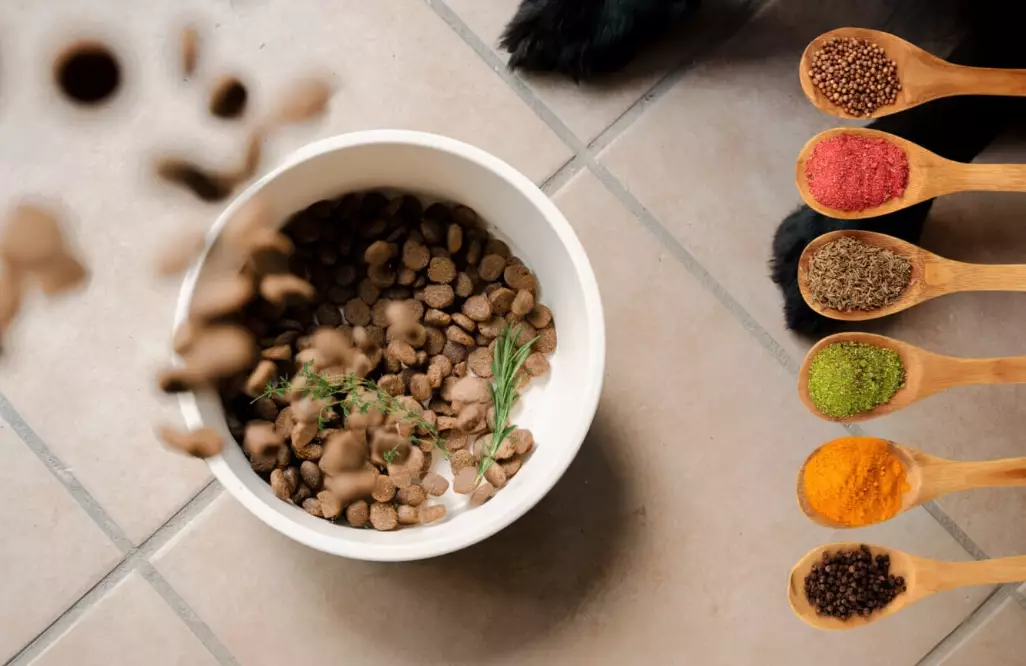
In This Guide
Why Dog Seasonings Are a Bigger Deal Than You Think
It's not just about flavor. Dogs have fewer taste buds than us, but they have a great sense of smell. Aromatic herbs can make their food more appealing, which is a game-changer for picky eaters or older dogs with fading appetites. More importantly, many herbs are functional. They can aid digestion, provide antioxidants, and offer mild anti-inflammatory support. Think of them as tiny nutritional boosts, not just flavor enhancers. But here's the kicker—the risk isn't always in the seasoning you intentionally add. It's in the seasoned human food they accidentally get. That leftover soup with onion powder, the garlic-buttered bread crust, the Chinese takeout loaded with salt and unknown spices. Understanding what's safe helps you prevent accidents.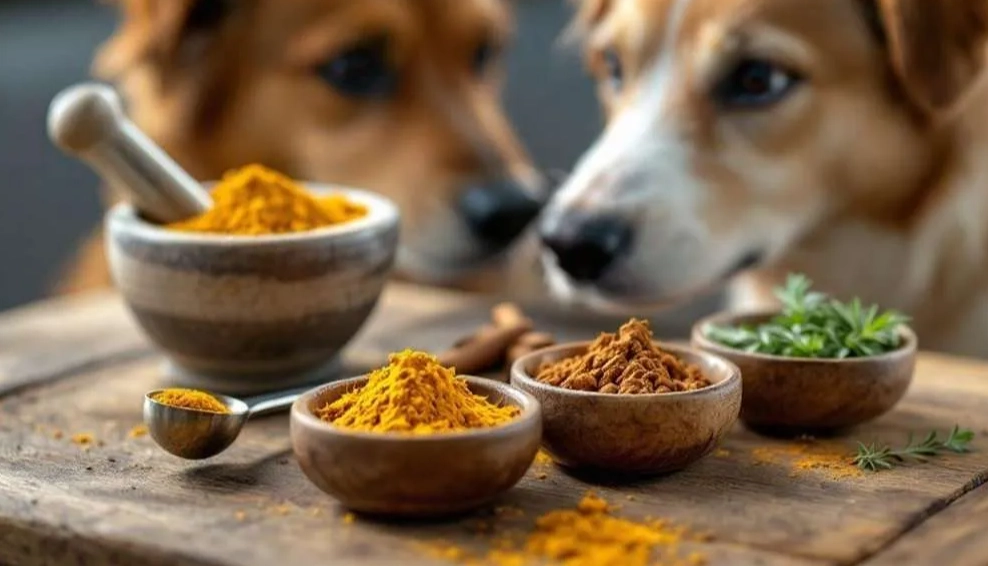
The Safe List: Herbs & Spices That Are Actually Good
These are the ones you can explore. The golden rule: start small, use plain dried or fresh herbs (no salt, onion, or garlic blends), and introduce one at a time. A general guideline is about 1/8 to 1/4 teaspoon of dried herb per 20 lbs of body weight, sprinkled over a meal a few times a week. For fresh herbs, use about triple that amount, finely chopped.
- Turmeric: The superstar. Its active compound, curcumin, is a potent anti-inflammatory. Great for older dogs with stiff joints. Critical tip: Always pair it with a pinch of black pepper and a healthy fat (like coconut oil or salmon oil). Pepper increases curcumin absorption by a huge margin. Without it, most just passes through.
- Ginger: Excellent for nausea and upset stomachs. If your dog gets car sick, a little ginger 30 minutes before travel can help. Use fresh grated ginger (a tiny bit) or a pinch of the powder.
- Parsley: Fresh parsley is a breath freshener and contains vitamins. Use the flat-leaf or curly variety, not spring parsley which looks similar but is toxic. A small sprinkle is plenty.
- Cinnamon (Ceylon is preferred): Can help regulate blood sugar and has antioxidant properties. Use only a tiny sprinkle. The coumarin in the more common Cassia cinnamon can be hard on the liver in large doses over time.
- Basil, Oregano, Thyme, Rosemary: These culinary herbs are safe in small amounts. They offer antioxidants. Rosemary is safe in food amounts, but avoid highly concentrated rosemary extract as a preservative in some commercial dog foods if your dog has a history of seizures, as it's debated to potentially lower the seizure threshold.
The Dangerous List: What to Avoid at All Costs
This list is non-negotiable. The severity ranges from immediate GI distress to life-threatening organ damage that can build up over time.
Onion, Garlic, Chives, Leeks, Shallots (All Alliums)
This is the most important one. All forms are toxic—raw, cooked, powdered, dehydrated, in soups, in seasonings like garlic salt. They contain compounds that damage red blood cells, leading to hemolytic anemia. The toxicity is cumulative. A tiny bit of garlic powder once might not cause visible illness, but repeated small exposures can lead to a crisis. I don't buy the "a little garlic is good for fleas" myth. The risk isn't worth the unproven benefit. Just don't.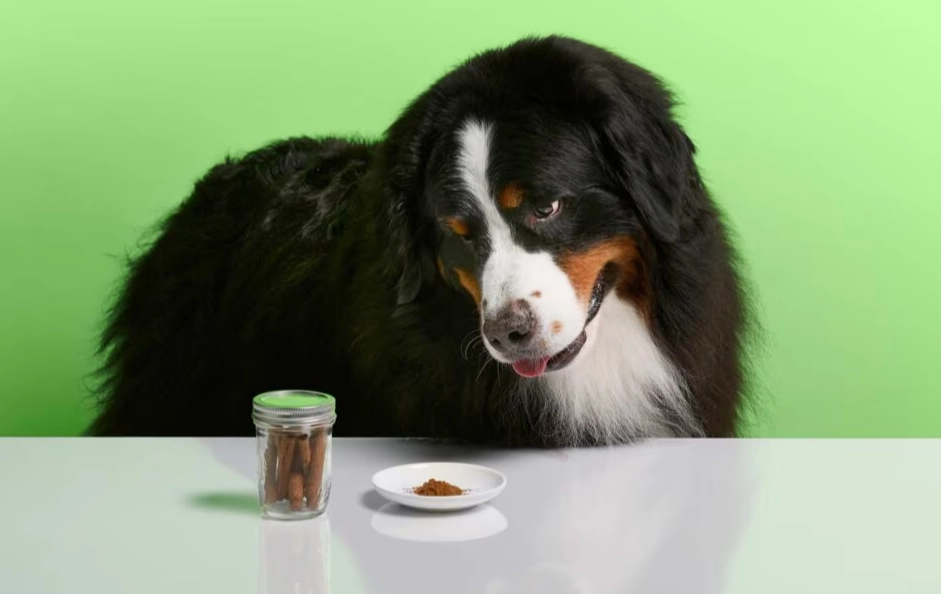
Salt (Sodium Chloride)
Dogs need some sodium, but far less than humans. Excessive salt leads to sodium ion poisoning—symptoms include vomiting, diarrhea, tremors, high temperature, and seizures. The danger is in concentrated sources: salty chips, pretzels, cured meats, popcorn, and, yes, food heavily seasoned for human taste.
Nutmeg
Contains myristicin, which can cause hallucinations, disorientation, high heart rate, abdominal pain, and seizures. Even a small amount can be problematic.
Xylitol
Not a traditional seasoning, but it's a sweetener increasingly found in "sugar-free" products like peanut butter, some baked goods, and even some breath mints. It causes a rapid, severe drop in blood sugar and liver failure in dogs. Check your peanut butter label every time.
How to Safely Introduce Seasonings to Your Dog's Diet
Think of this as a science experiment, not a free-for-all.
Step 1: Consult Your Vet. Especially if your dog has any health conditions (kidney, liver, pancreatic issues) or is on medication. Some herbs can interact.
Step 2: Start with One. Pick one safe herb, like turmeric or parsley. This way, if there's an unexpected reaction (like loose stools), you know the culprit.
Step 3: Use a Minuscule Amount. For a medium-sized dog, think "a pinch" of dried herb mixed thoroughly into their regular food. Less is more.
Step 4: Observe for 24-48 Hours. Look for any changes in appetite, energy, stool consistency, or behavior.
Step 5: Keep a Log. Note what you added, how much, and the date. It's helpful for you and your vet.
A simple, safe "starter recipe" for a 40lb dog: Mix 1/4 teaspoon turmeric, a crack of black pepper, and 1/2 teaspoon coconut oil into a portion of plain, cooked ground turkey or chicken. Serve over their kibble once or twice a week.
Common Mistakes Even Experienced Owners Make
I've seen these happen too often.
Assuming "Natural" Means Safe. Poison ivy is natural. It's all about the specific compounds. Do your research on the specific herb.
Overlooking the Base Food. Seasoning a fatty piece of meat or rich food can trigger pancreatitis in susceptible dogs. The seasoning isn't the problem; the rich vehicle is.
Using Commercial Blends. That "poultry seasoning" or "Italian herb mix" almost always contains onion or garlic powder. Assume any pre-mixed seasoning is unsafe unless you've meticulously read every ingredient.
Forgetting About Treats. You get careful with dinners but then give a store-bought jerky treat loaded with garlic powder. Consistency is key.
Your Questions, Answered
 What about using herbs for homemade dog treats?


Leave a comment