Let's be real, puppy teeth are sharp. That cute little furball turns into a tiny piranha overnight, targeting fingers, furniture legs, and your favorite shoes with relentless enthusiasm. This isn't bad behavior—it's a biological necessity. Between 3 and 6 months old, puppies lose their 28 baby teeth and grow 42 adult ones. Their gums are sore, itchy, and desperate for relief. A good teething toy isn't a luxury; it's a survival tool for your sanity and your puppy's dental health. But grab the wrong one, and you might do more harm than good. I've seen it happen. This guide cuts through the marketing fluff and tells you exactly what works, what's safe, and what common mistakes to avoid.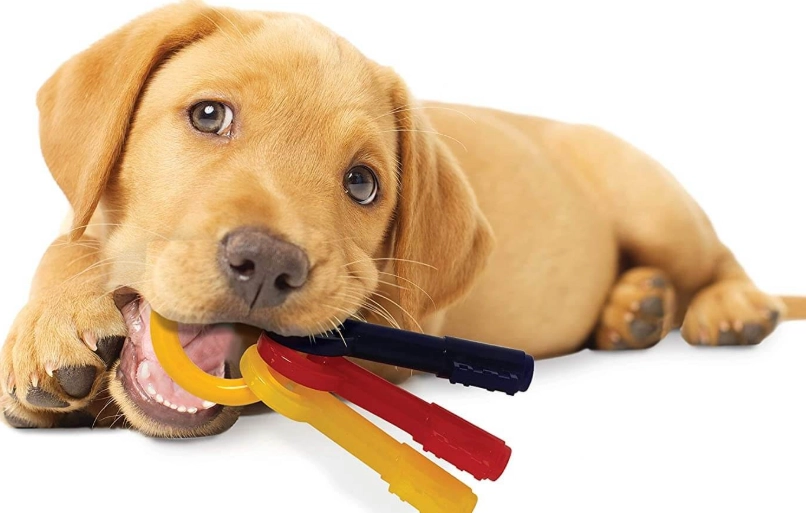
Quick Navigation: What You'll Find Here
Why the Right Teething Toy is a Game-Changer
Think of it this way: if you don't give your puppy an approved outlet for chewing, they'll find their own. That's how baseboards get destroyed. A well-chosen toy does three critical things beyond just saving your furniture.
First, it provides targeted pain relief. The pressure from chewing on a suitably textured surface soothes inflamed gums. Second, it guides proper dental development. Chewing helps baby teeth loosen and fall out on schedule, preventing painful retained teeth. Third, and this is huge, it teaches your puppy what is okay to chew. Every time they chomp on their toy instead of your hand, you're reinforcing a lifelong good habit.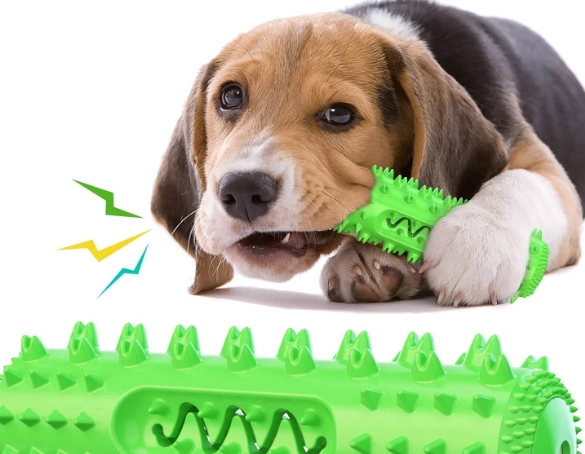
A study in the Journal of Applied Animal Behaviour Science has pointed out that appropriate chew objects can significantly reduce destructive chewing behaviors. It's not just about keeping them busy; it's about fulfilling a deep-rooted instinct in a safe, controlled way.
How to Pick a Safe Teething Toy: The Non-Negotiables
Safety isn't just a buzzword. A puppy's jaw strength and determination are surprising. Here's your checklist before you buy anything.
Size and Shape: The toy must be too large to be swallowed whole or become lodged in the throat. Avoid small, ball-shaped toys for powerful chewers. Look for shapes with handles or irregular forms they can grip easily.
Durability vs. Give: This is where many get it wrong. The toy shouldn't be so hard it cracks teeth. The American Veterinary Medical Association (AVMA) warns against materials that are harder than your dog's teeth, like some bones, antlers, or hard nylon. You should be able to make a slight indent with your thumbnail. Conversely, it shouldn't be so soft that a determined pup can shred it in minutes, creating choking hazards with small pieces.
No Hidden Dangers: Inspect for loose parts, squeakers that can be dug out and swallowed, or weak stitching on plush toys. For rubber toys, ensure they are solid, non-toxic rubber without hollow cavities that can collapse.
Material Breakdown: Rubber, Rope, Plush & More
Not all materials are created equal for a teething mouth. Here’s a straightforward comparison.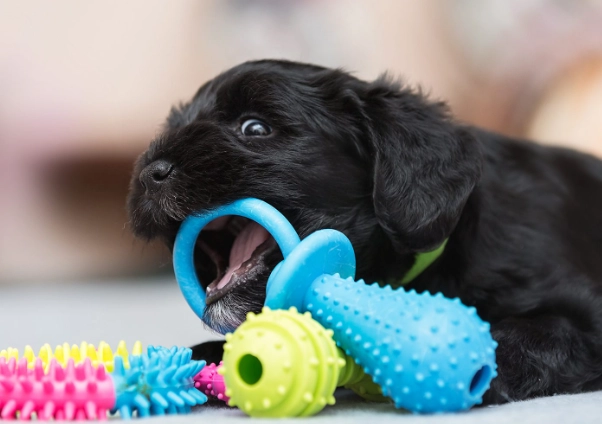
| Material | Best For | Watch Out For | My Top Pick Example |
|---|---|---|---|
| Soft Rubber/ Silicone | Gentle chewers, gum massage, can be frozen. | Aggressive chewers may tear chunks off. | KONG Puppy Toy (the classic for a reason). |
| Durable Rubber (Nitrile, etc.) | Moderate to aggressive chewers, long-lasting. | Ensure it has some flex; avoid rock-hard varieties. | West Paw Zogoflex Toppl. |
| Cotton Rope | Flossing action for teeth, good for tug-of-war. | Strings can be swallowed; trim frayed ends immediately. | Any thick, knotted cotton rope toy. |
| Plush with Chew Guards | Comfort chewers who love soft toys. | Still not indestructible. Remove if lining is exposed. | Fluff & Tuff toys (reinforced stitching). |
| Food-Based Chews (e.g., frozen carrots, specially formulated puppy chews) | High-value distraction, edible satisfaction. | Monitor calorie intake and always supervise. | Frozen, peeled carrot stick (cheap & effective). |
I used to think hard rubber was the ultimate safe choice. Then I met a 5-month-old Labrador who, through sheer persistence, gave himself a slab fracture on a premolar from a toy that was too rigid. Now I'm a firm believer in the "thumbnail test."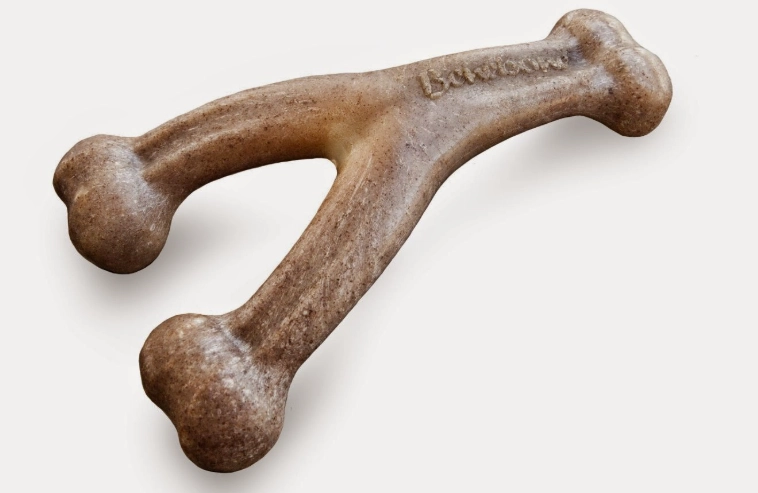
Toy Types and Their Superpowers
Beyond material, function matters. Rotating through different types keeps your puppy engaged and targets different needs.
Interactive/Stuffable Toys
The king here is the KONG. You smear a little peanut butter (xylitol-free!) or puppy wet food inside and freeze it. The licking and working to get the food out is mentally exhausting and provides prolonged, gentle gum cooling. It's a lifesaver during crate training or when you need 30 minutes of peace.
Chew-Encouraging Textured Toys
These have nubs, ridges, or bristles designed specifically to massage gums. They often have a pleasant smell or taste infused. They're not for eating, but the texture guides the puppy to chew on them instead of other items. Look for brands like Nylabone that have puppy-specific textured lines.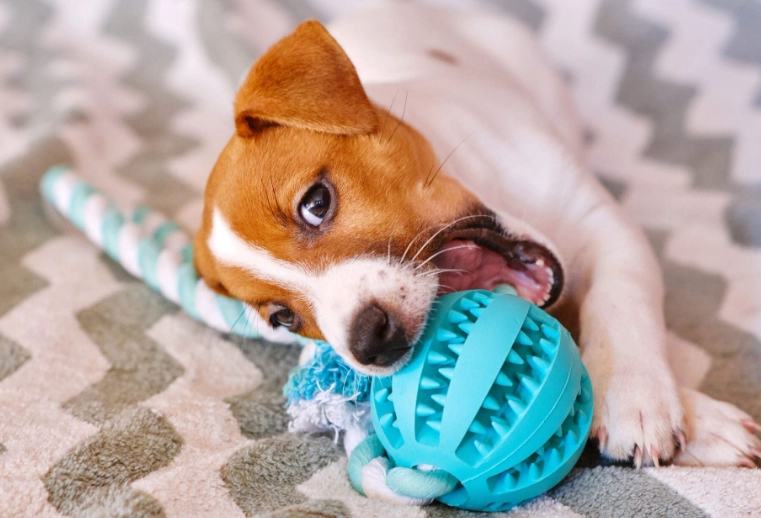
Soothing & Cooling Toys
Many soft rubber toys can be filled with water and frozen. The cold is a fantastic anti-inflammatory. Just ensure the toy is designed for freezing—some materials can become brittle and crack. A simple, cheap alternative? Soak and freeze a clean washcloth tied in a knot. It's my go-to for immediate relief.
Top 3 Mistakes Owners Make with Teething Toys
Everyone focuses on what to buy. Let's talk about what to avoid doing.
Mistake 1: Using Toys Meant for Adult Dogs. Puppy teeth are more brittle. That ultra-tough chew toy marketed to a Rottweiler is a dental hazard for a teething Golden Retriever pup. Always look for "puppy" or "teething" on the label.
Mistake 2: Not Rotating the Inventory. Boredom leads to destructive chewing. Have a basket with 3-5 different types of toys and swap them out every couple of days. The "newness" keeps their interest focused on the approved items.
Mistake 3: Punishing Mouthing, Not Redirecting. When those needle teeth grab your hand, the instinct is to yell "No!" A more effective long-term strategy is to yelp (like a littermate would), immediately stop play, and then hand them their teething toy. You're teaching "chew this, not me" without creating fear.
I made Mistake #1 early on. I bought what the pet store clerk recommended for "heavy chewers" for my robust puppy. It took a vet visit during a routine shot to spot the early wear on his canines. We switched to softer options, and the problem stopped progressing.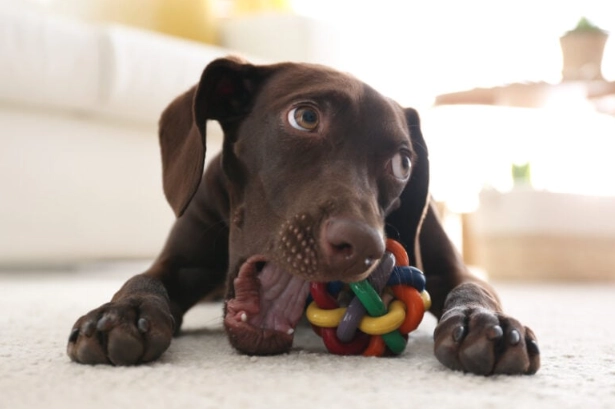
Your Teething Toy Questions, Answered
The land shark phase doesn't last forever, but the chewing habit you establish now does. Investing the time to find the right teething toys pays off for years in saved shoes, intact furniture, and a dog who knows exactly what belongs to them. Start with one safe, versatile option like a stuffable rubber toy, observe your pup, and build from there. You've got this.
Leave a comment