Let's be honest. The first few nights with a new puppy can feel like a form of sleep-deprivation torture. You're lying there at 2 AM, listening to the desperate whines and scratches coming from the crate or pen, wondering if you've made a huge mistake. I've been there. I remember sitting on the floor next to my Labrador puppy, Maverick, at 3 AM, questioning every life choice that led me to that moment. But here's the good news: getting a puppy to sleep through the night isn't magic. It's a system. And it works faster than you think.
Most puppies can learn to sleep for 6-8 hour stretches by the time they're about 16 weeks old, but the journey there requires a clear, consistent plan. This isn't about quick fixes that backfire later. It's about building habits that lead to a well-adjusted dog who sees their crate as a cozy den, not a prison.
Your Quick Guide to a Quiet Night
The Foundation: Understanding Your Puppy's Night
Before we jump into the "how," let's talk about the "why." Your puppy isn't crying to annoy you. They're in a strange new place, separated from their littermates for the first time. Their bladder is tiny. Their instincts tell them to call for help when alone. Your job is to address the real needs (safety, bathroom, comfort) while gently teaching them the new rules.
The single biggest factor most owners overlook is daytime management. A puppy that naps erratically and is overstimulated all day will be a nightmare at night. Think of a toddler who skipped their nap—bedtime is a disaster. Your puppy needs enforced, calm naps in their crate during the day to learn that quiet time alone is normal and safe.
The Nighttime Success Plan: A Step-by-Step Routine
Consistency is your secret weapon. Do the same things, in the same order, every single night. This sequence signals to your puppy's brain that sleep time is coming.
1. The Evening Wind-Down (8:00 PM - 10:00 PM)
Stop rambunctious play about an hour before bed. Switch to calm activities like chewing a stuffed Kong or a gentle training session. This is the time for bonding, not for the "zoomies."
2. The Last Call for Potty (10:15 PM)
Take your puppy out for their final bathroom break. Make it boring. No play, just business. Use a specific phrase like "Go potty" and reward them quietly when they do. This trip is crucial—empty bladder, better sleep.
3. The Bedtime Setup (10:30 PM)
Place your puppy in their crate with a special bedtime-only treat (like a piece of a freeze-dried liver treat) and a safe chew toy. I used a specific soft toy only at night with Maverick. It became his sleep signal. Say a calm, brief goodnight phrase and walk away. Don't linger.
Pro Tip: The crate should be in your bedroom, at least for the first few weeks. The sound and smell of you are immensely comforting and reduce anxiety. Moving the crate to another room can be a goal for later, but start close.
Here's a sample schedule for a 10-week-old puppy, assuming a 10:30 PM bedtime:
| Time | Activity | Key Goal |
|---|---|---|
| 10:30 PM | In crate with bedtime treat. | Establish sleep cue. |
| ~2:30 AM | Likely first wake-up for potty. | Quiet, boring bathroom break. |
| ~5:30 AM | Second wake-up / morning start. | Immediate potty trip, then breakfast. |
As your puppy ages, you'll gradually extend the time between these nighttime outings until they're sleeping straight through.
Crate Training Mastery: It's Not Just Shut the Door
If your puppy hates the crate, nights will be hell. The crate must be a positive place before you ever close the door for the night. This is the step everyone rushes.
Feed all meals in the crate with the door open. Toss treats inside for them to find. Practice short, happy confinement sessions during the day while you're home—start with 30 seconds, build to 10 minutes. Never use the crate as punishment. Covering the crate with a light blanket on three sides can create a den-like feel that many puppies prefer.
The size of the crate matters. It should be just big enough for your puppy to stand up, turn around, and lie down comfortably. If it's too big, they might use one corner as a bathroom. Use a divider panel for a wire crate to make it the right size as they grow.
Handling the Midnight Whines & Barks (The Right Way)
This is the hardest part. Your puppy will test you. The rule is: Ignore the "protest" whines, but respond to the "need" whines. How do you tell the difference?
- Protest Whining: Starts immediately after you leave, is intermittent, and often stops if you wait it out for 5-10 minutes. It's a complaint.
- Need Whining: Usually happens after a period of quiet sleep, is more persistent, and may sound more urgent. This usually means "I really have to go."
For protest whining, do not speak to, look at, or let the puppy out. Any attention reinforces the behavior. It feels cruel, but giving in teaches them that crying works. For need whining, take them out immediately but keep it utterly boring—lights low, no talking, straight outside, then straight back to bed.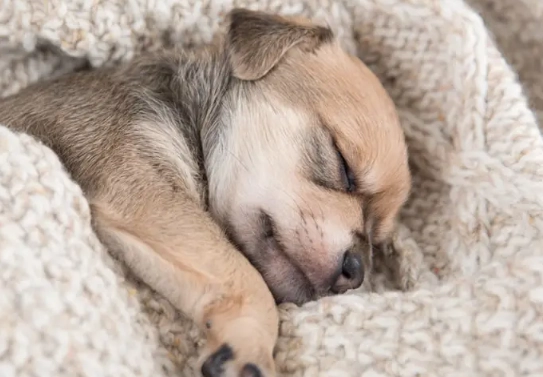
What Most People Get Wrong (And How to Fix It)
The Big Mistake: Letting the puppy "cry it out" for all whining. If a young puppy (under 14 weeks) is crying persistently for more than 15 minutes, they might be genuinely scared or need to potty. The fix? Go back a step. You may have moved too fast with crate training. Spend more days on positive crate associations before attempting a full night.
Another common error is the middle-of-the-night play session. You get up, they're cute, you pet them and talk in a happy voice. You've just thrown a party at 3 AM and told them waking up is fun. Keep all nighttime interactions silent and functional.
Finally, people often give up on the crate after one bad night and let the puppy sleep in bed. This creates confusion. If you want a bed dog eventually, that's fine, but establish the crate routine first. Transitioning from crate to bed later is much easier than from bed back to crate.




Leave a comment