Let's be honest. The idea of crate training a puppy overnight sounds great in theory—a quiet, safe puppy, you getting sleep, no midnight accidents. The reality for many new owners is hours of heartbreaking whining, feeling like a monster, and a serious sleep deficit. I've been there. I've also trained multiple puppies (and helped clients do the same) to love their crates at night. The difference between a nightmare and a success story isn't magic; it's a specific, patient process most people skip.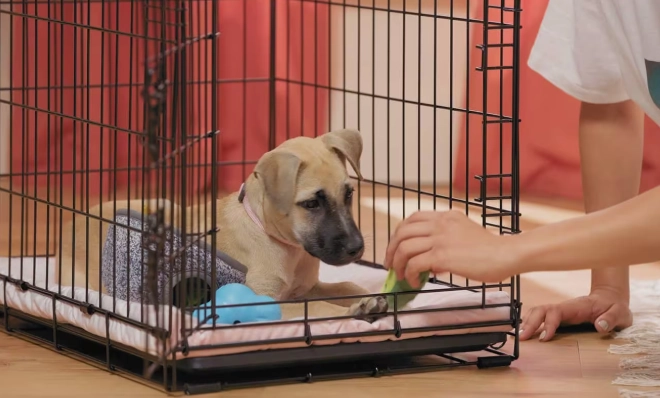
This isn't about locking a dog away. It's about teaching your puppy that their crate is a cozy, safe den where good things happen. Get this right, and you're not just surviving the night; you're building the foundation for housebreaking, preventing separation anxiety, and giving your dog a lifelong safe space.
What You'll Learn in This Guide
Why Crate Training at Night Works (The Science Behind It)
People get squeamish about crates. They see a cage. A dog sees something different. Dogs are den animals by instinct. In the wild, a den is a secure, enclosed space to rest, raise young, and stay safe. A properly introduced crate taps directly into this instinct.
The American Kennel Club and most professional trainers advocate for crate training because it leverages this natural behavior for modern living. At night, this is doubly important.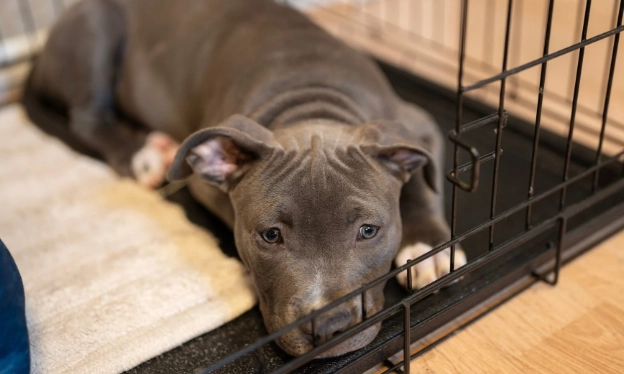
First, it manages a puppy's limited bladder control. A puppy won't (usually) soil where they sleep. This instinct is your biggest ally in housebreaking. The crate creates a clear boundary between "bedroom" and "bathroom." Second, it prevents dangerous or destructive midnight roaming. A teething puppy alone in a dark kitchen is a recipe for chewed wires or ingested foreign objects.
But the biggest mistake I see? Owners think the crate training happens at night. It doesn't. The training happens during the day. Nighttime is just the final exam. If you haven't done the homework of making the crate a happy place with treats, meals, and naps, the overnight test will be a failure. That's the non-consensus point: your focus on day one should be 90% on daytime crate positivity, 10% on surviving the night.
Your Nighttime Crate Training Setup Checklist
Getting the physical setup wrong makes everything harder. Here’s exactly what you need and where it should go.
The Crate Itself: Size matters, but not in the way you think. It should be just big enough for your puppy to stand up, turn around, and lie down comfortably. If it's too large, they'll use one corner as a bathroom. Use a divider panel for wire crates. I prefer wire crates for ventilation and visibility, but plastic "airline" style crates feel more den-like to some dogs.
Location, Location, Location: This is where most fail. Night one, the crate must be right next to your bed, at arm's reach. Your puppy has just left its littermates and mother. Complete isolation is terrifying. Being able to hear and smell you is everything. You can move it gradually later, but start here.
Bedding: Skip the fluffy, chewable beds for now. A folded towel or a thin, vet-bed style pad is safer and easier to wash. Ensure it's not a choking hazard.
The "Last Call" Protocol: One hour before bedtime: pick up the water bowl. Thirty minutes before: last potty break. Make this break super boring—business only, no play. Right before crating: one more quick, leashed potty trip.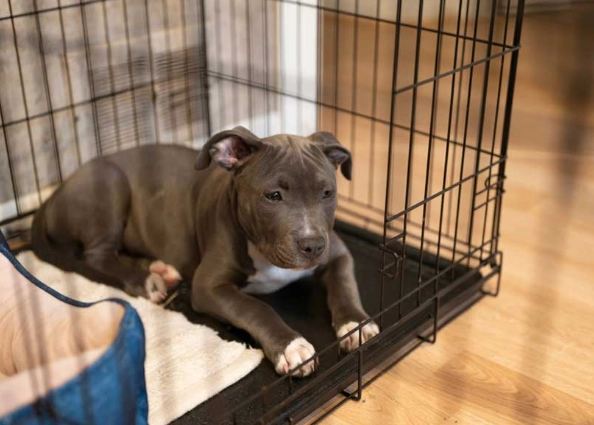
What About Toys and Treats in the Crate Overnight?
A safe, boring chew toy like a Kong stuffed with a smear of peanut butter (xylitol-free!) and frozen can be a great distraction at bedtime. Avoid anything with stuffing, squeakers, or parts that can be chewed off and swallowed. The goal is calming, not stimulating.
The Step-by-Step Nighttime Crate Training Routine
Let's walk through a real scenario. Meet Max, an 8-week-old Labrador puppy. His owner, Sarah, is determined to avoid the week of screaming she read about online.
Phase 1: The Pre-Game (Days 1-3, Before the First Night)
Max's crate is in the living room with the door open. Every meal is fed in the crate. High-value treats are tossed inside throughout the day. Sarah uses a cue word like "kennel up" when he goes in. Naps are encouraged in the crate with the door closed for short periods while she's nearby. The crate is never used as punishment. By day three, Max wanders in on his own to nap.
Phase 2: Night One – Proximity is Key
After the "last call" potty break, Sarah leads Max into the crate with a bit of kibble. She gives the "kennel up" cue. The crate is placed right beside her bed, elevated so she can see him. She leaves the room dark and quiet. When Max whimpers (and he will), she doesn't say "It's okay!", which is rewarding. She simply lets her fingers dangle down by the crate door. He sniffed them, sighed, and lay down. The message: "I'm here, you're safe, but we're sleeping."
Phase 3: The First Week – Building Duration
Sarah sets an alarm for 3 hours after bedtime. Before Max cries, she gets up, quietly carries him outside for a boring potty break, praises calmly, and puts him back. This teaches him that quiet brings relief, not crying. Gradually, she moves the crate a few feet each night toward the bedroom door, then into the hallway, and finally to its permanent spot over 1-2 weeks.
Phase 4: Long-Term & The Morning Routine
The morning routine is critical. The moment your puppy is awake and quiet, take them straight outside. This reinforces that quiet = freedom and potty happens outside. Don't let them out if they're barking; wait for a moment of silence, then act.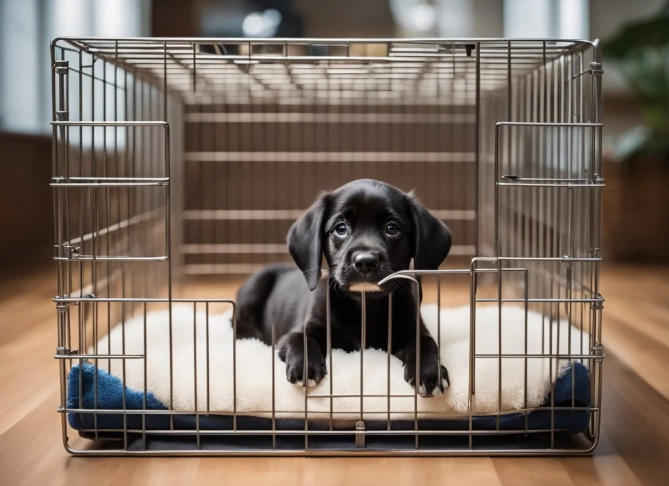
Troubleshooting Common Nighttime Crate Training Issues
Even with the best plan, you'll hit snags.
Problem: The puppy sleeps for 4 hours, then cries non-stop.
Solution: They probably need to go out. Stick to the scheduled, quiet potty break until they're about 4 months old. Their bladder is growing.
Problem: They cry the second the crate door closes, even with me right there.
Solution: You moved too fast. Go back to daytime training. Practice closing the door for one second, treat, open. Build up to one minute, five minutes, with you sitting right there reading a book. The crate door closing must not predict isolation.
Problem: My puppy is quiet all night but wakes up at 5 AM ready to party.
Solution: This is common. Ensure they're getting enough physical and mental exercise before bed. A tired puppy sleeps later. Also, make the morning boring. A 5 AM potty break should be in the dark, silent, and straight back to the crate until a more reasonable hour. They'll learn early barking doesn't start the fun.
Problem: They soil the crate overnight.
Solution: First, rule out medical issues with a vet. If it's behavioral, the crate is likely too big, your last potty break wasn't effective, or you're feeding/watering too late. Go back to basics on schedule and crate size.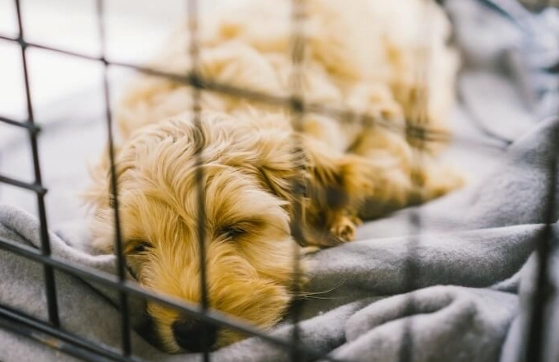
Your Crate Training Overnight Questions, Answered
The journey of crate training a puppy overnight is a short-term investment with a massive long-term payoff. It requires patience, consistency, and a willingness to ignore some heart-tugging noises. But the result—a dog who sees their crate as a safe haven, and a household that gets a full night's sleep—is worth every moment of those first few tricky nights. Start with daytime positivity, master the setup, follow the steps, and you'll transform the crate from a source of stress into the cornerstone of your puppy's confidence and your sanity.





Leave a comment