In This Guide: Navigating Dog Diarrhea
- The "Why" Behind the Mess: Common Causes of Dog Diarrhea
- The Critical Timeline: When to Wait and When to Call
- What the Poop Itself Is Telling You (The Unpleasant but Necessary Analysis)
- Home Care: What You Can Safely Do (And What to Avoid)
- What Happens at the Vet? (So You Know What to Expect)
- Recovery and Getting Back to Normal
- Common Questions Dog Owners Ask (FAQs)
Let's be honest, cleaning up dog diarrhea is nobody's idea of a good time. It's messy, it smells, and more than anything, it makes you worry. Is this just a little tummy upset, or is it something serious? That's the million-dollar question every dog owner faces. You find yourself searching online, typing things like "how long to worry if a dog has diarrhea" because you need a clear answer, not just vague advice.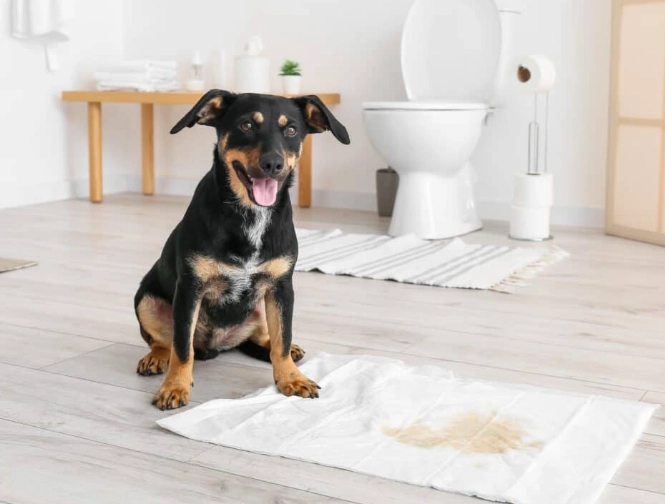
I've been there. My own Labrador, Buddy, has had his share of digestive adventures after getting into who-knows-what in the backyard. The panic is real. So, let's cut through the noise and talk about what really matters: when you should be concerned, when you can manage it at home, and the clear signs that mean a trip to the vet is non-negotiable.
This isn't just a list of symptoms. It's a practical, step-by-step guide based on what vets actually look for and what I've learned from my own expensive mistakes (trust me, I've paid the emergency vet bill for what turned out to be minor gas). We'll cover everything from the color and consistency of the poop (yes, we're going there) to the exact timeline that separates a wait-and-see situation from a red alert.
The "Why" Behind the Mess: Common Causes of Dog Diarrhea
Before we can figure out how long to worry, we need to understand why it's happening. Think of it like detective work. The cause often points directly to the urgency.
Most of the time, it's something simple. Dogs are curious, and their mouths are their primary tool for exploration. The usual suspects include:
- Dietary Indiscretion: This is a fancy vet term for "eating something they shouldn't have." Garbage, spoiled food, a dead thing they found on a walk, a sudden change in dog food, or even too many rich treats. This is probably the top cause.
- Mild Stress or Anxiety: A car ride, a new person in the house, boarding, or even a thunderstorm can upset a sensitive dog's stomach.
- Parasites: Giardia, roundworms, hookworms, and coccidia are common culprits, especially in puppies or dogs who drink from puddles.
- Bacterial Infections: Like Salmonella or E. coli, often from contaminated food or water.
But sometimes, the cause is more serious and needs immediate attention. These are the ones that really shorten the timeline for "how long to worry if a dog has diarrhea."
- Foreign Body Obstruction: If your dog swallowed a toy, sock, or piece of a bone that's now blocking their intestines. Diarrhea (sometimes with vomiting) can be an early sign before complete blockage.
- Toxic Ingestion: Eating chocolate, xylitol (found in sugar-free gum), certain plants, or human medications. The American Veterinary Medical Association (AVMA) maintains crucial resources on common pet toxins.
- Underlying Diseases: Conditions like pancreatitis, kidney or liver disease, inflammatory bowel disease (IBD), or certain cancers can manifest with chronic diarrhea.
- Viral Infections: Parvovirus in unvaccinated puppies is a severe, life-threatening cause.
See what I mean? The "why" directly changes the "when." A bit of garbage gut might resolve in a day. Parvo needs treatment yesterday.
The Critical Timeline: When to Wait and When to Call
Okay, here's the core of it. The answer to "how long to worry if a dog has diarrhea" isn't just one number. It's a combination of time and other symptoms. Let's break it down.
The 24-Hour Rule (The Watchful Waiting Period)
If your adult dog is otherwise acting perfectly normal—still energetic, begging for food, drinking water, with no other symptoms—and has simple diarrhea, a 24-hour period of home management is often reasonable.
If the diarrhea starts to firm up and your dog remains bright and alert, you're likely on the right track. The episode is probably resolving.
The 48-Hour Red Line
This is a major checkpoint. If the diarrhea has persisted for more than 48 hours, even if your dog seems okay, it's time to call your vet. Persistent diarrhea leads to dehydration and nutrient loss, and it signals that whatever is causing it isn't self-correcting.
I made the mistake of waiting three days once with Buddy. He seemed fine, just had the runs. By day three, he was getting lethargic. The vet said we were borderline on needing subcutaneous fluids. Lesson learned: 48 hours is my personal hard limit now.
Zero-Hour Scenarios: When to Skip the Timeline and Go Now
Forget the clock. If any of the following are present alongside diarrhea, the question of how long to worry if a dog has diarrhea becomes irrelevant. You should be worried now and contact your vet or an emergency clinic immediately.
These are your non-negotiable red flags:
| Symptom | Why It's a Major Concern |
|---|---|
| Blood in the Diarrhea (bright red or dark, tarry black) | Indicates bleeding in the GI tract, which can be from severe inflammation, ulcers, parasites, or a foreign object. |
| Vomiting (especially repeatedly) | Combined with diarrhea, it dramatically increases the risk of rapid, severe dehydration. |
| Lethargy, Weakness, or Collapse | Your dog is not just tired; they are showing systemic illness. This is a huge sign they feel terrible. |
| Loss of Appetite for more than one meal | A sick dog often stops eating. A dog with a simple upset stomach usually still wants food. |
| Signs of Pain (whining, trembling, hunched back, reluctance to move) | Could indicate pancreatitis, an obstruction, or another painful abdominal condition. |
| Pale or White Gums | A sign of shock or severe blood loss/anaemia. |
| Suspected Ingestion of a Toxin | Time is critical for decontamination and treatment. |
| A Very Young, Old, or Already Sick Dog | These dogs have less reserve and can deteriorate much faster. |
See how the timeline collapses with these symptoms? If your dog has diarrhea and is vomiting, you're not wondering about 24 or 48 hours. You're calling the vet that same day, maybe that same hour.
What the Poop Itself Is Telling You (The Unpleasant but Necessary Analysis)
I know, I know. But the characteristics of the diarrhea are vital clues. It's gross, but take a quick look before you clean it up.
- Color: Yellow or greenish can indicate a rapid transit through the gut. Black, tarry stool (melena) means digested blood, often from the stomach or upper intestines. Bright red blood (hematochezia) usually points to the lower colon or rectum.
- Consistency: Is it purely liquid, or is it soft-serve? Watery diarrhea is more urgent than a cow-pie consistency. The presence of mucus is often a sign of colon inflammation.
- Frequency: Is it one large episode or small, frequent, urgent squirts? The latter is more stressful for the dog and indicates more severe colon involvement.
This info is gold for your vet. Seriously, they'll ask. Maybe even show a photo if you can stomach it (no pun intended). It helps them narrow down the location and potential cause of the problem.
Home Care: What You Can Safely Do (And What to Avoid)
Let's say your dog fits the 24-hour watchful waiting category. Here's a practical, safe home care plan. I'm not a fan of overcomplicating this.
- Fast: No food for 12 hours. Water is a MUST. If they won't drink, you can try offering ice cubes or low-sodium chicken broth (onion-free).
- Reintroduce Food: After 12 hours, offer a small amount of bland food. The classic is 1 part lean boiled protein (chicken breast, turkey, lean ground beef) to 2 parts simple carbohydrate (white rice, plain pasta, or boiled potato). Canned 100% pumpkin (1-4 tablespoons depending on dog size) is great for adding fiber to help firm things up.
- Feed Small & Often: Give a few tablespoons every 3-4 hours instead of one or two big meals.
- Transition Back: Once stools are normal for 1-2 days, gradually mix their regular food back in with the bland diet over 2-3 days.
Now, for the love of all that is good, do not give your dog human anti-diarrheal medication like Imodium (loperamide) unless your vet explicitly tells you to. For some dogs and some conditions (like certain toxin ingestions), it can be dangerous. It's not a one-size-fits-all solution.
Probiotics designed for dogs can be helpful to restore gut flora. Plain, live-culture yogurt might offer a bit of help, but a dog-specific probiotic is more targeted. Always ensure they are drinking. Dehydration is the primary danger of prolonged diarrhea.
What Happens at the Vet? (So You Know What to Expect)
If you've crossed that 48-hour line or seen any red flags, you're headed to the vet. It's helpful to know what they might do, so you're not stressed by the process.
First, they'll get a detailed history from you: when it started, what the poop looks like, any vomiting, what your dog might have eaten, any changes in behavior. Then comes the physical exam—checking gums, feeling the abdomen, listening to the heart and gut sounds.
From there, they might recommend diagnostics. This isn't them trying to run up a bill; it's them trying to find an answer. Common tests include:
- Fecal Exam: To check for parasites, bacteria, or hidden blood.
- Bloodwork: A complete blood count (CBC) and chemistry panel to check organ function, hydration status, and look for signs of infection or pancreatitis.
- X-rays or Ultrasound: To look for foreign objects, blockages, or abnormalities in the shape of the intestines or other organs.
Treatment depends entirely on the diagnosis. It could be as simple as a dewormer and a probiotic. It could involve:
- Fluid Therapy: Subcutaneous (under the skin) or intravenous (IV) fluids to rehydrate them. This is often the most important step.
- Medications: Anti-parasitics, antibiotics for bacterial infections, anti-nausea drugs, or gut protectants.
- Prescription Digestive Diet: Vets often use highly digestible, therapeutic diets to help the gut heal. The American Animal Hospital Association (AAHA) guidelines emphasize the role of nutrition in managing gastrointestinal issues.
- Hospitalization: For severe cases like parvo or obstructions requiring surgery.
The cost can vary wildly, which is why pet insurance or a savings fund is a lifesaver. A simple workup and medication might be a couple hundred dollars. Surgery for an obstruction can run into the thousands.
Recovery and Getting Back to Normal
Once the cause is addressed, recovery usually follows. But it's not always instant.
For a simple dietary indiscretion, you might see solid poop within 2-3 days of starting the bland diet. For more serious issues like a parasite infection or a bout of pancreatitis, it might take a week or more of medication and a special diet for stools to fully normalize.
The key is patience and following your vet's instructions to the letter. Don't rush to give treats or switch back to regular food too quickly. You'll just set back the recovery.
Keep an eye on energy levels and appetite. A return to normal behavior is the best sign that your dog is feeling better, even before their poop is perfect.
Common Questions Dog Owners Ask (FAQs)
The bottom line is this: trust your gut. You know your dog better than anyone. If your instinct is screaming that something is wrong, even if they've only had diarrhea for a short time, listen to it. It's always better to call the vet and be told it's minor than to wait and let a major problem get worse.
Bookmark this page. Share it with other dog owners. And next time you're faced with the mess and the worry, take a deep breath, run through this guide, and you'll have a much clearer idea of your next step. Your dog is lucky to have an owner who cares enough to look for answers.

Leave a comment