You've seen the droppings in the garage, heard the scratching at night, and now you're staring at a shelf of rat poisons, wondering if any of them won't land your dog or cat in the emergency room. I get it. As someone who's worked with pet owners for over a decade, I've handled too many panic calls about pets and poisons. Let's cut to the chase: yes, there are rat poison options marketed as safer for pets, but the label "pet-safe" can be misleading. It's not about finding a magic bullet; it's about understanding risks, choosing wisely, and using products correctly. This guide dives deep into what actually works, what doesn't, and how to protect your furry family without losing your mind.
Jump Straight to What Matters
The Hidden Dangers of Conventional Rat Poisons
Most traditional rat poisons are anticoagulant rodenticides. They work by preventing blood clotting, causing internal bleeding in rodents over days. Sounds grim? It is. And it's just as dangerous for pets. Here's the kicker: even if you place poison where your pet can't reach it, secondary poisoning is a real threat. Your cat catches a sick rat, your dog sniffs a dead one in the yard—next thing you know, they're showing symptoms.
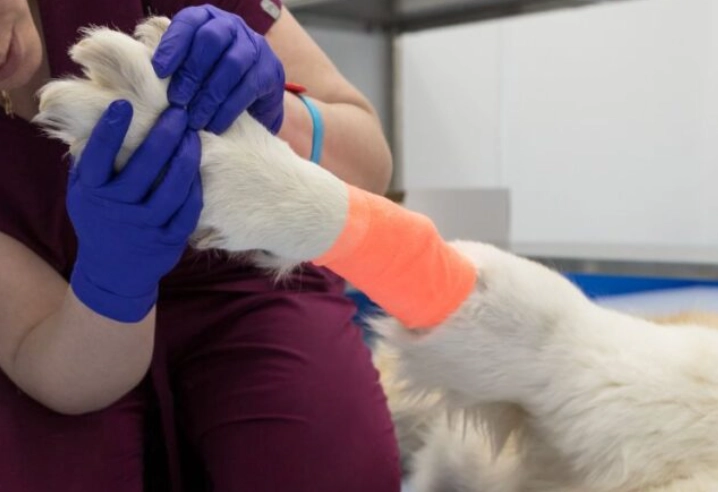
I remember a case from a few years back. A client's Labrador retriever ate a rodent that had ingested bromadiolone, a common anticoagulant. The dog seemed fine for two days, then collapsed. We caught it in time with vitamin K therapy, but the vet bill topped $2,000. The owner had no idea the poison could travel up the food chain.
Common Toxic Ingredients to Avoid
Steer clear of products containing these if you have pets:
- Brodifacoum: Highly toxic, long-lasting in the body. A tiny amount can harm a small dog or cat.
- Bromadiolone: Similar risks, often found in popular brands like d-CON (though some formulations have changed).
- Zinc phosphide: Releases toxic gas in the stomach. It acts fast and has no antidote.
The American Veterinary Medical Association notes that rodenticide poisoning is a leading cause of pet emergencies. Don't rely on "bittering agents" meant to deter pets—some animals will eat anything.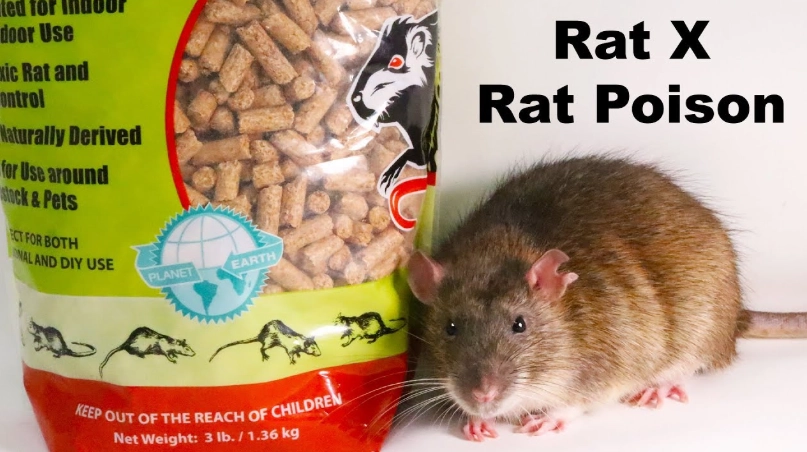
Pet-Safe Rat Control: What Actually Works
So, what are your options? Let's break it down. Pet-safe rat control isn't one-size-fits-all; it's a mix of methods tailored to your home. I often recommend an integrated approach: start with prevention, add physical traps, and use poisons only as a last resort, opting for the least toxic ones.
| Method | How It Works | Pet Safety Level | Best For |
|---|---|---|---|
| Snap Traps | Kills rodents instantly with a spring mechanism. | High (if placed out of reach) | Small infestations; homes with curious pets that might avoid stations. |
| Live Traps | Captures rodents alive for release. | High | Ethical control; areas where pets can't access traps. |
| Electronic Traps | Zaps rodents with electricity. | High (but keep pets away) | Indoor use; quick disposal. |
| Natural Repellents (e.g., peppermint oil) | Deters rodents with scent. | Very high | Prevention; mild problems. |
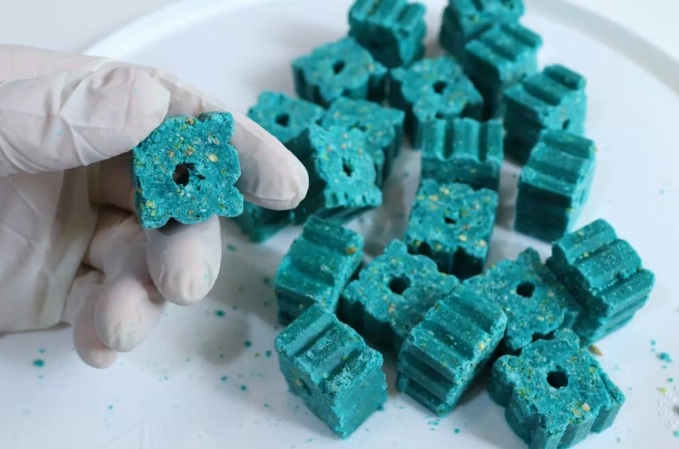
| Pet-Safe Baits (e.g., with cholecalciferol) | Uses vitamin D3 to cause calcium imbalance. | Moderate (safer than anticoagulants) | Severe infestations; used in secured stations. |
Natural repellents like peppermint oil sprays are popular, but let's be honest—they often fail against determined rats. I've seen homeowners swear by them, only to find nests behind the walls. For serious problems, you might need baits. Products with cholecalciferol (vitamin D3) are considered pet-safe alternatives because they're less likely to cause secondary poisoning and have a known antidote (steroids and fluids). Brands like EcoClear's RatX use corn gluten and salt, which dehydrate rodents but are non-toxic to pets. However, RatX requires rodents to eat it exclusively for days, which isn't always practical.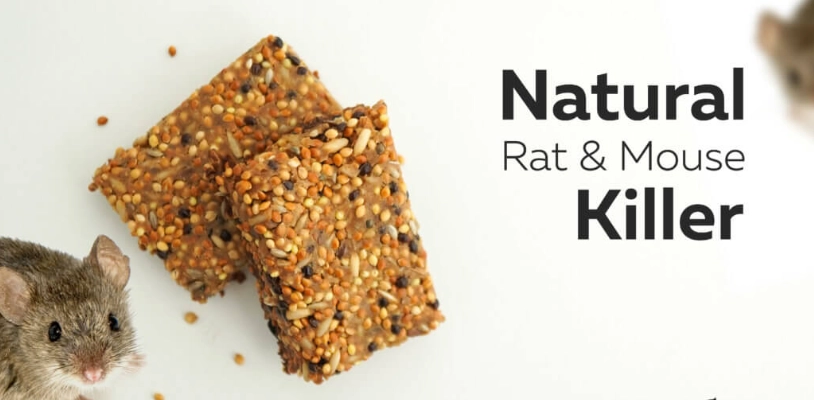
Pro tip: Many "green" poisons boast safety, but read the fine print. Some contain boric acid, which can still harm pets in large doses. Always check the active ingredient, not just the marketing.
Choosing the Right Product: A Buyer's Guide
Walking down the pest control aisle can be overwhelming. Here's how to pick without regret. Focus on three things: your pet's behavior, the infestation level, and your willingness to monitor.
Key Factors to Consider
- Pet Type: Cats are agile and might access high places; dogs are scavengers. For cats, avoid loose baits entirely—use secured stations. For dogs, choose stations with tamper-resistant designs.
- Infestation Severity: A few droppings? Try traps first. Dozens of rats? You might need baits. In my experience, combining snap traps with a pet-safe bait in stations works best for moderate issues.
- Indoor vs. Outdoor: Outdoors, risks multiply. Use weather-resistant stations and place them under structures. Indoors, keep baits in basements or attics where pets don't go.
- Budget: Pet-safe options can cost more. Snap traps are cheap ($5-10 each), while electronic traps run $30-50. Baits like EcoClear cost around $20-30 per container. Weigh this against potential vet bills.
I'm not a fan of ultrasonic repellents for severe problems. A study by the University of Nebraska-Lincoln found they have limited range and rodents can adapt. Save your money for something proven.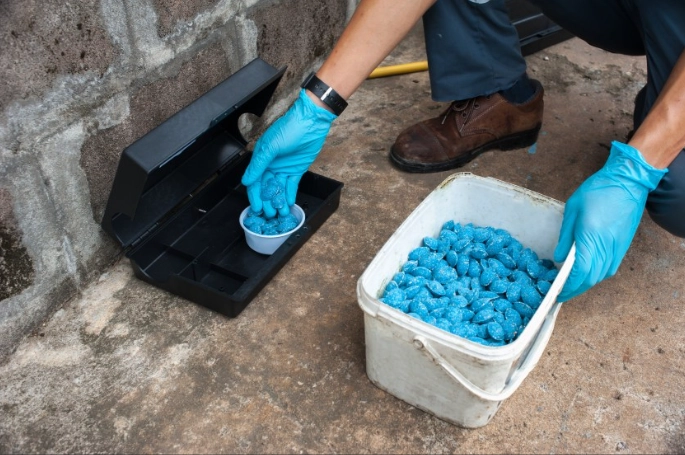
Step-by-Step: How to Use Rat Poison Safely with Pets in the House
Let's say you've opted for a pet-safe bait like cholecalciferol. Here's a realistic plan to minimize risk. This assumes you have a dog and a cat, and the rats are in the garage.
- Contain Your Pets: On the day you set up, keep pets in another room or outside. Distract them with a treat—it buys you time.
- Use Secure Bait Stations: Never place loose pellets. Buy stations labeled "tamper-proof" (e.g., from brands like Protecta). They have small openings that pets can't fit into. I like the ones with clear lids so you can check bait without opening.
- Place Strategically: Put stations along walls where rats travel, but away from pet areas. In the garage, tuck them behind tools or under shelves. Avoid near food or water bowls.
- Monitor Daily: Check stations every day. If bait is gone, replenish. If not, move them. Watch for dead rodents—remove them immediately with gloves to prevent pet access.
- Limit Duration: Use poison only until the infestation is under control, usually 1-2 weeks. Then switch to traps for maintenance.
- Have an Emergency Plan: Keep your vet's number and the ASPCA Animal Poison Control Center (888-426-4435) handy. Know the active ingredient in your poison.
One mistake I see: people forget about secondary poisoning. Even with pet-safe baits, if your pet eats multiple poisoned rodents, it could get sick. Always dispose of dead rodents safely—seal them in a bag and trash them outside.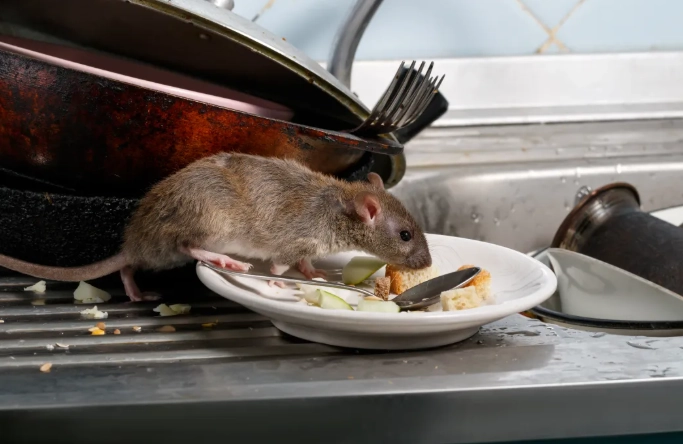
FAQ: Your Top Questions Answered
 Rat control with pets isn't easy, but it's manageable. Start with the least toxic method, stay vigilant, and never compromise on safety. Your pets rely on you to make smart choices—and with this guide, you're equipped to do just that.




Leave a comment