Quick Guide
- The Absolute No-Go Zone: Toxic Seasonings You Must Avoid
- The Safe(ish) & Sound List: Dog-Friendly Herbs and Spices
- Why Are Some Seasonings So Dangerous? The Science Simplified
- The Grey Area & Common Seasoning Blends
- How to Safely Add Flavor to Your Dog's Meals
- What If Your Dog Accidentally Eats a Dangerous Seasoning?
- Answers to Your Burning Questions (FAQ)
You're standing in the kitchen, your dog is giving you the look from the corner of the room, and you're about to sprinkle some leftover grilled chicken into their bowl. Your hand hovers over the spice rack. That chicken has a bit of garlic powder and onion salt on it. Is it okay? A tiny bit won't hurt, right?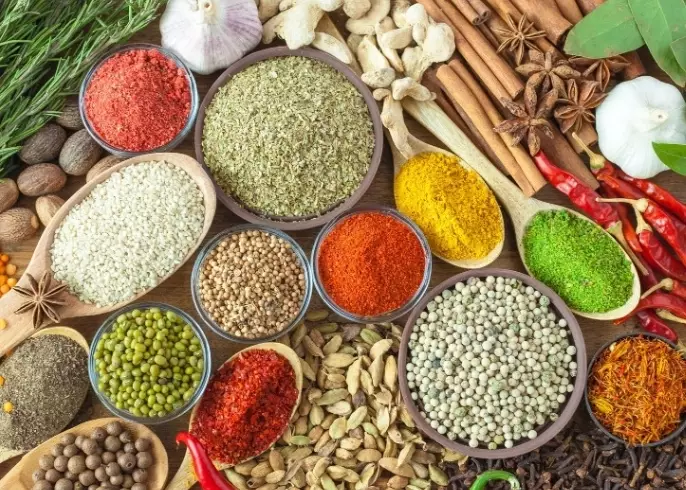
I've been there. I remember the first time my Labrador, Max, snagged a meatball that had rolled off the table. It was seasoned with what I thought was a harmless amount of onion and garlic. The panic I felt while frantically googling "are onions bad for dogs" was real. It turns out, they're really bad. That incident sent me down a rabbit hole of veterinary resources and toxicology databases, and honestly, a lot of what I found online was conflicting or just plain wrong.
Figuring out what seasoning can dogs eat isn't about being a paranoid pet parent. It's about knowing which common kitchen items are harmless flavor boosts and which are silent dangers. The line between a tasty treat and a trip to the emergency vet can be incredibly thin.
The Absolute No-Go Zone: Toxic Seasonings You Must Avoid
We should start here because this is non-negotiable. These are the ingredients that cause the most problems, and they're in everything.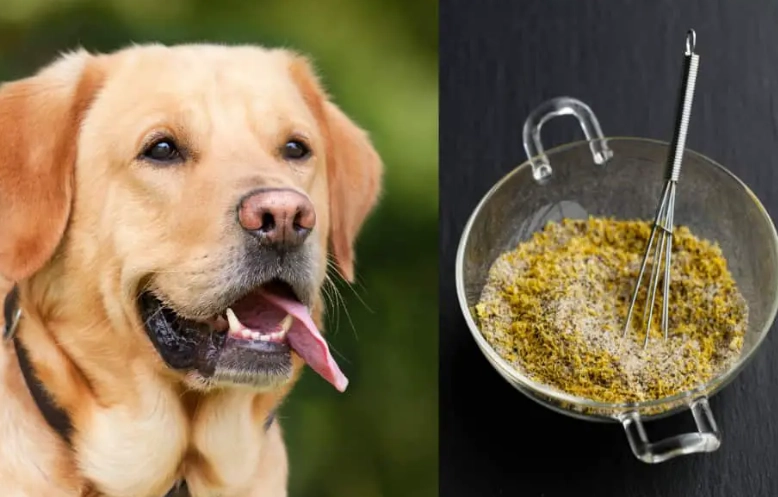
Onion & Garlic (All Forms)
This is the big one. It surprises a lot of people. Onions, garlic, leeks, chives, shallots—anything in the Allium family is toxic to dogs. It doesn't matter if it's fresh, powdered, dehydrated, cooked, or in a seasoning blend like onion salt or garlic powder.
Here's the scary part: the toxin (N-propyl disulfide) damages red blood cells, causing them to rupture. This leads to hemolytic anemia. The effects are cumulative and dose-dependent. A tiny bit once might not cause immediate illness, but it builds up over time or can cause acute poisoning in a large enough single dose.
I see people online saying "a little garlic is good for fleas!" That's outdated and dangerous advice. The ASPCA explicitly lists garlic as toxic, and the risk far outweighs any unproven folk remedy benefit. There is no safe amount of garlic or onion powder to intentionally give your dog.
Salt (Sodium Chloride)
While a tiny amount of salt is necessary for bodily functions, dogs need far less than humans. Excessive salt intake leads to sodium ion poisoning. Symptoms include vomiting, diarrhea, tremors, high temperature, and seizures. In severe cases, it can be fatal.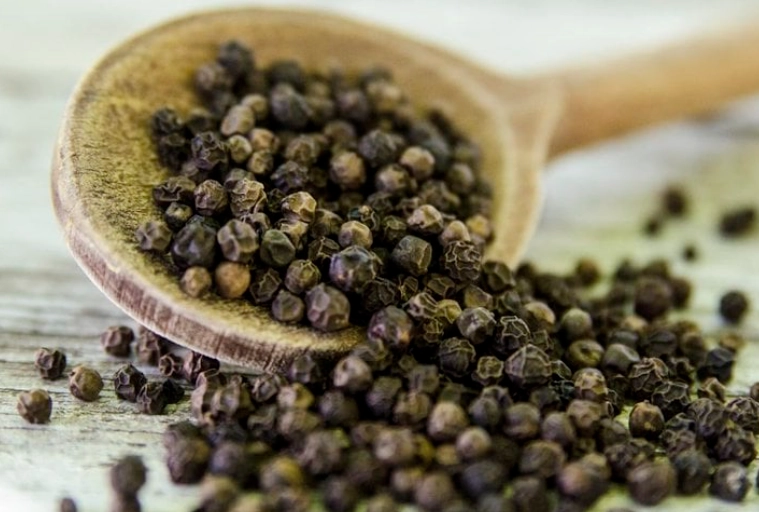
The danger with salt is often in unexpected sources: seasoned meats, chips, pretzels, processed foods, and even some broths or stocks. When you're pondering what seasoning can dogs eat, remember that plain is almost always better than salted.
Nutmeg & Mace
This holiday spice contains myristicin, which is a big problem for dogs. Ingestion can cause hallucinations, disorientation, high heart rate, high blood pressure, dry mouth, abdominal pain, and potentially seizures. It's potent stuff. That pumpkin pie or eggnog spill needs to be cleaned up fast if you have a curious pup.
Cocoa Powder (and Chocolate)
It might seem obvious, but cocoa powder is a concentrated seasoning form of chocolate's toxic component: theobromine. Dogs process theobromine very slowly, allowing it to build to toxic levels. It affects the heart, central nervous system, and kidneys. Baking chocolate and cocoa powder are the most dangerous forms.
Xylitol and Other Artificial Sweeteners
Xylitol isn't a "seasoning" in the traditional sense, but it's a flavoring agent found in sugar-free products like peanut butter, baked goods, and some sauces. It's incredibly dangerous, causing a rapid and severe drop in blood sugar (hypoglycemia) and liver failure in dogs. Always, always check ingredient lists, especially in "sugar-free" items you might consider sharing.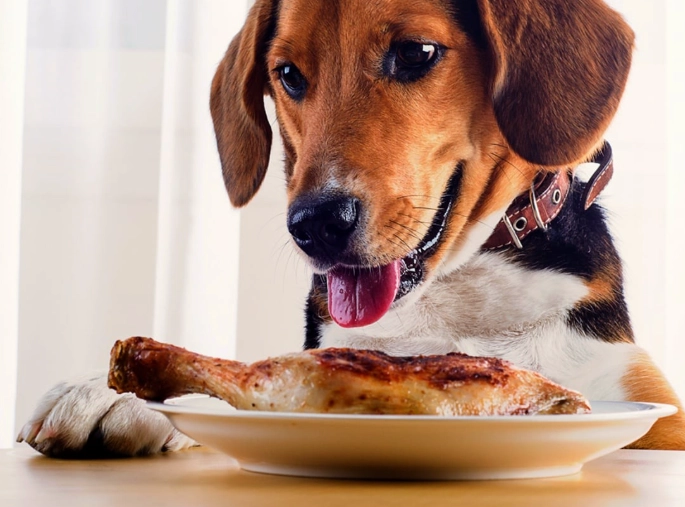
The FDA has issued clear warnings about xylitol's danger to pets. It's one of the most urgent poisoning cases vets see.
The Safe(ish) & Sound List: Dog-Friendly Herbs and Spices
Okay, deep breath. The news isn't all bad. There are quite a few herbs and spices that are generally considered safe for dogs in small, occasional amounts. The key phrases are small and occasional. We're talking a pinch to add interest to a bland meal, not a heavy seasoning.
Here’s a breakdown of the safer options. I've put this in a table because it's easier to visualize the "why" and "how much."
| Seasoning/Herb | Safety Status | Potential Benefits / Notes | How to Offer Safely |
|---|---|---|---|
| Basil | Safe | Antioxidant, anti-inflammatory properties. Fresh is best. | A few fresh leaves, finely chopped and mixed into food. |
| Parsley (curly) | Safe | Freshens breath (in small amounts!), source of vitamins. Avoid Spring Parsley (a different, toxic plant). | A small sprinkle of finely chopped fresh parsley. |
| Oregano | Safe in Tiny Amounts | Antioxidants. Can be potent and cause stomach upset if overdone. | A tiny pinch of dried oregano (think 1/8 tsp for a large dog). |
| Turmeric | Safe with Fat & Pepper | Powerful anti-inflammatory (curcumin). Poorly absorbed on its own. | Mix a tiny pinch with a fat (coconut oil) and a speck of black pepper to activate. |
| Ginger | Safe | Great for nausea and upset stomach. Anti-inflammatory. | A small slice of fresh, grated ginger or a pinch of powder in food. |
| Cinnamon (Ceylon) | Safe in Tiny Amounts | Antioxidant. Never give the essential oil. Can irritate mouth if inhaled. | A tiny sprinkle (less than 1/4 tsp for a big dog) in food. |
| Rosemary | Safe in Moderation | Antioxidant. Some sources caution against large amounts for dogs with seizure disorders. | A small sprig in cooking water for homemade food, removed before serving. |
| Thyme | Safe | Can have antibacterial properties. Pleasant aroma. | A pinch of dried or a few fresh leaves, finely chopped. |
| Coriander / Cilantro | Safe | Antioxidant, may help with gas. Fresh leaves are best. | A few fresh leaves, chopped. |
| Dill | Safe | Generally safe. The plant's essential oil is more concentrated and risky. | A small sprinkle of fresh, chopped dill. |
Looking at that table, you can see the theme is moderation. These aren't meant to be dietary staples. They're occasional, minor additions. The question of what seasoning can dogs eat often comes down to: "Will this tiny amount of a simple, single-ingredient herb provide a bit of variety without risk?" For the ones above, the answer is usually yes.
Why Are Some Seasonings So Dangerous? The Science Simplified
It helps to understand the "why" so you can make better judgments about things not on these lists. Dogs metabolize many compounds differently than we do.
Their livers lack certain enzymes we have to efficiently break down specific molecules. For example, the thiosulfates in onions and garlic oxidize the hemoglobin in a dog's red blood cells, causing them to burst. A human liver handles this just fine. A dog's can't.
Similarly, theobromine in chocolate is processed slowly, allowing it to accumulate. Xylitol triggers a massive insulin release in dogs but not in humans. It's all about metabolic pathways. What's a flavor for us can be a poison for them because their bodies simply aren't equipped to deal with it.
This is why you can't just extrapolate from human food safety. The dose makes the poison, and for dogs, the toxic dose for many common things is much, much lower.
The Grey Area & Common Seasoning Blends
This is where it gets tricky. What about things like lemon pepper, taco seasoning, curry powder, or Italian herb mix?
The short answer: Avoid them.
Most commercial seasoning blends are a minefield. Let's deconstruct a typical "Italian Seasoning":
- It contains garlic powder (toxic).
- It often contains onion powder (toxic).
- It may contain salt (potentially problematic in quantity).
- The safe herbs like oregano and basil are mixed in with the dangerous ones.
You can't separate them. The same goes for steak seasoning, chili powder, bouillon cubes, gravy granules, and most marinades. They are almost guaranteed to contain onion, garlic, excessive salt, or other irritants.
My rule of thumb? If the ingredient list has more than one item, and you're not 100% sure about each one, it's not worth the risk. When you're trying to figure out what seasoning can dogs eat from your cupboard, single-ingredient spices are your only somewhat safe bet.
How to Safely Add Flavor to Your Dog's Meals
So, you want to make your dog's kibble or homemade food more exciting without the dangers. Here are some vet-recommended, safe alternatives to risky seasonings:
- Plain, Unsalted Broth: Make your own by boiling plain chicken, beef, or turkey (bones removed) in water with nothing else added. Freeze it in ice cube trays for a tasty food topper.
- Fresh Veggie Purees: A spoonful of pureed pumpkin (plain, not pie filling), steamed and mashed sweet potato, or pureed green beans adds moisture, fiber, and flavor.
- Dog-Safe "Gravy": Thicken some of the plain broth you made with a bit of cornstarch or pureed pumpkin.
- A Dab of Wet Food: Mixing in a spoonful of your dog's regular canned food is the easiest, safest flavor boost.
- A Tiny Bit of Safe "People Food": A few bits of plain, cooked chicken, turkey, or lean beef. I mean plain—boiled or baked with no oil, butter, or seasoning.
These methods add palatability and variety without introducing unknown chemicals or toxic risks. They answer the real need behind the search for what seasoning can dogs eat—the desire to make our dogs' meals enjoyable.
What If Your Dog Accidentally Eats a Dangerous Seasoning?
Don't panic, but act quickly. Time is critical.
- Identify what was eaten and how much. Get the container. Estimate the amount (a teaspoon, a tablespoon, the whole shaker?).
- Do NOT induce vomiting unless instructed by a professional. For some substances (like caustic ones), vomiting can cause more damage.
- Call for help immediately. Your options, in order:
- Call your regular veterinarian.
- Call an emergency animal hospital.
- Call the ASPCA Animal Poison Control Center (888-426-4435) or the Pet Poison Helpline (855-764-7661). These are 24/7 services staffed by veterinary toxicologists. There is a consultation fee, but it's worth it for expert, immediate guidance. They can tell you exactly what to watch for and if you need to go to the ER.
- Follow their instructions exactly. They may ask you to bring your dog in or may advise monitoring at home.
Having the ASPCA Poison Control number saved in your phone is one of the best things a pet owner can do. Seriously.
Answers to Your Burning Questions (FAQ)
Let's tackle some specific questions that pop up all the time. These are the things people really want to know.
The Bottom Line: A Simple Rule to Live By
When in doubt, leave it out. The safest and most loving answer to what seasoning can dogs eat is usually: none. Their taste buds and nutritional needs are not the same as ours. They derive pleasure from the meaty, fatty flavors of their food, not from complex spice profiles. A plain, nutritionally complete diet is the foundation of their health. The occasional safe herb or veggie puree is a bonus, not a necessity.
Your dog's health isn't the place for culinary experimentation. Stick to the known safe options, be paranoid about the toxic ones, and when you want to give them a special treat, choose a purpose-made dog treat or a bit of plain, cooked meat. It's simpler, safer, and they'll love it just as much.
After my scare with Max, I cleared a whole shelf in my spice cupboard. The onion powder, garlic salt, and everything in a blend got moved to a high, closed cabinet. The basil plant on the windowsill? That stays. It's a reminder that with a little knowledge and a lot of caution, we can keep our furry friends safe and still share our lives—and just a little bit of our kitchen's safer bounty—with them.





Leave a comment