Okay, let's be honest. You're standing in your kitchen, your cat is weaving figure-eights around your ankles, and you're holding a spoonful of that golden, savory chicken broth you just made. Those big, pleading eyes are locked onto it. You think, "It's just broth, right? How bad could it be?" Maybe you've even searched online, typing in "can cats have chicken broth everyday" because you're genuinely curious if this could be a harmless daily treat or even a way to get your finicky drinker to hydrate more.
I get it. My own cat, a fluffy menace named Tommy, becomes a different creature when he hears the can opener near a broth can. But here's the thing I learned the hard way—what seems simple is actually a bit of a nutritional minefield for our feline friends. The short, blunt answer to "can cats have chicken broth every single day?" is a cautious, vet-recommended no. Not the stuff from your pantry or the average store-bought carton, anyway. Feeding it daily, especially without careful vetting, can lead to some pretty serious health issues.
But don't worry, it's not all bad news. The desire to share this with your cat often comes from a good place—you want to spoil them, give them a tasty "human food" experience, or encourage them to drink. We can work with that. The goal is to do it safely. This guide isn't about scaring you away from chicken broth forever. It's about giving you the full picture, the real risks (not just the hyped-up ones), and a clear path to doing it right so you and your cat can enjoy the moment without any hidden worries.
Quick Guide
- The Daily Broth Dilemma: Why "Everyday" Is a Red Flag
- How to Safely Give Your Cat Chicken Broth (The Right Way)
- The Vet-Approved, Safe Homemade Chicken Broth Recipe for Cats
- When Chicken Broth Can Actually Be a Helpful Tool
- Your Chicken Broth for Cats Questions, Answered
- The Bottom Line: It's About Smart Sharing
The Daily Broth Dilemma: Why "Everyday" Is a Red Flag
Thinking about making chicken broth a daily ritual for your cat? Pump the brakes for a second. Let's break down why most vets would raise an eyebrow at that idea. It really boils down to two massive problems: what's in the broth, and what's not in a cat's natural dietary needs.
First up, and this is the big one: sodium. Salt. Commercial broths, even many labeled "low-sodium" for humans, are salt bombs for a tiny cat. Their kidneys are incredible organs, but they're designed to process the sodium found in their prey—not the concentrated levels in our soups. Consuming too much sodium regularly can lead to sodium ion poisoning. The symptoms aren't pretty: excessive thirst and urination (which you might mistakenly think is good hydration), vomiting, diarrhea, tremors, and in severe cases, seizures or even kidney damage. The ASPCA Animal Poison Control Center lists salt as a potential toxin for pets, and broth is a sneaky common source.
Watch Out For: Onions, garlic, leeks, and chives. These are absolute no-gos for cats. They contain compounds that damage red blood cells, leading to hemolytic anemia. Even powdered forms, which are common in stock cubes and many store-bought broths, are dangerous. I made this mistake once with a garlic-flavored stock cube before I knew better—thankfully, only a tiny amount got into Tommy's bowl and he was fine, but it was a serious wake-up call.
Then there are other additives. MSG, artificial flavors, preservatives like disodium inosinate… your cat's body has zero need for this stuff. Feeding a broth loaded with these daily is like giving them a side of chemical junk food with their balanced meals. It can upset their stomach and contribute to long-term inflammation.
And here's a perspective we often miss: nutritional imbalance. Chicken broth, while tasty, is not nutritionally complete. It's mostly water with some minerals, gelatin, and fat. If your cat fills up on broth, they might eat less of their actual, balanced cat food. Over time, this can lead to deficiencies. So, asking "can cats have chicken broth everyday" isn't just about immediate toxicity; it's about undermining their core diet.
The Silent Risk: Dehydration from Too Much Salt
This feels counterintuitive, right? You give liquid to help with hydration, but the high sodium can actually pull water out of your cat's cells and into the bloodstream, straining the kidneys to flush it all out. It can create a cycle of thirst and urination that looks like drinking more but is actually a stress response. For a cat with early-stage kidney issues (which are common in older cats), this extra strain is the last thing they need.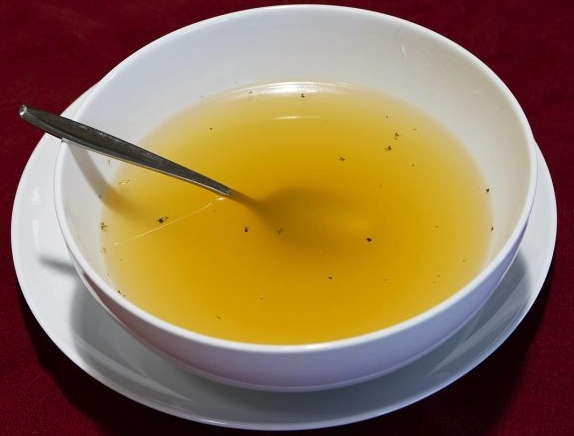
How to Safely Give Your Cat Chicken Broth (The Right Way)
Alright, so daily, store-bought broth is out. But what's in? How can you safely let your cat enjoy this treat? It comes down to three pillars: selection, preparation, and moderation.
Selection is Key: Your best bet is to make it yourself. That way, you control every single ingredient. No salt, no onions, no garlic, no mystery spices. Just chicken and water. If you must buy it, you need to become a label detective. Look for broths specifically made for pets—they exist and are formulated to be safe. If looking at human broths, the ingredient list should be incredibly short: chicken, water. That's it. Anything else, especially anything starting with "onion" or "garlic," or where "salt" is in the top three ingredients, goes back on the shelf.
Pro Tip: "Low-sodium" for humans is often still too high for cats. "No salt added" is the phrase you want to hunt for. And even then, check for those allium family veggies in all their forms (powder, extract, etc.).
Preparation Matters: For homemade broth, it's simple. Use plain chicken (bones can add flavor and gelatin but must be handled carefully to avoid splintering). Cover with water, simmer for hours, and skim off the fat. Let it cool completely and strain it so there are no bone fragments or herb pieces. The resulting clear liquid is your gold standard.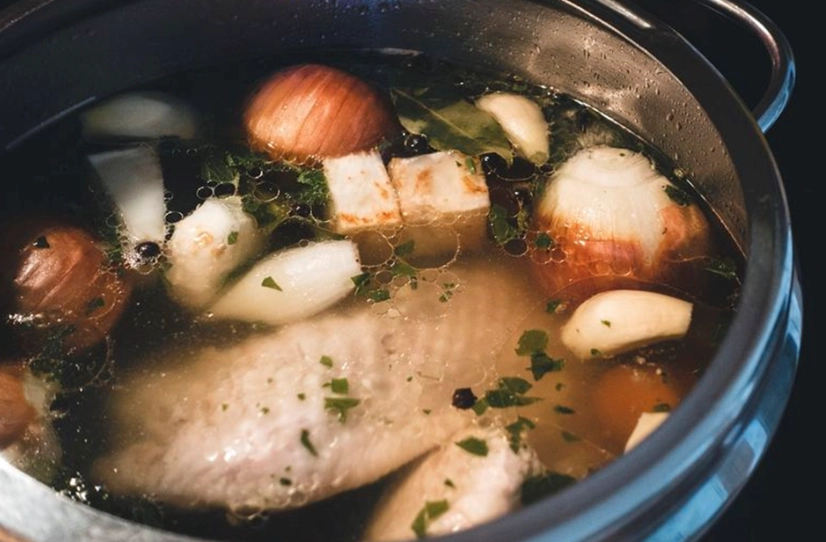
Moderation is Non-Negotiable: This is the answer to the core question of "can cats have chicken broth everyday." For a safe, homemade, or perfectly selected commercial pet broth, think of it as a treat, not a staple. A couple of times a week is plenty. The serving size should be small—think a tablespoon or two (15-30 ml) mixed into their regular water, poured over their dry food, or offered as a rare standalone lick. It should never replace a significant portion of their meal or their main source of water.
Here’s a quick comparison to visualize the safe vs. risky paths:
| Broth Type | Sodium Content | Toxic Risk (Onion/Garlic) | Additives/Preservatives | Verdict for Daily Use |
|---|---|---|---|---|
| Regular Store-Bought (Human) | Very High | High Likelihood | Yes, often multiple | Absolutely Not |
| "Low-Sodium" Store-Bought (Human) | Moderate to High | Moderate Likelihood | Common | Not Recommended |
| Pet-Specific Broth | Formulated to be Low | None (if reputable brand) | Minimal, if any | Occasional Treat Only |
| Homemade (No Salt/Onion/Garlic) | Naturally Very Low | None | None | Best Option; Occasional Treat |
The Vet-Approved, Safe Homemade Chicken Broth Recipe for Cats
This is the part where we solve the problem. If you want to give your cat broth, making it yourself is the ultimate way to ensure safety. It's cheaper than buying specialty pet broths, and you know exactly what's in it. Here’s my go-to, boringly simple, and perfectly safe recipe.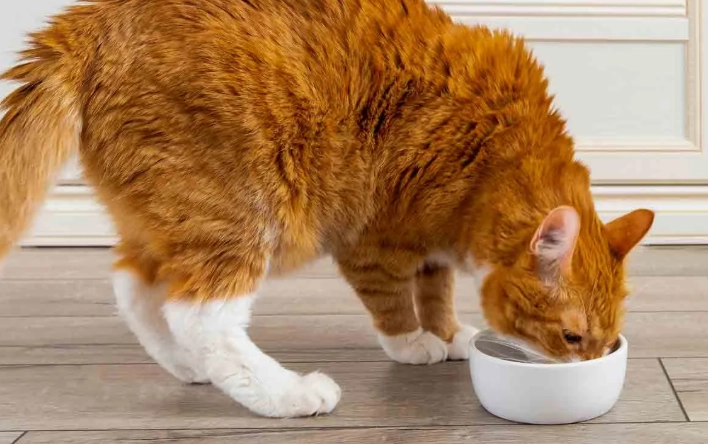
Ultra-Safe Cat Chicken Broth
Ingredients:
- 1-2 pounds of raw chicken pieces (thighs, wings, feet—feet are great for gelatin). Use skin-on for more fat/flavor, skinless for a leaner broth.
- Enough cold water to cover the chicken by about 2 inches.
- That's it. No salt. No vegetables. No herbs. No pepper. Seriously.
Instructions:
- Place the chicken in a large stockpot or slow cooker.
- Cover with cold water.
- Bring to a very gentle simmer over low heat. You do NOT want a rolling boil—that makes the broth cloudy and can emulsify fat.
- Simmer for 4-12 hours. The longer it goes, the more flavor and gelatin are extracted. A slow cooker on "low" for 8-12 hours is perfect.
- As it simmers, skim off any grayish foam or excess fat that rises to the top.
- Once done, carefully remove the chicken pieces (you can save the meat for your cat's meals if it's plain, but discard the bones after cooking as they become brittle).
- Strain the broth through a fine-mesh sieve or cheesecloth into a clean bowl to remove any tiny particles.
- Let it cool to room temperature, then refrigerate. The fat will solidify on top—you can scoop this off before serving.
- Store in the fridge for up to 5 days, or freeze in ice cube trays for perfect, portion-sized treats.
Serving Suggestion: Offer one thawed broth cube (about 1-2 tbsp) as a treat, mix a spoonful into their water bowl to encourage drinking, or drizzle a little over dry food. Start with a tiny amount to ensure it doesn't upset their stomach.
See? Simple, safe, and satisfying. This is how you can say yes to the question "can cats have chicken broth" with a clear conscience.
When Chicken Broth Can Actually Be a Helpful Tool
Despite all the warnings, plain, safe chicken broth does have some legitimate uses in a cat's life. It's not all risk.
The Hydration Helper: This is the big one. Some cats are notoriously bad drinkers. Adding a teaspoon of this enticing, meaty-flavored water to their regular water bowl can encourage them to drink more. Just ensure the total sodium intake for the day remains low. For cats recovering from illness or with mild appetite loss, the smell and taste can be stimulating.
The Food Topper for Picky Eaters or Seniors: An older cat with dental issues or a diminished sense of smell might find their kibble more appealing with a little warm, fragrant broth poured over it. It softens the food and makes it easier to eat. Again, we're talking a small amount—not a soup.
A High-Value Reward: For training or medication, a lick of homemade broth from a spoon can be a fantastic, low-calorie reward compared to many commercial treats. It's a way to make a positive association without loading them up with carbs or fillers.
But in all these cases, the broth is a tool, not a dietary foundation. The mantra is: minimal, controlled, and infrequent.
Your Chicken Broth for Cats Questions, Answered
I've gotten a ton of questions from other cat owners over the years. Here are the most common ones that pop up after the basic "can cats have chicken broth everyday" query.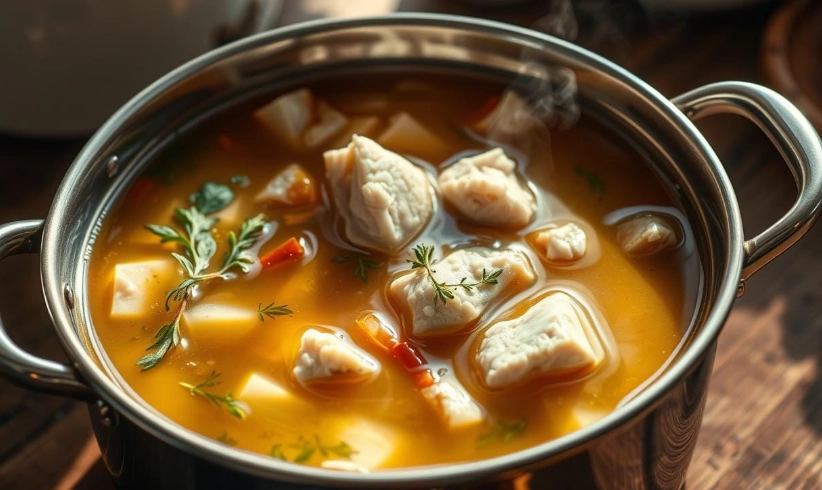
Absolutely not. Canned soups are arguably the worst offenders. They are typically very high in sodium and almost always contain onion and/or garlic powder for flavor. The risk is extremely high. Please, just don't.
Stay calm. A few licks likely won't cause harm. Remove the broth immediately. Watch for signs of vomiting, diarrhea, excessive thirst, or lethargy over the next 24 hours. Provide plenty of fresh water. If they consumed a significant amount (like lapped up a whole bowl), or if you see any concerning symptoms, call your vet or the ASPCA Animal Poison Control Center immediately. It's always better to be safe.
Bone broth (simmered longer to extract minerals and collagen from bones) can be safe and even beneficial if it's made following the same strict rules: no salt, no onions, no garlic. The long simmering must be done safely to avoid small, splintered bones in the final product. The extra gelatin can be good for joint health. The same moderation rules apply—it's a supplement, not a meal.
I'm skeptical of any product marketed for "daily" broth use. Even pet-specific broths should be used in moderation as part of a balanced diet. The American Veterinary Medical Association (AVMA) emphasizes that treats (which includes broth) should not make up more than 10% of a pet's daily caloric intake. A truly safe daily routine would involve such a tiny, measured amount that it's hardly worth the daily ritual. Occasional use is safer and more practical.
The same principles apply. The base ingredient doesn't matter as much as what's added to it. Plain, unseasoned beef or turkey broth made at home is just as viable an option. Always avoid those from the soup aisle meant for human consumption.
A Final, Critical Note: If your cat has any pre-existing health condition—especially kidney disease, heart disease, or hypertension—you must consult your veterinarian before introducing any broth, even a homemade one. Their dietary restrictions are much tighter, and the electrolyte balance is crucial.
The Bottom Line: It's About Smart Sharing
So, can cats have chicken broth everyday? The journey to that answer is more important than the word itself. The everyday habit with commercial products is a firm no. It's an unnecessary risk that piles up over time.
But the spirit of the question—can I share this comforting, tasty thing with my cat?—gets a qualified yes. A yes with rules. A yes that requires you to pause, read a label, or spend a few hours simmering a pot of plain chicken and water. The safe way to let your cat enjoy chicken broth is to make it a special, occasional treat, given in a tiny portion, made from ingredients you trust completely.
It's about shifting from an automatic daily pour to a conscious, occasional gift. That way, when your cat looks up at you with those hopeful eyes, you can confidently dip the spoon, knowing you're giving them a moment of joy without any of the hidden baggage. And honestly, that's the best feeling for any cat parent.
Remember, when in doubt about your cat's diet, your veterinarian is your best resource. They know your cat's specific health profile. For more general information on pet nutrition and toxic foods, resources like the FDA's Animal Health Literacy site and the AVMA are invaluable for any pet owner.




Leave a comment