Let's cut to the chase. Most "healthy" cat treats aren't as healthy as the packaging wants you to believe. After a decade of working with feline nutrition and watching my own cats react to everything from gourmet bites to simple homemade scraps, I've learned that the difference between a beneficial snack and a junk food habit comes down to three things: ingredients you can pronounce, portion control you actually stick to, and understanding your cat's specific needs. This isn't about scaring you away from treats—treats are fantastic for bonding and training. It's about making sure that little extra doesn't secretly undermine your cat's health. We're going beyond the marketing buzzwords like "natural" and "grain-free" to what actually matters.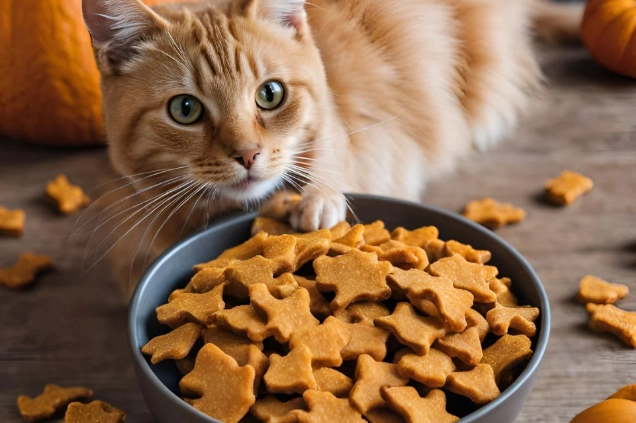
What's Inside This Guide
How to Choose Healthy Cat Treats: A Label-Reading Masterclass
Forget the flashy front of the bag. The truth is on the back, in the ingredients list and guaranteed analysis. Here's what to hunt for and what to run from.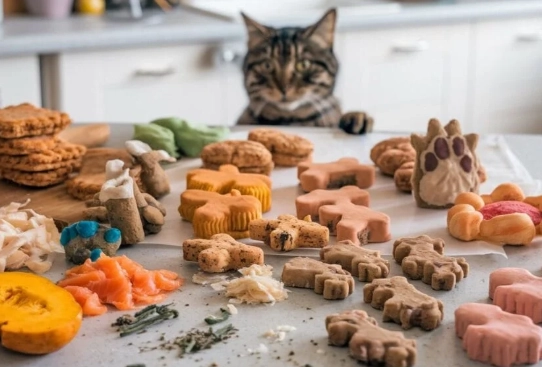
The Protein Source Must Be First. Not "chicken flavor," not "with chicken." The first ingredient should be a named animal protein: deboned chicken, salmon, duck meal. Cats are obligate carnivores. If the first ingredient is a carbohydrate like rice, corn, or wheat gluten meal, put it back. That treat is mostly filler.
Watch the Fat Content. This is a subtle one many miss. Treats are often very high in fat to make them palatable. A treat with 15%+ crude fat might be fine for a skinny, active cat but disastrous for a couch potato. Check the guaranteed analysis and mentally add those calories to your cat's day.
The Shorter the List, The Better. You shouldn't need a chemistry degree. Avoid artificial colors (Red 40, Blue 2), artificial preservatives (BHA, BHT, ethoxyquin), and unnecessary gums and thickeners like carrageenan, which has been linked to gastrointestinal inflammation in studies cited by sources like the U.S. Food and Drug Administration (FDA).
Specific Scenarios: Picking Treats for Weight Loss & Sensitive Stomachs
If your cat needs to shed pounds, the game changes completely. You need low-calorie, high-satiety options. Freeze-dried meat (chicken breast, shrimp) is perfect—it's just pure protein with almost no carbs or added fat. A single shrimp might be 2 calories. Compare that to a commercial soft treat that can be 10-15 calories each.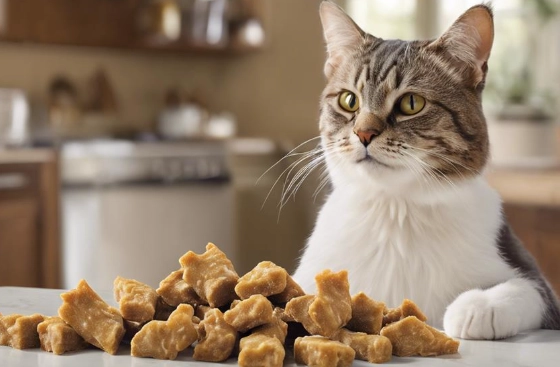
For cats with sensitive stomachs or allergies, single-protein, limited-ingredient treats are key. Think freeze-dried duck or rabbit, with literally one ingredient. Avoid anything with a long list or vague "poultry" sources.
The 3-Ingredient Homemade Cat Treat Recipe Your Cat Will Love
Making your own cat treats is easier than you think, and it gives you total control. This recipe is my cat Toby's absolute favorite. He comes running from two rooms away when he hears the food processor.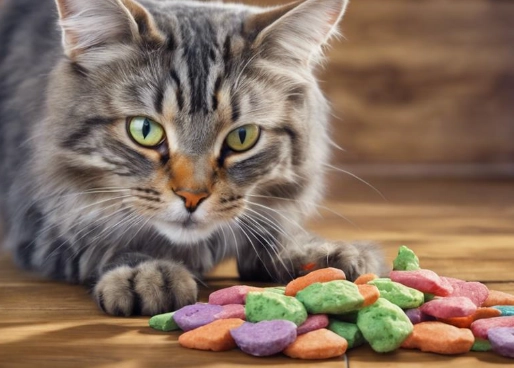
Simple Salmon Bites
- 1 can (5 oz) of salmon in water (drained, no salt added).
- 1 large egg.
- 1 cup whole wheat flour or oat flour (for a grain-free option, use chickpea flour).
Blend the salmon and egg in a food processor until smooth. Mix in the flour until a dough forms. It will be sticky. Roll it out on a floured surface to about 1/4-inch thick. Cut into tiny, pea-sized pieces (remember, these are treats!). Bake on a parchment-lined sheet at 350°F (175°C) for 12-15 minutes, until firm and slightly golden. Let them cool completely. Store in an airtight container in the fridge for up to a week, or freeze for months.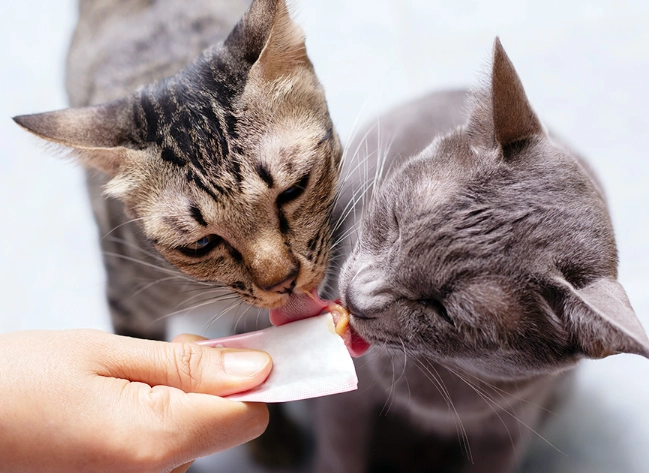
The beauty? You can modify it. Use canned tuna, chicken, or even pureed chicken liver (in very small amounts—liver is rich). The dough is forgiving.
How Much is Too Much? Avoiding Common Treat-Feeding Mistakes
This is where even well-meaning cat owners derail their cat's health. The biggest mistake isn't the treat itself; it's the portion.
The American Animal Hospital Association (AAHA) and other veterinary bodies consistently warn that treats should not exceed 10% of your cat's daily caloric intake. For an average 10-pound cat needing about 200 calories a day, that's just 20 calories from treats.
Let that sink in. Two commercial soft treats can blow that budget. You must reduce their regular meal by the calorie amount you give in treats. If you don't, you're just adding extra calories, which leads to slow, steady weight gain—the most common health issue I see.
Another subtle error: using treats as a primary food source because "it's all they'll eat." This creates a picky eater and nutritional imbalance. Treats lack the complete vitamin and mineral profile of a balanced cat food.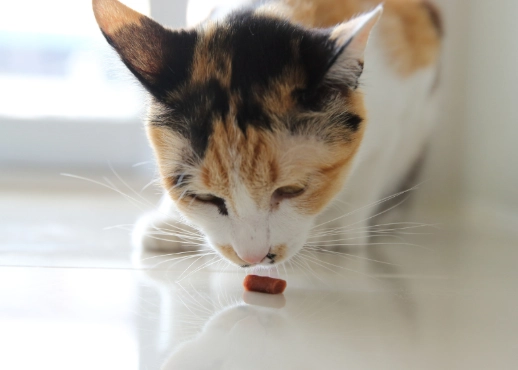
Store-Bought vs. Homemade: A Quick Side-by-Side
| Aspect | High-Quality Commercial Treats | Homemade Treats |
|---|---|---|
| Ingredient Control | Limited. You trust the brand. | Total. You choose every item. |
| Convenience | High. Open bag and serve. | Lower. Requires prep time. |
| Cost Over Time | Higher per treat. | Generally lower, especially in bulk. |
| Shelf Life & Storage | Long, stable at room temp. | Short; needs fridge/freezer. |
| Best For... | Training, quick rewards, travel. | Health-focused owners, cats with allergies, bonding activity. |
I use a mix of both. I keep a bag of single-ingredient freeze-dried chicken for quick training, and I bake a batch of homemade treats every few weeks for a special snack.
Your Cat Treat Questions, Answered
My cat is picky and ignores healthy treats like freeze-dried chicken. What can I do?
This is common if they're used to strong, artificial flavors. Try a "flavor bridge." Crumble a tiny bit of a treat they love (even a less healthy one) over the new, healthier treat. Also, try warming it slightly between your fingers to release aroma, or hydrating a freeze-dried piece with a drop of water or low-sodium chicken broth.
Are dental treats actually effective for cleaning teeth?
The Veterinary Oral Health Council (VOHC) gives seals of acceptance to products proven to reduce plaque and tartar. Look for their seal. That said, don't confuse these with true dental care. The gold standard is brushing. Think of dental treats as a helpful supplement, not a solution. Many non-VOHC approved "dental" treats are just crunchy kibble with minimal effect.
I want to use treats for training my cat to use a scratching post. How do I do it without overfeeding?
Break treats into tiny pieces, smaller than a pea. You can get dozens of rewards from one commercial treat. Use their daily kibble allowance as treats during training sessions—just measure out part of their breakfast and use those pieces as rewards. This is called using their "daily allotment," and it prevents calorie overload.
My cat has kidney disease. Are any treats safe?
This is critical. Always follow your vet's advice. Generally, treats for kidney cats need to be very low in phosphorus and protein. Specially formulated veterinary renal treats exist. Never give high-phosphorus treats like organ meats (liver, kidney) or dairy. This is a clear case where a "natural" treat can be harmful.
Can I give my cat small pieces of human food like cheese or chicken as a treat?
Plain, cooked chicken (no skin, no seasoning) is an excellent treat. Cheese is trickier—many cats are lactose intolerant, and it's high in fat. A tiny cube as a rare treat is probably fine for most, but watch for digestive upset. Never give onions, garlic, grapes, raisins, chocolate, or anything with xylitol. When in doubt, stick to plain meat.
The goal isn't perfection. It's awareness. Next time you reach for that bag of cat treats, flip it over. Scan the first three ingredients. Think about the calories. That simple 10-second check is the difference between giving your cat a loving reward and accidentally fueling a health problem. Start with one change—maybe swapping to a single-ingredient treat or trying that salmon bite recipe this weekend. Your cat's health is built one smart choice at a time.

Leave a comment