What's Inside
- Why Even Consider Asparagus for Cats? The Nutrition Angle
- The Safe Way to Feed Asparagus to Your Cat: A Step-by-Step Guide
- Potential Risks and When to Be Seriously Concerned
- Asparagus vs. Other Common Vegetables: A Quick Comparison
- Answering Your Burning Questions (The FAQ Section)
- The Final Verdict: To Feed or Not to Feed?
So, you're chopping up some asparagus for dinner, and those familiar, curious eyes are locked onto your every move. The little head tilts, a paw might reach out. You pause, spear of green veg in hand, and the question pops into your head: can cats eat asparagus? Is it a safe little treat, or are you about to make a vet-visit-inducing mistake? It's a common scene in kitchens everywhere.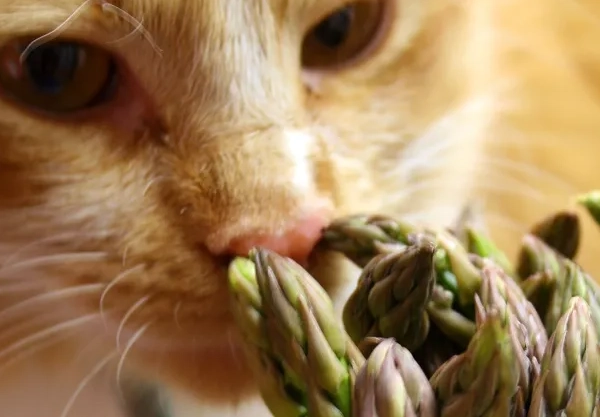
Let's cut right to the chase, because I know that's what you're here for. The short, and somewhat relieving, answer is yes, cats can eat asparagus. It's not toxic to them. The ASPCA (American Society for the Prevention of Cruelty to Animals) lists garden asparagus (*Asparagus officinalis*) as non-toxic for cats, dogs, and horses. That's a huge relief, right? You can find that on their official toxic and non-toxic plants database, which is a resource I check all the time.
Key Takeaway First: Plain, cooked asparagus is generally safe for cats in tiny, infrequent amounts. It's not a necessary part of their diet, and there are some important buts and how-tos that are absolutely critical to understand before you ever hand a piece over. Giving it wrong can cause more trouble than it's worth.
But honestly, that simple "yes" is just the tip of the iceberg. It's like saying you can drive a car – sure, but you need to know the rules of the road, what the pedals do, and when to hit the brakes. Feeding your cat any human food, even a safe one like asparagus, requires a manual. A cat's body is fundamentally different from ours. They are obligate carnivores, meaning their systems are fine-tuned to process meat, not plants. So, while can cats eat asparagus gets a green light, the questions of *should they*, *how much*, and *in what form* are where the real conversation happens.
I remember the first time I considered this with my own cat, Mochi. He's a food-motivated fiend. I had steamed asparagus, and he was giving me the look. I spent a good twenty minutes searching online, getting conflicting info, and ultimately decided to wait until I knew more. It was frustrating. That experience is why I wanted to lay it all out here – the good, the bad, the potentially messy – so you don't have to guess.
Why Even Consider Asparagus for Cats? The Nutrition Angle
Let's be real. Your cat isn't lacking asparagus in their life. A high-quality commercial cat food is formulated to be complete and balanced. So, the reason to offer a bite isn't about filling a nutritional gap. It's more about a little variety, a crunchy (or soft) texture, or the sheer joy of sharing a safe, novel bite with your buddy. Some people look at the nutrients in asparagus and think, "Hey, that's good stuff!" And it is... for humans.
Asparagus is low in calories and contains things like fiber, folate, vitamins A, C, and K. Sounds great on paper. But here's the catch – a cat's digestive system isn't designed to efficiently break down plant matter and extract those nutrients in the same way we do. Their primary source of vitamin A, for example, is from animal tissue (like liver), not beta-carotene from plants. So, the nutritional benefit your cat gets from a floret of asparagus is minimal at best.
Think of it this way: giving your cat a tiny piece of asparagus is less about nutrition and more about enrichment or a harmless snack. The fiber might have a minor effect on digestion, but it's not a substitute for proper veterinary care if your cat has digestive issues.
The bottom line? Don't feed asparagus for the vitamins. Feed it only as an occasional, tiny treat, if at all.
The Safe Way to Feed Asparagus to Your Cat: A Step-by-Step Guide
If you've decided to let your cat try asparagus, doing it safely is non-negotiable. Getting this wrong can turn a safe vegetable into a problem. Here’s exactly how to proceed, as if you were in my kitchen asking me directly.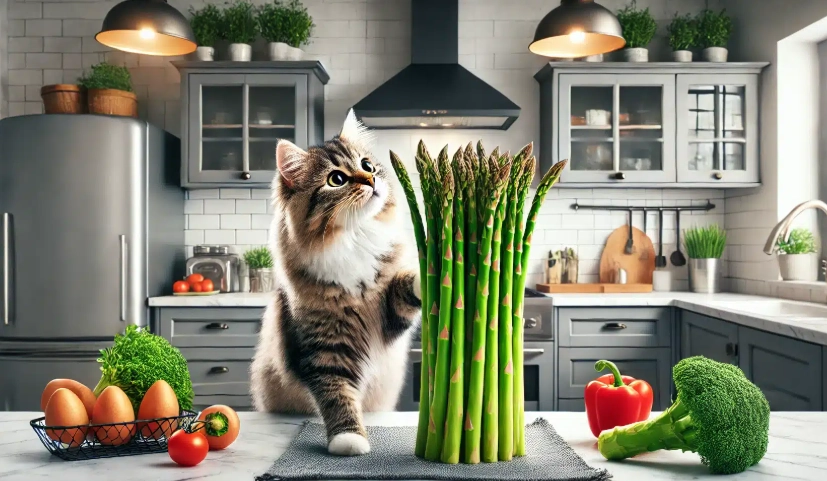
Preparation is Everything
1. Cook It, Don't Serve It Raw. This is rule number one. Raw asparagus is tough, fibrous, and difficult for a cat to chew and digest. It poses a much higher choking hazard and can cause stomach upset or even an intestinal blockage if a large, hard piece is swallowed. Steaming or boiling it without any seasoning is the only way to go. Cooking softens the stalks, making them easier to manage and digest.
2. Absolutely No Seasonings. This seems obvious, but it's worth screaming from the rooftops. No salt, no pepper, no garlic, no onion powder, no butter, no oil, no lemon juice. Many common seasonings are toxic to cats. Garlic and onion are particularly dangerous, damaging their red blood cells. Serve it plain. Bland is best and safest.
3. Cut It Up. Like, Really Small. We're not talking bite-sized for a human. We're talking pea-sized or smaller. Think "smaller than your cat's kibble." This minimizes choking risk and makes it easier on their stomach. For a small treat, a single, well-cooked spear should be chopped into a dozen or more tiny pieces.
Serving Size and Frequency: Less is More
This is where most people slip up. A treat should never make up more than 10% of your cat's daily caloric intake. For asparagus, I'd be even more conservative.
- How much? One or two of those tiny, pea-sized pieces is plenty for a single serving.
- How often? This isn't a daily thing. Once a week is frequent. Once a month is even better. It's a "once in a blue moon" curiosity, not a dietary staple.
Overdoing it is asking for digestive trouble. Their little carnivore guts just aren't built for a lot of plant material.
Pro Tip: Introduce any new food, including asparagus, in an absurdly small amount. Give them one tiny piece and wait 24-48 hours. Watch their litter box habits and overall behavior. If you see any changes (soft stool, vomiting, lethargy), you have your answer – asparagus isn't for them. Stop immediately.
Potential Risks and When to Be Seriously Concerned
Just because something is "non-toxic" doesn't mean it's "risk-free." You need to know the potential downsides to make an informed choice. Asking can cats eat asparagus is only half the question. The other half is, "What could go wrong?"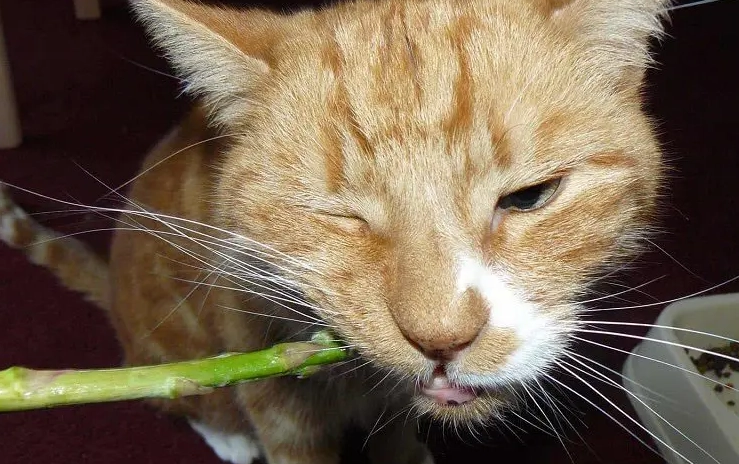
| Potential Risk | Why It Happens | What to Look For |
|---|---|---|
| Digestive Upset | A cat's system isn't designed for high-fiber veggies. Introducing it can cause gas, bloating, diarrhea, or constipation. | Changes in litter box output (softer, smellier, more frequent, or no stool), audible stomach gurgles, discomfort. |
| Choking Hazard | If pieces are too large or the asparagus is raw and stringy, it can get lodged in the throat. | Coughing, gagging, pawing at the mouth, distress, difficulty breathing. This is an emergency. |
| Intestinal Blockage | Large, tough pieces (especially raw) may not pass through the digestive tract and can cause a dangerous blockage. | Vomiting, loss of appetite, lethargy, abdominal pain, no bowel movements. This is a veterinary emergency. |
| Allergic Reaction | Though rare, cats can be allergic to anything. Asparagus is no exception. | Itchy skin, excessive scratching, swelling (especially around face/mouth), hives. |
| Urinary Issues | Asparagus contains purines, which break down into uric acid. In large amounts, this could theoretically be a concern for cats prone to urinary crystals, though evidence is not strong for small treats. | Straining to urinate, crying in the litter box, blood in urine, frequent attempts with little output. |
Look, the urinary thing worries people a lot. For a cat with a history of urinary problems (like FLUTD), I'd be extra cautious and probably skip asparagus altogether. For a healthy cat, the tiny amount in a treat is unlikely to be an issue, but it's a factor to be aware of. The Pet Nutrition Alliance, which provides resources backed by veterinary nutritionists, emphasizes that the core diet is most critical for managing such conditions. When in doubt, your vet's advice trumps anything you read online.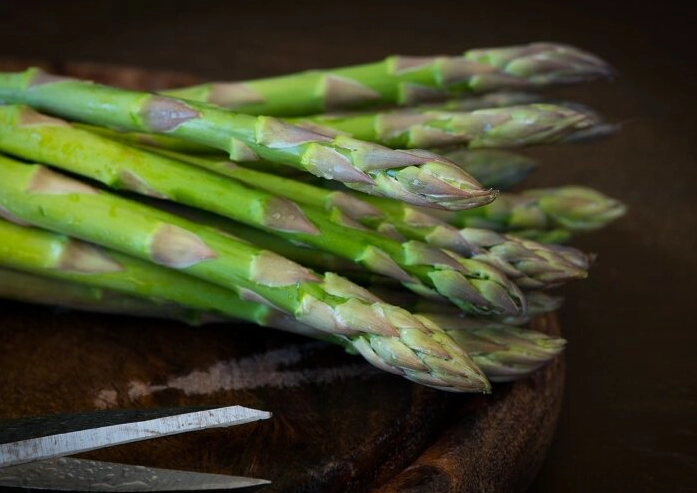
Red Flag Alert: If your cat manages to eat a large amount of asparagus, especially if it was seasoned or raw, don't wait. Contact your veterinarian or an animal poison control center immediately. It's always better to be safe. The ASPCA Animal Poison Control Center is a 24/7 resource.
Asparagus vs. Other Common Vegetables: A Quick Comparison
Maybe you're wondering how asparagus stacks up against other veggies you might have considered. Here's a blunt, at-a-glance look.
- Green Beans (plain, cooked): Often considered a safer, more commonly accepted low-calorie treat. Still, serve tiny and infrequently.
- Carrots (cooked, mashed): Okay in minuscule amounts, but high in sugars for a cat.
- Broccoli (cooked, tiny florets): Similar to asparagus – non-toxic but can cause gas. I find it smellier in the litter box afterward, personally.
- Spinach: Controversial. Contains oxalates, which in large quantities can contribute to kidney and bladder crystal formation in susceptible cats. I avoid it.
- Garlic, Onions, Chives, Leeks: TOXIC. Cause hemolytic anemia. Never, ever.
- Mushrooms (store-bought button): A confusing one. Plain, cooked white mushrooms are technically non-toxic per ASPCA, but wild mushrooms are extremely dangerous. The risk of confusion and the low benefit make me say: just don't.
See the pattern? Most veggies fall into the "technically okay but not great" or the "absolutely not" categories. Meat-based treats are almost always a better, more species-appropriate choice.
Answering Your Burning Questions (The FAQ Section)
The whole spear is technically the same plant, but the tips are softer and more tender. If you're going to give a piece, the very top of a well-cooked spear is the easiest part for them. The lower stalk is more fibrous, even when cooked. I'd stick to the tip and still chop it finely.
Don't panic. A single, small, unseasoned piece of raw asparagus is unlikely to cause major harm to most cats. Monitor them closely for the next 24-48 hours. Watch for any signs of choking (immediate distress), vomiting, diarrhea, or loss of appetite. If they seem perfectly normal, they probably are. If you see any concerning symptoms, call your vet.
NO. This is critically important. Asparagus fern (*Asparagus densiflorus* or *Asparagus setaceus*) is a common ornamental houseplant. It is not the same as the vegetable and is toxic to cats. The ASPCA lists it as toxic due to sapogenins, which can cause vomiting, diarrhea, and abdominal pain if ingested. Keep this plant far away from your feline friends.
I wouldn't recommend it. The water you boil asparagus in will contain some of the purines and other compounds leached from the vegetable. It's also likely to be bland and unappealing to your cat. Fresh, clean water is always the best hydration choice.
Not necessarily toxic, but it clearly didn't agree with them. Vomiting is a common sign of digestive upset from eating something unfamiliar or difficult to process. It's their body's way of rejecting it. Take it as a clear sign that asparagus is not a good treat for your individual cat. Discontinue feeding it.
For a healthy cat on a balanced diet, the tangible health benefits are negligible. The fiber might have a mild effect on digestion, but it's not reliable or recommended as a health supplement. Any perceived benefit is far outweighed by the potential risks if not done correctly. The primary "benefit" is the novelty and potential bonding moment of sharing a safe treat.
The Final Verdict: To Feed or Not to Feed?
After all this, where do I land? Personally, with my cat Mochi, I've let him try a tiny, pea-sized piece of steamed, plain asparagus maybe twice in his life. He sniffed it, licked it, and then looked at me like I'd betrayed him. He wanted chicken, not this green weirdness. That was the end of our asparagus experiments.
My honest opinion? For the vast majority of cat owners, the answer to can cats eat asparagus is: They technically can, but there's really no compelling reason to start. The process requires careful preparation, the risks, while small, are real, and the payoff for the cat is minimal. There are easier, safer, and more cat-appropriate treats out there.
If you are determined to try, you now have the complete guide to do it as safely as possible. Cook it plain, cut it tiny, serve it rarely, and watch like a hawk. But if you decide to just eat your asparagus yourself and give your cat a bite of their own approved cat treat instead, you're making a perfectly good – and arguably smarter – choice.
Your cat's health and safety always come first. When in doubt, skipping the human food and sticking to their regular, vet-recommended diet is the simplest and safest path. After all, they love you for the pets and playtime, not for the asparagus.



Leave a comment