Let's be honest. Plain kibble or boiled chicken breast looks, and probably tastes, pretty boring. If you've ever looked at your dog's dinner and felt a pang of culinary guilt, you're not alone. The idea of "seasoning for dogs" isn't about turning them into gourmet critics; it's about safely enhancing palatability, especially for picky eaters, and sometimes, adding a functional health boost. But here's the catch most blogs miss: "dog-safe" doesn't mean "dump it in the bowl." It's about understanding the why, the how much, and the critical difference between a sprinkle of parsley and a toxic mistake.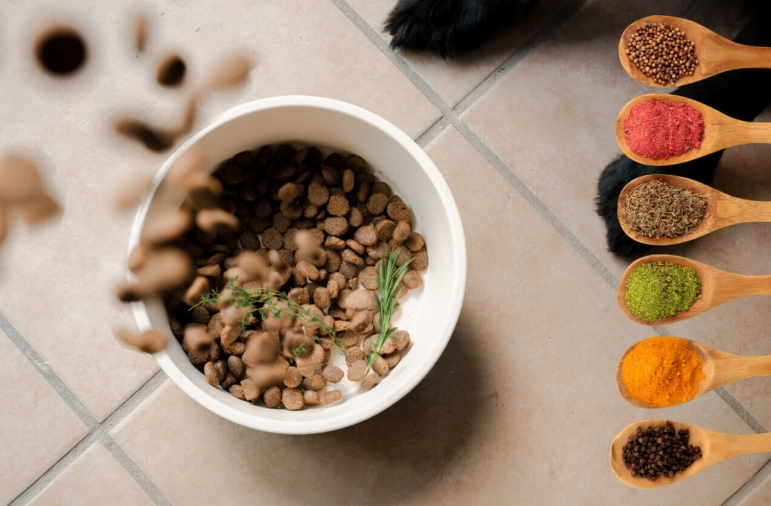
What's Inside This Guide?
The Safe List: Herbs & Spices Dogs Can Eat
Think of these as flavor enhancers with potential side benefits. The golden rule? Start with a tiny amount. A pinch for a large dog, less than a pinch for a small one. Grind dried herbs to a powder for better digestion and mix thoroughly into their food.
I learned the "tiny amount" lesson the hard way. I once got excited about turmeric's anti-inflammatory properties and gave my Labrador, Buddy, what I thought was a "small" half-teaspoon on his dinner. Let's just say the resulting orange-stained beard and slightly upset stomach were a clear message: canine dosing is different.
| Seasoning | Potential Benefit | How to Use & Precautions |
|---|---|---|
| Parsley (fresh, flat-leaf) | Freshens breath, contains vitamins. | Finely chop a few leaves. Avoid in large quantities, especially for pregnant dogs. |
| Basil | Antioxidant, anti-inflammatory. | A few fresh leaves, chopped. Dried basil is fine in a tiny sprinkle. |
| Oregano | Antimicrobial properties. | Use very sparingly (dried). It's potent. A light dusting once a week is plenty. |
| Turmeric | Powerful anti-inflammatory. | Always mix with a fat (coconut oil) and a pinch of black pepper to boost absorption. Start with 1/8 tsp for a large dog. |
| Ginger (fresh) | Can help with nausea and digestion. | Grate a tiny amount (size of a pea) into food. Not for dogs with bleeding disorders. |
| Cinnamon (Ceylon) | May help regulate blood sugar. | A tiny pinch of powder. Avoid Cassia cinnamon and never give the essential oil. |
But salt? That's a common question. A tiny, tiny amount from the food you're cooking is usually not a problem for a healthy dog. The danger is in concentrated sources like salted butter, chips, or deliberately adding table salt. Their kidneys handle it differently than ours.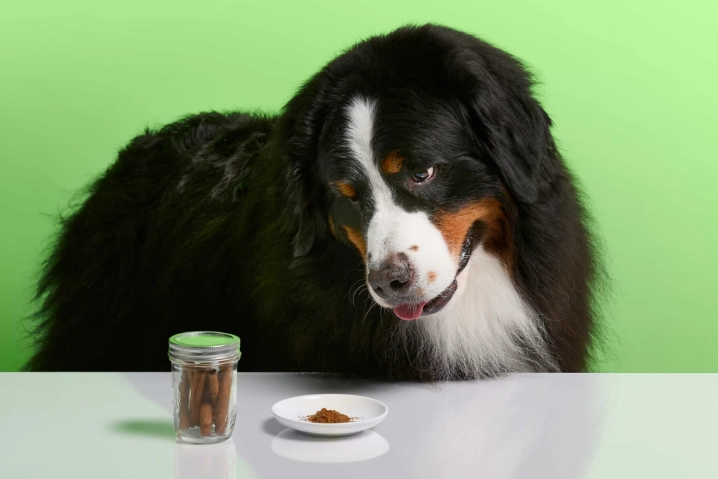
The Absolute No-Go Zone: Dangerous Seasonings
This list is non-negotiable. Some of these are so toxic that even small amounts can cause serious illness or be fatal. Never assume "a little won't hurt."
- Onion & Garlic (All Alliums): This includes powder, salt, and fresh forms. They damage red blood cells, leading to anemia. Garlic is more potent than onion. I don't care if you read an old book that says a little garlic is okay for fleas—the risk isn't worth it. Modern veterinary science is clear.
- Nutmeg: Contains myristicin, which can cause hallucinations, high heart rate, and seizures.
- Salt (in large amounts): Can lead to sodium ion poisoning—symptoms include vomiting, diarrhea, tremors, and seizures.
- Xylitol: This artificial sweetener, found in some "sugar-free" products like peanut butter, is intensely toxic, causing rapid insulin release and liver failure.
If you're ever unsure, the ASPCA Animal Poison Control Center website is an authoritative resource. Bookmark it.
How to Make Your Own Dog Food Seasoning Blend
Making a simple blend lets you control exactly what's in it. Here's a basic, functional "digestive delight" powder I make in small batches. It lasts about a month in a sealed jar in the cupboard.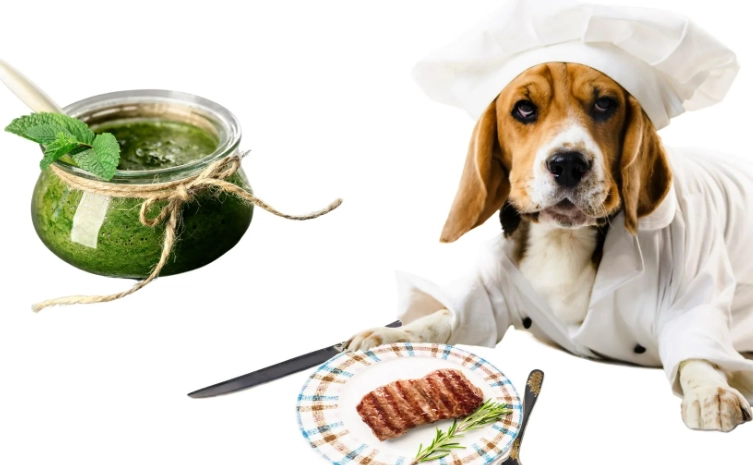
Simple Digestive Support Blend
You'll need: 2 tablespoons dried parsley, 1 tablespoon dried basil, 1 teaspoon ground turmeric, 1/2 teaspoon ground ginger, 1/4 teaspoon ground Ceylon cinnamon.
Method: Combine all ingredients in a spice grinder or mortar and pestle until you have a fine, uniform powder. Store in an airtight jar away from light and heat.
How to use it: Shake a very light dusting (think 1/16 of a teaspoon for a small dog, up to 1/8 tsp for a large dog) over your dog's meal once or twice a week. Mix it in well. This isn't a daily supplement; it's a flavor and minor functional boost.
The mistake most people make here is using it like a human seasoning. You're not coating the food. You're introducing a whisper of new flavor.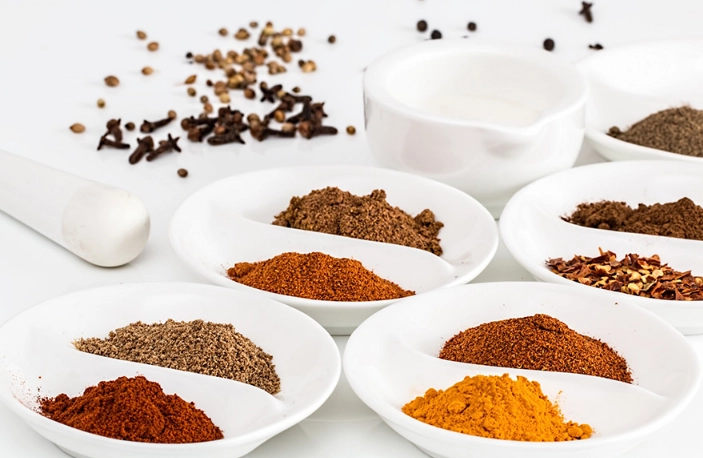
A Look at Commercial "Seasoning" & Food Toppers
The pet industry has caught on, and now there are products marketed specifically as "dog food toppers" or "meal enhancers." These are the commercial equivalent of seasonings. They come in powders, freeze-dried bits, or pastes.
When evaluating these, read the ingredient label like a hawk. You're looking for:
- Named protein sources: "Chicken liver" is good. "Animal digest" or "meat meal" is vague and less ideal.
- Minimal fillers: Avoid products where corn, wheat, or soy are the first ingredients.
- No harmful additives: Ensure there's no onion/garlic powder, excessive salt, or artificial colors.
Some reputable brands in this space include Stella & Chewy's Meal Mixers (freeze-dried raw pieces), The Honest Kitchen Pour Overs (dehydrated broths with bits), and Bernie's Perfect Poop Topper (which includes fiber and probiotics). These are more than just flavor—they add nutrition and texture.
Are they necessary? No. But for a chronically picky eater or a dog needing to gain weight, a high-quality topper can be a game-changer. It's often more effective than plain herbs because it adds real meaty flavor and smell.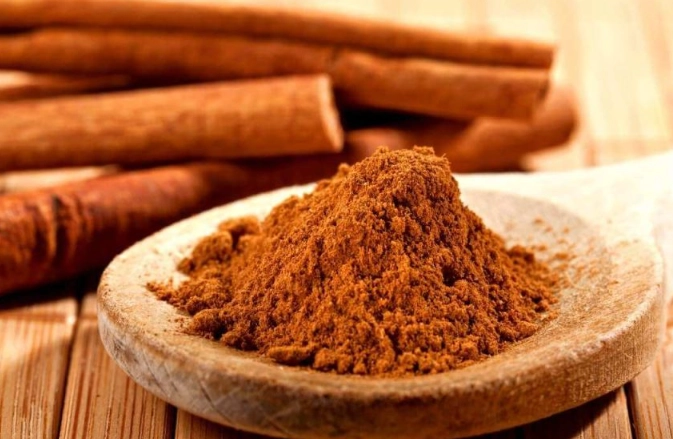



Leave a comment