You're sitting on the couch, and your cat jumps up, settles onto your lap, and starts that rhythmic push-pull motion with her paws. Or maybe she attacks a fluffy blanket with sudden, intense kneading. It's cute, but it makes you wonder. Why do cats knead, especially when it seems to come out of nowhere? Is it a sign of happiness, anxiety, or something else entirely?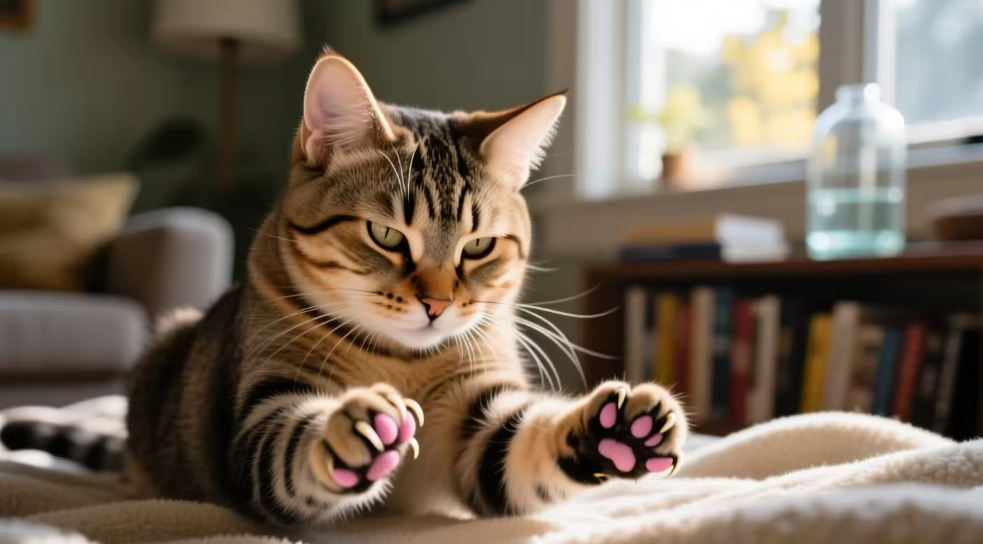
As someone who's lived with cats for over a decade and volunteered at a shelter, I've seen kneading in all its forms. The common answer is "it's a leftover behavior from kittenhood," and that's true, but it's only the first chapter of the story. That explanation doesn't cover why a cat who never kneads might start doing it tomorrow, or why the intensity changes. Let's dig deeper than the surface-level clichés.
What’s Inside This Guide?
What Exactly Is Cat Kneading?
Kneading, sometimes called "making biscuits" or "milk treading," is when a cat alternately pushes its paws in and out against a soft surface. It's a complex behavior rooted in the first days of life. Newborn kittens knead their mother's belly to stimulate milk flow. The motion releases comforting endorphins, creating a powerful association between the action and feelings of safety, warmth, and nourishment.
But here's the nuance most articles miss: adult cats don't just mindlessly repeat a baby habit. The behavior evolves. It becomes a sophisticated form of communication and self-soothing. The context—where they knead, how they knead, and when they start—tells you what they're trying to say.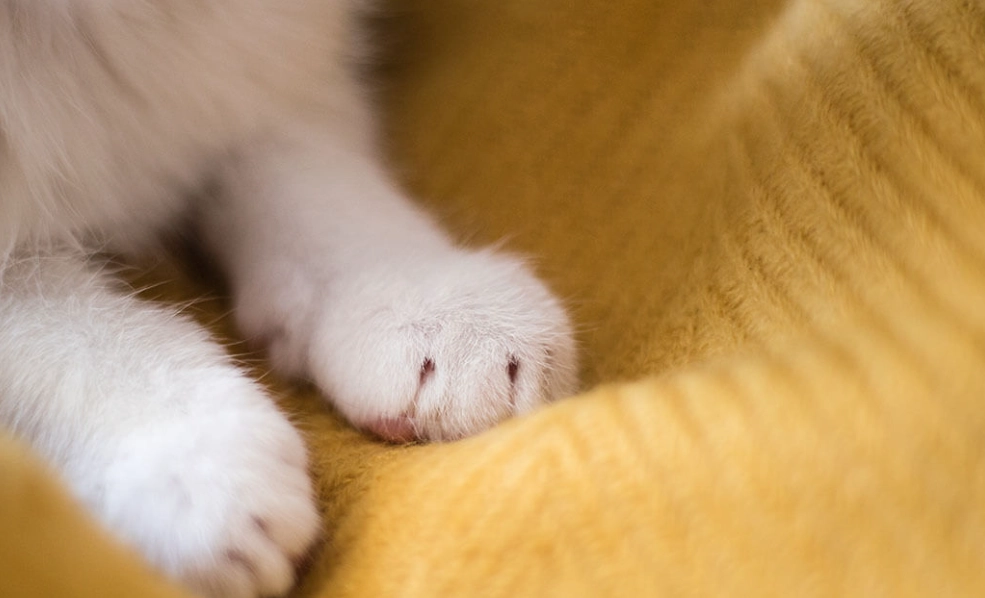
8 Reasons Your Cat Kneads (Especially When It Seems Sudden)
If your cat has suddenly become a master baker, one of these scenarios is likely playing out.
1. The Ultimate Comfort Signal
This is the big one. Kneading often means "I am supremely content and safe right here." The surface—your lap, a favorite blanket—triggers those deep-seated kitten memories of nursing. The endorphins kick in, and they zone out into a state of pure bliss. A sudden onset might mean they've finally, fully accepted a new bed or a new person (you!).
2. Territory Marking 101
Cats have scent glands in the soft pads of their paws. When they knead, they're depositing their personal scent, claiming the object (or you) as theirs. That sudden kneading on your new sweater? That's not just affection; it's a property deed. "This human is mine," they're declaring to any other pets in the house.
3. The Perfect Nesting Ritual
Think about wild ancestors. Before lying down to sleep, they'd pat down grass or leaves to create a safe, comfortable nest. Your cat kneading their bed or your comforter is executing this ancient ritual. A sudden increase in this behavior could coincide with a change in sleeping spots or a desire for more security.
4. Stretching Those Muscles
Sometimes, it's not that deep. The motion is an excellent stretch for the muscles and tendons in the legs, shoulders, and paws. After a long nap, you might see a big stretch followed by some kneading. It feels good, plain and simple.
 5. Attention, Please!
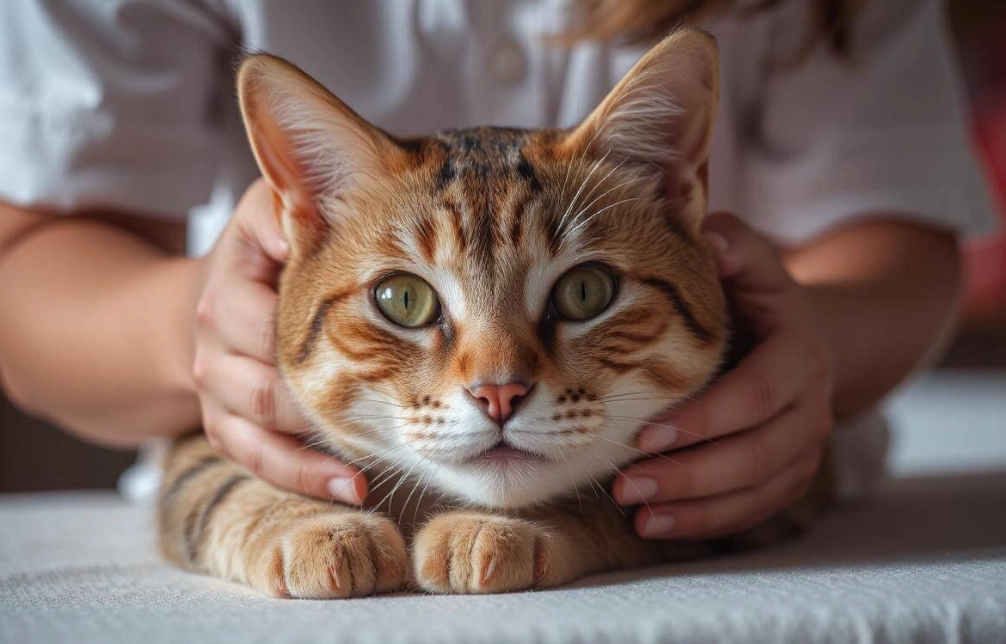
If kneading gets them pets, cuddles, or your focused attention, they'll learn to use it. A cat might suddenly start kneading on your keyboard or book because they've figured out it's the fastest way to make you interact with them instead of that glowing rectangle.
6. Heat Cycle Behavior
Unaltered female cats in heat will often knead more frequently and vocally. It's part of their restless, receptive behavioral display. If a sudden kneading spike is accompanied by yowling, lordosis posture (rear in the air), and extra affection, this is a likely cause. Spaying resolves this.
7. Underlying Discomfort or Pain
This is the critical one most owners don't consider. Kneading can be a self-soothing response to pain. Arthritis, for example, might cause a cat to knead more to gently work stiff joints. If the kneading seems focused on one area, is paired with limping, vocalizations of pain, or a general decrease in activity, a vet visit is non-negotiable. The Cornell Feline Health Center notes that changes in habitual behavior are often the first sign of medical issues.
8. Pure, Unadulterated Happiness
Yes, it's related to comfort, but it deserves its own spot. You just fed them their favorite treat. You came home after a long day. The sunbeam on the carpet is perfectly warm. The kneading is a physical expression of joy, like a human sighing in satisfaction.
Pro Tip: Watch the claws. Content kneading usually involves relaxed, sheathed claws. If the claws are out and the motion seems aggressive or anxious, the emotional context is likely different—more about stress or overstimulation.
Is Kneading Always a Sign of a Happy Cat?
Most of the time, yes. But not always. You have to read the whole body. A happy kneader is relaxed. Their eyes might be half-closed, they may purr, and their body is loose. An anxious or stressed kneader is tense. The kneading might be faster, harder, more frantic. Their ears might be flicking, their tail might be twitching, and they might stop abruptly and leave.
I had a cat who would only knead during thunderstorms. It was clearly a stress-coping mechanism, not a happy one. Context is king.
| Kneading Context | Likely Emotion | What to Look For |
|---|---|---|
| On your lap, purring, eyes closed | Contentment / Happiness | Full body relaxation, slow blinks. |
| On a blanket before sleeping | Nesting / Comfort | Circling, prolonged kneading before settling. |
| On you with intense eye contact | Attention-Seeking / Bonding | May meow, will follow you if you get up. |
| Sudden, frantic kneading on various surfaces | Anxiety or Stress | Restless body language, dilated pupils, no settling. |
| Focused on one joint area, hesitant movement | Potential Discomfort | Limping, reluctance to jump, changes in gait. |
When Should You Be Concerned About Sudden Kneading?
Kneading is rarely an emergency, but it can be a helpful clue. See your vet if the sudden kneading is paired with:
Limping or Mobility Issues: Could indicate pain from arthritis, an injury, or even a thorn in the paw.
Excessive Vocalization (Crying): Painful kneading might come with meows or yelps.
Over-grooming or Licking the Same Area: This points to localized pain or skin irritation.
A Complete Change in Personality: If your friendly cat is now hiding and kneading obsessively, something is wrong.
Signs of Heat in an Unspayed Female: If you're not planning to breed, spaying is the responsible and healthy choice, as recommended by the ASPCA.
Most often, sudden kneading is just your cat communicating in the only way they know how. It's a good sign. It means they feel secure enough with you to engage in a vulnerable, instinctual behavior.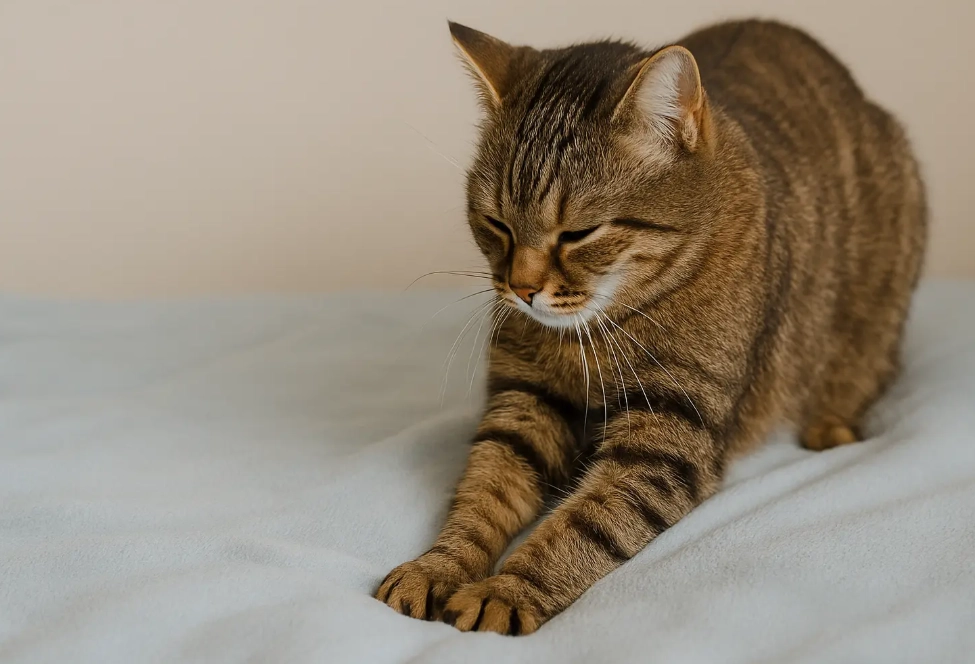
Your Top Kneading Questions Answered
Why does my cat knead and suck on a blanket at the same time?
My cat never kneaded before, but now she won't stop. Should I be worried?
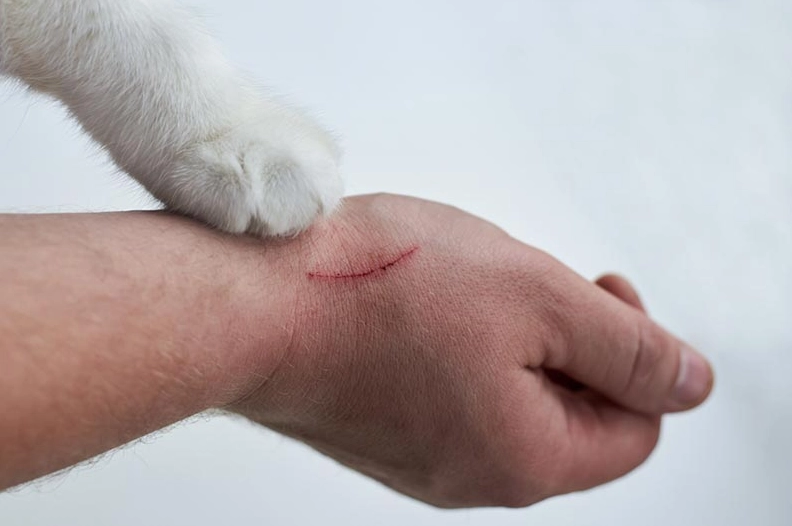
How can I stop my cat from kneading with sharp claws on my skin?
Is it true that kneading means a cat was separated from its mother too early?
Why does my cat drool when he kneads?

Leave a comment