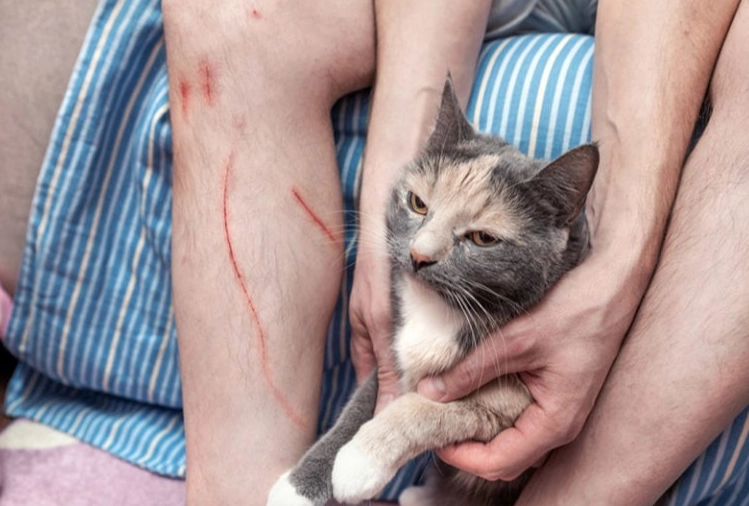
Let's be real, getting scratched by a cat happens. It's not always a sign of an angry cat; sometimes it's just an overexcited kitten during play or a nervous cat feeling cornered. I've been there myself, reaching down to pet a friendly-looking stray only to get a swift swipe. The immediate question that pops into your head is simple but urgent: how do you disinfect a cat scratch properly? The short answer is: clean it immediately with soap and water, apply an antibiotic ointment, and monitor it closely. But if you stop there, you're missing the critical details that prevent a minor nick from turning into a serious problem. This guide walks you through exactly what to do, what to avoid, and the red flags that mean it's time to call a doctor.
What You'll Find in This Guide
- Why Cat Scratches Are More Than Just a Cut
- How to Disinfect a Cat Scratch Step-by-Step
- What Are the Signs of a Cat Scratch Infection?
- When You Absolutely Need to See a Doctor
- Common Mistakes People Make (And How to Avoid Them)
- How to Prevent Scratches and Future Problems
- Your Cat Scratch Questions, Answered
Why Cat Scratches Are More Than Just a Cut
You might think a scratch from a clean, indoor cat is no big deal. I used to think that too. The reality is a cat's claw is a perfect delivery system for bacteria. When a cat scratches, it doesn't just make a clean incision like a knife. It tears the skin, pushing bacteria from under its claws and from its mouth (if it was licking them) deep into the tissue. This creates a pocket that's harder for your immune system to clean out compared to a simple cut.
The main culprit we worry about is a bacterium called Bartonella henselae, which causes Cat Scratch Disease (CSD). According to the Centers for Disease Control and Prevention (CDC), thousands of cases are diagnosed each year, many from kittens. But it's not the only risk. Other bacteria like Staphylococcus and Streptococcus can also cause localized skin infections (cellulitis).
The risk isn't uniform. A deep puncture from a claw is higher risk than a superficial graze. Scratches on the hands or near joints are trickier because of the complex structures there. And yes, scratches from kittens or stray/outdoor cats generally carry a higher bacterial load.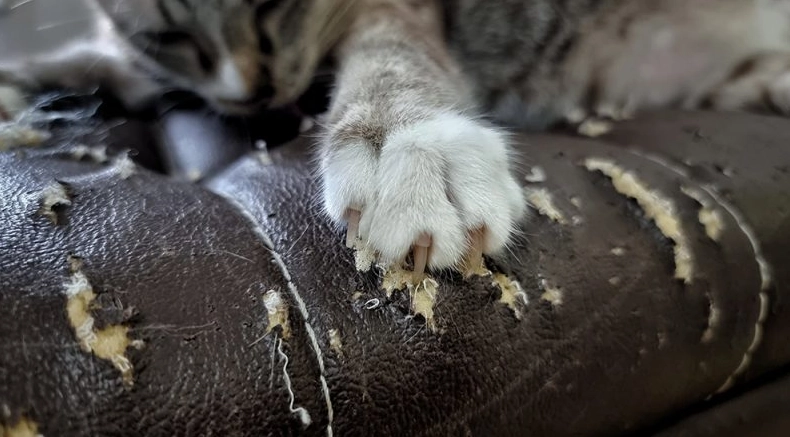
How to Disinfect a Cat Scratch Step-by-Step
Time is your most important asset here. Don't wait. Follow these steps as soon as possible after the scratch occurs.
Step 1: Stop the Bleeding and Assess
First, apply gentle pressure with a clean cloth or sterile gauze. Most cat scratches don't bleed much, but if it does, a few minutes of pressure should do it. While you're doing this, take a good look. How deep is it? Is there visible dirt or debris in the wound? Is the claw broken off? This initial assessment matters.
Step 2: The Critical Wash
This is the single most important step for disinfecting a cat scratch. Hold the wound under lukewarm running water. Use a mild soap (plain liquid hand soap is perfect) and gently lather the area for a full 60 seconds. Don't just rinse; actively wash. The goal is to mechanically flush out as many bacteria as possible. Be thorough but gentle—scrubbing aggressively can damage tissue further.
Step 3: Pat Dry and Apply Antibiotic Ointment
Use a fresh, clean paper towel or sterile gauze to pat the area completely dry. Then, apply a thin layer of an over-the-counter antibiotic ointment like bacitracin, neomycin, or polymyxin B (e.g., Neosporin). This creates a protective barrier and keeps the wound moist for better healing. Some people are allergic to neomycin, so if you know you are, stick with bacitracin or a plain petroleum jelly like Vaseline after cleaning.
Step 4: To Bandage or Not to Bandage?
For small, superficial scratches, leaving it uncovered to air dry is often fine. For deeper scratches, on the hands, or if it's in an area that will get dirty (like while gardening), cover it with a sterile adhesive bandage or non-stick gauze. Change the bandage daily, or whenever it gets wet or dirty.
What Are the Signs of a Cat Scratch Infection?
Even with perfect cleaning, infections can happen. Knowing the early signs lets you act fast. Watch the scratch and the area around it over the next 3-14 days.
Local Signs (at the scratch site):
- Increased Redness: The red area expands beyond the initial scratch line.
- Swelling & Warmth: The area becomes puffy and warm to the touch.
- Pain: The pain increases rather than gradually fading.
- Pus or Discharge: Yellow or green fluid, or increased weeping.
Systemic Signs (affecting your whole body):
- Fever: A temperature over 100.4°F (38°C).
- Fatigue: Unusual tiredness that doesn't make sense.
- Headache and Body Aches.
- Swollen Lymph Nodes: This is a hallmark of Cat Scratch Disease. Nodes near the scratch (e.g., under the arm for a hand scratch, in the groin for a leg scratch) become tender and enlarged.
When You Absolutely Need to See a Doctor
Don't play the waiting game if you see any of these red flags. Seek medical attention if:
- The scratch is very deep, won't stop bleeding, or has a foreign object lodged in it.
- You develop any of the systemic signs listed above, especially fever or swollen lymph nodes.
- The redness, swelling, or red streaks are spreading rapidly (this can indicate a serious infection moving through the lymphatic system).
- The scratch is from a cat that is unknown, appears sick, or is not vaccinated.
- You have a weakened immune system (due to conditions like diabetes, HIV/AIDS, or chemotherapy).
- The wound isn't showing signs of improvement after 2-3 days of home care.
Your doctor may prescribe oral antibiotics. For suspected Cat Scratch Disease, they might order a blood test. It's always better to get a professional opinion than to hope it goes away on its own.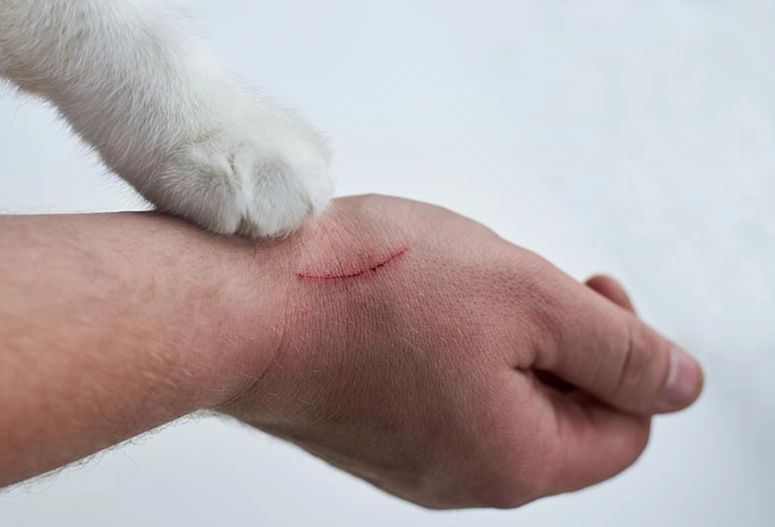
Common Mistakes People Make (And How to Avoid Them)
After years of talking to vets and doctors, I've seen the same errors repeated. Here’s what to skip.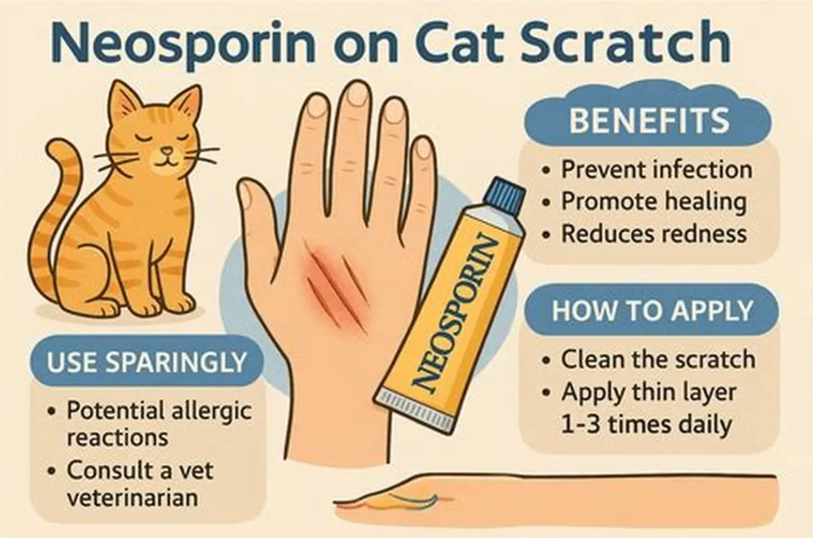
Ignoring It Because "It's Just a Scratch." This is the biggest mistake. Even tiny breaks in the skin can let in bacteria. Always clean it.
Using Rubbing Alcohol Directly on the Wound. Like peroxide, it's too harsh and causes significant tissue damage and pain. It's fine for cleaning the skin *around* a wound, but not the open wound itself.
Picking at the Scab. Let the scab form. It's your body's natural bandage. Picking it re-opens the pathway for bacteria.
Not Watching the Lymph Nodes. People monitor the scratch but forget to check the nearest lymph node basin (armpit, elbow, groin, neck). Swelling there is a key clue for CSD.
How to Prevent Scratches and Future Problems
The best treatment is prevention. This isn't just about avoiding the scratch, but also about managing your cat's health to reduce bacterial risks.
For Your Interactions: Learn cat body language. A twitching tail, flattened ears, or a stiff body means back off. Always let a cat sniff your hand first. Avoid rough play with your hands—use toys instead. Trim your cat's nails regularly. The ASPCA has great guides on how to do this safely and stress-free.
For Your Cat's Health: Keep your cat indoors. Indoor cats have far fewer encounters with disease-carrying fleas, which are the primary vector for Bartonella. Use a veterinarian-recommended flea control product year-round. This is non-negotiable for prevention. Ensure your cat gets regular veterinary check-ups.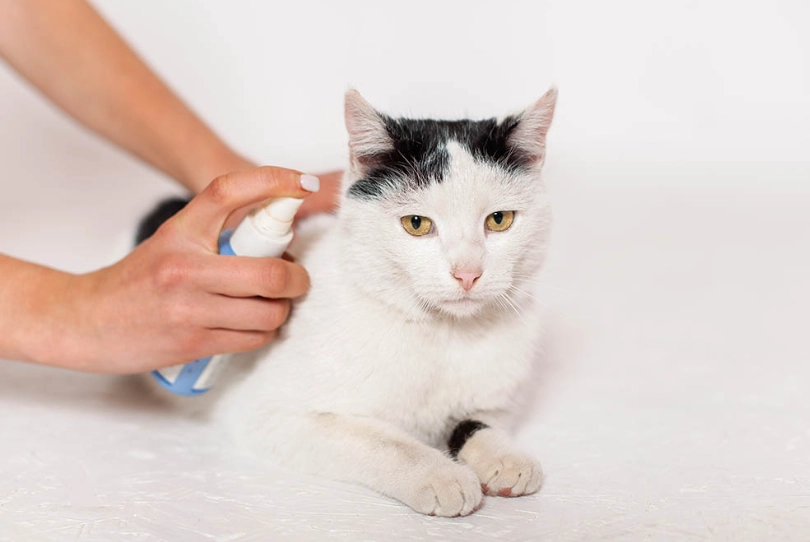
Your Cat Scratch Questions, Answered
My cat scratch is red and warm. Is this normal for the first day?
What's better for disinfecting a cat scratch: soap and water or an antiseptic wipe?
How long after a cat scratch should I worry about infection?
My kitten scratched me. Is the risk higher?
Do I need a tetanus shot for a cat scratch?


Leave a comment