What You’ll Find in This Guide
- Why is My Dog's Stomach Upset in the First Place?
- The Golden Rule: The 12-24 Hour Fast (Sometimes)
- The Bland Diet: Your Go-To Solution
- What NOT to Give Your Dog for Diarrhea
- When "What Do I Give My Dog" Becomes "I Need to Give My Dog to the Vet"
- Probiotics and Supplements: The Support Crew
- Your Dog Diarrhea FAQ
- Putting It All Together: A Step-by-Step Action Plan
Let's be honest, cleaning up after a dog with diarrhea is nobody's idea of a good time. It's messy, it's worrying, and you just want to help your furry friend feel better, fast. The question "What do I give my dog to stop diarrhea?" hits you right in the gut—pun intended. You're not alone in frantically searching for answers. I've been there too, pacing the kitchen at midnight, wondering if the pumpkin puree in the back of the cupboard is still good.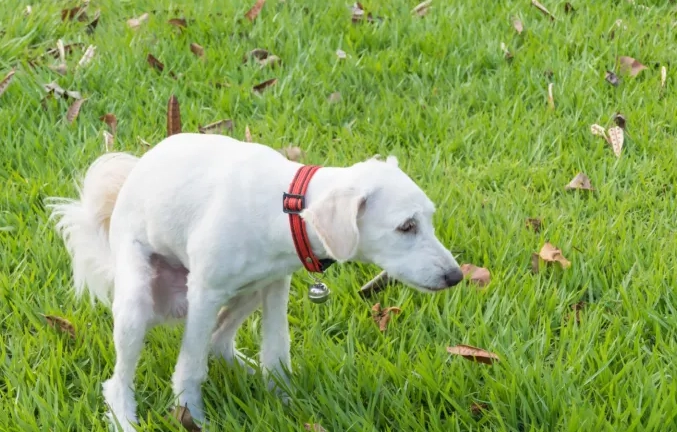
The internet is full of advice, some good, some downright dangerous. One site says rice, another says fast them completely, a forum post suggests some weird herbal concoction. It's enough to make your head spin more than your dog's digestive system. My goal here isn't to add to the noise, but to cut through it. We'll talk about what actually works, what doesn't, and most importantly, when you need to stop playing vet and pick up the phone.
Why is My Dog's Stomach Upset in the First Place?
You can't really figure out what to give your dog to stop diarrhea if you don't have a clue what triggered it. Think of it like detective work. Sometimes the culprit is obvious (like the half-eaten pizza crust they snatched from the sidewalk), other times it's a mystery.
Top 3 Common Culprits
These are the usual suspects I've seen, both with my own dogs and from talking to other owners.
- Dietary Indiscretion: A fancy term for "eating something they shouldn't have." This is the number one cause. Scavenged garbage, a sudden rich treat, a new bag of food switched too quickly, even too much grass.
- Stress or Anxiety: Dogs feel things deeply. A loud thunderstorm, a new pet in the house, a boarding kennel stay, or even a change in your work schedule can literally upset their stomach. Their gut is directly wired to their brain.
- Mild Infections or Imbalances: A temporary bug, a parasite (though these need vet treatment), or just a bacterial imbalance in the gut flora. Sometimes it's just a random blip.
Less common but more serious causes include diseases like pancreatitis, kidney issues, or inflammatory bowel disease. That's why knowing the red flags is crucial.
The Golden Rule: The 12-24 Hour Fast (Sometimes)
This is often the first step, and it's controversial for some people. The idea is to give the inflamed gastrointestinal tract a complete rest. No food going in means nothing to irritate it, allowing it to calm down and start repairing.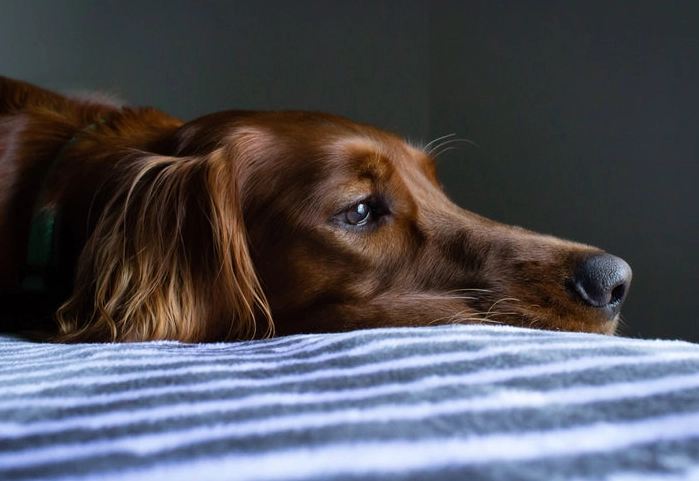
But here's my personal take: I don't always jump straight to a full 24-hour fast, especially for smaller dogs or dogs who seem genuinely hungry. Sometimes a shorter 12-hour overnight fast does the trick. The key is water. You must never, ever restrict water during this time. Dehydration from diarrhea is a real and serious danger.
So, what do I give my dog to stop diarrhea after this brief rest period? You don't just go back to their regular kibble. That's like running a marathon after being sick in bed. You need a gentle, bland diet.
The Bland Diet: Your Go-To Solution
This is the core answer to "what do I give my dog to stop diarrhea." A bland diet is easy to digest, low in fat, and binding. The classic, tried-and-true combo is plain, boiled white meat and a simple starch.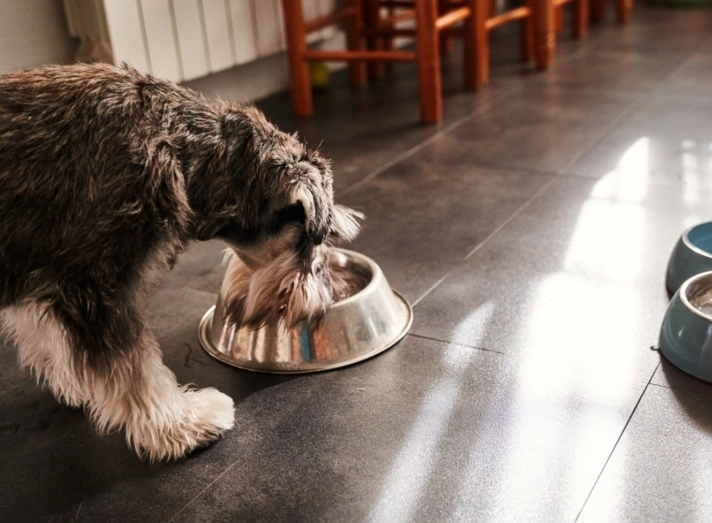
The Classic Combo: Protein + Starch
- Protein: Boiled, skinless, boneless chicken breast or lean ground turkey. No oils, no seasonings, no butter. Just boiled in water until cooked through. I sometimes save the bland broth they cook in to pour over the starch for extra hydration.
- Starch: Plain white rice (or boiled white potato for grain-sensitive dogs). White rice is easier to digest than brown. Cook it until it's a bit mushy.
The ratio is usually 1:2 (one part protein to two parts starch). You feed small, frequent meals—think 3-4 smaller portions throughout the day instead of one or two big meals.
How long? Typically 2-3 days once the diarrhea has stopped. Then you slowly transition back to their regular food over 3-4 days by mixing in increasing amounts of their old food with decreasing amounts of the bland diet.
Bland Diet Alternatives and Add-Ins
Not every dog tolerates chicken and rice perfectly. Here are some other options, and a few things you can add for an extra boost.
| Food Item | How It Helps | How to Serve & Notes |
|---|---|---|
| Canned Pumpkin (Plain, NOT pie filling) | High in soluble fiber, which absorbs excess water in the gut and firms up stool. | 1-4 tablespoons per meal, mixed into food. My dog loves it. It's a staple in my pantry. |
| Plain, Low-Fat Cottage Cheese or Plain Yogurt | Provides probiotics (live beneficial bacteria) to help repopulate the gut. Yogurt has more active cultures. | A few spoonfuls. Ensure yogurt has no artificial sweeteners (xylitol is toxic!). Some dogs are lactose intolerant. |
| Boiled, Mashed Sweet Potato | Another great source of digestible fiber and vitamins. Gentler than white potato for some. | Can replace rice. Cook until very soft and mash thoroughly. |
| Bone Broth (Low-Sodium, Onion/Garlic-Free) | Excellent for hydration and provides minerals. Soothing for the gut lining. | Serve warm instead of water, or pour over bland food. Never give cooked bones. |
I've had great success with pumpkin. It's like magic dust for firming things up. The yogurt or cottage cheese can be hit or miss—some dogs' stomachs settle right down, for others, the dairy can make things worse. Start small.
What NOT to Give Your Dog for Diarrhea
This is just as important. Well-meaning advice can backfire badly.
- Over-the-Counter Human Anti-Diarrhea Meds (Like Loperamide/Imodium): Just don't. Unless your vet specifically tells you to give a specific dose for your specific dog, this is a hard no. In some breeds (like Collies) it can be toxic, and it can mask serious symptoms, making things worse.
- Dairy Milk: Most adult dogs are lactose intolerant. Milk will likely cause more diarrhea, gas, and discomfort.
- Fatty Foods, Greasy Foods, Spicy Foods: This should be obvious, but you'd be surprised. No table scraps, no bacon grease, no pepperoni. You're trying to calm inflammation, not throw a party for it.
- High-Fiber Dog Food or Treats Abruptly: While fiber is good, suddenly loading up on it can shock the system. Introduce things like pumpkin gradually.
When "What Do I Give My Dog" Becomes "I Need to Give My Dog to the Vet"
This is the line. Home care is great for simple cases, but you are not a substitute for a veterinarian. I learned this the hard way years ago with my first dog, trying to nurse him through what I thought was a simple bug. It wasn't. Trust me, the guilt and the vet bill were much worse than an early phone call would have been.
Stop home treatment and seek immediate veterinary care if you see any of these red flags:
- Blood in the stool (bright red or dark, tarry black).
- Diarrhea accompanied by vomiting, especially if they can't keep water down.
- Your dog seems lethargic, depressed, or in pain (whining, hunched posture).
- Loss of appetite for more than 24 hours.
- The diarrhea is frequent, explosive, and watery for more than 48 hours despite bland diet.
- Signs of dehydration: dry gums, sunken eyes, loss of skin elasticity (gently pinch the skin on their neck; if it doesn't snap back quickly, they're dehydrated).
- If your dog is a very young puppy, a senior, or has a pre-existing condition like diabetes or kidney disease.
What will the vet do? They might run tests (fecal exam, blood work) to find the root cause. They may provide anti-nausea injections, fluids under the skin or intravenously to combat dehydration, and prescribe specific medications like probiotics, anti-parasitics, or gut protectants. They have tools we don't.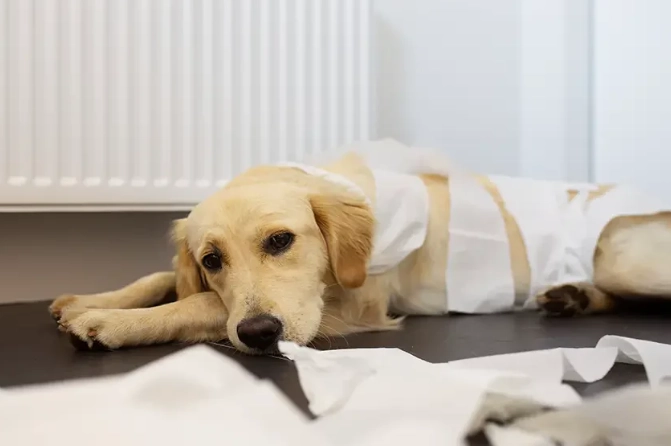
Probiotics and Supplements: The Support Crew
Once the acute phase is over, or even as a preventative, many people (myself included) swear by probiotics. They're the "good bacteria" that help maintain a healthy gut environment. Think of them as the peacekeeping force in your dog's intestines.
You can find dog-specific probiotic powders, chews, or capsules. The strain Enterococcus faecium is common and well-researched for dogs. Some high-quality plain yogurts or kefirs also work, but the concentration of specific strains is lower. I use a probiotic powder after any digestive upset and during stressful times (like fireworks season). It's made a noticeable difference in how quickly my current dog's system bounces back.
Another supplement to ask your vet about is psyllium husk powder (unflavored Metamucil). It's a soluble fiber that can help regulate stool, whether it's too hard or too soft. The dose is tiny and must be given with plenty of water.
Your Dog Diarrhea FAQ
Let's tackle some of the specific things people type into Google after "what do I give my dog to stop diarrhea."
My dog has diarrhea but is acting normal. What do I do?
This is the prime scenario for home management. Start with a short fast (12 hours), then introduce a bland diet. Monitor closely. Often, with an otherwise happy and energetic dog, it's a minor dietary hiccup that resolves in a day or two with this approach.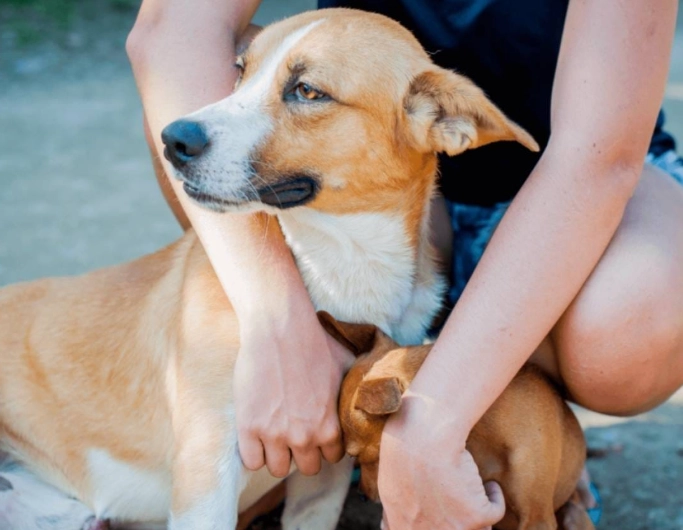
What can I give my dog for diarrhea and vomiting?
This changes the game. With vomiting, you often need to withhold both food AND water for a short period (like 4-6 hours) to let the stomach settle. Then introduce small amounts of water (ice cubes are great) or electrolyte solution made for pets. If they keep it down, wait a bit, then try a tiny amount of bland food. If vomiting persists or is frequent, call the vet. Diarrhea plus vomiting leads to dehydration much faster.
Is it okay to give my dog rice for diarrhea?
Yes, plain white rice is a cornerstone of the bland diet. But it should be given with a lean protein like boiled chicken, not alone for more than a meal or two, as it's not nutritionally complete. And remember, it must be plain—no salt, butter, or sauces.
How long does dog diarrhea usually last?
For simple acute cases, you should see significant improvement within 24-48 hours of starting a bland diet. If it's dragging on for 3+ days without getting better, or if it gets worse at any point, it's vet time. Chronic diarrhea (lasting weeks) always requires a veterinary workup.
What do I feed my dog after diarrhea?
Don't rush back to kibble! After the diarrhea has stopped, continue the bland diet for another 2-3 days to ensure everything is settled. Then, over 3-4 days, slowly mix their regular food back in. For example: Day 1: 75% bland / 25% regular. Day 2: 50/50. Day 3: 25% bland / 75% regular. Day 4: 100% regular food.
Putting It All Together: A Step-by-Step Action Plan
So your dog has the runs, they're otherwise okay, and you're ready to act. Here's your game plan, distilled from everything above.
- Assess: Is your dog showing any red flags (vomiting, blood, lethargy)? If YES → Call Vet. If NO → Proceed.
- Rest the Gut: Offer plenty of fresh water. Consider a 12-24 hour food fast (adjust for small dogs/puppies).
- Bland Diet Start: Prepare plain boiled chicken (or turkey) and white rice. For the first meal back, make it mostly rice with a little protein.
- Feed Small and Often: Offer 3-4 small meals throughout the day. Watch their response.
- Consider Add-Ins: Stir in a spoonful of plain canned pumpkin or a dollop of plain yogurt for probiotic support.
- Monitor Closely: Watch stool consistency and your dog's overall energy and attitude.
- Transition Back Slowly: Once stools are normal for 2 days, begin mixing regular food in over several days.
- Learn & Prevent: Try to identify the cause. Was it a new treat? Stress? Use that knowledge to prevent next time.
Figuring out what to give your dog to stop diarrhea is part science, part art, and a whole lot of love. The safest path is always a combination of sensible, vet-approved home care and knowing when to ask for professional help. Your dog relies on you to make that call. With a calm head and a stocked pantry, you can get through most of these messy episodes and have your happy, healthy pup back in no time.
And remember, one of the most important things you can give your dog during this is patience, and maybe an extra belly rub. They're not feeling great either.


Leave a comment