Quick Navigation
- Why Chocolate is Public Enemy #1 for Dogs
- The Danger Scale: Not All Chocolate is Created Equal
- What Happens if Your Dog Eats Chocolate? Recognizing the Signs
- My Dog Ate Chocolate: What Do I Do RIGHT NOW?
- Beyond Chocolate: Other Top Contenders for the "Never Feed" List
- The Heavy Hitters (Almost as Dangerous as Chocolate)
- The Serious But Sometimes Overlooked
- Building a Safe Kitchen: Proactive Tips
- Final Thoughts: It's About Love, Not Deprivation
Let's cut right to the chase. If you only remember one thing from this article, let it be this: chocolate is, without a doubt, the number one food you should never, ever feed your dog. I know, I know. It seems obvious to some, but you'd be shocked how many panicked calls vets get, especially around holidays, because a dog got into the candy stash. It's not just a mild tummy ache we're talking about here. Chocolate poisoning can be a genuine medical emergency that lands your pup in the animal hospital, and in severe cases, it can be fatal. So why is something so delicious to us so dangerous for them? Let's break it down, because understanding the "why" makes it easier to remember the "never."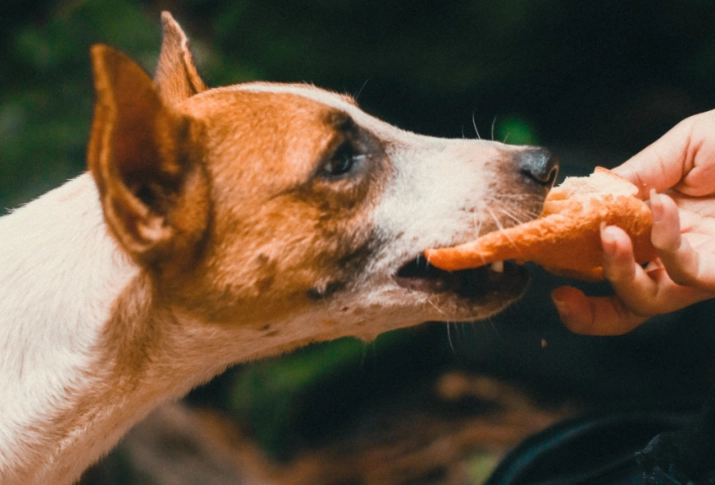
The Bottom Line Up Front: Chocolate tops the list of dangerous foods for dogs because it contains methylxanthines, specifically theobromine and caffeine. A dog's body metabolizes these substances much, much slower than a human's, allowing toxic levels to build up in their system. The darker and more concentrated the chocolate, the higher the danger.
Why Chocolate is Public Enemy #1 for Dogs
It all boils down to chemistry. Chocolate comes from roasted cacao beans, and those beans naturally contain stimulants. For us, a little caffeine gives a pleasant buzz. For dogs, it's a different story entirely. Their livers just aren't equipped to handle these compounds efficiently. Theobromine is the main culprit – it's similar to caffeine but sticks around in a dog's bloodstream for a painfully long time, sometimes over 24 hours, wreaking havoc on their central nervous system, heart, and kidneys.
I remember a friend's Labrador, Max, who managed to snag a whole bar of dark baking chocolate from the counter. Within a few hours, Max was a wreck – pacing, panting like he'd run a marathon, and vomiting. It was terrifying. That trip to the emergency vet was expensive and stressful, and it all could have been avoided. That experience really drove home for me that this isn't just theoretical; it's a real, common, and serious risk.
The Danger Scale: Not All Chocolate is Created Equal
You might think, "Well, a little milk chocolate can't be that bad." And you'd be partially right – it's less bad, but it's still bad. The toxicity level depends entirely on two things: the type of chocolate and the size of your dog. A tiny bite of a milk chocolate chip cookie might only cause mild diarrhea in a large German Shepherd, but that same amount could send a Chihuahua to the vet.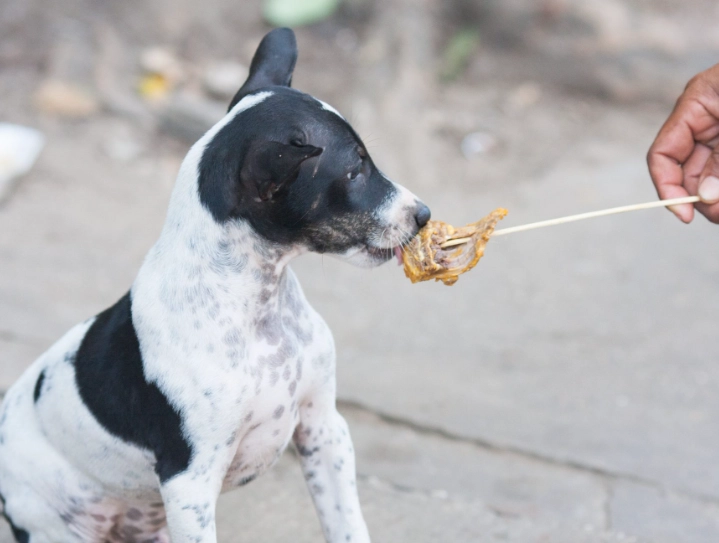
Here’s a quick table to visualize the risk. This is based on theobromine content, which is measured in milligrams per ounce (mg/oz).
| Type of Chocolate | Theobromine Content (Approx.) | Danger Level for a 20lb (9kg) Dog |
|---|---|---|
| White Chocolate | ~0.25 mg/oz | Very Low (but high in fat/sugar) |
| Milk Chocolate | ~44-60 mg/oz | Moderate. 1 oz per pound of body weight is a concern. |
| Dark Chocolate (Semi-sweet) | ~130-140 mg/oz | High. As little as 0.3 oz per pound can cause issues. |
| Baker's Chocolate (Unsweetened) | ~390-450 mg/oz | Extremely High. Just 0.1 oz per pound can be toxic. |
| Cocoa Powder | ~600-700 mg/oz | Severe. The most concentrated form. A tiny amount is dangerous. |
See the jump? Baker's chocolate and pure cocoa powder are in a league of their own. That's why getting into the baking supplies is such a nightmare scenario. A small dog licking a spoon coated in cocoa powder can ingest a massive, concentrated dose.
What Happens if Your Dog Eats Chocolate? Recognizing the Signs
So, what does chocolate poisoning actually look like? Symptoms usually show up within 6 to 12 hours, but they can start as soon as an hour after ingestion. It's a progression, and it's crucial to know the stages.
Early Signs (Usually within 2-4 hours):
• Excessive thirst and panting
• Restlessness, hyperactivity, or pacing
• Vomiting and/or diarrhea (sometimes with blood)
• A bloated abdomen
Advanced Signs (As toxicity increases):
• Muscle tremors, twitching, or even seizures
• Rapid, irregular, or pounding heartbeat
• High body temperature (hyperthermia)
• Rigid muscles
• Severe weakness or collapse
In the worst cases, the combination of heart arrhythmias, respiratory failure, and hyperthermia can lead to coma and death. It's a brutal process, and it's why vets take even suspected chocolate ingestion so seriously.
My Dog Ate Chocolate: What Do I Do RIGHT NOW?
Don't panic, but act quickly. Panicking helps no one, least of all your scared dog. Here is your immediate action plan:
- Remove any remaining chocolate. Get it out of reach to prevent them from eating more.
- Try to identify what they ate. What type of chocolate? How much? Look at the wrapper. Was it plain chocolate or did it contain raisins, nuts, or xylitol (an artificial sweetener even more toxic than chocolate)? This info is gold for your vet.
- Call your veterinarian or an emergency animal poison control center immediately. Do not wait for symptoms to appear. Have your dog's weight ready. Be prepared to describe the chocolate and estimate how much was eaten. The professionals at the ASPCA Animal Poison Control Center or the Pet Poison Helpline are available 24/7 for a consultation fee, and they can give you specific, life-saving advice and determine if you need to go to the clinic.
- Do NOT try to induce vomiting unless specifically instructed by a professional. This can be dangerous in some situations (if the dog is already seizing, for example, or if they ingested something sharp). Your vet will tell you if this is the right step.
At the vet, treatment depends on the severity. It might involve inducing vomiting, administering activated charcoal to bind the toxins, providing IV fluids to support the kidneys and flush the system, and giving medications to control heart rate, seizures, or tremors. Hospitalization for monitoring is common.
Beyond Chocolate: Other Top Contenders for the "Never Feed" List
While chocolate is the undisputed number one, our kitchens and fridges are full of other common foods that pose serious risks. Honestly, it's a bit of a minefield. After chocolate, here are the other big ones you need to know about.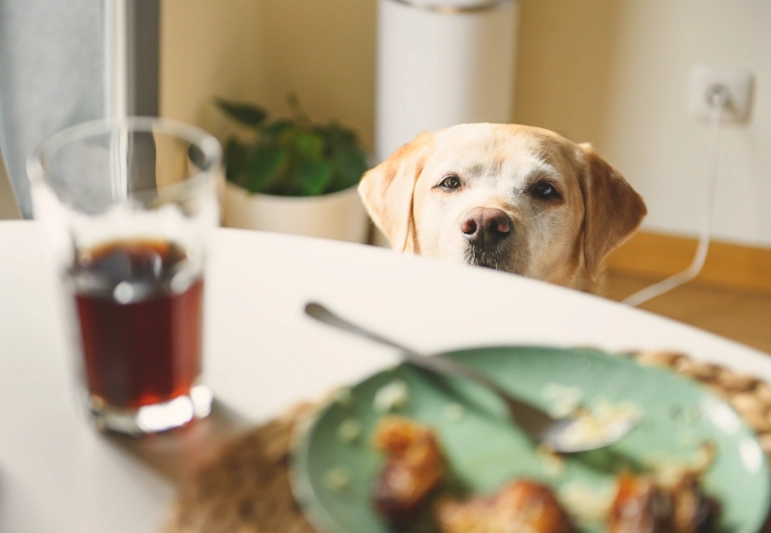
The Heavy Hitters (Almost as Dangerous as Chocolate)
1. Xylitol: This is a sneaky one. It's a sugar alcohol used as a sweetener in countless "sugar-free" products: gum, candy, peanut butter, baked goods, toothpaste, and some medications. For dogs, xylitol causes a massive, rapid release of insulin, leading to dangerously low blood sugar (hypoglycemia), which can happen within 10-60 minutes. Symptoms include vomiting, weakness, loss of coordination, collapse, and seizures. At higher doses, it can cause acute liver failure. The scary part is how little it takes to be toxic.
2. Grapes and Raisins: The mystery poison. We still don't know exactly what compound in grapes and raisins causes kidney failure in dogs, but the effect is well-documented. Even a small handful can be toxic to a susceptible dog. Some dogs seem fine, others get violently ill. The problem is you can't predict which dog will react. Symptoms include vomiting, lethargy, and decreased urination as the kidneys shut down. It's just not worth the risk.
3. Onions, Garlic, Chives, and Leeks: All members of the Allium family. They contain compounds that can damage a dog's red blood cells, leading to hemolytic anemia. The effects are cumulative, meaning small amounts over time (like garlic powder in table scraps) can build up to toxic levels. Poisoning causes weakness, pale gums, red-tinged urine, and rapid breathing. Garlic is often debated, with some claiming health benefits, but most veterinarians advise complete avoidance due to the risk.
The Serious But Sometimes Overlooked
Alcohol: It should go without saying, but dogs are far more sensitive. Even small amounts of beer, wine, or liquor can cause vomiting, diarrhea, difficulty breathing, tremors, coma, and death. Keep drinks well out of tail-wagging range.
Macadamia Nuts: Another one where the toxin is unknown. Ingestion can cause weakness (especially in the hind legs), depression, vomiting, tremors, and hyperthermia. Signs usually appear within 12 hours. Thankfully, it's rarely fatal, but it's very unpleasant for the dog.
Caffeinated Products: Coffee, tea, energy drinks, and caffeine pills pose the same threat as the caffeine in chocolate – overstimulation of the nervous system and heart.
Raw Yeast Dough: If a dog eats raw bread dough, the warm, moist environment of their stomach causes the dough to rise. This can lead to a bloated, distended stomach (which is painful and dangerous on its own, risking GDV in large breeds). Worse, the yeast ferments, producing alcohol, which leads to alcohol poisoning. A double whammy.
A Note on Fat and Bones: While not "poisonous" in the same way, fatty table scraps (bacon grease, fried meat trimmings) can trigger pancreatitis—a painful and serious inflammation of the pancreas. Cooked bones, especially poultry bones, can splinter and cause choking, internal punctures, or intestinal blockages. These are incredibly common reasons for emergency vet visits.
Common Questions Dog Owners Ask (The FAQ Section)
Building a Safe Kitchen: Proactive Tips
Knowing what is the number one food you should never feed your dog is step one. Step two is making sure accidents don't happen. Dogs are opportunistic scavengers with amazing noses. Here's how to dog-proof your food:
- Store chocolate high up and behind closed doors. Don't leave it on coffee tables, countertops, or in open handbags. This is crucial during holidays like Easter, Halloween, and Christmas.
- Educate everyone in the household, especially kids. Make sure they understand that sharing their candy or snack with the dog is an act of harm, not love.
- Check ingredient labels for xylitol, especially in "sugar-free" peanut butter, which many people use to fill Kong toys.
- Secure your trash cans. A kitchen trash can is a treasure trove of dangerous food scraps (onion skins, fatty trimmings, chocolate wrappers). Use a can with a tight-fitting lid or keep it behind a locked cabinet.
- Have your vet's number and the poison control number saved in your phone. The ASPCA Animal Poison Control Center number is (888) 426-4435. The Pet Poison Helpline is (855) 764-7661. Being prepared saves precious minutes.
It's also worth familiarizing yourself with resources from authoritative bodies. The U.S. Food and Drug Administration (FDA) has a clear, concise list of foods to avoid. The American Veterinary Medical Association (AVMA) provides excellent general guidance on pet poison prevention. Bookmarking these can give you a quick, reliable reference.
Final Thoughts: It's About Love, Not Deprivation
Sometimes people feel like they're being mean by not sharing their food. Let me reframe that. Not feeding your dog chocolate and other toxic foods is one of the most loving things you can do. You're protecting them from pain, suffering, a scary trip to the emergency room, and a potentially astronomical vet bill.
There are mountains of safe, delicious treats and foods made specifically for dogs. Stick with those. When you want to share a special human-food snack, opt for safe options like small pieces of apple (no seeds), banana, plain cooked chicken, or carrots. Your dog will be just as happy with those safe alternatives.
So, to circle back to the core question one last time: What is the number one food you should never feed your dog? It's chocolate. Commit that to memory. Share it with other dog owners. A little knowledge and vigilance are all it takes to keep your furry best friend safe, healthy, and by your side for many years to come.
Stay safe out there, and give your pup a safe treat from me.



Leave a comment