Quick Guide
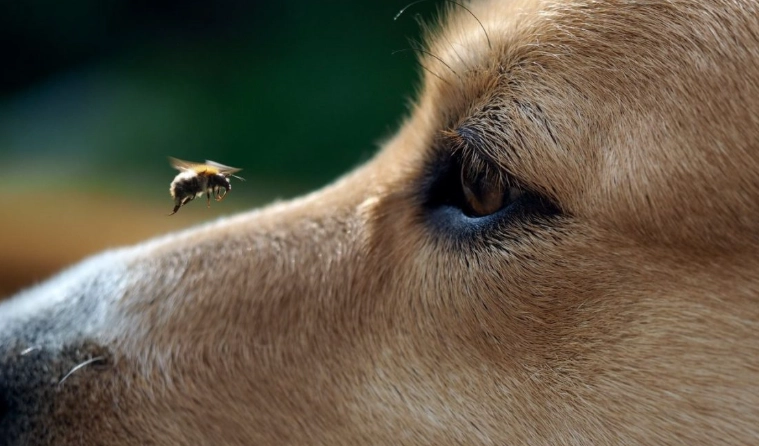
Let's cut right to the chase. If you're here, your dog probably just did something incredibly silly and snapped up a buzzing insect. Your heart might have skipped a beat. You're wondering, panicking a little maybe, are bees safe for dogs to eat? The short, no-nonsense answer is: No, it's not safe, and it can be downright dangerous. But before you spiral into full-blown panic, let's unpack what actually happens, why dogs do this, and most importantly, what you should do right now and how to prevent it next time.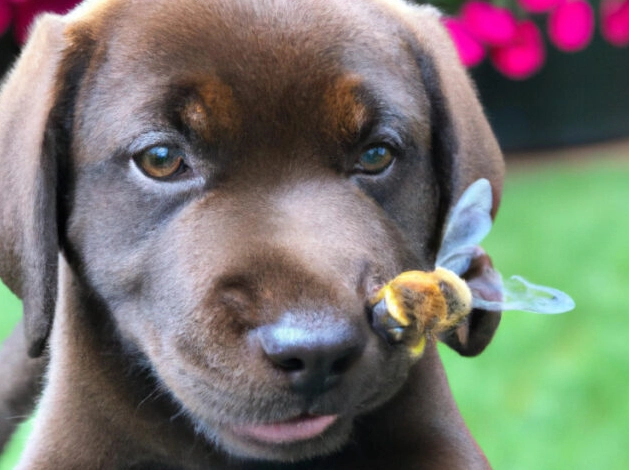
I've been through this myself. My old Labrador, Barney, thought bees were crunchy sky snacks. We had a few scary moments that taught me more than any textbook ever could. So I'm not just reciting facts; I'm talking from the messy, real-world experience of a dog owner who's been there.
The Core Risk Isn't the Bee Itself. It's the sting. When a dog eats, bites, or paws at a bee (or a wasp, hornet, or yellowjacket), the insect's natural defense is to sting. That sting can deliver venom into your dog's mouth, throat, or paws. For some dogs, it's a minor nuisance. For others, it can trigger a life-threatening allergic reaction called anaphylaxis.
Why on Earth Do Dogs Eat Bees?
It seems like a terrible idea, right? From a dog's perspective, not so much. Understanding the "why" helps with the "how to stop it."
Dogs are curious creatures driven by scent and movement. A bee zipping through the air triggers their prey drive. It's a fast-moving, buzzing target. To a dog, it might not look much different from a fly, and many dogs love chasing flies. Their mouths are also primary tools for exploration. They "mouth" things to understand them. Unfortunately, this exploration method doesn't mix well with stinging insects.
Some breeds are worse than others. Sporting and herding breeds with high prey drives—like Terriers, Spaniels, or Border Collies—are often the prime culprits. But let's be honest, any dog can have a momentary lapse in judgment.
I remember a friend's Beagle who would meticulously hunt bumblebees in the clover. He never learned, despite the occasional puffy lip.
The Immediate Dangers: What Happens When a Dog Eats a Bee?
So, your dog ate a bee. What's the worst that can happen? Let's break down the risks from "annoying" to "emergency."
The Sting Itself: Localized Reactions
This is the most common outcome. The bee stings the dog's mouth, tongue, gums, or throat as it's being chomped.
- Pain and Sudden Discomfort: Your dog will likely yelp, paw frantically at its face, drool excessively, or rub its muzzle on the ground.
- Swelling: This is the big one. A localized swelling at the sting site. If stung on the nose, it can look like they've turned into a little bulldog. If stung on the tongue or inside the mouth, the swelling can be more serious as it can potentially obstruct airflow.
- Whining and Agitation: They're in pain and confused about what just happened.
The swelling from a single sting is often mild to moderate and subsides over 12-24 hours. A cold compress can help. But you need to watch it closely.
Key Distinction: A bee can only sting once. Its barbed stinger gets lodged and tears away, killing the bee. Wasps, hornets, and yellowjackets have smooth stingers and can sting multiple times. If your dog is dealing with a swarm or a nest, the danger multiplies significantly.
The Real Emergency: Anaphylactic Shock
This is what keeps veterinarians and responsible owners up at night. Just like people, dogs can have severe, systemic allergic reactions to bee venom. This isn't about where the sting is; it's about the whole body going into crisis mode.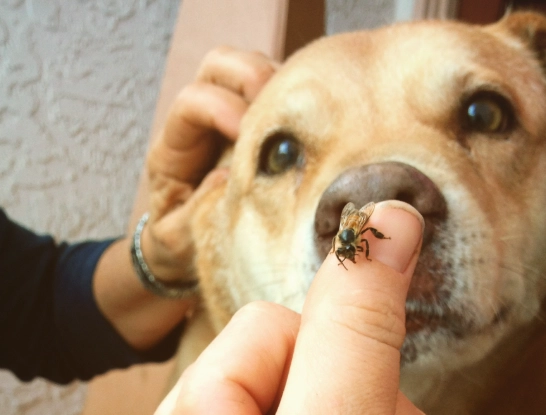
Symptoms of anaphylaxis come on quickly, often within minutes to an hour:
| Symptom | What to Look For | Why It's Dangerous |
|---|---|---|
| Severe Facial Swelling | Eyes swelling shut, entire muzzle ballooning. | Can quickly progress to throat swelling. |
| Difficulty Breathing | Wheezing, raspy sounds, exaggerated chest movements, pale or blue gums. | Airway obstruction is the leading cause of death in anaphylaxis. |
| Vomiting & Diarrhea | Often sudden and violent. | Leads to rapid dehydration and shock. |
| Sudden Weakness/Collapse | Dog can't stand, seems dizzy, loses consciousness. | Sign of plummeting blood pressure (shock). |
| Widespread Hives | Raised, itchy bumps all over the body, not just near the sting. | A clear sign of a systemic allergic response. |
See any one of these? It's time to move. Now.
Anaphylaxis is a true veterinary emergency. It requires immediate epinephrine (adrenaline) and aggressive supportive care. There is no effective home treatment for this. The survival rate is high with prompt veterinary intervention, but delays can be fatal.
Other Risks (That Often Get Overlooked)
Beyond the sting and allergy, there are other pitfalls.
- Gastrointestinal Upset: Even if successfully swallowed without a sting, the bee's body can cause stomach irritation, leading to vomiting or diarrhea. It's a foreign chitinous object, after all.
- Secondary Infections: The sting site, especially inside the mouth, can become infected. Dog mouths have bacteria, and a puncture wound is an open door.
- Pesticide Exposure: This is a scary one that many don't consider. If the bee has visited flowers or plants treated with insecticides (like neonicotinoids) and your dog eats it, the dog ingests that poison too. The effects can range from neurological issues to severe toxicity.
First Aid: What to Do RIGHT NOW If Your Dog Ate a Bee
Action beats panic every time. Here's your step-by-step guide.
- Stay Calm and Secure Your Dog. Your panic will feed their anxiety. Gently leash them or bring them inside to a quiet space so you can assess them without them running around.
- Check for the Stinger. Look inside the mouth, on the lips, nose, and paws. Bee stingers look like a tiny black splinter. Do not use tweezers! Pinching the venom sac can inject more venom. Instead, scrape it out sideways with a credit card, driver's license, or your fingernail.
- Apply a Cold Compress. Wrap an ice pack or bag of frozen peas in a thin towel and hold it against the swollen area for 5-10 minutes at a time. This reduces pain and swelling.
- Offer Small Amounts of Water. If they can swallow comfortably, water can help. Don't force it if there's significant mouth/throat swelling.
- Monitor Like a Hawk. For the next several hours, you are on watch duty. Look for any of the severe symptoms listed in the table above.
What NOT to Do: Do not give human medications like ibuprofen (Advil), acetaminophen (Tylenol), or aspirin without explicit veterinary instruction. Many human painkillers are highly toxic to dogs. Do not try to induce vomiting. Do not ignore escalating symptoms, hoping they'll "just go away."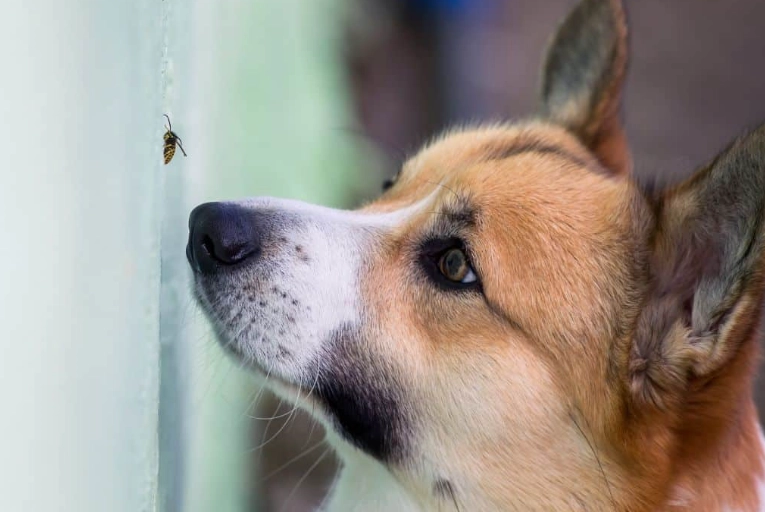
When to Rush to the Vet
Don't play the waiting game with these signs. Err on the side of caution.
- Any difficulty breathing, wheezing, or choking sounds.
- Swelling that is severe or rapidly worsening, especially around the face/neck.
- Multiple stings (e.g., from disturbing a nest).
- Collapse, extreme lethargy, or disorientation.
- Vomiting or diarrhea more than once.
- If your dog has a known history of severe reactions to insect stings.
Call your vet or the nearest emergency animal hospital on your way. Tell them: "My dog was stung by a bee (or ate a bee) and is showing [symptom]." They will be prepared for your arrival.
Honestly, if you're even asking yourself "should I go?", it's usually better to go. A vet visit for peace of mind and a potential antihistamine shot is far cheaper—emotionally and financially—than an emergency ICU stay.
Prevention: How to Stop Your Dog from Eating Bees
Treatment is reactive. Prevention is proactive and far less stressful. Since the core issue is the dog's prey drive and curiosity, we have to work around that.
The "Leave It" Command is Your Best Friend. This is non-negotiable. A solid, reliable "leave it" command can stop your dog mid-lunge. It takes consistent training with high-value treats, but it's a lifesaving skill for more than just bees.
- Supervise, Supervise, Supervise. Don't let your dog roam unsupervised in gardens full of blooming flowers, near compost piles, or around old sheds where bees and wasps might nest.
- Manage the Environment. Keep your yard trimmed. Fill in holes in the ground where ground-nesting yellowjackets might set up shop. Cover or remove exposed food and sweet drinks when outside.
- Redirect Attention. If you see your dog focusing on a buzzing insect, call them to you enthusiastically and reward them with a treat or a toy for disengaging. Make coming to you more rewarding than chasing the bee.
- Consider a Muzzle (Temporarily). For dogs who are absolute repeat offenders and can't be trusted, a basket muzzle during high-risk outdoor time allows them to pant and drink but prevents them from grabbing insects. Use this as a training aid, not a permanent solution.
Common Questions Dog Owners Ask (The FAQ We All Need)
My dog ate a dead bee. Is that safe?
Marginally safer, but not risk-free. The stinger could still be functional if the bee is freshly dead. The main risk shifts to GI upset or pesticide exposure. Monitor for vomiting or diarrhea.
What about bumblebees vs. honeybees?
All stinging insects pose a risk. Bumblebees can sting multiple times but are generally less aggressive than wasps. Honeybees leave their stinger behind. The type matters less than your dog's individual reaction to the venom.
Can I give my dog Benadryl (Diphenhydramine) for a bee sting?
This is a big one. Only under direct veterinary guidance. Benadryl can be used in some cases for mild allergic reactions (like hives) but is useless for treating life-threatening anaphylaxis. The dosage is weight-specific and crucial—too little does nothing, too much can be harmful. Never administer any medication without your vet's specific instructions for your dog. The Merck Veterinary Manual is a great resource for understanding drug uses, but it doesn't replace your vet's prescription.
Will my dog learn not to eat bees after being stung?
You'd think so, right? Sadly, many dogs do not. The prey drive and the momentary action often outweigh the memory of the painful consequence later. Some might become more cautious, but it's not a guarantee. Don't rely on a natural learning curve.
Are there any long-term effects from a bee sting?
For a single, mild sting that resolves, no. For a dog that survives a severe anaphylactic reaction, there are typically no long-term effects if treated promptly. However, a severe reaction indicates a high sensitivity, meaning future stings could be even more dangerous and happen faster.
The Final Verdict: So, Are Bees Safe for Dogs to Eat?
Let's circle back to the core question that probably brought you here: Are bees safe for dogs to eat? The definitive answer is no. It is an activity with a spectrum of risk, ranging from a painful but manageable lesson to a sudden, catastrophic health emergency.
The safety isn't about the nutritional content of the bee; it's about the defensive weaponry the bee carries. It's a biological gamble with poor odds.
Your job as a pet owner isn't to live in fear, but to be prepared. Know the signs of trouble. Have a plan. Train the "leave it" command. And understand that while the internet is full of stories of dogs who were fine after eating a bee, it only takes one bad reaction to change everything.
When in doubt, pick up the phone and call your vet. Their advice is tailored to your specific dog. For general poison control information, organizations like the ASPCA provide excellent resources, but again, an acute emergency requires immediate local care.
Keep your furry friend safe, keep an eye on them in the garden, and maybe invest in some bee-friendly but dog-safe plants for your yard instead. Everyone wins that way.



Leave a comment