You're cleaning up the yard or changing the puppy pad, and you see it—a patch of brown urine. Not the usual yellow. This is dark, maybe even the color of tea or cola. Your heart skips a beat. Is this serious? What does it mean? Let's cut to the chase: brown or dark urine in dogs is almost never normal and is a clear signal from your dog's body that something is wrong. It's a visual alarm bell you can't afford to ignore. I've seen this countless times in the clinic, and while it can be scary, understanding the causes and your next steps is the first move toward getting your dog help.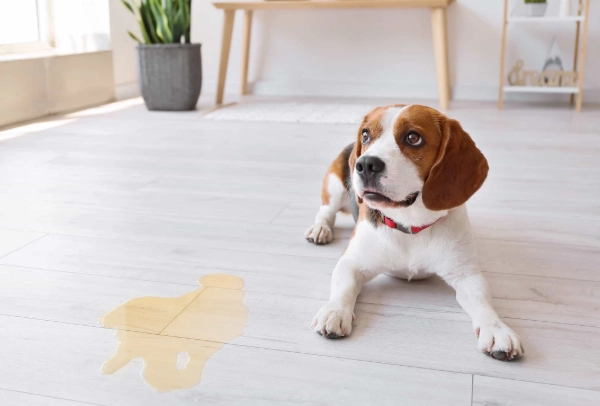
In This Article: Your Action Plan
What Brown Dog Urine Actually Means (The Shortlist)
Forget vague explanations. Brown urine typically points to one of three things being present in the urine where it shouldn't be:
- Blood (Hematuria): This is the most common cause. The blood can come from anywhere in the urinary tract—kidneys, ureters, bladder, or urethra. When blood breaks down, it turns brown.
- Bile Pigments (Bilirubin): A liver or red blood cell problem can cause bilirubin, a yellow-brown pigment, to spill into the urine.
- Muscle Protein (Myoglobin): This is a specific and serious sign of massive muscle damage, like from a severe injury, extreme exercise, or a condition like heatstroke.
Breaking Down the Causes of Dark Urine in Dogs
Let's get specific. Knowing the potential causes helps you talk to your vet more effectively. I'll group them by the underlying issue.
1. Urinary Tract and Kidney Issues
This is where most minds go first, and often correctly. Infections (UTIs), bladder stones, or kidney disease can cause bleeding and inflammation. A subtle point many miss: crystals in the urine can irritate the bladder lining enough to cause microscopic bleeding that shows up as brown urine long before a full-blown stone forms. I've diagnosed many early stone cases just because an owner brought in a sample for a color change, not because the dog was straining.
2. Blood-Related Disorders
Problems with the blood itself can lead to brown urine. Immune-mediated hemolytic anemia (IMHA) is a big one—the dog's immune system destroys its own red blood cells, and the breakdown products turn urine brown. It's an emergency. Blood clotting disorders, like from rat poison ingestion, can also cause internal bleeding into the urinary tract.
3. Liver Disease
A sick liver can't process bilirubin properly, so it builds up and is excreted in urine, creating a brownish-orange or tea-colored hue. This often accompanies yellowing of the gums or whites of the eyes (jaundice).
4. Toxins and Medications
Some drugs can discolor urine. More dangerously, toxins like onions, garlic, zinc, or certain rat poisons can cause red blood cell damage leading to brown urine. Always mention any access your dog might have had to these.
5. Physical Trauma and Extreme Exertion
A hard fall, a car accident, or even an incredibly intense day of hiking (especially in an unfit dog) can cause muscle trauma. The released myoglobin is toxic to the kidneys and turns urine a very dark brown, almost Coca-Cola color. This is a true medical emergency due to the high risk of kidney failure.
How is Brown Urine in Dogs Diagnosed? The Vet Visit Explained
Walking into the vet worried is stressful. Knowing what will happen can help. The process is a detective story, and the urine sample is the first clue.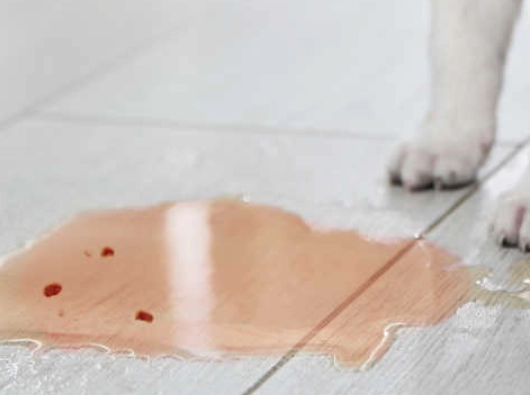
Your vet will start with a complete urinalysis. This isn't just one test; it's a panel. They'll look at color (obviously), clarity, concentration, pH, and check for glucose, protein, ketones, and blood on a dipstick. Then, under the microscope, they'll search for red blood cells, white blood cells, crystals, bacteria, and abnormal cells.
Based on those findings, the next steps might include:
- Blood Work: A CBC checks red and white blood cell counts. A biochemistry panel assesses kidney and liver function, protein levels, and electrolytes.
- Imaging: An abdominal ultrasound is gold standard for looking at the kidneys, bladder, and liver without surgery. X-rays are better for spotting certain types of stones.
- Culture and Sensitivity: If infection is suspected, this test grows the bacteria to identify it and determine which antibiotic will work best.
Here’s a quick table to show how test results point to different causes:
| Primary Suspected Cause | Key Findings on Urinalysis | Likely Next Diagnostic Step |
|---|---|---|
| Bladder Infection (UTI) | High white blood cells, bacteria, possibly blood | Urine culture & sensitivity |
| Bladder/Kidney Stones | Crystals, blood, possibly high pH | Abdominal X-ray or Ultrasound |
| Immune-Mediated Anemia (IMHA) | Blood (hemoglobin), possibly bilirubin | CBC (will show low red cells), Coombs' test |
| Liver Disease | High bilirubin, possibly concentrated urine | Blood work (high liver enzymes), Ultrasound |
| Muscle Damage (Myoglobinuria) | Dark brown color, blood dipstick positive but few red cells seen under microscope | Blood work (high muscle enzymes CK/AST), history of trauma/exertion |
Treatment Options: What Happens After the Diagnosis
Treatment is 100% dependent on the root cause. There's no single "cure for brown urine."
For UTIs: A course of antibiotics, chosen based on the culture results. Finishing the entire course is critical, even if the urine color normalizes in a few days.
For Stones: This varies wildly. Some small stones can be dissolved with a prescription diet (e.g., for struvite stones). Others require surgical removal. I've seen owners try to manage large stones with diet for months, only to end up with a blocked urethra—an absolute nightmare. Sometimes surgery is the faster, kinder option.
For IMHA: This is intensive. Treatment involves high-dose immunosuppressive drugs (like steroids) to stop the immune attack, often hospitalization for blood transfusions and supportive care. The prognosis is guarded but many dogs recover with aggressive treatment.
For Liver Disease: Treatment targets the specific liver problem—antibiotics for infections, supportive care with liver-protectant medications (like SAMe or Denamarin), and a therapeutic diet.
For Toxin Ingestion: Inducing vomiting, activated charcoal, and specific antidotes if available (like Vitamin K for rat poison). Hospitalization on IV fluids is common.
For Muscle Trauma: Aggressive IV fluid therapy to protect the kidneys from myoglobin damage, pain management, and strict rest.
What You Can Do at Home (Before and After the Vet)
Your role is crucial.
Before the Vet: Note everything. When did you first notice it? Is your dog drinking more or less? Straining to pee? Acting tired? Collect a fresh urine sample if you can. Restrict vigorous activity, especially if muscle damage is a possibility.
After Diagnosis: Follow your vet's instructions to the letter. For many conditions, especially stones or liver issues, diet is a cornerstone of management. Ensure fresh water is always available to encourage dilution of the urine. Monitor urine color daily—take a photo on your phone for comparison. Keep follow-up appointments for re-check urinalyses; what you can't see is as important as what you can.
A simple home check you can do is the skin tent test for dehydration: gently pinch the skin at the back of your dog's neck. In a well-hydrated dog, it snaps back immediately. If it retracts slowly, your dog needs more fluids and you should call your vet.
Your Questions, Answered by a Vet
The bottom line is this: Brown urine is your dog's way of sending a message. It's not a diagnosis, but a clear sign that demands investigation. By understanding the potential causes, knowing what to expect at the vet, and being a proactive partner in your dog's care, you turn a moment of panic into a path toward getting them the help they need. Don't wait. Make the call.
Leave a comment