If your dog just had surgery or is dealing with a hot spot, you've probably been handed the classic plastic "cone of shame." It's clunky, stressful, and turns your living room into an obstacle course. There's a better way. Over the last decade of working with recovering dogs, I've seen the dog neck donut—that inflatable or padded collar that looks like a travel pillow—go from a novelty to a mainstream essential. But here's the thing most articles won't tell you: a poorly chosen or fitted donut is almost as bad as the plastic cone. It can fail at its job (letting your dog reach the wound) or cause new problems like neck strain. This guide cuts through the fluff. We'll talk about when it works, when it doesn't, and the precise steps to get it right the first time.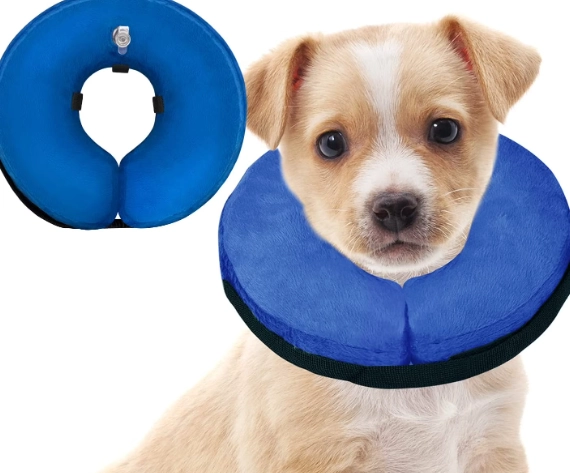
What's Inside This Guide?
- What Exactly is a Dog Neck Donut?
- Donut vs. Plastic Cone: A Real-World Comparison
- How to Choose the Right Dog Neck Donut: A Sizing and Material Guide
- The Step-by-Step Fitting Guide Most Brands Get Wrong
- Training Your Dog to Accept the Donut (Without the Drama)
- When a Dog Neck Donut Won't Work: The Critical Exceptions
- Your Top Dog Neck Donut Questions, Answered
What Exactly is a Dog Neck Donut?
A dog neck donut is a soft, circular protective collar. It's designed to limit your dog's head mobility just enough to prevent them from licking, biting, or scratching a wound on their body, paws, or the base of their tail. Unlike the hard plastic Elizabethan collar (the classic cone) that extends far out, a donut sits closer to the neck, creating a physical buffer. Think of it as a bumper, not a wall. The core idea is comfort without compromising safety. Most are inflatable, with a valve to adjust firmness, while others are made of dense foam. They often have a soft, washable cover.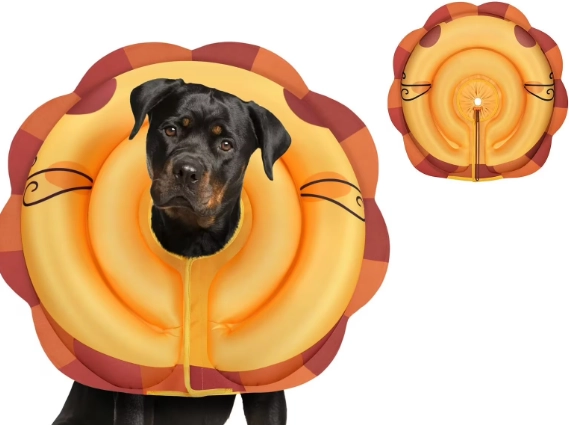
Donut vs. Plastic Cone: A Real-World Comparison
Let's be real, the plastic cone has its place (we'll get to that). But for many common recovery scenarios, the donut is a game-changer. The difference isn't just about comfort; it's about your dog's quality of life during recovery, which directly impacts healing.
| Feature | Dog Neck Donut | Traditional Plastic Cone |
|---|---|---|
| Comfort & Sleep | Allows your dog to rest their head naturally, sleep comfortably, and use most pet beds. | Hits walls, floors, and furniture, constantly startling the dog. Sleeping is awkward. |
| Peripheral Vision | Nearly unrestricted. Dogs can see beside and below them, reducing anxiety. | Severely blocked. Creates a "tunnel vision" effect that can be disorienting and stressful. |
| Household Navigation | Much easier. They can move through doorways and around furniture without constant bumping. | A nightmare. You'll hear the *thwack-scrape* sound throughout your house. |
| Eating & Drinking | Usually not a problem. Most bowls are accessible, though shallow, wide bowls are best. | Often requires special elevated bowls or bowl adapters, which is an extra hassle. |
| Protection Level | Good to Excellent for body, limb, and tail base wounds. Poor for face, ear, or neck wounds. | Excellent for almost all wound locations. The gold standard for absolute prevention. |
| Durability | Vulnerable to punctures from determined chewers. The cover needs washing. | Nearly indestructible. Easy to wipe clean. |
The choice often comes down to wound location and your dog's personality. A laid-back Lab with a spay incision? A donut is perfect. An anxious terrier who just had ear surgery? You probably need the cone.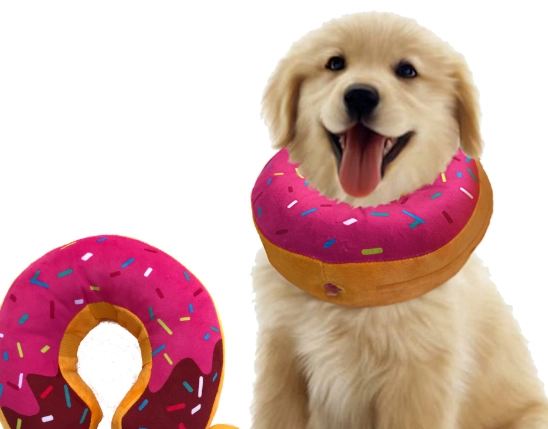
My Personal Rule of Thumb: I recommend the donut as the first option for any wound behind the front legs. It reduces stress so significantly that dogs often heal faster because they're not constantly in a state of panic. But I never hesitate to switch back to the cone if there's any doubt about effectiveness. The wound must stay clean and untouched, period.
How to Choose the Right Dog Neck Donut: A Sizing and Material Guide
This is where most people mess up. They buy based on their dog's weight alone. Weight is a starting point, but neck circumference is the non-negotiable king. A donut that's too small is useless; one that's too big will slide down over the shoulders.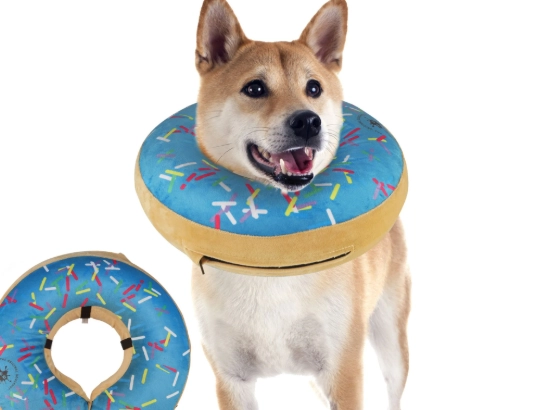
The Critical Measurement Most Owners Miss
Grab a soft measuring tape. Measure the base of your dog's neck, where their collar normally sits. Now add 2 to 3 inches (5-7.5 cm). That's the inner diameter your donut should have when inflated. If a product only lists a "size" (S/M/L), check the brand's specific size chart—they vary wildly. Don't guess.
Material and Design Choices
You'll see two main types:
Inflatable Donuts: The most common. You control the firmness. A pro-tip: inflate it until it's firm but still has a slight give when you press it. Rock-hard is uncomfortable; too soft collapses and fails. Look for ones with a soft, removable, and machine-washable fabric cover. The plastic-only ones can make your dog's neck sweaty and itchy.
Foam Donuts: These are pre-formed from dense foam. They're simpler (no inflation) and often more durable against casual nibbling. However, they're less adjustable and can be bulkier.
Whichever you choose, ensure the closure is secure. Velcro is common, but a strong buckle or snap is better for Houdini dogs.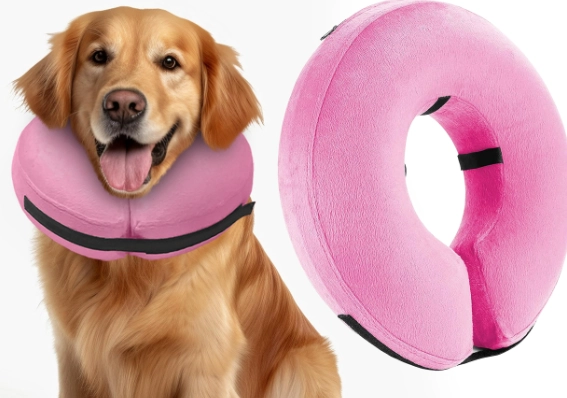
The Step-by-Step Fitting Guide Most Brands Get Wrong
Putting it on isn't rocket science, but there's a nuance that ensures success. Do this when your dog is calm, maybe after a walk.
Step 1: Prepare the Donut. If inflatable, inflate it to about 80% of its final firmness. You'll fine-tune it on the dog.
Step 2: The Approach. Hold the open donut in front of your dog's nose, let them sniff it. Talk calmly. Then, gently slide it over their head like a giant necklace.
Step 3: The Goldilocks Fit (The Most Important Step). Secure the closure. Now, check the position. The front of the donut should sit flush against the base of the skull, right behind the jawbones. It should not be down on the shoulders. Here's the test: your dog should be able to rest their chin on the top of the donut comfortably. If their chin hangs in empty space over the front, it's too far back. Adjust.
Step 4: The Mobility Test. Once positioned, add or release air (if applicable) until the donut is firm enough that your dog cannot twist their head around to touch their side or back leg. Have a treat and guide their head around. If they can contort and reach, it's too soft or too small. This is the functional test.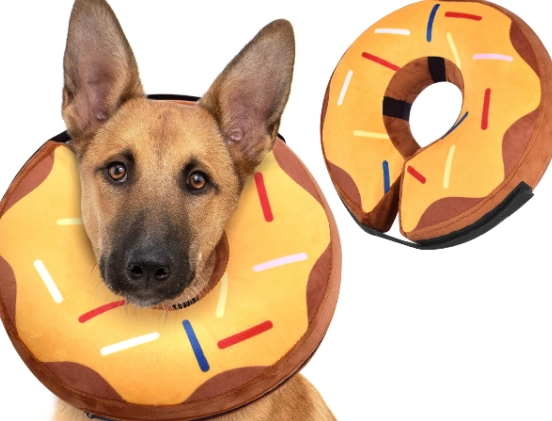
Training Your Dog to Accept the Donut (Without the Drama)
Some dogs don't care. Others act like you've attached a satellite dish to them. The key is positive association, not force.
Start before you need it. Let the deflated/unfastened donut be a weird bed for a week. Toss treats on it. Fasten it loosely for just 30 seconds during mealtime, then remove it. Gradually increase the time.
When it's go-time, put it on and immediately engage in a fun, low-energy activity. A short training session with high-value treats, a chew toy, or a sniffari in the yard. This builds a positive connection: "Donut on = good things happen."
Ignore the initial awkwardness. Don't fuss over them or say "It's okay" in a worried tone—that validates their concern. Be matter-of-fact. Most dogs adjust within an hour if you're calm and distracting.
When a Dog Neck Donut Won't Work: The Critical Exceptions
The donut isn't a magic bullet. Knowing its limits will save you a lot of frustration and potential vet bills.
1. Wounds on the Head, Face, or Ears: This is the biggest no-go. A dog can easily reach a stitch on their cheek or ear flap over the top of a donut. For these, the plastic cone or a specialized recovery suit is mandatory.
2. Extremely Flexible or Determined Dogs: Some dogs, like greyhounds or double-jointed mutts, can still reach their flank. Others will relentlessly chew on the donut itself. If you see persistent, clever attempts to bypass it, switch to a cone.
3. The "Combination Approach" for Tricky Spots: For a wound on a back paw of a determined licker, sometimes you need layers. A donut plus a baby sock secured with medical tape on the paw. The donut stops 90% of attempts, the sock stops the sneaky ones.
Your Top Dog Neck Donut Questions, Answered
My dog can still reach their back leg with the donut on. What am I doing wrong?
Can my dog eat, drink, and sleep normally with a dog neck donut?
How do I clean a dog neck donut, especially if the wound oozes?
Are there any risks or downsides to using a donut instead of a cone?
My vet gave me a plastic cone. Can I just buy a donut instead?




Leave a comment