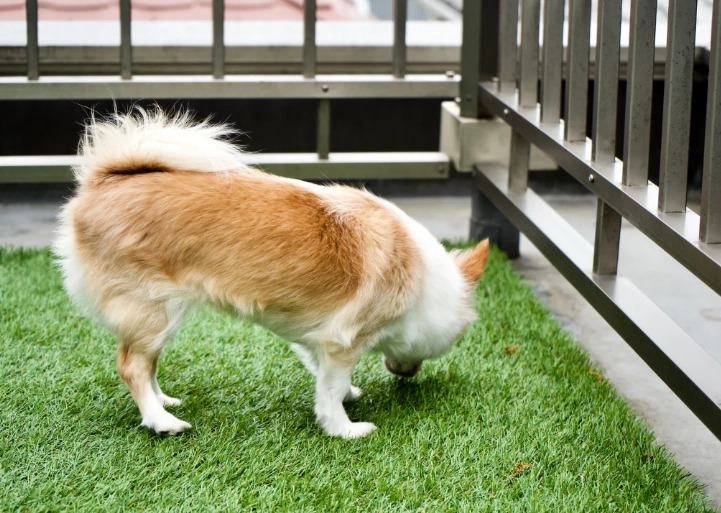
That frantic scooting across your rug. The constant, worried licking under the tail. A foul smell that appears out of nowhere. If you're seeing these signs, your dog might be dealing with more than just a simple itch—it could be an anal gland abscess. I've been through this twice with my own dog, Buster, and let me tell you, the first time was pure panic. I had no idea what was happening. This guide walks you through everything, from spotting the early warnings to navigating vet visits and, crucially, preventing it from coming back.
What's Inside This Guide
Spotting the Signs: Is It an Impaction or an Abscess?
All anal gland issues start with a blockage (impaction), but not all blockages turn into infections. Here's the subtle difference many owners miss. An impaction means the thick, pasty fluid inside the sac can't get out. It's uncomfortable. Your dog might scoot or lick a bit. The area isn't usually red or swollen from the outside.
An abscess is what happens when that blocked gland gets infected. Bacteria, often normal skin flora, get trapped and multiply. The gland fills with pus, pressure builds, and the tissue becomes inflamed, hot, and extremely painful. It's like a painful pimple in a very sensitive spot. Eventually, the skin may give way, causing the abscess to rupture, leaving an open wound.
Here’s a quick comparison to help you assess the situation:
| Symptom | Anal Gland Impaction (Blockage) | Anal Gland Abscess (Infection) |
|---|---|---|
| Pain Level | Mild to moderate discomfort | Significant, obvious pain (yelping, reluctance to sit) |
| Appearance | Usually normal externally | Visible swelling, redness, often one-sided |
| Touch Sensitivity | May flinch if touched near tail | Extremely painful to touch near the swelling |
| Smell | Might have a fishy odor if expressed | Often a strong, foul, pus-like odor |
| Dog's Behavior | Scooting, occasional licking | Constant licking/biting, lethargy, loss of appetite |
| Action Required | Schedule a vet or groomer for expression | Call your vet immediately |
If you're seeing signs in the "Abscess" column, pick up the phone. This isn't a wait-and-see situation. The infection can spread, and the pain is real.
What the Vet Will Do: The Step-by-Step Treatment Process
So you're at the vet's office. What happens next? Knowing the process can ease your anxiety. It typically follows a clear path, but the specifics depend on how advanced the abscess is.
Examination and Diagnosis
The vet will start with a gentle visual and physical exam. They'll look for swelling, redness, and check if the abscess has already ruptured. They'll likely take your dog's temperature, as a fever can indicate a systemic infection. Many vets can diagnose an abscess just from the classic appearance, but they're assessing the severity.
Pain Management and Sedation
This is non-negotiable. Expressing or lancing an abscessed gland is excruciating. Your vet will administer pain medication, often via injection for fast relief. For anything more than a very minor, early abscess, they will recommend sedation or a short-acting general anesthetic. This isn't just about comfort—it allows the vet to work safely and thoroughly without causing your dog trauma or risking a bite.
The Procedure: Expression, Flushing, and Antibiotics
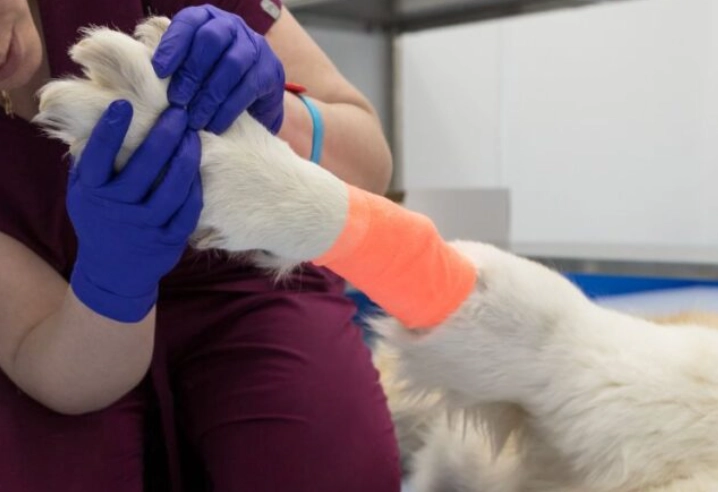
Under sedation, the vet will fully express the infected gland. If the abscess hasn't ruptured, they may need to lance it (make a small surgical cut) to drain the pus. Next comes flushing. They'll use a sterile saline or antiseptic solution to rinse out the empty sac, clearing out any remaining debris and bacteria. This step is critical for healing.
Finally, they'll pack the treated area with an antibiotic ointment. Your dog will almost always go home with a course of oral antibiotics (to fight the internal infection) and anti-inflammatory/pain meds (like carprofen or gabapentin).
In severe, recurrent cases, the vet might discuss anal sacculectomy—surgical removal of the glands. This is a specialist-level decision due to risks like nerve damage affecting continence, but it's a permanent solution for chronic sufferers.
Home Recovery: Your Crucial Role in the Healing Process
The vet did the hard part, but the next 10-14 days are on you. How you manage recovery directly impacts healing and the chance of recurrence.
Medication is Job One. Give all antibiotics and pain meds exactly as prescribed, even if your dog seems better after a few days. Stopping antibiotics early is a prime reason for reinfection with stronger bacteria.
The E-Collar (Cone of Shame) is Non-Optional. Your dog will want to lick the area. Licking introduces bacteria, re-injures the tissue, and delays healing. I know it's sad to see them in the cone, but it's far sadder to go back to the vet for another abscess. Use it consistently.
Warm Compresses are a Game-Changer. This is my top tip from experience. After the first 48 hours (once any initial post-procedure swelling subsides), apply a warm, damp washcloth to the area for 5-10 minutes, 2-3 times a day. The warmth increases blood flow, promotes drainage of any residual fluid, and soothes the tissue. It made a visible difference for Buster.
Monitor the Site. Check the area daily. A little pinkness is normal, but increasing redness, swelling, or new discharge means you need to call the vet. Keep it clean and dry.
Stopping It for Good: Long-Term Prevention Strategies
Once is bad enough. You don't want a repeat performance. Prevention hinges on one main goal: promoting natural, regular gland expression through firm stool. Soft stool doesn't put enough pressure on the glands during defecation.
Dietary Fiber is Your Best Friend. Adding fiber bulks up the stool. Simple, safe additions include:
- Canned Pumpkin (Pure): 1 teaspoon per 10 lbs of body weight daily. Not pumpkin pie mix.
- Cooked, Mashed Sweet Potato: A tablespoon mixed into food.
- Psyllium Husk Powder: A tiny amount (check with your vet for dosage) mixed with plenty of water.
Weight Management. Overweight dogs are prone to gland issues. The extra fat tissue can physically impede the glands' ability to drain properly.
Consider Professional Expression Schedules. Some dogs just have poorly functioning glands. If your dog has had one abscess, talk to your vet or groomer about a regular expression schedule (e.g., every 4-8 weeks) to prevent buildup. However, aggressive, frequent manual expression can sometimes irritate the ducts—let a pro handle it.
Probiotics. Emerging research, like studies referenced by the American Veterinary Medical Association, suggests gut health is linked to overall health. A good quality probiotic might help support a robust digestive system and firmer stools.
Your Questions, Answered

The bottom line? An anal gland abscess is scary and painful, but it's a manageable condition. Recognizing the signs early, getting prompt veterinary care, and committing to post-treatment care and prevention can get your dog through it and significantly reduce the odds of it happening again. Pay attention to your dog's back end—it's not the most glamorous part of pet ownership, but catching a problem early makes all the difference.
Leave a comment