Quick Guide to Bee Stings in Dogs
- Bee Sting 101: What's Actually Happening to Your Dog?
- The Assessment: Is This an Emergency or Just a "Ouch" Moment?
- Immediate First Aid: What to Do in Those First Crucial Minutes
- When "Wait and See" Turns into "Go Now"
- What Will the Vet Actually Do?
- The Home Care Protocol for Non-Emergency Stings
- Answering Your Burning Questions (FAQ)
- Prevention: Making Your Yard a Less Bee-Friendly Zone
- Final Thoughts: Trust Your Gut
You're enjoying a peaceful afternoon in the backyard with your dog when you hear that sudden yelp. You turn to see your pup pawing frantically at its muzzle, and there, on the ground, is a confused bee. Your heart skips a beat. A million questions flood your mind, but one screams the loudest: Do I need to take my dog to the vet for a bee sting?
Let's be honest, it's a scary moment. One minute everything's fine, the next you're playing pet paramedic. I remember when my friend's Labrador, Barney, decided a bumblebee looked like a fun snack. The panic in her voice over the phone was real. We spent twenty frantic minutes on Google before deciding what to do. I'm writing this so you don't have to have that same frantic search.
The short, unsatisfying answer is: it depends. Isn't that always the way? But the longer, much more useful answer involves knowing what to look for, understanding the risks, and having a clear plan. Most bee stings are just painful nuisances. Some, however, are genuine emergencies. Telling the difference is everything.
Key Takeaway Right Up Front: The single most important factor is whether your dog is having an allergic reaction. Local swelling and pain are usually manageable at home. Difficulty breathing, collapse, or extreme swelling spreading across the body means you need to get to a vet, now.
Bee Sting 101: What's Actually Happening to Your Dog?
Before we panic, let's understand the enemy. A bee sting isn't just a tiny pinprick. When a bee stings, it leaves behind more than just a hurt ego—it leaves its stinger, a venom sac, and a cocktail of chemicals designed to cause pain. Unlike wasps, bees have barbed stingers that get lodged in the skin (or fur). This is actually why the bee dies. The stinger can keep pumping venom for a minute or two if it's not removed quickly.
The venom contains things like melittin (which destroys cells and causes pain), histamine (which triggers inflammation and swelling), and other compounds that can affect the nervous system. It's this venom that causes the reaction, not the physical hole from the stinger itself.
Dogs get stung most often on the face—especially the muzzle, lips, and inside the mouth if they tried to bite or catch the bee. Paws are another common target. The location matters a lot. A swollen paw is uncomfortable. A swollen muzzle can be worrying. A sting inside the mouth or throat? That can become dangerous very quickly due to potential airway obstruction, even without a full-blown allergy.
Bee vs. Wasp: Does It Matter?
You might wonder if it makes a difference. Generally, for the initial "Do I need to take my dog to the vet for a bee sting?" question, the process is similar. However, wasp stingers aren't barbed, so they can sting multiple times. Wasp venom can also be slightly different in composition. The basic first aid and emergency signs, though, are the same. The core principle remains: monitor for an allergic reaction.
The Assessment: Is This an Emergency or Just a "Ouch" Moment?
This is the core of the whole issue. Your job in the first 10-30 minutes is to be a detective. Stay calm (your dog will pick up on your anxiety) and run through a mental checklist. We can break reactions down into two main categories: local reactions and systemic (allergic) reactions.
STOP - EMERGENCY SIGNS (Go to the Vet Immediately): If you see ANY of the following, don't wait, don't search online further. Call your vet or emergency clinic and go.
- Difficulty Breathing: Wheezing, noisy breathing, excessive panting when at rest, blue/grey gums or tongue.
- Severe Swelling: Swelling that spreads rapidly from the sting site to the face, neck, or around the eyes.
- Collapse or Severe Weakness: Your dog can't stand, seems dizzy, or loses consciousness.
- Widespread Hives: Itchy bumps (like mosquito bites) appearing all over the body, not just near the sting.
- Vomiting or Diarrhea: Especially if repeated, occurring shortly after the sting.
- Sting in the Mouth/Throat: Even without other symptoms, this warrants an immediate call to the vet due to airway risk.
Seeing any one of those signs answers the "Do I need to take my dog to the vet for a bee sting?" question with a definitive YES. Time is critical during an anaphylactic reaction.
Now, let's talk about the much more common scenario: the local reaction. Your dog will yelp, maybe jump back. You'll see the site become red, swollen, and tender. They might limp if it's on a paw, or rub their face on the ground if it's on the muzzle. They're uncomfortable, maybe a bit sorry for themselves, but otherwise alert and responsive. The swelling is confined to the sting area. This is typically a "watch and care at home" situation.
| Symptom | Local Reaction (Likely OK at Home) | Systemic Reaction (Vet Needed NOW) |
|---|---|---|
| Swelling | Confined to sting site (e.g., one lip, one toe). | Rapidly spreading to face, neck, eyes, or all over. |
| Breathing | Normal panting that settles. | Labored, wheezing, noisy, excessive. |
| Behavior | Alert, may whine or be restless due to pain. | Lethargic, weak, wobbly, collapsing. |
| Skin | Redness and warmth at the site only. | Hives (bumps) appearing on belly, groin, or widely. |
| Gums | Nice and pink. | Pale, blue, or grey. |
That table is your quick-reference guide. Print it out, save it on your phone. Honestly, I wish I'd had something this clear when Barney got stung.
Immediate First Aid: What to Do in Those First Crucial Minutes
Okay, you've assessed and it looks like a local reaction. Your dog is unhappy but not in crisis. Here's your step-by-step game plan. Acting quickly can reduce the amount of venom and the severity of the reaction.
- Locate and Remove the Stinger: If you can see it (it looks like a tiny black splinter), scrape it off. Don't use tweezers! Pinching the venom sac with tweezers can inject more venom. Use the edge of a credit card, your fingernail, or a butter knife to gently flick or scrape it sideways. If it's buried in thick fur and you can't find it, don't dig around for ages. The body will eventually break it down.
- Apply a Cold Compress: This is your best friend for reducing pain and swelling. Wrap an ice pack or a bag of frozen peas in a thin towel. Hold it gently against the sting site for 5-10 minutes at a time, with breaks in between. Do this several times over the next few hours.
- Prevent Licking and Scratching: This is harder than it sounds. A dog will want to lick the painful area. If it's on a paw, a sock or a light bandage can help. If it's on the face, you might need to distract them. Excessive licking can cause more irritation and even lead to infection.
- Consider an Antihistamine? This is a big "maybe" and you MUST call your vet first for the correct dosage. Some vets recommend giving a dog-specific dose of diphenhydramine (Benadryl) to help with swelling and itching. Never give human medication without explicit vet instruction. The dosage for dogs is weight-based and different from humans. Giving the wrong thing can do more harm than good. The American Veterinary Medical Association (AVMA) provides resources on pet safety but always consult your personal vet for medical advice.
When "Wait and See" Turns into "Go Now"
Even if things seem okay initially, you need to monitor your dog closely for the next 12-24 hours. Allergic reactions can sometimes be delayed. Keep an eye out for those emergency signs listed above. Also, watch for signs of infection over the next few days: increasing redness, heat, pus, or a foul smell from the site.
Some swelling can be surprisingly dramatic but still local. A sting on the thin skin of the muzzle can cause one lip to blow up like a balloon. It looks awful and can be frightening, but if your dog is breathing easily, eating, drinking, and acting normally otherwise, it's likely just a severe local reaction. A cold compress and time will help. Again, if you're ever in doubt, calling your vet is never the wrong move. They'd rather answer a quick question than deal with a full-blown emergency later.
This is the heart of the anxiety, isn't it?
That gray area where you're staring at your swollen-faced dog, thinking, "Is this bad enough?" When you're asking yourself, "Do I need to take my dog to the vet for this bee sting or am I overreacting?"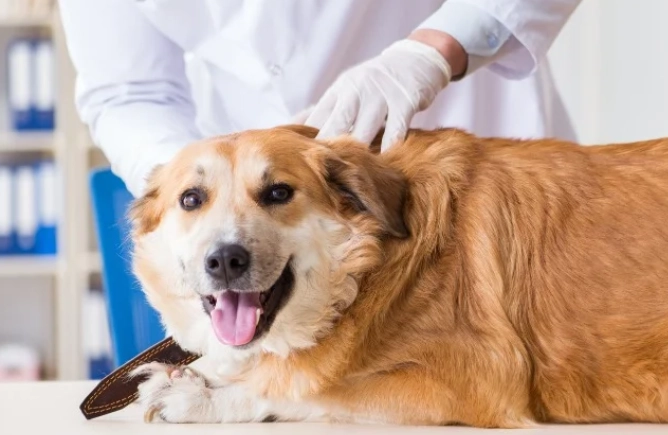
What Will the Vet Actually Do?
Let's say you've decided yes, a vet visit is needed. Either because of emergency signs or because the local reaction is severe and painful. What can you expect? Knowing this can make the decision less daunting.
For a severe allergic reaction (anaphylaxis), treatment is focused on stabilizing your dog. This typically involves:
- Injectible Antihistamines and Steroids: To stop the allergic reaction and reduce inflammation fast.
- Epinephrine (Adrenaline): In life-threatening cases with breathing difficulties or collapse, this is the first-line drug to reverse the systemic shock.
- Intravenous (IV) Fluids: To support blood pressure and help flush the system.
- Oxygen Therapy: If breathing is compromised.
For a bad local reaction (like that balloon lip), the vet might give a steroid injection or a longer-acting antihistamine to bring the swelling down more effectively than oral meds can. They'll also ensure the stinger is fully removed and may prescribe pain medication if your dog is very uncomfortable.
Costs can vary wildly. A simple injection for swelling might be in the range of $50-$150. A full emergency workup for anaphylaxis with IV fluids, multiple medications, and monitoring can easily run into the hundreds. It's not cheap, but it's lifesaving. This is where pet insurance can be a literal lifesaver, financially speaking.
The Home Care Protocol for Non-Emergency Stings
Your dog is home, it's a local reaction, and you're playing nurse. Here's your home care checklist for the next few days.
Home Care To-Do List:
- Cold Therapy: Continue intermittent cold compresses for the first day.
- Rest: Keep your dog calm and quiet. No vigorous play.
- E-Collar: If licking or scratching is relentless, don't hesitate to use the "cone of shame." It prevents a lot of secondary problems.
- Monitor Appetite & Thirst: Make sure they're drinking water. Eating might be tricky if the mouth is sore; offering soft food can help.
- Watch the Site: Check the sting area daily. Redness and swelling should gradually improve, not worsen.
What about home remedies? You'll see all sorts of suggestions online: baking soda paste, vinegar, meat tenderizer, honey. The truth is, most vets are skeptical. A baking soda paste (made with a little water) is alkaline and might theoretically neutralize some acidic bee venom, but its effect is likely minimal once the venom is under the skin. The ASPCA Animal Poison Control Center notes that the most important steps are removing the stinger and monitoring for severe reactions. Sticking with a cold compress is simple, safe, and effective.
Answering Your Burning Questions (FAQ)
My dog has been stung before with no issue. Does that mean they're safe?
Not necessarily. Allergies can develop over time. A dog that had a mild reaction to the first sting could have a more severe reaction to the second or third. You can't assume they're in the clear. Always monitor.
How long does the swelling from a bee sting last on a dog?
For a typical local reaction, the worst of the swelling often peaks within 24-48 hours. It should then gradually go down over the next 2-3 days. If swelling is still getting worse after 48 hours, or if it lasts more than 5-7 days, check in with your vet.
Can a bee sting kill a dog?
Yes, but it's rare. Death would result from a severe anaphylactic reaction that causes airway closure or circulatory collapse, and treatment isn't received in time. Multiple stings (like from a disturbed hive) also pose a greater risk due to the sheer volume of venom. This is why knowing the emergency signs is so critical.
What's the difference between a normal swollen face and a dangerous reaction?
It's about progression and other symptoms. A normal swollen lip is just a swollen lip. A dangerous reaction involves the swelling spreading to other areas (like from the lip to around the eyes and down the neck) AND/OR being accompanied by other signs like hives, vomiting, or breathing changes. It's the combination and the speed that matter.
Should I give my dog Benadryl preventatively if I see a sting?
No. You should only give medication on the advice of your veterinarian for the current situation. Giving it "just in case" without knowing if it's needed or what the proper dose is for your dog's current weight and health status is not a good idea.
The decision of whether you need to take your dog to the vet for a bee sting often comes down to a careful observation of their breathing, behavior, and how the swelling behaves. When in the gap between obvious "yes" and obvious "no," a phone call to your vet's office is a free and smart way to get guidance tailored to your specific dog.
Prevention: Making Your Yard a Less Bee-Friendly Zone
After dealing with a sting, you'll probably want to minimize the risk of a repeat performance. You can't eliminate bees (and you shouldn't want to—they're crucial pollinators), but you can make your space less appealing for confrontations.
- Mind the Water: Bees get thirsty. If you have a bird bath or outdoor water bowl, change the water frequently so it doesn't become a bee magnet.
- Clean Up Sweet Spills: Immediately clean up any soda, fruit juice, or sweet food spills from patios or decks.
- Secure Trash Cans: Lids should fit tightly to avoid attracting yellow jackets, which are often more aggressive than bees.
- Observe Before You Mow: Check for ground bee or wasp nests in your lawn before mowing or using a weed whacker, as the vibrations can provoke them.
- Train a "Leave It" Command: This is a long-term but invaluable tool. Teaching your dog a solid "leave it" command can stop them from snapping at flying insects.
I have to admit, after Barney's incident, my friend became a bit paranoid. She started inspecting her flower beds like a detective. It's a balance—you don't want to live in fear every time a bee buzzes by, but a little awareness goes a long way.
Final Thoughts: Trust Your Gut
So, we've circled back to the big question: Do I need to take my dog to the vet for a bee sting? You now have the framework to decide.
Most of the time, the answer will be no, with careful home care. But you are now equipped to spot the signs when the answer is a firm, urgent yes. You know to look for trouble breathing, spreading swelling, collapse, or hives. You know to scrape the stinger, apply cold, and prevent licking. You know that a call to your vet is always an option if you're stuck in that uncertain middle ground.
It's about being prepared, not paranoid.
Our dogs explore the world with their noses and mouths, and sometimes that world includes bees. A little knowledge takes the sheer panic out of the moment and replaces it with a plan. And having a plan is the best thing you can do for both you and your furry best friend when that unexpected yelp breaks the summer silence.
For further reading on canine first aid and recognizing pet emergencies, the Merck Veterinary Manual is a reliable, peer-reviewed professional resource that can provide deeper medical context.





Leave a comment