In This Guide
So, you're thinking about giving your cat some chicken broth? Maybe you've seen those cute videos online, or your vet mentioned it as a way to get a picky eater interested in food again. It's a question I get asked a lot, especially from folks with older cats or ones recovering from an illness. The short answer is yes, but—and this is a big but—not all chicken broth is created equal. The stuff you have in your pantry for making soup? That's almost certainly a no-go for your feline friend.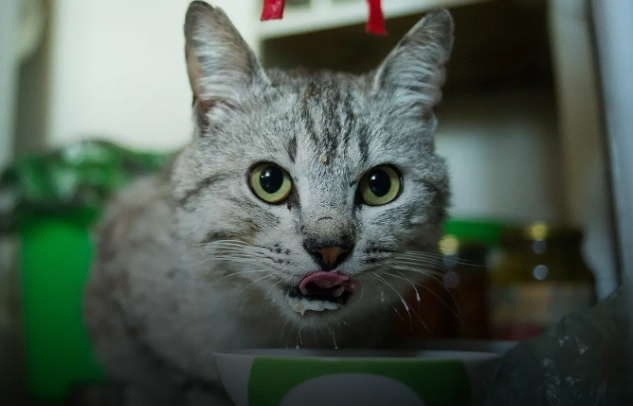
Let's talk about why. Most store-bought broths, even the fancy organic ones, are loaded with onions, garlic, and enough salt to make a sailor blush. These are toxic or just plain unhealthy for cats. I learned this the hard way years ago with my first cat, Whiskers. He turned his nose up at his kibble, and in a moment of misguided genius, I poured a little of my homemade (but heavily salted and garlicky) chicken broth over it. He lapped it up, and I felt like a hero. Until a few hours later, when he was listless. A frantic call to the vet and a hefty bill later, I learned my lesson. Garlic is a big no-no.
That experience sent me down a rabbit hole of research. What's safe? What's beneficial? Can it really help?
This guide is everything I wish I'd known back then. We're going to dive deep into the world of chicken broth for cats, stripping away the marketing hype and getting to the practical, safe truth. Whether you're looking to boost hydration, entice a finicky eater, or just give your cat a tasty, low-calorie treat, you're in the right place.
The Core Idea: Plain, unseasoned, low-sodium chicken broth can be a fantastic, hydrating supplement for cats. It's not a meal replacement, but a tool—a very useful tool—in your cat-care toolkit.
Why Consider Chicken Broth for Your Cat?
It's not just about giving them a tasty lick. There are some genuine, vet-recommended reasons to think about incorporating a bit of broth into your cat's routine. Cats are notoriously bad drinkers. In the wild, they'd get most of their moisture from their prey. That evolutionary hang-up means many domestic cats live in a state of mild, chronic dehydration, which is a primary contributor to urinary tract issues and kidney disease.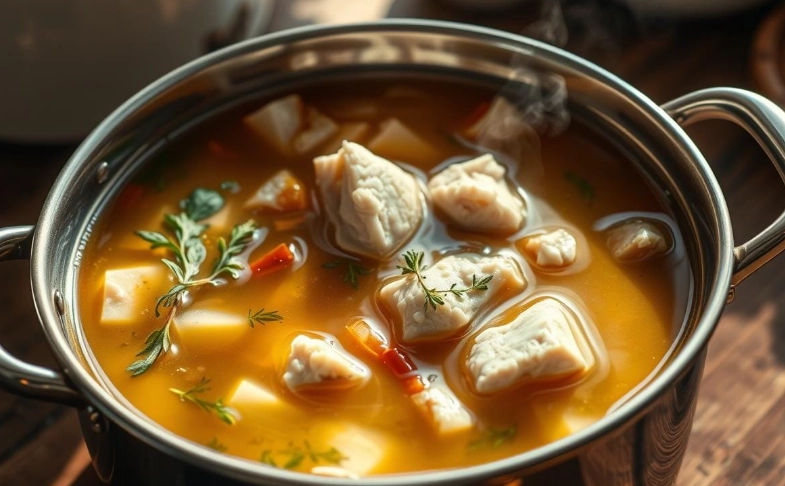
Here’s where a bit of chicken broth for cats can shine:
- The Hydration Hero: This is the big one. Adding a tablespoon or two of warm broth to their water bowl or over their dry food can significantly increase their total fluid intake. It turns a boring necessity into something appealing. For cats with kidney issues, where flushing the system is crucial, this can be a game-changer. The American Veterinary Medical Association (AVMA) consistently highlights the importance of water intake for overall feline health, and broth is one practical way to address it.
- The Picky Eater Persuader: Is your cat giving their expensive wet food the cold shoulder? A splash of warm broth can revive the aroma and make it irresistible again. This is especially helpful for senior cats whose sense of smell may be diminishing, or for cats recovering from surgery or illness who need to keep their strength up.
- A Low-Calorie Reward: Compared to most commercial treats, a bit of homemade broth is virtually calorie-free. It's perfect for positive reinforcement during training, nail trims, or just because you want to spoil them without spoiling their diet.
- Gut Soother: For a cat with a mild, upset stomach (and after you've ruled out serious issues with your vet), a little plain, warm broth can be soothing and easy to digest, providing electrolytes without taxing their system.
But let's be real, though. It's not magic water. It won't cure diseases. The benefits are all about support and prevention.
The Golden Rule: Safety First, Always
This is the section you absolutely cannot skip. Making chicken broth for cats safe is 90% about what you leave out.
DANGER ZONE – NEVER INCLUDE THESE:
- Onions, Garlic, Chives, Leeks: All members of the Allium family. They contain compounds that damage red blood cells in cats, leading to hemolytic anemia. This includes powders, salts, and any cooked form. The ASPCA's animal poison control page lists them clearly as toxic to cats. Even a small amount regularly can cause cumulative damage.
- Salt (Sodium): Cats' kidneys are not designed to process high levels of sodium. Excessive salt can lead to dehydration, electrolyte imbalance, and in severe cases, sodium ion poisoning. Store-bought broth is a salt mine.
- Artificial Additives & Preservatives: MSG, certain stocks, flavor enhancers, and preservatives like disodium inosinate can cause gastrointestinal upset or worse.
- Certain Herbs & Spices: Avoid anything beyond a single, plain bay leaf. No pepper, no nutmeg, no fancy herb blends.
I see a lot of "pet broth" products popping up in stores now. Some are great, but many are just watered-down, slightly less salty versions of human broth. You have to become a label detective. If the ingredient list is longer than "chicken, water," be suspicious.
Choosing or Making a Safe Broth: Your Options
You've got two main paths: buy it or make it. Here's a brutally honest breakdown.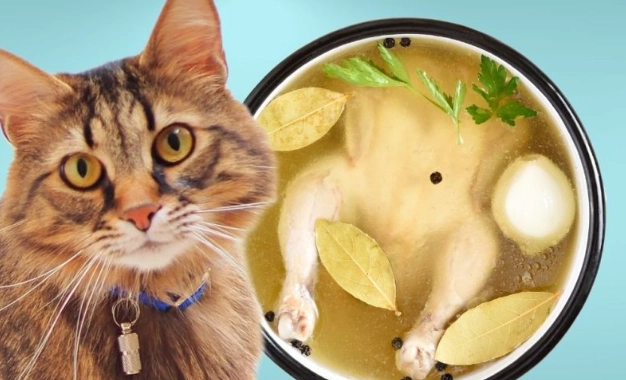
| Option | Pros | Cons | My Verdict & Tips |
|---|---|---|---|
| Commercial "Pet" Broth | Convenient, no prep time, shelf-stable. | Can be expensive, may still contain unwanted additives (like carrageenan or natural flavors), you must trust the brand implicitly. | Only buy from reputable pet food companies. Read every ingredient. Look for ones that are explicitly "low-sodium" and list only meat and water. The convenience is nice for emergencies. |
| Homemade Chicken Broth | Total control over ingredients, cheapest in the long run, you know exactly what's in it, can make a large batch and freeze. | Time-consuming, requires planning, you must be meticulous about leaving out unsafe ingredients. | This is the gold standard. It's not as hard as it sounds. The peace of mind is worth the hour of passive cooking time. I make a big pot every month. |
| Human-Grade Low-Sodium Broth | Extremely convenient, found in any grocery store. | Extremely risky. Even "low-sodium" versions almost always contain onion or garlic powder. The sodium level is still too high for daily cat use. | Just don't. I've scoured dozens of labels, and I've yet to find one without allium or high salt. It's not worth the risk. |
See the pattern? Homemade wins, hands down.
My Go-To Homemade Chicken Broth Recipe for Cats
Alright, let's get into the kitchen. This is my foolproof, bare-bones recipe. It's more of a method. You can't mess it up.
What You'll Need: A large stockpot or slow cooker, a strainer, a few containers or ice cube trays for storage, and the willpower not to add any seasoning.
The "Lazy Sunday" Slow Cooker Method (My Favorite)
- The Bones: Use raw or cooked chicken bones. Necks, backs, wings, or a carcass from a roast chicken you've eaten (just ensure you've removed all seasoned skin). Raw bones will yield a clearer broth; cooked bones give a richer flavor. Toss them in the slow cooker.
- The Water: Cover the bones completely with cold, filtered water. Leave about an inch of space at the top.
- The (Lack of) Flavorings: This is it. That's the recipe. Do not add salt. Do not add vegetables. Do not add anything. If you absolutely must, you can add one single bay leaf, but it's not necessary. The pure chicken flavor is what cats crave.
- The Cook: Set your slow cooker to LOW. Let it go for 12-24 hours. The long, slow heat gently extracts all the minerals, collagen, and gelatin from the bones. You'll know it's done when the broth is a rich golden color and the bones are crumbling soft.
- The Strain & Store: Let it cool slightly, then pour the entire contents through a fine-mesh strainer into a large bowl. Discard the bones and any solids. Let the broth cool completely at room temperature, then refrigerate. Once cold, a layer of fat will solidify on top. You can skim this off—some cats like a tiny bit for flavor, but too much can cause loose stools. Portion into small containers or pour into ice cube trays. Frozen broth cubes are perfect for single servings! It keeps for 4-5 days in the fridge or 3 months in the freezer.
The "Quick Fix" Stovetop Method
Short on time? Use boneless, skinless chicken thighs or breasts. Cover with water, bring to a boil, then simmer for 45-60 minutes until the chicken is cooked through. Remove the chicken (you can shred it and give a tiny bit as a treat!), strain the broth, and cool. This broth will be lighter and have less gelatin than bone broth, but it's still perfectly good and hydrating.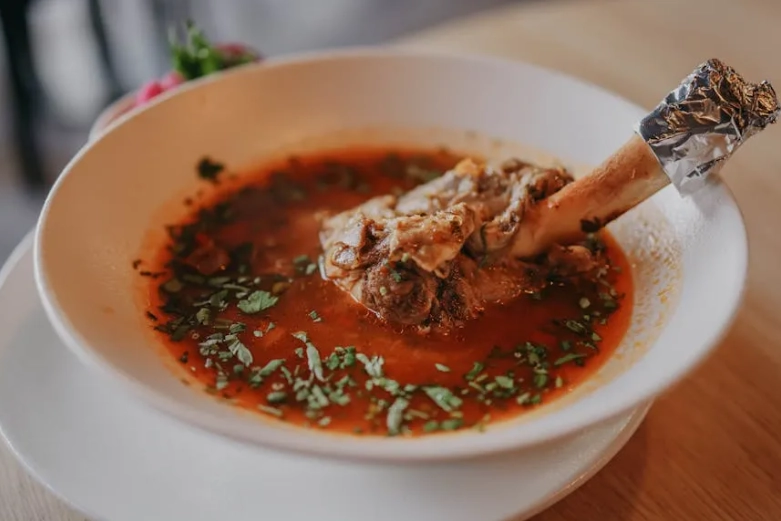
A Personal Tip: I once got distracted and boiled the broth too hard on the stovetop. It turned out cloudy and a bit bitter. My cats were less impressed. Low and slow is the way to go for the best flavor and clarity.
How to Serve It: Dosage and Ideas
More is not better. Start small to see how your cat's stomach tolerates it.
- Start: With 1-2 teaspoons mixed into their regular wet food or offered in a separate small dish.
- Maintenance Dose: 1-2 tablespoons per day, maximum. This can be split between meals.
- Always serve at room temperature or slightly warm. Cold broth straight from the fridge isn't appealing. Warming it releases the aroma.
Creative Ways to Use It:
- The Food Topper: The classic. Drizzle over kibble or mix into pate.
- The Hydration Station: Add a tablespoon to their water bowl. Change this water daily.
- The Frozen Treat: Pour broth into ice cube trays. A hot-weather favorite for my crew.
- The Medicine Disguiser: Sometimes, mixing a crushed pill into a teaspoon of broth works when pill pockets fail.
- The Lick Mat Base: Spread a thin layer of broth on a silicone lick mat and freeze. Great for anxiety or enrichment.
Answering Your Questions (The FAQ)
The Bottom Line: Is It Worth It?
For me, absolutely. Taking an hour every few weeks to simmer a pot of bones gives me a powerful, natural tool to support my cats' health. It's not a cure-all, but it's a simple act of care that addresses a fundamental feline need: hydration.
The journey to finding the right chicken broth for cats starts with tossing out the onion and embracing the plain. It's about seeing it not as a food, but as a supplement—a little liquid encouragement in a bowl.
Start simple. Make a small batch. See if your cat even likes it (most do, but some are weirdly suspicious of new things). Introduce it slowly. The goal isn't to turn your kitchen into a broth factory, but to have one more way to connect with and care for your cat in a meaningful, healthy way.
And remember, when in doubt, your veterinarian is your best resource. Show them this article, show them your recipe. A good vet will appreciate your proactive approach to your cat's hydration.
Here's to happy, hydrated kitties.

Leave a comment