You're sharing a handful of mixed nuts, and those puppy-dog eyes are locked onto you. It's tempting, right? Before you toss one, stop. The question "what kind of nuts can dogs eat?" isn't simple. It's a minefield of potential dangers and rare safe zones. I've been a canine nutrition consultant for over a decade, and I've seen the aftermath of well-meaning mistakes—the emergency vet visits that could have been avoided with a bit of specific knowledge. Most lists online just give you a basic yes/no. They miss the nuances, like how preparation changes everything, or why the size of your dog dramatically alters the risk. Let's cut through the noise. Some nuts are relatively safe in tiny amounts, others are outright poisonous, and almost all come with a catch.
What's Inside?
The Short Answer (For the Impatient)
If you need the cheat sheet right now, here it is. The only nuts I ever recommend considering for dogs are plain, unsalted peanuts and plain, unsalted cashews. And even these are occasional treats, not food. Think of them like a single potato chip for a human—offering zero nutritional benefit to your dog and loaded with fat. Every other common nut, from almonds to walnuts, carries significant risks ranging from digestive upset to fatal toxicity. The biggest mistake I see? Owners think "natural" equals safe. A macadamia nut is as natural as it gets, and it can paralyze a dog's back legs.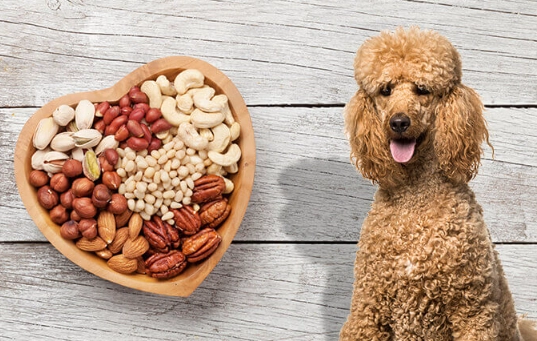
The Short List of Safe(ish) Nuts
Let's be clear: "safe" here means "not known to be toxic." It doesn't mean healthy or advisable. These nuts are high in fat, which can cause pancreatitis—a painful and dangerous inflammation of the pancreas. They're also choking hazards and can cause intestinal blockages, especially in small dogs.
Key Rule: Any nut considered "safe" must be plain, unsalted, unseasoned, and raw or dry-roasted. No chocolate coating, no onion/garlic powder, no sugar, no salt.
Peanuts: The Most Common (and Misunderstood) Option
Yes, dogs can eat peanuts. Technically a legume, they're the most common "nut" question I get. But here's the critical detail everyone misses: they must be shelled. The shell is a choking hazard and can cause an intestinal blockage. Also, never give peanut butter that contains xylitol, an artificial sweetener that is extremely toxic to dogs. A study from the ASPCA Animal Poison Control Center highlights xylitol as a leading cause of toxicosis in dogs from human foods.
How many? For a large dog, one or two peanuts. For a small dog, a quarter of a peanut. Seriously. It's that minimal.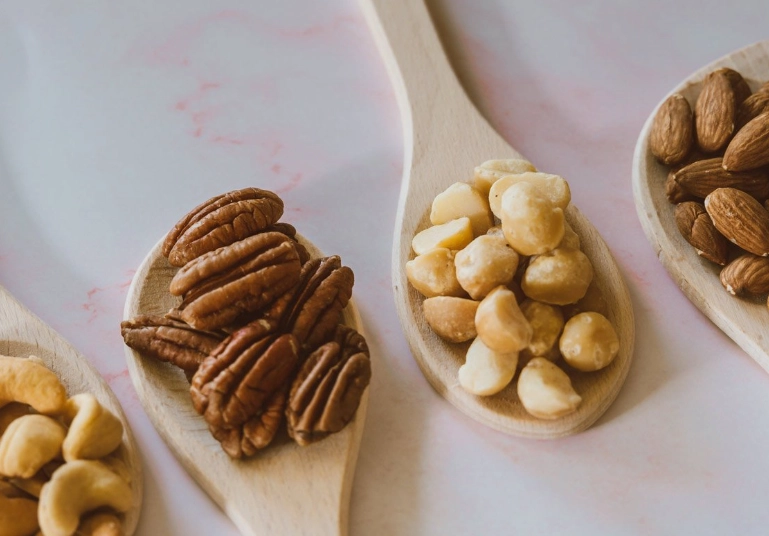
Cashews: Proceed with Extreme Caution
Cashews are not toxic, but they are even richer in fat than peanuts. This makes the pancreatitis risk higher. They must be unsalted. A tiny piece of one cashew is enough for a treat. I've had clients whose dogs got severe diarrhea from just two cashews because their systems weren't used to that fat load.
Why are they even on the list? Because in the world of nuts, where so many are poisonous, non-toxic is a low bar. It doesn't mean you should feed them.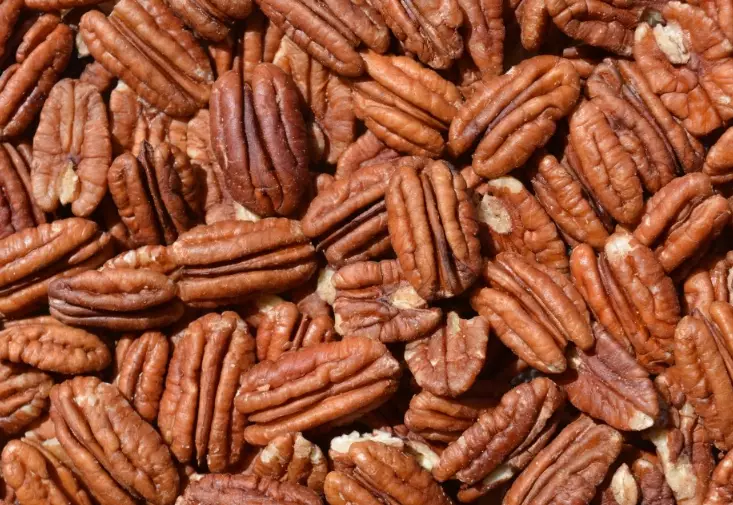
| Nut | Toxicity Status | Primary Risks | "Safe" Serving (Large Dog) |
|---|---|---|---|
| Peanut | Non-Toxic | High fat, choking, blockages, salt/seasoning | 1-2 nuts, shelled, plain |
| Cashew | Non-Toxic | Very high fat, pancreatitis risk | 1/2 to 1 nut, plain |
| Chestnut (cooked) | Non-Toxic | Hard to digest raw, can cause gas | 1 small piece, cooked & plain |
The Absolute No-Go List: Toxic Nuts for Dogs
This is the list to memorize. If these are in your trail mix, keep it far away from your dog.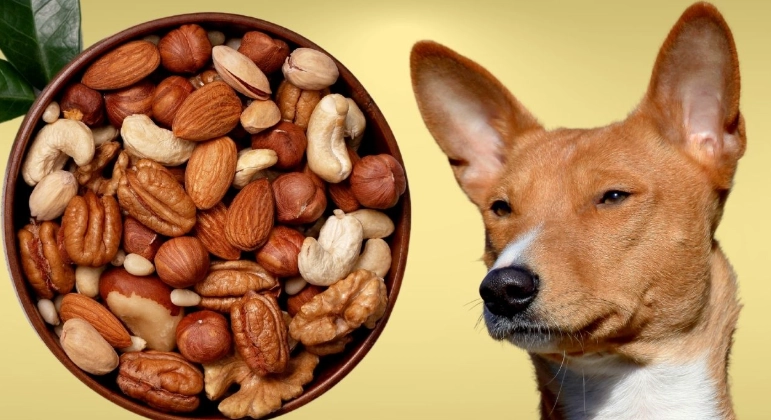
Emergency Note: If you suspect your dog has eaten any of the nuts below, especially macadamia nuts or moldy walnuts, contact your veterinarian or the ASPCA Animal Poison Control Center immediately. Do not wait for symptoms.
Macadamia Nuts: The Neurotoxin
This is the most dangerous common nut for dogs. The exact toxin is unknown, but even a small amount (as few as 2-3 nuts for a 20 lb dog) can cause poisoning. Symptoms, which appear within 12 hours, include weakness (especially in the hind legs), vomiting, tremors, and hyperthermia. According to the Merck Veterinary Manual, the effects are usually temporary but require veterinary support.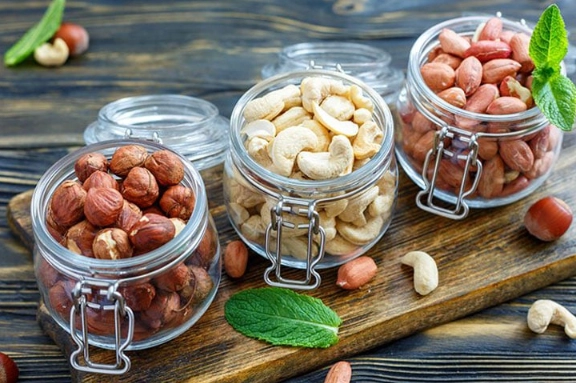
I recall a case with a Labrador who found a bag of macadamia white chocolate cookies. The chocolate was a concern, but the macadamias caused the severe weakness that had the owners rushing in. He recovered, but it was a scary 48 hours.
Walnuts (Especially Black & Moldy): A Double Threat
Regular English walnuts are bad—they're too high in fat and prone to causing stomach upsets and blockages. But black walnuts and old, moldy walnuts are a severe toxic threat. Moldy walnuts can contain tremorgenic mycotoxins, which cause seizures and neurological damage. The hulls of black walnuts also contain juglone, which can be toxic.
Almonds: The Choking Hazard
While not as toxic as macadamias, almonds are a terrible idea. Their shape and hardness make them a major choking and obstruction risk. They can also be difficult to digest and may cause gastric distress. Salted almonds add sodium ion poisoning to the list of risks.
Pecans and hickory nuts fall into a similar category as walnuts—risk of mold toxins and high fat content. Just avoid them all.
How to Feed Nuts Safely: The Expert Protocol
Let's say you've decided to give that one plain peanut. Here's the safe way to do it, step by step. This is the protocol I give my clients.
- Check the Ingredient: Is it only peanut or cashew? No salt, no oil, no flavoring.
- Prepare It: Shell it completely. For larger nuts like cashews, chop it into tiny, pea-sized pieces (or smaller).
- Size the Dose: For a dog under 20 lbs, a crumb. For a 50 lb dog, one small peanut or a quarter of a cashew. This is not a meal.
- Supervise: Give it directly, don't leave nuts out where your dog can find them. Watch them eat it to ensure they chew (or at least don't choke).
- Observe: Watch for any changes over the next 24 hours—lethargy, vomiting, diarrhea, loss of appetite. If you see anything, you know nuts don't agree with your dog.
The truth is, after walking through these steps, most owners realize it's more hassle than it's worth. The risk-reward ratio is terrible. A piece of carrot or apple is a much safer, healthier treat.



Leave a comment