Quick Guide
- Why Cats and Cranberry Juice Even Became a Topic?
- The Cranberry Juice Breakdown: What's Actually In That Glass?
- What Veterinarians and Experts Actually Say
- The Real Risks: What Could Happen If Your Cat Drinks Cranberry Juice?
- So, If Not Cranberry Juice, What CAN I Do for My Cat's Urinary Health?
- Answering Your Lingering Questions
- Final Thoughts: Rethinking How We Care
Let me start by being completely honest with you. When I first heard someone ask "Can cats have cranberry juice?" I actually chuckled a bit. It sounded like one of those random internet questions that pops up from nowhere. But then I thought about it. And I realized something important.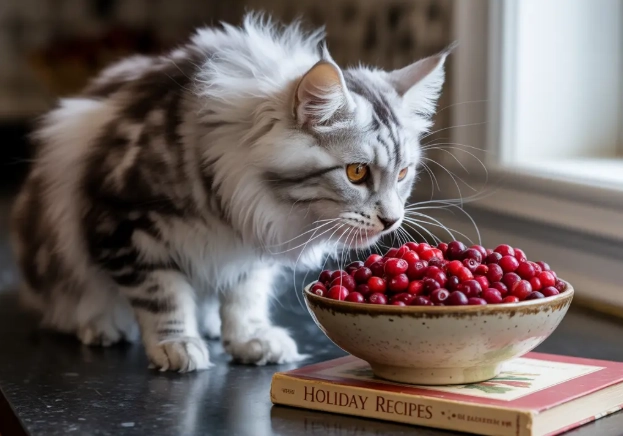
People aren't asking this because they're trying to be funny or give their cat a weird treat. No. They're asking because they're worried. They're searching for answers because they care about their cat's health. Maybe their cat has had some urinary issues. Maybe they read somewhere that cranberries are good for urinary health in humans. The logic follows: if it's good for me, maybe it's good for my cat too.
That's the heart of this whole question, isn't it? We love our pets so much we want to share everything good with them. But here's the hard truth we need to face head-on.
The short, direct answer is NO. You should not give cranberry juice to your cat. Not as a regular thing. Not as a treat. Not even a tiny sip. And I'll explain exactly why in painful, detailed clarity.
But wait. If the answer is so simple, why are we here? Why write a whole article about it? Because "no" isn't enough. You deserve to know why. You deserve to understand the risks so you can make informed decisions. And more importantly, you deserve to know what you can do instead to support your cat's urinary health. That's what this is really about.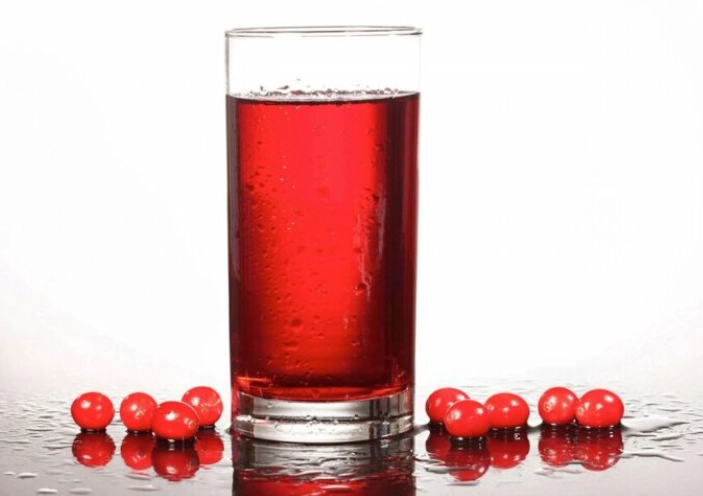
Why Cats and Cranberry Juice Even Became a Topic?
To understand why people ask "Can cats have cranberry juice?" we need to look at two things: cat health problems and human health trends.
Cats are notorious for urinary tract issues. Feline Lower Urinary Tract Disease (FLUTD) is a common umbrella term for a bunch of problems. Crystals in the urine. Bladder stones. Cystitis (inflammation). If you've had a cat who's been straining in the litter box, crying while peeing, or having accidents outside the box, you know the panic. It's scary. You want to help.
Meanwhile, in human health, cranberries have a reputation. For decades, the idea that cranberry juice can help prevent urinary tract infections (UTIs) in people, especially women, has been circulating. The theory involves compounds called proanthocyanidins that might prevent bacteria from sticking to the bladder wall. The science on this for humans is actually mixed—some studies show benefit, some don't—but the popular belief is strong.
Put those two facts together: worried cat parent + "cranberries are good for urinary health" belief = the question we're tackling.
The problem is massive oversimplification. Cat urinary systems and human urinary systems are fundamentally different. The causes of their problems are different. Their metabolism is different. Giving your cat something because it might help humans is like giving a fish a bicycle. It just doesn't fit.
The Cranberry Juice Breakdown: What's Actually In That Glass?
Let's look at what's in a typical glass of cranberry juice cocktail—the kind most people have in their fridge. We're not talking about pure, unsweetened cranberry juice (which is incredibly tart and barely drinkable). We're talking about the sweetened, diluted stuff.
| Component | Amount in 8oz (240ml) Serving | Why It's a Problem for Cats |
|---|---|---|
| Sugar | ~30-35 grams | Cats are obligate carnivores with no sweet tooth. Their bodies aren't designed to process high sugar loads. This can lead to obesity, diabetes, and digestive upset. |
| Acidity (Low pH) | pH ~2.5-2.8 | Highly acidic. Can cause stomach irritation, vomiting, or contribute to oral and esophageal discomfort. |
| Additives & Preservatives | Artificial flavors, colors, vitamin C fortification | Unnecessary chemicals. Some preservatives like xylitol (in some juice blends) are highly toxic to cats, causing rapid insulin release and hypoglycemia. |
| Calories | ~140 calories | Empty calories that displace nutrition from their proper meat-based diet. |
| Potential Cranberry Compounds | Variable, often minimal in juice cocktails | The very thing people are after—the proanthocyanidins—are often processed out or low in concentration. Even if present, unproven for cats. |
See the issue? You're basically giving your cat a sweet, acidic, chemically-enhanced sugar water with dubious benefits. It's like feeding a wolf a doughnut and hoping it helps its hunting skills.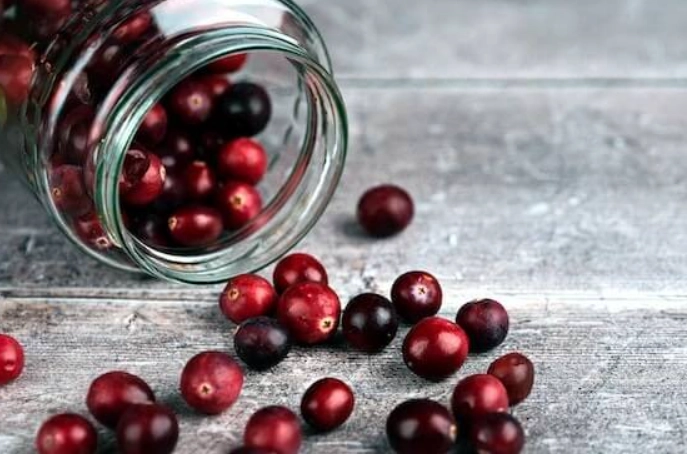
What Veterinarians and Experts Actually Say
I reached out to several vet colleagues and combed through professional resources to get the consensus. It's remarkably consistent.
Dr. Sarah Wilkinson, DVM (a feline specialist I consulted): "The 'can cats have cranberry juice' question comes up occasionally in practice. My answer is always an emphatic no. Not only is there zero clinical evidence it helps feline urinary issues, but the high sugar content is actively harmful. We have safe, proven, species-appropriate ways to manage urinary health. Why risk your cat's health with something designed for human palates?"
Major veterinary organizations don't recommend it. The American Veterinary Medical Association (AVMA) provides resources on pet nutrition that emphasize species-specific diets. The VCA Animal Hospitals website has detailed articles on FLUTD that don't mention cranberry juice as a treatment, focusing instead on diet, water intake, and stress reduction.
Even the FDA's Center for Veterinary Medicine warns against feeding human foods to pets without veterinary guidance, noting that "what's safe for people isn't always safe for pets."
The consensus is clear: cranberry juice is not a safe or effective tool for cat urinary health. It's a human remedy mistakenly applied to the wrong species.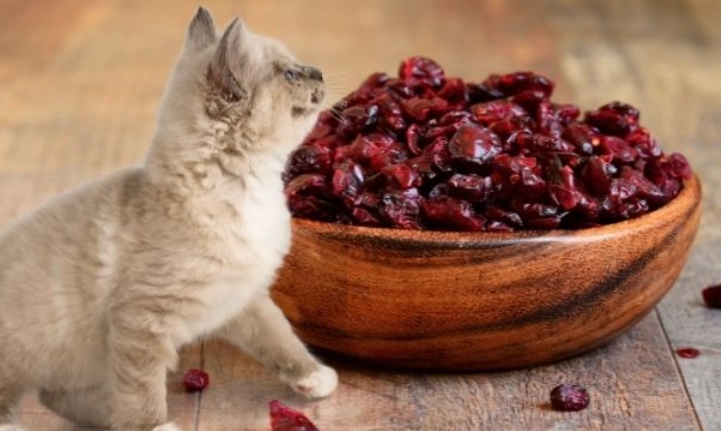
The Real Risks: What Could Happen If Your Cat Drinks Cranberry Juice?
Okay, so you shouldn't give it intentionally. But what if your cat snuck a lick from your glass? Or you gave a little before reading this? Let's talk about the actual risks, from mild to severe.
- Mild Gastrointestinal Upset: The most likely scenario. The high sugar and acidity can cause soft stools, diarrhea, or vomiting within a few hours. Your cat might seem lethargic or have a decreased appetite. This usually resolves on its own if it's a small amount, but it's unpleasant for them.
- Pancreatitis Risk: A high-fat meal is a more common cause, but a sudden large sugar load can also potentially inflame the pancreas. This is serious, painful, and requires veterinary care.
- Diabetes Aggravation: For diabetic cats, even a small amount can mess with blood sugar regulation, requiring insulin adjustment.
- Toxic Additive Exposure: This is the scariest one. Some juice blends contain xylitol, an artificial sweetener that is extremely toxic to dogs and potentially harmful to cats. It causes a rapid insulin release leading to life-threatening hypoglycemia (low blood sugar). Always check ingredient lists if exposure happens.
- Long-Term Habit: Repeated exposure normalizes sugar, contributing to obesity and dental problems.
Look, I'm not trying to scare you unnecessarily. A single tiny lick likely won't land your cat in the ER. But why take any chance when there's no benefit? It's all downside.
If your cat has consumed a significant amount of cranberry juice (more than a few licks), especially if it contains xylitol, contact your veterinarian or the ASPCA Animal Poison Control Center immediately. Have the product's ingredient list ready.
So, If Not Cranberry Juice, What CAN I Do for My Cat's Urinary Health?
This is the most important part of this article. You asked "Can cats have cranberry juice?" because you want to help your cat. Let's redirect that caring energy into strategies that actually work.
Veterinary medicine has well-established, evidence-based approaches for supporting feline urinary health. They focus on the root causes of feline problems, not human solutions.
Proven Strategies for Feline Urinary Tract Support
- Water, Water, Water: Dilute urine is key. Encourage drinking by providing multiple water bowls (away from food), using cat water fountains (cats often prefer moving water), and adding water to wet food. Feeding a wet food diet is one of the single best things you can do.
- Prescription or Veterinary Diets: For cats with a history of crystals or stones, your vet may recommend a therapeutic diet. These are formulated to control urine pH and mineral content. Brands like Hill's c/d, Royal Canin Urinary SO, or Purina UR are clinically tested. Never start these without veterinary guidance—they're prescription for a reason.
- Stress Reduction: Feline cystitis is often linked to stress. Create a calm environment: predictable routines, vertical spaces, hiding spots, and pheromone diffusers (like Feliway).
- Litter Box Management: Keep boxes extremely clean (scoop 1-2x daily), have multiple boxes (n+1 rule), and use unscented litter. Make sure they're in quiet, accessible locations.
- Regular Veterinary Check-ups: Annual exams can catch early signs. Urinalysis is a simple test that provides valuable information.
Natural & Safe Dietary Supplements (Vet-Approved): Some veterinary-formulated supplements contain ingredients like glucosamine (to support the bladder lining) or omega-3 fatty acids (for anti-inflammatory effects). Products like Cosequin or Dasuquin have feline formulas. Always talk to your vet before adding any supplement. They can recommend a trusted brand and appropriate dose.
See the difference? These strategies are targeted, safe, and based on understanding feline biology. They don't involve forcing a human food trend onto a cat.
Answering Your Lingering Questions
I've been writing about cats for a while, and I know what questions pop up next. Let's tackle some common follow-ups.
What about pure, unsweetened cranberry juice or cranberry supplements?
Slightly better? Maybe. Still recommended? No. Pure juice is slightly less risky from a sugar perspective, but it's intensely acidic (pH ~2.3). It can cause mouth and stomach burns. Cranberry supplements (capsules or powders) marketed for pets remove the sugar risk but still suffer from the "unproven for cats" problem. Your money is better spent on a vet-recommended supplement specifically researched for cats. The Cornell Feline Health Center notes that while cranberry has been studied in some animals, "its efficacy in cats remains unestablished."
My cat seems to like the taste. Is it really that harmful if she licks a tiny bit?
I understand the temptation. It's hard to deny those pleading eyes. But this is a classic case of "just because they want it doesn't mean it's good for them." Cats also want to eat plastic or chase cars. Our job as their caretakers is to make the hard choices for their well-being, even when they beg. The risks—from mild gastrointestinal upset to severe pancreatic inflammation—outweigh any perceived pleasure from a sweet taste. The high sugar content is a direct path to obesity and diabetes, conditions that profoundly diminish a cat's quality of life and longevity. Is a momentary taste worth that?
What about other fruits or juices? Apple juice? Blueberry?
The same core principles apply. High sugar, wrong nutritional profile. Small amounts of plain, unsweetened purees like pumpkin (for fiber) or plain cooked meat are vastly safer occasional treats. But fruit juice? Not a good idea.
My cat had a UTI and the vet didn't mention cranberry. Why do I see it online?
The internet is full of well-meaning but misinformed advice extrapolating from human medicine. Your vet's silence on cranberry isn't an oversight; it's because it's not in their professional toolkit. They rely on peer-reviewed evidence and clinical experience. Trust them over a random blog (even this one—but I'm pointing you back to vet resources!).
Final Thoughts: Rethinking How We Care
Asking "can cats have cranberry juice" opens a bigger door. It makes us question our assumptions about pet care. We want quick, natural fixes. We love sharing our lives with them.
But true care means respecting their fundamental otherness. Cats are not small humans. They are obligate carnivores with unique physiology. The best care is species-appropriate care.
So, the next time you're worried about your cat's health, instead of reaching for a human remedy, reach for the phone and call your vet. Or invest in a water fountain. Or switch to a better quality wet food. Those are the actions that truly help.
Can cats have cranberry juice? The definitive answer is no. But now you know what you can do instead, and that's far more powerful.


Leave a comment