You're sitting on the couch, cracking open some salted peanuts. Those puppy-dog eyes lock onto you. The tail thumps. The question pops into your head: can I share one? The short, safe answer is yes, but with a massive asterisk. Plain, unsalted, shelled peanuts are generally non-toxic to dogs in tiny amounts. But what most articles don't tell you is that the real danger isn't toxicity, it's the mundane stuff—the choking hazard of a whole nut, the silent damage of the salt load on a small dog's kidneys, or the gut blockage from a swallowed shell. I've seen a Chihuahua need emergency care after stealing a handful of honey-roasted peanuts. It wasn't pretty. So let's move beyond a simple yes/no and dive into what actually happens, step by step.
What's Inside This Guide?
The Immediate Reaction: What Actually Happens in Their Body?
Think of your dog's digestive system as less efficient than yours at processing certain fats and fibers. When a dog eats a plain peanut, here's the journey:
First, the mouth. If it's a whole peanut, there's an immediate choking risk, especially for small breeds. Dogs tend to gulp. They don't chew nuts into a safe paste like we do.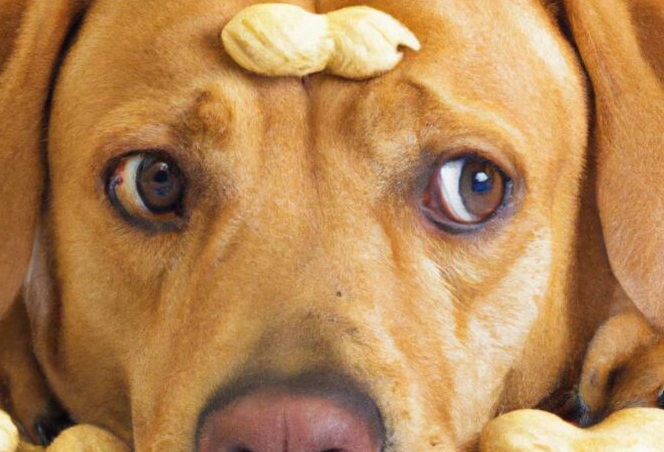
Then, the stomach. The high fat content (about 14g per ounce) hits. For a dog with a sensitive stomach or prone to pancreatitis—a serious inflammation of the pancreas—this fat bomb can trigger vomiting, diarrhea, or worse. This risk is chronically understated. A single peanut likely won't do it, but a handful? That's a different story.
Finally, digestion and... output. The fiber can be mildly beneficial for digestion in small doses. But the shells? They're indigestible. They can cause irritation throughout the intestinal tract or, in a worst-case scenario, form a blockage. That's a vet visit for X-rays and possibly surgery.
The Bottom Line Up Front: A single, plain, unsalted, shelled peanut given as a rare treat is usually fine for a medium or large dog. It's the quantity, seasoning, and form that turn this common snack into a potential problem.
The Peanut Breakdown: From Safest to Most Dangerous
Not all peanuts are created equal. This table cuts through the confusion. It's based on veterinary guidelines from sources like the ASPCA and my own messy experiences.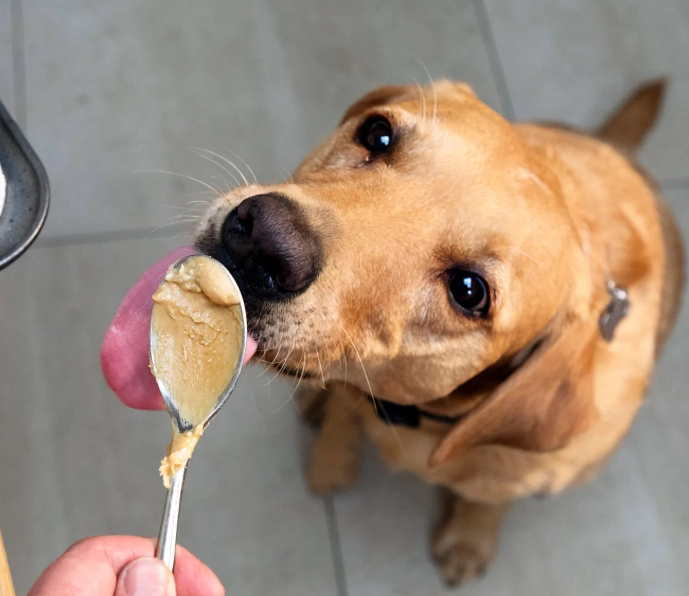
| Peanut Type / Form | Safety Level | Primary Risk & Why | "Would I Give It?" Verdict |
|---|---|---|---|
| Plain, Raw, Unsalted, SHELLED | Generally Safe (in strict moderation) | High fat content (pancreatitis risk), potential allergen. Lowest risk option. | Yes, as a very occasional treat. Crush it first. |
| Dry Roasted, Unsalted, Shelled | Generally Safe (in strict moderation) | Same fat risk, slightly lower moisture. | Yes, same as raw. The go-to choice. |
| Peanut Butter (Xylitol-Free) | Conditionally Safe | High in calories, sugar, salt. Can cause obesity. The xylitol factor is critical (see below). | Yes, but sparingly. Check ingredients like a hawk. |
| Salted Peanuts | Not Recommended | Sodium ion poisoning. Symptoms: vomiting, diarrhea, tremors, seizures. Very dangerous for small dogs. | No. The salt content is almost always too high. |
| Honey Roasted / Flavored Peanuts | Dangerous | Extreme sugar, salt, artificial flavors. Guaranteed upset stomach. | Absolutely not. Keep these locked away. |
| Peanuts in the Shell | Dangerous | Major choking and intestinal blockage hazard. Shells are sharp and indigestible. | Never. A vet bill waiting to happen. |
| Peanut Shells Alone | Dangerous | Pure blockage material. Zero nutritional value. | No. Dispose of them securely. |
See the pattern? The further you get from a plain, unadorned nut, the riskier it gets. The honey-roasted variety is a common culprit because they smell so good to dogs.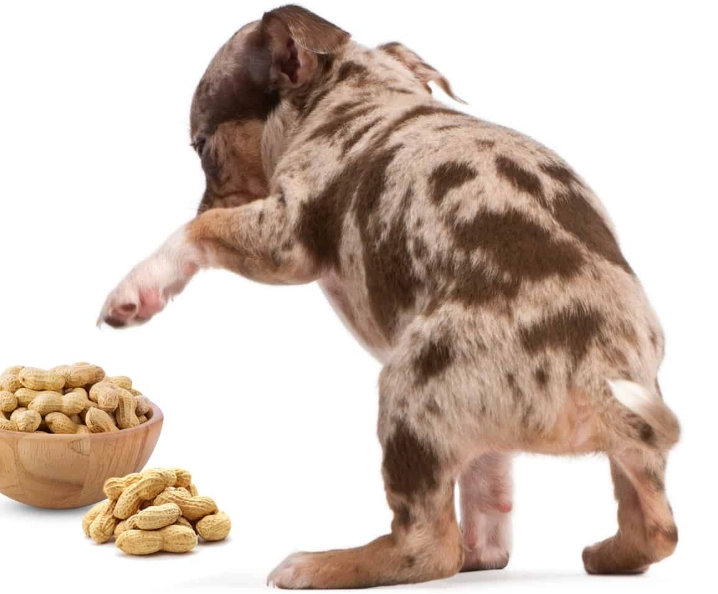
How to Feed Peanuts Safely (The Right Way)
If you decide to offer a peanut, here's the protocol. This isn't just about tossing a nut; it's about risk mitigation.
Step 1: The Preparation
Never give a whole peanut. Always crush or chop it into small pieces. This eliminates the choking hazard and makes it easier to digest. For small dogs, a piece the size of a pea is the absolute max.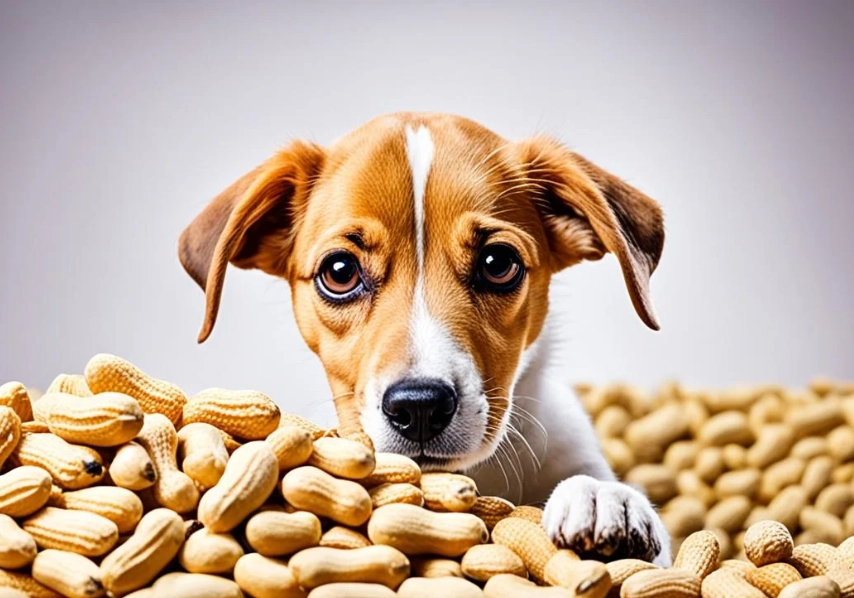
Step 2: The Introduction
Treat it like any new food. Give one tiny piece. Wait 24-48 hours. Watch for any signs of an allergic reaction or digestive upset: itching, hives, swelling, vomiting, or unusual diarrhea. Peanuts are not a common allergen for dogs, but it's possible.
Step 3: The Dosage (This is Key)
Peanuts are treats, not food. The 10% rule applies: treats should make up no more than 10% of your dog's daily calories.
- Large Dogs (50+ lbs): 2-3 crushed peanuts, 2-3 times per week max.
- Medium Dogs (20-50 lbs): 1-2 crushed peanuts, once or twice a week.
- Small Dogs ( A few small crumbles, very occasionally. Honestly, it's often best to skip it altogether and use a lower-fat treat.
I made the mistake of giving my 15-pound terrier a whole peanut years ago. He coughed and hacked for a minute. Never again.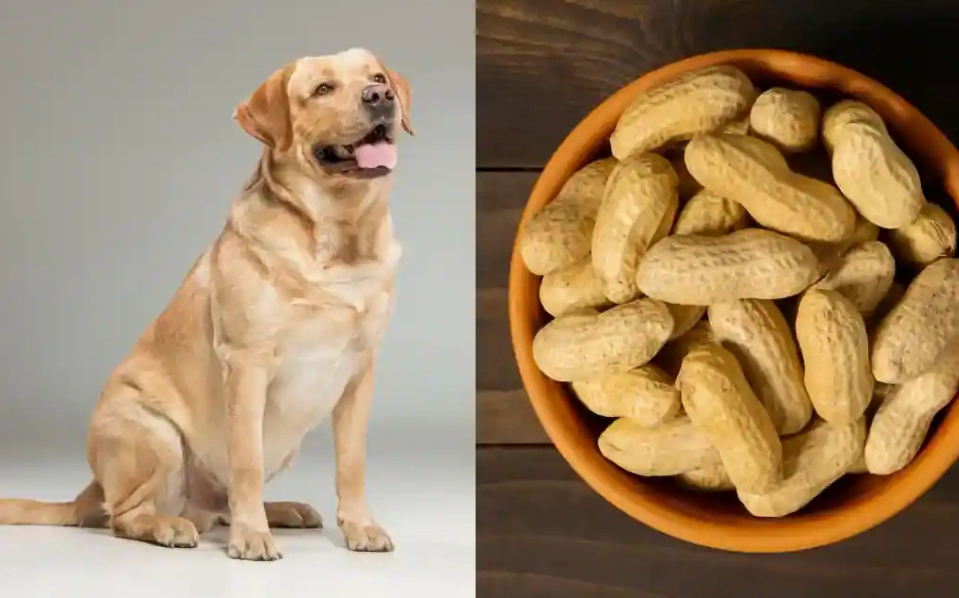
Critical Reminder: Dogs with a history of pancreatitis, kidney disease, or are overweight should avoid peanuts entirely. The fat and phosphorus content can exacerbate these conditions. Always consult your vet if your dog has health issues.
When Peanuts Become Dangerous: Red Flags & Emergency Steps
Let's talk about the "what if" scenarios. What if your dog raids the party bowl?
Scenario 1: They ate a large handful of salted peanuts.
The risk here is salt toxicity. Watch for excessive thirst, vomiting, diarrhea, lethargy, tremors, or seizures. For a small dog, even a small handful can be an emergency. Call your vet or an animal poison control center immediately. Do not induce vomiting unless instructed.
Scenario 2: They swallowed peanuts in the shell.
The shell is the problem. Monitor closely for the next 24-72 hours. Red flags for a blockage include:
- Loss of appetite
- Lethargy
- Repeated vomiting (especially if nothing comes up)
- Straining to defecate or producing no stool
- A painful or distended abdomen
This is a go-to-the-vet-now situation. Blockages can be fatal.
Scenario 3: They got into peanut butter with xylitol.
This is a true, life-threatening emergency. Xylitol causes a rapid, severe drop in blood sugar and liver failure in dogs. Symptoms can appear within 10-60 minutes: vomiting, weakness, stumbling, collapse, seizures. Rush to the emergency vet. Time is critical. I keep a list of xylitol-free brands on my fridge for this reason.
The Peanut Butter Deep Dive
Peanut butter is the most common way dogs encounter peanuts. The rule is simple but non-negotiable: Xylitol is poison. It's a sugar alcohol increasingly common in "sugar-free" or "low-carb" products. Scour the ingredient list. If you see it, put it on a high shelf far from your dog.
Even with a safe, xylitol-free brand, choose a natural one with just peanuts (and maybe salt). Avoid added sugars, hydrogenated oils, and chocolate. A small lick from a spoon or stuffed in a Kong is fine. But remember, two tablespoons of peanut butter can be over 10% of a small dog's daily calories. It adds up fast.
Some vets, including those cited by the FDA in their warnings about xylitol, suggest using peanut butter more as a high-value tool for medication or enrichment in a toy, rather than a routine snack.
Your Top Questions, Answered
My dog just ate one salted peanut from the floor. Should I panic?
For a medium or large dog, one salted peanut is unlikely to cause salt toxicity. Just ensure they have plenty of fresh water. Monitor for any signs of vomiting or excessive thirst over the next few hours. For a toy breed puppy, it's worth a quick call to your vet to be safe, as their tolerance is much lower.
Are there any health benefits to giving my dog peanuts at all?
The benefits are minimal and outweighed by the risks if not done perfectly. They contain protein, vitamin B, and healthy fats. However, your dog's complete and balanced food already provides all this in the right ratios. You're not supplementing their diet; you're giving a risky, high-fat treat. The primary "benefit" is their enjoyment, which can be achieved with safer options like a piece of apple or carrot.
How do I know if my dog is allergic to peanuts?
Allergies in dogs typically manifest on the skin. After feeding a tiny amount for the first time, watch for itching (especially paws, ears, base of tail), red skin, hives, or swelling of the face. Gastrointestinal signs like vomiting or diarrhea can also occur. If you see any of this, stop immediately and consult your vet. An allergy test can provide a definitive diagnosis.
My dog ate a peanut shell two days ago and seems fine now. Is he in the clear?
Not necessarily. While many shells pass through uneventfully, a partial blockage can sometimes take days to cause obvious symptoms. Continue monitoring for any changes in appetite, energy, or bowel movements. If he's eating, drinking, playing, and pooping normally, chances are good it passed. But if any doubt remains, an X-ray at the vet can offer peace of mind.
What's a safer, low-fat alternative to peanuts for dog treats?
Great question. I mostly use these instead:
Frozen green beans or baby carrots (crunchy, low-calorie).
Small pieces of apple (seeds removed).
Plain, air-popped popcorn (no salt, no butter).
Commercial dog treats specifically formulated to be low-fat. These are predictable and safe.
Look, sharing food is a love language for many of us with dogs. But with peanuts, the margin for error is smaller than we think. The safest path is to simply choose a different treat. If you do share, make it plain, make it crushed, and make it rare. Your dog's tail will wag just as hard for a safer option, and you'll both sleep better knowing you avoided a midnight trip to the emergency vet.
Leave a comment