You're staring at a plain boiled chicken breast destined for your dog's bowl. It looks... sad. You think, "A little something wouldn't hurt, right?" But then you freeze. Garlic? Onion? Salt? The internet is a minefield of conflicting advice. Let's cut through the noise. The short answer is yes, you can use certain seasonings on chicken for your dog, but the list of safe options is specific and the rules are non-negotiable. This isn't about making gourmet meals; it's about enhancing your dog's diet safely, especially for picky eaters or dogs needing a bland diet during recovery. I've been through this with my own senior dog, Max, whose appetite would vanish without a little culinary encouragement. Getting it wrong isn't worth the risk.
What's Inside This Guide
Safe Herbs and Spices for Dogs: Your Approved Pantry List
Forget the complex spice blends. When it comes to dogs, simple is superior. The safe seasonings are primarily fresh or dried herbs with known digestive or anti-inflammatory benefits. The golden rule: use them sparingly as a flavor accent, not the main event. A tiny pinch for a whole batch of chicken is more than enough.
| Seasoning | Form to Use | Potential Benefit for Dogs | Key Consideration & How to Use |
|---|---|---|---|
| Basil | Fresh (chopped) or Dried | Antioxidant, may help with inflammation. | Very safe. Sprinkle a tiny amount over cooled chicken. |
| Oregano | Dried (use sparingly) | Antimicrobial properties. Potent flavor. | Use half a pinch. Too much can upset stomach. |
| Parsley | Fresh, flat-leaf (curly is fine too) | Freshens breath, source of vitamins. | Chop finely. Avoid in large quantities or if your dog has kidney issues. |
| Turmeric | Ground powder | Powerful anti-inflammatory (curcumin). | Always mix with a fat (e.g., a drop of coconut oil) and a pinch of black pepper for absorption. Start with a rice-grain amount. |
| Ginger | Fresh, grated (minced) | Aids digestion, can help with nausea. | A small slice (size of a pea) grated over food. Excellent for upset stomachs. |
| Cinnamon | Ceylon type (true cinnamon) | Antioxidant, may help regulate blood sugar. | A light dusting only. Avoid Cassia cinnamon (common in stores) in large doses. |
| Rosemary | Fresh or Dried | Antioxidant, often found in commercial dog foods. | Safe in small culinary amounts. Some sources caution against large doses for epileptic dogs. |
Notice something? Salt isn't on that list. A tiny, tiny amount from the chicken cooking water is fine, but never add extra salt. Dogs' sodium requirements are much lower than ours, and their kidneys work hard enough.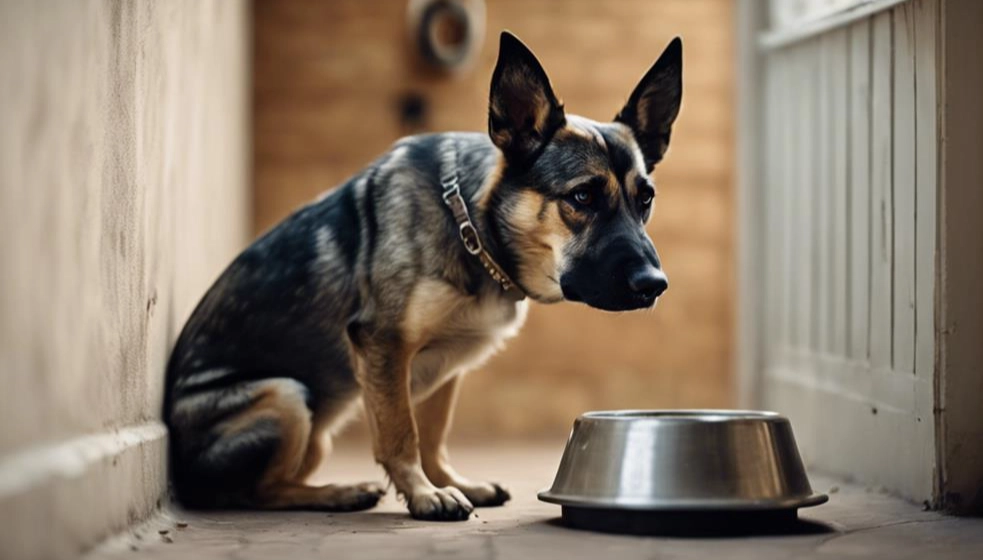
The "Bland Diet" Seasoning Twist
When your vet recommends boiled chicken and rice for an upset stomach, it can get old fast. Here's a pro tip I learned from a veterinary nutritionist: add a few sprigs of fresh parsley or a slice of ginger to the water while boiling the chicken. It imparts a subtle flavor without adding any solids or oils that might irritate the gut. Remove the herbs before serving. It makes the world of difference for a convalescing pup.
Dangerous Seasonings to Avoid Immediately: The No-Go Zone
This part is critical. Many common human kitchen staples are toxic to dogs, even in small amounts. The danger isn't always immediate vomiting; some cause silent, cumulative damage to red blood cells or organs.
- Onion & Garlic (All Forms): This includes powder, salt, fresh, cooked, or dehydrated. They contain thiosulfate, which destroys red blood cells, leading to hemolytic anemia. Garlic is about 5 times more potent than onion, but both are dangerous. "A little bit" is not safe.
- Chives & Leeks: Part of the Allium family, same toxicity as onion and garlic.
- Salt (in excess): Added salt can lead to sodium ion poisoning—symptoms include vomiting, diarrhea, tremors, and seizures.
- Nutmeg: Contains myristicin, which can cause hallucinations, high heart rate, disorientation, and seizures.
- Macadamia Nuts: While not a seasoning, they're sometimes in blends. Highly toxic, causing weakness, vomiting, and hyperthermia.
- Xylitol: An artificial sweetener found in some "sugar-free" products. It causes a rapid insulin release in dogs, leading to life-threatening hypoglycemia and liver failure.
I've seen well-meaning owners use garlic powder because an old book said it helps with fleas. That myth needs to die. The ASPCA Animal Poison Control Center lists garlic as toxic. The risk of anemia far outweighs any unproven benefit.
How to Safely Introduce New Flavors to Your Dog's Diet?
You wouldn't eat a new cuisine for the first time in a huge portion. Don't do that to your dog either. The process is slow and observant.
- Start with One. Pick one safe herb from the list above. Don't create a medley.
- Micro-Dose. For dried herbs, think "a pinch" means 1/16th of a teaspoon for a whole bowl of food. For fresh, one small leaf, finely chopped.
- Mix Thoroughly. Combine it well with their regular food or plain chicken.
- Watch for 24-48 Hours. Monitor for any changes: loose stools, vomiting, itching, or changes in energy. If all is clear, you've found a safe option.
- Keep it Occasional. These are flavor enhancers, not daily nutritional supplements. Use them once or twice a week to keep meals interesting.
If your dog has any pre-existing conditions (kidney, liver, pancreatic issues, or epilepsy), consult your veterinarian before adding anything new, even from the safe list.
A Simple, Vet-Approved Flavor Boost Recipe
Here’s a concrete example you can try. I call it "Gentle Ginger Chicken" for when Max's stomach is off but he turns his nose up at plain food.
Gentle Ginger Chicken for Dogs
Ingredients:
- 1 boneless, skinless chicken breast
- 1-inch piece of fresh ginger, peeled
- 4 cups of water
- 1 cup of plain, cooked white rice (optional, for serving)
Instructions:
- Place the chicken breast and the whole piece of peeled ginger in a pot with the water.
- Bring to a boil, then reduce to a simmer. Cover and cook for about 15-20 minutes, until the chicken is cooked through.
- Remove the chicken and the piece of ginger. Discard the ginger.
- Let the chicken cool completely, then shred it with two forks. Do not add back the cooking broth if your dog is on a strict bland diet, as the fat may have rendered into it.
- Serve a small portion of shredded chicken mixed with a little plain rice. Store the rest in the fridge for up to 3 days.
The chicken will have a very subtle, soothing ginger flavor that can encourage eating without irritating the stomach.
Your Top Seasoning & Safety Questions Answered
 Are herbs like mint or dill safe for dogs?



Leave a comment