Navigate This Guide
- The Short Answer: It's Complicated (But Here's the Breakdown)
- When Peanut Butter *Might* Be Okay for a Dog with Diarrhea
- The Big, Scary Reasons Why Peanut Butter Can Be Bad for Diarrhea
- How to Choose the Safest Peanut Butter (If You Must Use It)
- What to Do Instead: Safer, More Effective Alternatives
- Common Questions About Peanut Butter and Dog Diarrhea (FAQ)
- The Final Verdict: A Practical Summary
You're staring at your pup, who's just had another messy accident on the rug. They look miserable, you feel helpless, and you're scouring the kitchen for something, anything, that might help settle their stomach. Your eyes land on the jar of peanut butter. It's a favorite high-value treat for hiding pills or just for spoiling. The question pops into your head, clear as day: is peanut butter good for dogs with diarrhea?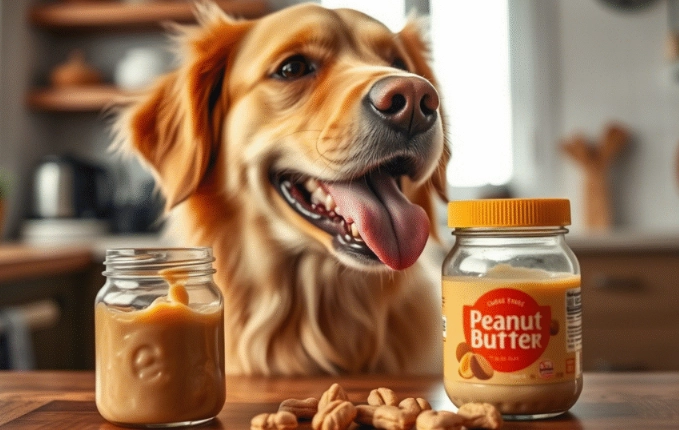
Let's cut through the noise right away. The answer isn't a simple yes or no. Anyone who gives you a one-word answer is oversimplifying. I've been through this with my own dog, a Labrador with a stomach of cast iron... except for when it suddenly isn't. Throwing peanut butter at the problem can sometimes help, but other times it can be like pouring gasoline on a fire. It all comes down to the why behind the diarrhea, the type of peanut butter, and the amount you give.
Think of it this way. Peanut butter isn't medicine. It's not a cure. But in very specific, mild situations, the right kind can be a useful tool in your toolkit. Get it wrong, though, and you might make things worse. This guide is going to walk you through exactly when it might be okay, when you should absolutely avoid it, and what you should do instead. We'll look at what vets say, break down the ingredients that matter (and the ones that are downright dangerous), and I'll even share a couple of things I learned the hard way.
The Short Answer: It's Complicated (But Here's the Breakdown)
So, is peanut butter good for dogs with diarrhea? The most accurate response is: It can be, but only under specific conditions and with major caveats. For a dog with a simple, mild upset stomach from eating something slightly off, a small amount of the right peanut butter might help because it's bland and binding. But for diarrhea caused by a serious infection, pancreatitis, or food allergies, peanut butter could be a terrible idea.
The Core Principle: Peanut butter should never be your first line of defense for canine diarrhea. Its primary role is as a highly palatable vehicle for hiding medication or encouraging eating after a fast, not as a therapeutic treatment for the diarrhea itself.
I see a lot of forums where people swear by it. "A spoonful fixed my dog right up!" they say. And hey, that might be true for their dog on that day. But for every one of those stories, there's another where it made the dog sicker. The difference usually lies in what was actually causing the gut trouble in the first place.
When Peanut Butter *Might* Be Okay for a Dog with Diarrhea
Let's talk about the narrow window where using peanut butter isn't a crazy thought. This is for those non-emergency, "I think he ate some grass and it didn't agree with him" kind of situations.
The Bland Diet Helper
After a short fasting period (always check with your vet on this), vets often recommend a bland diet like boiled chicken and plain white rice to gently reintroduce food. The problem? Some dogs, especially when they're feeling off, turn their nose up at plain rice. This is where a tiny smear of safe peanut butter mixed into the rice can work wonders. It adds a familiar, enticing smell and flavor that encourages eating without being harsh on the gut. The key word is tiny. We're talking half a teaspoon for a medium-sized dog, just enough to coat a few grains of rice.
The Medication Vehicle
This is arguably the most legitimate use. If your vet has prescribed pills for the diarrhea (like antibiotics or anti-inflammatories) and your dog is a master at finding and spitting out pills, a dab of peanut butter can be the perfect hiding spot. It's sticky, it's tasty, and most dogs swallow it without a second thought. This ensures they get the medicine they actually need to recover. So in this indirect way, peanut butter helps manage the condition by delivering the cure.
Here's my personal experience: My Lab once had a minor bout of the runs. The vet prescribed metronidazole. That pill is notoriously bitter. Wrapping it in cheese? Spat out. In pill pocket? Eaten around. A small glob of 100% pure, xylitol-free peanut butter smeared around the pill? Gone in one gulp. The peanut butter didn't treat the diarrhea, but it sure got the treatment into him.
The Big, Scary Reasons Why Peanut Butter Can Be Bad for Diarrhea
Now, let's get into the real meat of the issue—the reasons why the question "is peanut butter good for dogs with diarrhea" often has a "no" for an answer. This is the stuff that keeps vets up at night.
1. The Fat Content Problem
Most commercial peanut butters are high in fat. High-fat foods are notoriously difficult for dogs to digest, especially when their digestive system is already inflamed and upset. Feeding a fatty food can:
- Exacerbate diarrhea, making it worse.
- Trigger pancreatitis, which is a serious, painful inflammation of the pancreas. Symptoms of pancreatitis include severe diarrhea, vomiting, and abdominal pain. It's an emergency. Starting with diarrhea and adding high-fat peanut butter is like inviting pancreatitis to the party.
Dogs with pre-existing conditions like pancreatitis or chronic gastrointestinal disease should never have peanut butter when they're having a flare-up.
2. The Hidden Killer: Xylitol
This is non-negotiable. Xylitol is a sugar alcohol that is EXTREMELY toxic to dogs. It's becoming more common in "sugar-free" or "low-sugar" peanut butters. According to the U.S. Food and Drug Administration (FDA), xylitol can cause a rapid release of insulin in dogs, leading to hypoglycemia (dangerously low blood sugar), which can be fatal. It can also cause acute liver failure.
WARNING: Xylitol poisoning is an absolute emergency. Symptoms like vomiting, weakness, stumbling, and seizures can occur within 10-60 minutes. If you even suspect your dog has eaten something with xylitol, call your vet or animal poison control immediately. The ASPCA Animal Poison Control Center is a critical resource (1-888-426-4435). Never, ever give your dog peanut butter without meticulously checking the ingredient list for xylitol.
3. Other Gut-Irritating Ingredients
Even if it's xylitol-free, your standard jar of Jif or Skippy is packed with stuff a sick dog doesn't need:
- Added Sugars/Salt: Unnecessary calories and can worsen dehydration.
- Hydrogenated Oils/Palm Oil: Harder-to-digest fats that add to the GI burden.
- Artificial Sweeteners & Flavors: More potential gut irritants.
Feeding this to a dog with diarrhea is asking for trouble. You're introducing a bunch of chemical and processed elements into a system that's trying to reset itself.
4. The Allergy and Sensitivity Wild Card
While not as common as chicken or beef allergies, dogs can be allergic or sensitive to peanuts. If the diarrhea is actually being caused by a food allergy you're unaware of, and peanuts are the culprit, then giving peanut butter is obviously going to prolong the problem. Symptoms of food allergies often include chronic diarrhea, itchy skin, and ear infections.
How to Choose the Safest Peanut Butter (If You Must Use It)
If, after consulting your vet, you're in one of those narrow-use cases (hiding medicine, encouraging eating), you must choose the absolute safest option. Here’s what to look for:
| Ingredient to Look For | Why It's Important | What to Avoid |
|---|---|---|
| ONE Ingredient: Peanuts. That's it. | This ensures no added fats, sugars, salts, or toxic sweeteners. It's the purest, most natural form. You can find these in health food stores or grind your own at some grocery stores. | Any list with more than one ingredient is suspect until proven otherwise. |
| "Xylitol-Free" clearly stated. | Don't just scan; read every word. Some brands market as "natural" but still contain xylitol. | Any mention of "sugar-free," "low-sugar," or "no sugar added" – scrutinize these with extreme caution. |
| Lowest fat content you can find. | Some natural peanut butters separate, with oil on top. This can be higher in fat. Look for brands that specify a lower fat percentage. | Regular commercial brands, which are high in fat due to added oils. |
Pro Tip: When in doubt, skip the peanut butter altogether. The potential risks often outweigh the minor benefits for a dog with an upset stomach. Plain, canned pumpkin (not pie filling) or plain boiled chicken are safer, more reliable choices.
What to Do Instead: Safer, More Effective Alternatives
Let's be honest. The main reason we ask "is peanut butter good for dogs with diarrhea" is because we want a quick, easy fix from our pantry. But there are better tools for the job. Here’s a step-by-step, vet-recommended approach that doesn't rely on peanut butter.
Step 1: Assess and Call the Vet
This isn't an alternative; it's step one. Is your dog lethargic? Is there blood in the diarrhea? Are they vomiting repeatedly? Are they a puppy, senior, or have a pre-existing condition? If yes to any, skip the internet and call the vet. Always. The American Veterinary Medical Association (AVMA) stresses that persistent diarrhea can lead to dangerous dehydration and electrolyte imbalances.
Step 2: The Brief Fast
For adult dogs with simple diarrhea, a 12-24 hour fast (with constant access to small amounts of water) can give the GI tract a chance to rest and reset. Never fast a puppy, a very small dog, or a dog with other health issues without direct vet instruction.
Step 3: The True Bland Diet
After the fast, introduce a bland diet in small, frequent meals.
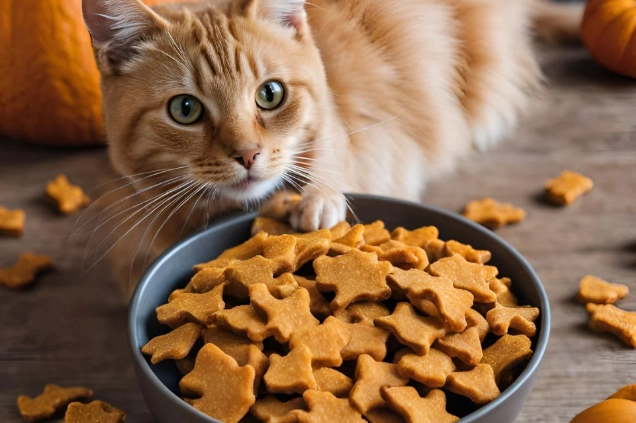
- Top Choice: Plain Canned Pumpkin (100% pumpkin). This is the superstar. It's high in soluble fiber, which helps absorb excess water in the intestines and adds bulk to stool. Give 1-4 tablespoons per meal, depending on dog size, mixed with...
- Boiled, Skinless, Boneless Chicken Breast or Lean Ground Turkey. Easy protein.
- Plain White Rice or Boiled Sweet Potato. Easy carbs.
A 2:1 ratio of carb to protein is a good start. Feed this for a few days until stools normalize, then slowly transition back to regular food over a week.
Step 4: Probiotics
A good quality canine probiotic can help repopulate the gut with good bacteria. These come in powders, capsules, or specially formulated treats. Ask your vet for a recommendation. This is a more targeted approach than hoping peanut butter does something helpful.
Common Questions About Peanut Butter and Dog Diarrhea (FAQ)
No, you should not give peanut butter with the primary goal of stopping diarrhea. It is not an anti-diarrheal agent. Its potential utility is very limited to encouraging a sick dog to eat a bland meal or take necessary medication. The active treatment should come from your vet's advice, which may include a specific diet, probiotics, or medication.
If you feel you must use it, the only kind considered is 100% pure, plain, unsalted, xylitol-free peanut butter with no added ingredients. Even then, use a minuscule amount (like a quarter teaspoon for a small dog) only as an enticement. The pure, single-ingredient stuff you find at health food stores is your only viable option. Frankly, pumpkin is a better choice.
First, check the ingredient list of the peanut butter for xylitol immediately. If xylitol is listed, contact your vet or animal poison control right now. If it's xylitol-free, the diarrhea is likely due to the high fat content or other additives. Withhold food for 12 hours (ensure water is available), then start a bland diet of chicken and rice or pumpkin. If the diarrhea persists beyond 24 hours, is severe, or is accompanied by vomiting or lethargy, see your vet. The peanut butter likely triggered or worsened the issue.
The phrase "a little bit" is where people get into trouble. For a large dog with a very mild, simple stomach upset, a tiny smear of the purest peanut butter might not cause harm. But the problem is, you rarely know the exact cause of the diarrhea. That "little bit" of fat could be enough to tip a dog with subclinical pancreatitis into a full-blown, painful attack. So while it might be okay in some theoretical scenarios, the safer, smarter answer is to avoid it and use a proven bland diet component instead.
The Final Verdict: A Practical Summary
So, after all this, let's circle back to the big question: is peanut butter good for dogs with diarrhea?
Look, I get the appeal. It's convenient, dogs love it, and we want to help our furry friends feel better fast. But based on everything we've covered—the high fat, the risk of pancreatitis, the deadly threat of xylitol, and the gut-irritating additives—it's clear that peanut butter is a high-risk, low-reward option for treating diarrhea.
Its legitimate uses are incredibly narrow: as a last-resort pill hider or a flavor enhancer for bland food in tiny, controlled amounts using only the purest product. It is not a treatment. It is not a cure.
The next time your dog has an upset stomach, skip the peanut butter jar. Reach for the plain canned pumpkin, boil some chicken and rice, and most importantly, let your vet guide you. Your dog's gut will thank you for it. Managing diarrhea is about supporting the body's healing process with gentle, digestible foods, not about challenging it with a rich, processed spread. Keep it simple, keep it safe, and you'll both get through the messy situation a lot faster.

Leave a comment