Let's cut to the chase. You're here because you love your dog and want to explore natural ways to support their health. The question "What is the healthiest herb for dogs?" is a great starting point, but it's also a bit of a trick question. After over a decade working with canine nutrition and consulting with holistic vets, I can tell you there isn't a single magic bullet. The "healthiest" herb depends entirely on your dog's individual needs—their age, size, health status, and what you're trying to achieve. Trying to crown one champion is like asking what the healthiest food is for all people. It doesn't work that way.
What I can give you is a detailed, practical guide to the top-tier herbs with the strongest safety and efficacy profiles for dogs. We'll move beyond the generic lists you see everywhere and into the specifics of how to use them, what mistakes to avoid, and how to think like an informed pet parent.
What's Inside This Guide
- Understanding "Healthiest" in the Context of Canine Herbs
- A Breakdown of the Top Contenders for "Healthiest" Herbs
- How to Choose the Right Herb for YOUR Dog
- Practical Application: Dosage, Forms, and Safety First
- Common Mistakes Dog Owners Make (And How to Avoid Them)
- Your Questions Answered: The Real-World FAQ
Understanding "Healthiest" in the Context of Canine Herbs
When I say "healthy," I'm weighing three critical factors: safety margin, breadth of research (both traditional and modern), and versatility of benefits. An herb that's incredibly potent but has a narrow safety window isn't "healthiest" for general use. Conversely, an herb that's perfectly safe but does very little isn't a top contender either.
The herbs we'll focus on are ones I've seen make a consistent, positive difference in practice. They're the ones I feel comfortable recommending to a friend who's new to herbal supplements for their dog. They have a long history of use and a growing body of veterinary science to back them up, like the studies referenced in resources from institutions like the University of Pennsylvania School of Veterinary Medicine on integrative care.
A Breakdown of the Top Contenders for "Healthiest" Herbs
Instead of a numbered list, let's look at this as a toolkit. Each herb has its specialty.
| Herb | Primary Superpower | Best For Dogs Who... | Key Consideration |
|---|---|---|---|
| Turmeric (Curcumin) | Powerful anti-inflammatory & antioxidant. | Struggle with joint stiffness (arthritis), have general age-related inflammation, or need immune support. | Must be given with black pepper (piperine) or a fat source for absorption. Can stain fur and light-colored carpets. |
| Milk Thistle (Silymarin) | Liver support and detoxification champion. | Are on long-term medications, are seniors, have had exposure to toxins, or need liver support during illness. | Often used as a short-term course (4-6 weeks) rather than daily forever. Consult a vet for dogs with known liver issues. |
| Ginger | Digestive soothe-r and anti-nausea agent. | Get car sick, have occasional upset stomach, or experience mild nausea. | Fresh grated ginger is fantastic. Easy to overdose on powdered forms, causing stomach upset—the opposite of the goal. |
| Chamomile | Gentle calming and digestive aid. | Are mildly anxious, have trouble settling, or experience occasional gas/indigestion. | Use German chamomile. Extremely safe in proper doses. A cool chamomile tea can be poured over food. |
| Parsley | Fresh breath support & nutrient boost. | Need a breath freshener (mild effect) or a sprinkle of vitamins (A, C, K) and chlorophyll. | Use flat-leaf or curly parsley from your kitchen. Avoid spring parsley, which is toxic. It's a supplement, not a cure for dental disease. |
Notice I didn't include some popular ones like garlic or oregano here. That's intentional. Garlic is controversial—toxic in large doses, possibly beneficial in microscopic, carefully measured doses. For the "healthiest" and safest list, I don't recommend it for the average owner because the risk of miscalculation is too high. Oregano is potent but can be irritating to the gut lining if used indiscriminately. This is the kind of nuance you often miss on generic blogs.
The Adaptogen: Ashwagandha
This one deserves a special mention. It's gaining traction for stress support. From my observation, it can be helpful for dogs with chronic, low-grade anxiety or those who are easily overwhelmed. But it's not a fast-acting sedative. Think of it as helping the body's resilience over weeks, not calming a thunderstorm phobia in minutes. It's powerful, so vet guidance is key.
How to Choose the Right Herb for YOUR Dog
Don't just throw a bunch of herbs at your dog hoping something sticks. Start with a clear goal.
Is your 12-year-old Lab slowing down on walks? Turmeric might be your first port of call. Did your dog just finish a round of antibiotics for a skin infection? A short course of milk thistle could be a thoughtful supportive measure. Puppy getting queasy on the way to the park? Have some fresh ginger on hand.
Practical Application: Dosage, Forms, and Safety First
This is where most guides get vague. Let's get specific.
Dosage is Everything. It's almost always based on your dog's weight. For dried, powdered herbs (like turmeric), a common starting point is 15-20 mg per pound of body weight, once or twice daily. That means a 20lb dog might start with 300-400 mg. Use a proper milligram scale for powders; kitchen teaspoons are wildly inaccurate.
Forms Matter.
- Fresh: Great for ginger, parsley. A few small flakes or a teaspoon chopped.
- Dried/Powdered: Concentrated. Must be measured precisely.
- Tinctures (extracts): Potent and fast-absorbing. Dosing is usually in drops. Ensure they are alcohol-free or specifically formulated for pets.
- Capsules: Convenient for pre-measured doses, especially for messy powders like turmeric.
Common Mistakes Dog Owners Make (And How to Avoid Them)
I've seen these over and over.
Mistake 1: The "Kitchen Scoop" Measurement. Eyeballing a teaspoon of a potent powder is a recipe for an upset stomach or ineffectiveness. Invest in a small digital scale.
Mistake 2: Expecting Overnight Miracles. Herbs often work subtly and cumulatively. Give it at least 3-4 weeks to assess effects for chronic issues.
Mistake 3: Ignoring Quality. Not all supplements are created equal. Look for brands that use organic herbs, specify the part of the plant used (e.g., "rhizome"), and have third-party testing for purity and heavy metals. The National Animal Supplement Council (NASC) seal on a product is a good indicator of a quality-focused company.
Mistake 4: Treating a Serious Symptom with an Herb Alone. If your dog is suddenly lame, vomiting repeatedly, or showing signs of acute distress, that's a vet visit, not a Google search for an herbal remedy. Herbs are for support and wellness, not emergency medicine.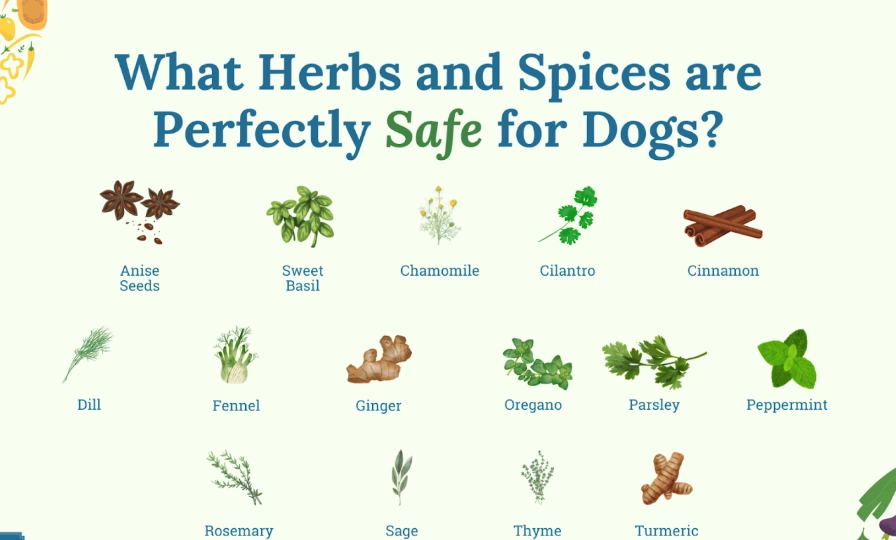
Your Questions Answered: The Real-World FAQ
 My dog is on prescription medication for a heart condition. Are any herbs completely off-limits?
 So, what is the healthiest herb for dogs? It's the one that matches your dog's specific need, is sourced from a quality supplier, is dosed accurately, and is introduced with patience and professional guidance. Start with a clear goal, pick one from the top-tier list like turmeric or chamomile, and go slow. Your dog's individual response is the final and most important verdict.

Leave a comment