Let's be honest. That moment when your dog bolts for the door with muddy, sandy, or who-knows-what-covered paws can send a shiver down any pet owner's spine. You're not just trying to keep your floors clean—you're protecting your dog from licking off road salt, pesticides, or allergens they picked up outside. A quick wipe isn't always enough. After a decade of dealing with my own dogs and countless client consultations, I've seen the good, the bad, and the messy. This guide cuts through the noise and gives you a practical, step-by-step system that actually works and keeps your dog happy.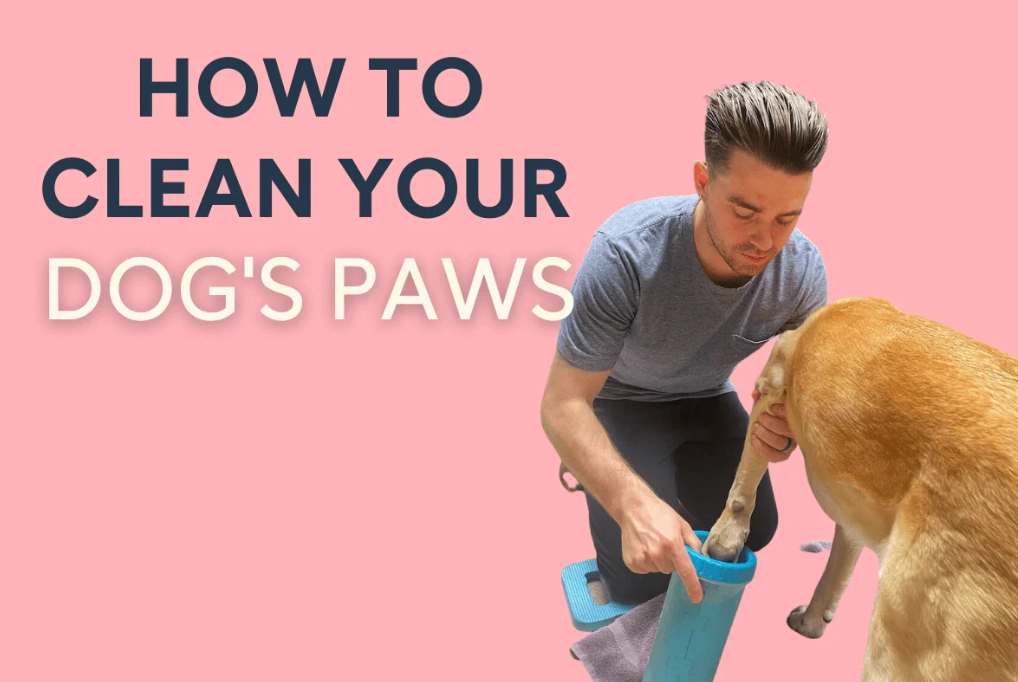
What You'll Find in This Guide
- Why Cleaning Paws is More Than Just Clean Floors
- Your Paw-Cleaning Toolkit: What You Really Need
- The 5-Minute Step-by-Step Cleaning Process
- Common Mistakes Even Experienced Owners Make
- Handling Mud, Snow, and Chemical Residue
- How to Make Paw Cleaning a Stress-Free Habit
- Your Top Paw Cleaning Questions Answered
Why Cleaning Paws is More Than Just Clean Floors
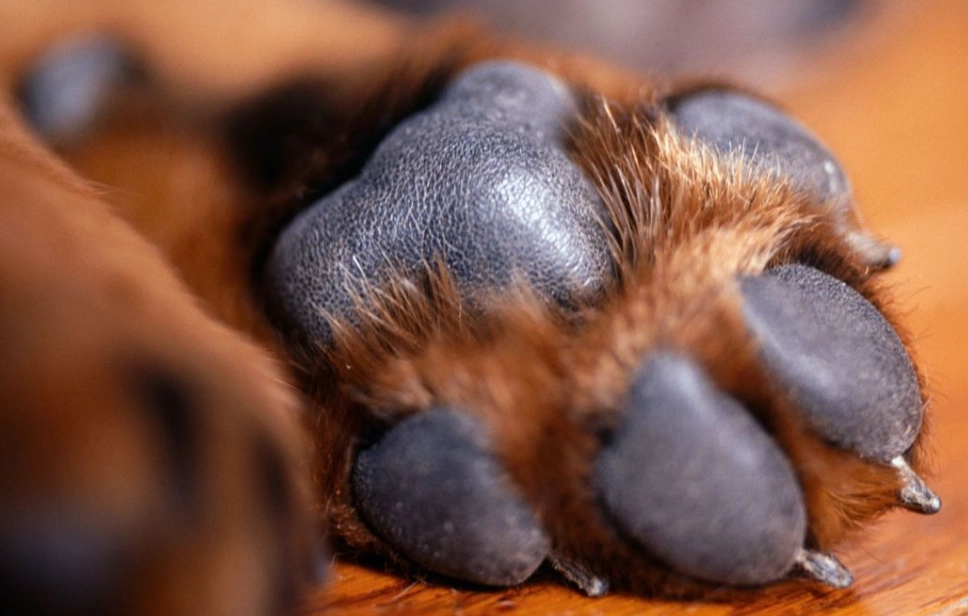
Think of your dog's paws as their shoes. They walk through everything. In winter, that's de-icing salts and antifreeze chemicals. In spring and summer, it's lawn fertilizers, herbicides, and pollen. Year-round, it's bacteria, fungi, and plain old dirt. When your dog licks their paws—and they all do—they ingest whatever is on them. The American Veterinary Medical Association highlights the toxicity risks of common antifreeze chemicals, which can be picked up on paws. It's a health issue, not just a housekeeping one.
I learned this the hard way with my Labrador, Finn. A few winters ago, he developed cracked, red paw pads after our walks. It took a vet visit to connect it to the road salt I wasn't thoroughly rinsing off. Since implementing a proper cleaning routine, the issue vanished.
Your Paw-Cleaning Toolkit: What You Really Need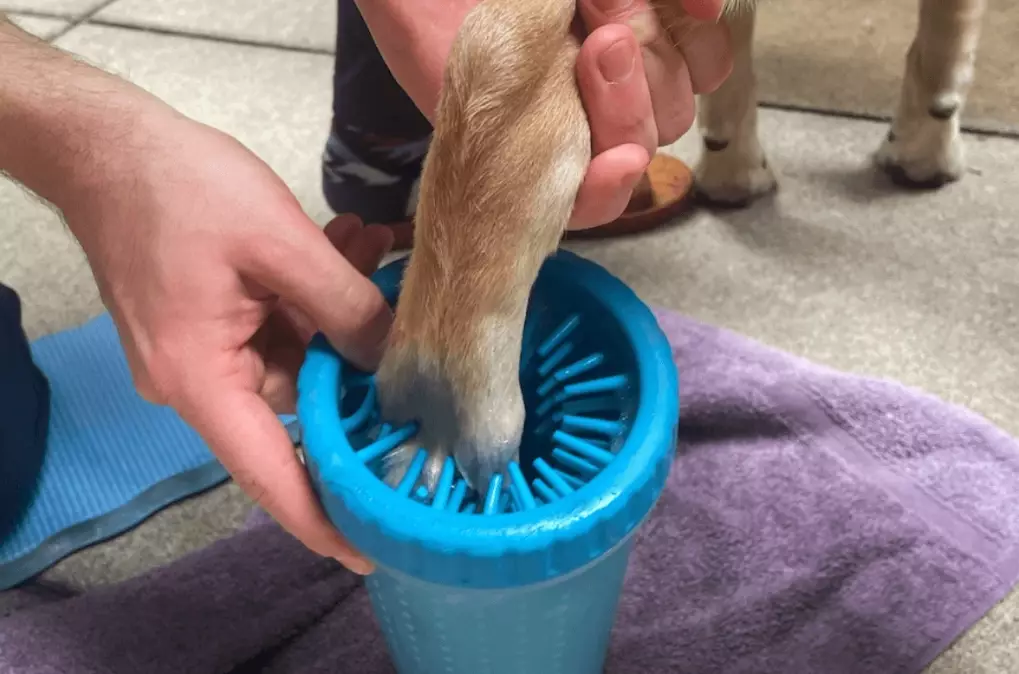
You don't need a fancy gadget. You need the right tool for the job. Here’s a breakdown of what works, what doesn’t, and why I prefer certain items after years of testing.
| Tool | Best For | Pros | Cons / My Notes |
|---|---|---|---|
| Microfiber Towel or Washcloth | Light dirt, dust, light mud, final drying. | Reusable, soft, absorbent, cheap. | Needs to be washed frequently. Can smear mud if used alone on wet paws. |
| Dedicated Dog Paw Wipes | Quick clean-ups, pollen, light grime, urban walks. | Convenient, pre-moistened, often have mild cleansers. | Can be wasteful/expensive. Check ingredients—avoid alcohol or strong fragrances. |
| Paw Washer Cup ("Paw Plunger") | Heavy mud, sandy paws, deep cleaning. | Brilliant for muddy paws. Massages and cleans between toes. | Requires water and a place to dump dirty water. Some dogs are skeptical at first. |
| Small Basin/Bowl of Warm Water | Snowy/salty paws, caked-on mud. | Most thorough method. Allows for gentle soaking. | Requires setup and a towel for cleanup. Not for a quick in-and-out. |
| Paw Balm or Moisturizer | After cleaning, especially in dry/winter months. | Protects pads from cracking, salt, and hot pavement. | Apply after paws are completely dry. Let it absorb before dog walks. |
My go-to setup? A silicone paw washer cup by the back door for muddy days, a stack of cheap microfiber cloths in a basket, and a tub of paw balm for the winter. I find pre-moistened wipes useful for quick post-park cleanups, but I'm not a fan of the heavily scented ones—they seem to irritate some dogs' skin.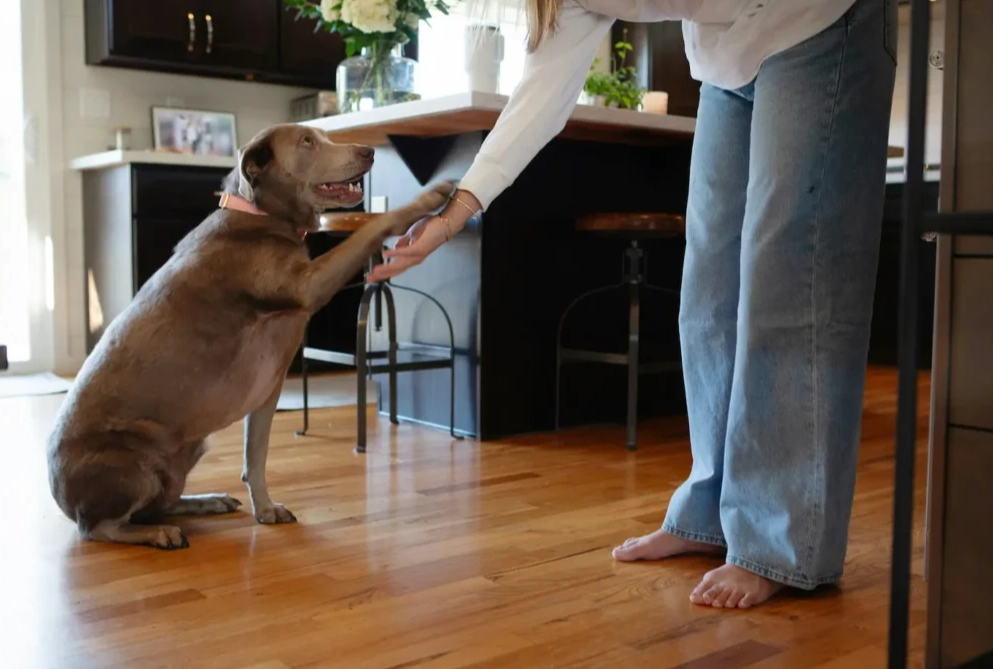
The 5-Minute Step-by-Step Cleaning Process
This is the core routine. Adjust based on how dirty the paws are.
Step 1: The Pre-Entry Inspection
Before you even open the door, do a quick visual and tactile check. Are the paws just dusty? Caked with mud? Do you see ice balls between the toes? This tells you which tool to grab. For light dirt, a wipe or dry towel might suffice. For mud, go straight for the paw washer or basin.
Step 2: The Initial Removal
For mud and snow, start by gently knocking off the big chunks. You can use your fingers (wear gloves if you want) or the edge of the towel. Don't rub—this grinds it in. Just flick or scrape it off. This step prevents your main cleaning tool from getting overwhelmed immediately.
Step 3: The Deep Clean
This is where you choose your weapon.
- For the Paw Washer Cup: Fill it with a few inches of lukewarm water. Gently insert the paw, swirl and press against the silicone bristles. The mud dissolves and falls to the bottom. Lift out, and repeat if necessary.
- For the Basin Method: Have your dog stand with each paw in the water for a few seconds. Use your hand to massage between the toes. This is great for dissolving salt.
- For Wipes/Towel: Wrap the wipe or damp towel around the paw. Apply gentle pressure and wipe from the top of the paw down over the pads, then separately clean between each toe. Don't forget the dewclaw if they have one!
Step 4: The Crucial Dry Off
This is the step most people skip, and it causes problems. Moisture trapped between toes is a prime environment for yeast and bacterial infections (often called "pododermatitis"). Take a dry microfiber towel and thoroughly dry every part of the paw, especially the spaces between the toes and the pads. Feel with your fingers to ensure it's completely dry.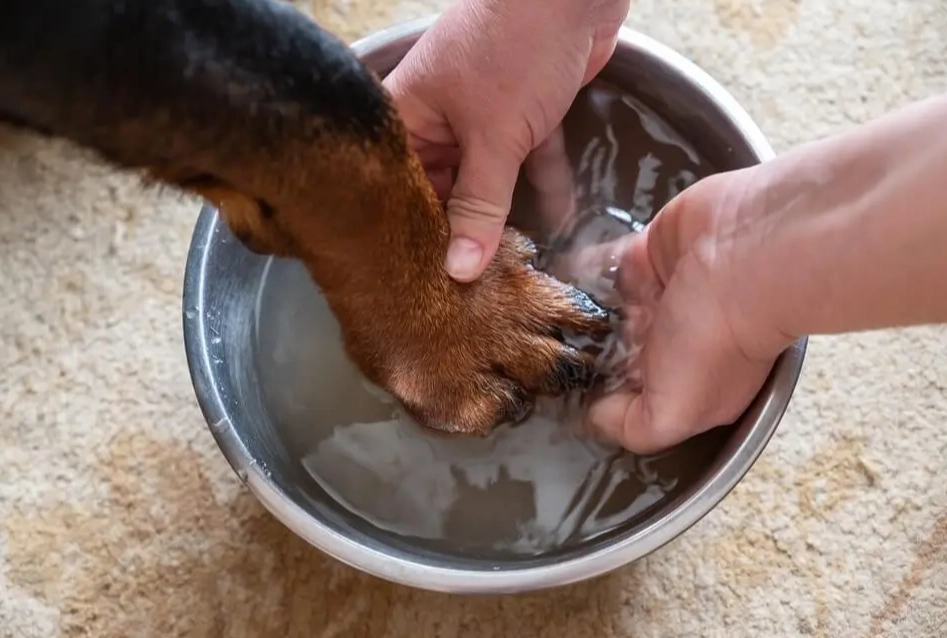
Common Mistakes Even Experienced Owners Make
I see these all the time.
Using human baby wipes. Many contain propylene glycol, alcohols, or fragrances that can dry out or irritate a dog's skin. Stick to wipes formulated for pets.
Ignoring the toe spaces. Dirt, moisture, and allergens love to hide there. This is where infections start. You must get in there.
Rushing and creating negative associations. If you're frustrated and rough, your dog will dread paw cleaning. Go slow, use treats, and keep sessions positive, especially when training a puppy.
Not cleaning the tools. That dirty paw washer cup or damp towel is a bacteria farm. Rinse the cup after use and wash towels regularly.
Handling Mud, Snow, and Chemical Residue
Different messes need slightly different tactics.
Deep Mud: Paw washer cup is king. If it's really bad, use a gentle stream from the hose outside before coming in. The goal is to remove the bulk outdoors.
Snow & Ice Melt Salt: This is non-negotiable. Salt is painful and toxic. The basin soak method is most effective. Submerge the paw in lukewarm water to dissolve all salt crystals, then dry meticulously. Consider dog boots for prevention.
Grassy Fields / Pollen: A damp towel or pet wipe is perfect. This is more about removing allergens that could cause your dog to lick their paws excessively later.
Tar or Gum: Don't pull. Apply a small amount of coconut oil or olive oil to the substance, let it sit for a few minutes to break it down, then gently wipe away. You may need to repeat.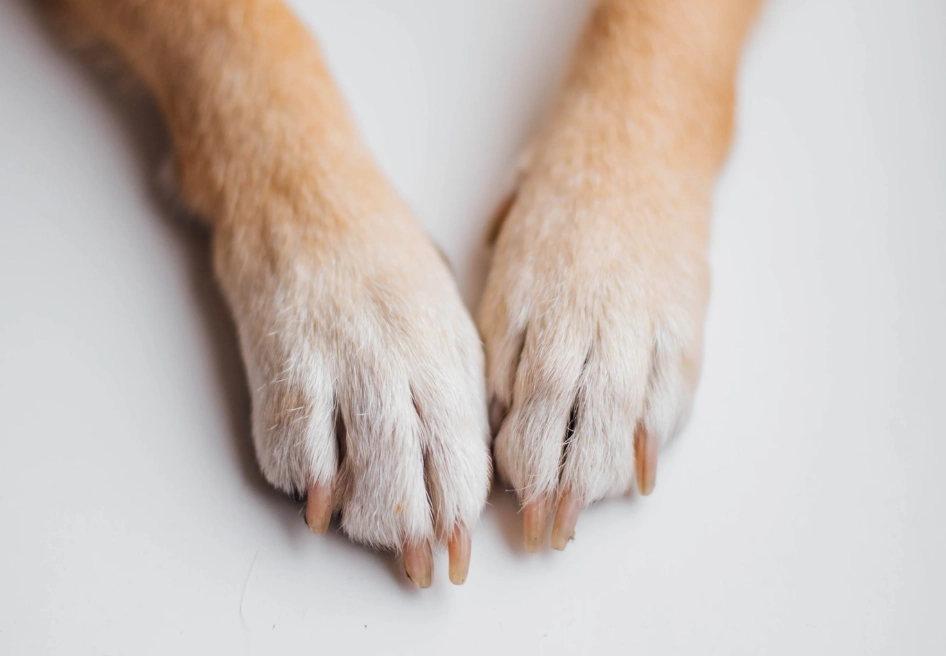
How to Make Paw Cleaning a Stress-Free Habit
Consistency is easier when it's simple and positive.
Create a "paw cleaning station" by your most-used door. A basket with towels, wipes, balm, and treats. Keep the paw washer in a nearby cabinet or on a shelf. The easier it is to access, the more likely you are to do it.
Train it like any other skill. Start by just touching their paws and giving a high-value treat. Progress to holding a wipe near the paw, then a quick swipe. Build duration slowly. For my nervous rescue dog, I spent a week just feeding her chicken while the paw washer sat nearby before even attempting to use it.
Make it part of the re-entry routine. Walk, potty, paws, treat, inside. The treat after cleaning becomes the motivator.
Your Top Paw Cleaning Questions Answered
My dog hates having his paws touched. What can I do?
Start with counter-conditioning. Forget cleaning for now. Several times a day, briefly touch his paw, then immediately give an amazing treat (like a bit of cheese or chicken). Do this until he anticipates the treat when you reach for his paw. Then, progress to holding the paw for a second, then wiping with a dry cloth, and so on. Patience over force is key. Rushing will make it worse.
Are dog boots a good alternative to cleaning paws?
They can be a fantastic preventive tool, especially for salt, hot pavement, or extreme mud. However, they aren't a total replacement. You still need to check that the boots fit correctly after each walk (no rubbing) and that the paws are dry. Some debris can still get inside the boot. Think of them as part of your toolkit, not a free pass.
 How often should I actually wash my dog's paws with soap?
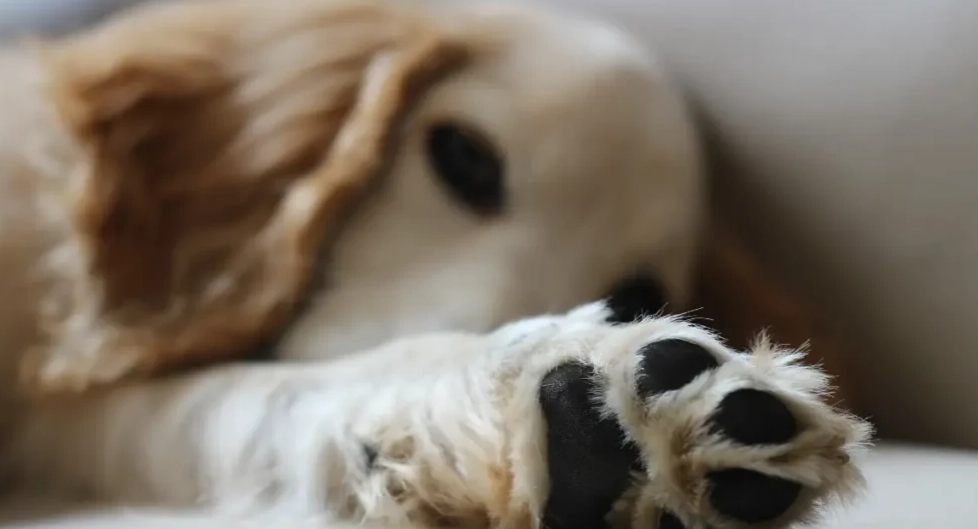
Rarely. For most daily cleanings, water or water-based wipes are sufficient. Using soap too often can strip the natural oils from their paw pads, leading to dryness and cracking. Reserve a gentle dog shampoo wash for when they've stepped in something foul like sewage, oil, or a rotting carcass. For chemical concerns, a thorough water rinse is more important than soap.
What's the one thing most owners miss when cleaning paws?
The area betweenthe paw pads and the higher up on the leg, just above the paw. Mud and snow can get packed into the "armpit" of the leg (the carpal pad area). Lift the leg and give that spot a quick wipe too. It's a common source of missed dirt that gets tracked in when your dog lies down.
Can I use vinegar and water to clean paws?
I don't recommend it for regular use. While diluted vinegar is a popular home cleaner, its acidity can disrupt the skin's pH balance for some dogs, causing irritation. It's also very drying. Plain lukewarm water is safer and just as effective for removing most contaminants. If you're concerned about yeast, consult your vet for a recommended antifungal rinse.
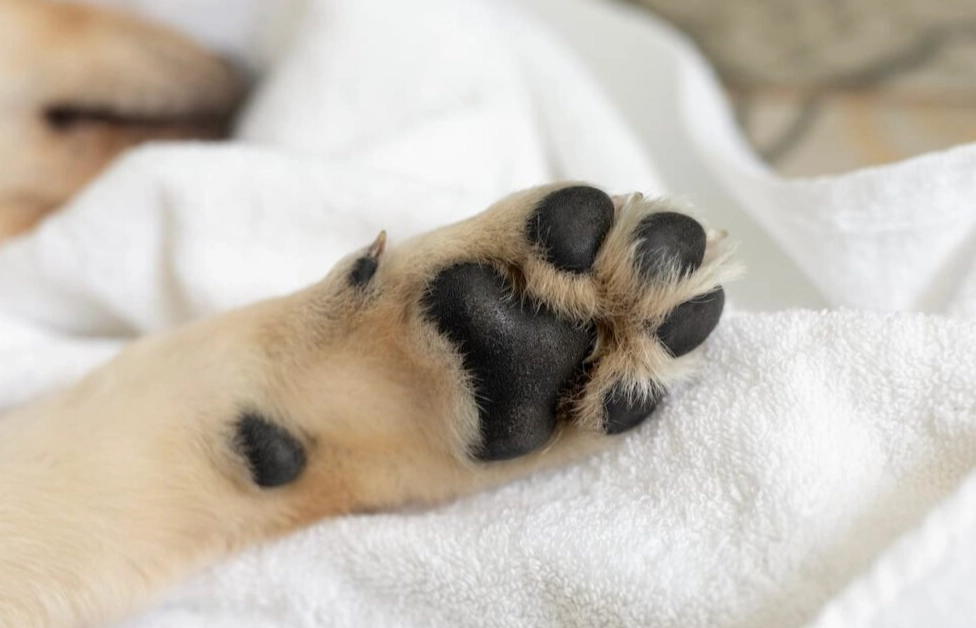 The bottom line is this: effective paw cleaning is a blend of the right tools, a thorough technique, and positive training. It's a small daily investment that pays off in a cleaner home and a healthier, more comfortable dog. Start with one step, be consistent, and soon it'll be as routine as putting on your own shoes.
Leave a comment