Quick Guide to Recovery Cones
- Why Your Dog Absolutely Needs a Cone (Even If They Hate It)
- The Great Cone Showdown: Types of Dog Recovery Cones
- How to Choose the Right Dog Recovery Cone: A Practical Checklist
- Mastering Cone Life: Tips and Tricks from Someone Who's Been There
- Your Top Dog Recovery Cone Questions, Answered
- When to Call the Vet (Don't Hesitate!)
- The Final Word: It's Temporary
Let's be honest. The first time you see your dog in one of those plastic lampshades, your heart sinks a little. They look miserable, they're bumping into every doorframe in the house, and you start wondering if there's another way. I've been there. My own dog, a spirited Border Collie named Finn, had to wear a cone after a minor paw surgery, and the two weeks that followed were a comedy of errors involving spilled water bowls and a profound sense of canine injustice.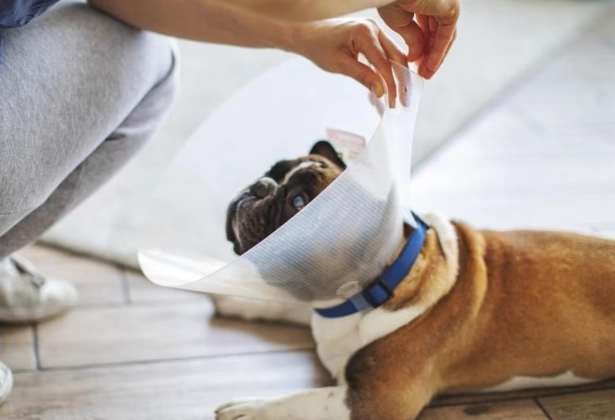
But here's the thing your vet might not have time to fully explain in a busy clinic visit: that dog recovery cone, often called an Elizabethan collar or E-collar, is not just a torture device. It's a crucial piece of medical equipment. Its sole job is to protect your dog's healing wound from licking, biting, or scratching, which can introduce infection or rip out stitches in seconds. The American Veterinary Medical Association (AVMA) consistently highlights preventing self-trauma as a cornerstone of post-operative care. Without it, a simple spay surgery or a small skin biopsy can turn into a costly and dangerous infection.
So, the goal isn't to avoid a cone altogether—it's to find the right type of dog recovery cone for your specific dog and situation, and to learn how to use it effectively to minimize stress for everyone involved.
Why Your Dog Absolutely Needs a Cone (Even If They Hate It)
You might be tempted to take the cone off when your dog gives you those sad, soulful eyes. Resist the urge. A dog's tongue is not a healing instrument; it's rough like sandpaper and covered in bacteria. Even a few minutes of dedicated licking can undo days of healing.
Licking and chewing can cause:
- Suture Removal: They can pull out stitches or staples, reopening the wound.
- Infection: Bacteria from the mouth is introduced directly into a sterile surgical site.
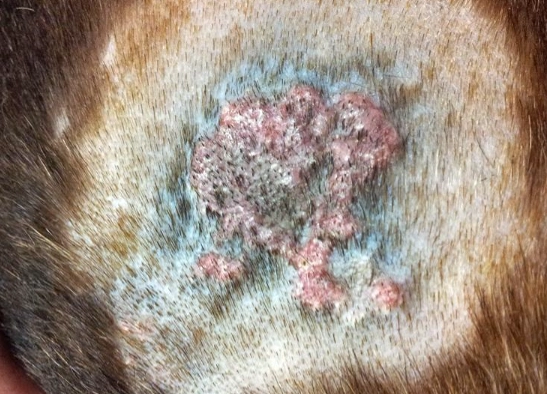
- Hot Spots: Constant moisture from licking creates perfect conditions for painful, inflamed skin infections.
- Delayed Healing: The wound is constantly agitated, preventing proper tissue formation.
The cone creates a physical barrier. It's that simple. It's not about comfort in the short term; it's about safety and a full recovery. Think of it as a non-negotiable cast for a broken bone.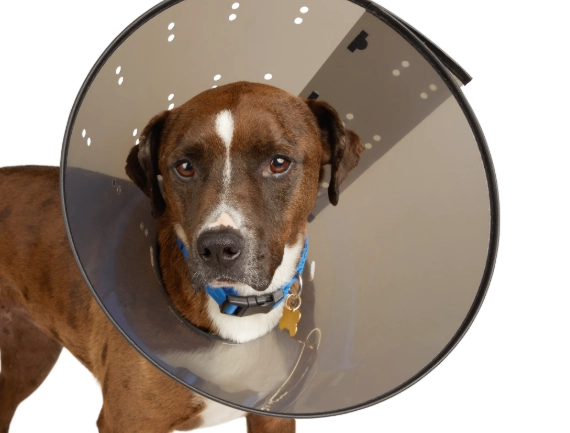
The Great Cone Showdown: Types of Dog Recovery Cones
Gone are the days when the stiff, clear plastic cone was your only option. The market has exploded with alternatives designed to address the classic cone's downsides. Choosing the right one depends on your dog's injury location, temperament, and size.
The Classic Plastic E-Collar
This is the standard issue from most vets. It's the iconic cone of shame.
Pros: It's highly effective, inexpensive, and provides full 360-degree protection. You can see through it, which helps your dog's peripheral vision a bit. It's also easy to clean.
Cons: It's bulky, noisy, and dogs often find it highly stressful. It obstructs vision, causes difficulty eating and drinking, and leads to the infamous doorframe-bumping. For some dogs, the rigid edge can also rub against their neck or shoulders.
My personal take? It works, but it's often the most stressful option for the dog and the household. It should be the default for very determined chewers or for wounds on hard-to-protect areas like the hind legs, but for many situations, there are better choices.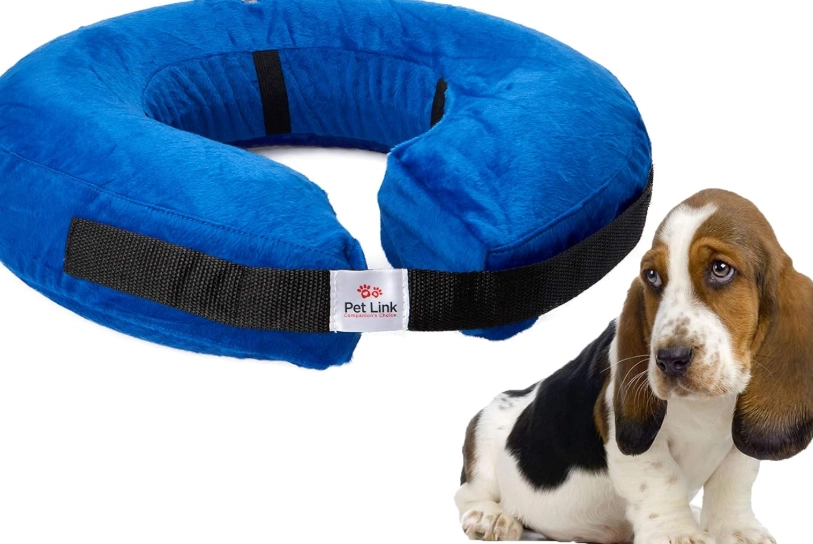
The Soft Fabric Cone
These look like flexible, padded versions of the plastic cone, often made of nylon or padded fabric.
Pros: So much more comfortable! They're lightweight, quiet, and flexible. Dogs can rest their heads down to sleep comfortably. They cause far less collateral damage to your furniture and shins.
Cons: A determined dog can sometimes fold it back or maneuver around it to reach a wound. It's also not waterproof and can get dirty and smelly if not cleaned regularly.
This is a fantastic alternative for most dogs, especially after procedures like neutering or spaying where the wound is on the belly. Finn did infinitely better when we switched to a soft cone. He could finally sleep peacefully.
The Inflatable or Donut Collar
These look like a travel neck pillow for your dog. They inflate around the neck, creating a wide, soft barrier.
Pros: Extremely comfortable. Allows full vision and normal head movement. Dogs can eat, drink, and sleep normally. No loud scraping sounds.
Cons: Their biggest weakness is that they don't protect the dog's entire field of reach. A flexible dog can often twist and reach a wound on their flank, tail, or even a front paw if they're determined. They are best for wounds on the neck, chest, or head.
I think donut collars are brilliant for specific injuries. For a dog with an ear infection or a neck suture, they're perfect. But don't rely on one for an abdominal surgery on a contortionist breed like a Greyhound.
Recovery Suits and Surgical Onesies
These are full-body suits made of stretchy, breathable fabric that zip or snap over the dog's torso.
Pros: The ultimate in comfort and low-stress protection. The dog feels like they're wearing pajamas. No cone at all! Great for protecting torso and abdominal wounds. They also prevent licking of paws to some degree.
Cons: You have to take the whole suit off for potty breaks, which can be multiple times a day. They can get soiled. They also don't protect the head, neck, or upper legs. And a truly persistent dog might chew through the fabric.
For a calm dog with a spay incision, a recovery suit can be life-changing. It's the closest thing to "no cone at all" that is still medically safe.
| Cone Type | Best For... | Watch Out For... | My Personal Verdict |
|---|---|---|---|
| Classic Plastic Cone | Determined chewers, hind leg/hip wounds, post-op from major surgery. | Stress, mobility issues, difficulty eating/drinking. | The necessary evil. Use if nothing else works. |
| Soft Fabric Cone | Most dogs, abdominal wounds, dogs prone to anxiety with hard cones. | Possible to bend/fold, not waterproof. | The best all-around upgrade from plastic. |
| Inflatable Donut | Neck, chest, or head wounds, calm dogs, maintaining normal routine. | Flexible dogs reaching around it, may deflate. | Excellent for targeted protection where it fits the wound location. |
| Recovery Suit | Torso/abdominal wounds (spays), anxious dogs, licking paws. | Potty break hassle, not for all wound locations, chewing fabric. | A game-changer for the right patient. Huge comfort boost. |
How to Choose the Right Dog Recovery Cone: A Practical Checklist
Don't just buy the cutest one online. Think it through.
- Location of the Wound: This is rule number one. Map out your dog's range of motion. Can they twist their neck to reach it? If the wound is on a back leg, a donut collar is probably useless. A plastic or long soft cone is needed.
- Your Dog's Personality: Are they a laid-back Labrador or an obsessive-compulsive Border Collie? A determined chewer needs the most secure option, likely a traditional cone. A more placid dog might do fine with a soft cone or suit.
- Size and Fit: This is critical. A cone that's too short won't work. A good rule is that the cone should extend at least 1-2 inches past the tip of your dog's nose when fitted properly. It should be snug around the neck but allow you to fit two fingers comfortably underneath. An ill-fitting recovery cone is worse than none at all.
- Your Lifestyle: Be realistic. If you're not home often to manage potty breaks, a full-body suit might create more problems. A soft cone might be easier for a busy household.
Mastering Cone Life: Tips and Tricks from Someone Who's Been There
Okay, you've got the cone. Now what? The first 24-48 hours are the hardest. Here's how to survive and even thrive.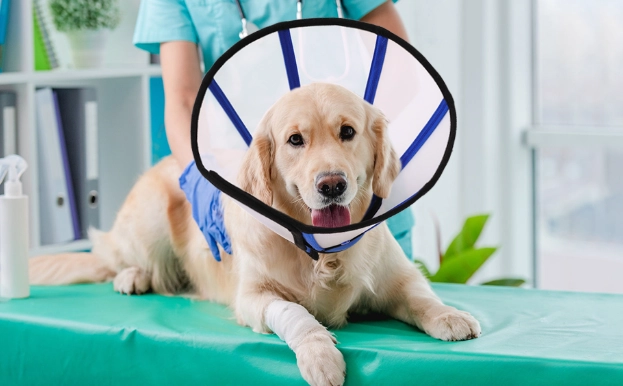
Fitting and Introduction
Don't just slap it on. Let your dog sniff it first. Offer treats near it and on it. Put it on loosely for just a minute, then take it off and give a high-value treat. Build positive associations. When it's time for the real deal, secure it firmly according to the instructions. You shouldn't be able to pull it off over their head easily.
Eating and Drinking
This is the biggest hassle. Raise the food and water bowls. Use a elevated feeder or simply place the bowls on a low stool or stack of books. For wide plastic cones, you may need to use a wider, shallow bowl. Sometimes, temporarily removing the cone for supervised meal times is okay if your dog is calm and you are right there, but always check with your vet first.
Sleeping and Comfort
Remove any collars or harnesses worn under the cone to prevent rubbing. Check the neck area twice daily for redness or irritation. For plastic cones, you can pad the edge with soft vet wrap or a pool noodle sliced open and fitted around the rim (there are tutorials online). Ensure your dog has a clear, wide path to their bed and isn't trapped in a corner.
Mental Stimulation and Exercise
A bored, confined dog is a miserable dog. But they're also on exercise restriction. This is a tough balance.
- Food Puzzles: Kongs stuffed with frozen wet food, snuffle mats, treat-dispensing toys. These are your new best friends.
- Gentle Training: Work on low-energy commands like "watch me," "touch," or gentle shaping games.
- Leash Walks Only: No off-leash running, jumping, or rough play. Short, slow, sniffy walks are great for mental energy.
Your Top Dog Recovery Cone Questions, Answered
Let's tackle the stuff you're actually searching for.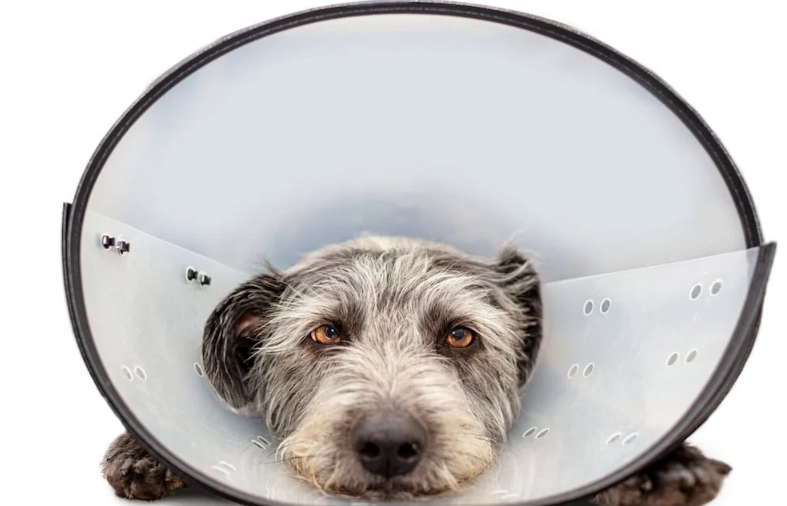
How long does my dog need to wear the cone?
Your vet will give you a specific timeline, usually 10-14 days for standard surgeries until sutures are removed. For skin issues or hotspots, it might be until the area is fully healed and no longer itchy. Never remove it early without your vet's explicit okay. The wound might look healed on the surface, but the deeper layers are still fragile.
My dog won't eat or drink with the cone on. What do I do?
Try the elevated bowl trick first. If that fails, hand-feed small bits of food or hold the water bowl. As a last resort, you can do supervised, cone-off meal times. Sit with your dog, put the food down, and the moment they walk away from the bowl, the cone goes back on. No distractions, no wandering.
Can I make a DIY dog recovery cone?
You can, but I'm skeptical of most DIY solutions. A poorly made one can be a choking hazard or fail to protect. If you're in a pinch, a stiff paper plate or the plastic from a gallon milk jug can be fashioned into a temporary cone, but it's messy and rarely fits well. It's better to invest in a proper, safe alternative.
Are there any risks to using a cone?
The main risks are from improper use: a cone that's too tight can choke or cause pressure sores; one that's too long can catch on things and cause panic or injury. Always monitor your dog, especially in the first few hours. Also, be aware that cones can affect balance and depth perception, so be careful on stairs.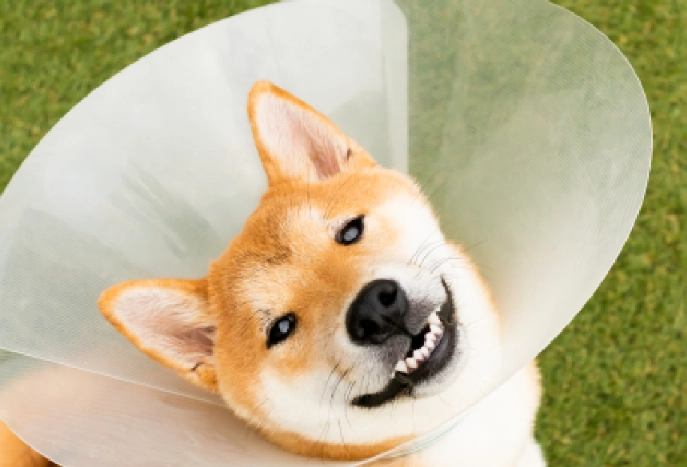
My dog seems depressed with the cone. Is this normal?
Absolutely. It's a major disruption. They're uncomfortable, confused, and their world just got a lot smaller and noisier. Offer extra affection, gentle praise, and those mental enrichment activities. The depression usually lifts after a day or two as they adjust. If it persists or is accompanied by whining, hiding, or aggression, consult your vet.
When to Call the Vet (Don't Hesitate!)
The cone is for healing, but it's not a cure-all. Call your vet if you notice:
- The wound becomes red, swollen, hot, or has discharge (especially foul-smelling).
- Your dog manages to remove the cone and lick/chew the wound.
- Stitches are pulled out or the wound opens.
- Your dog is in obvious pain that isn't managed by prescribed medication.
- There is significant rubbing or hair loss under the cone collar.
- Your dog is completely refusing food and water for more than 24 hours.
Resources like the Veterinary Practice News often publish articles on post-operative care, reinforcing that communication with your veterinary team is key. Don't feel like you're bothering them—it's their job to help you through this.
The Final Word: It's Temporary
It feels endless when you're in the middle of it. The clattering, the pity stares, the general household chaos. But remember, this is a short period of inconvenience for a lifetime of health for your dog. That dog recovery cone is a symbol of your care, not a punishment.
By choosing the right type of protection, whether it's a modern soft cone, a clever donut, or a cozy recovery suit, and by using the tips to manage daily life, you can turn a stressful ordeal into a manageable, even bonding, experience. You're not just protecting a wound; you're ensuring your best friend heals completely and gets back to their happy, tail-wagging self as fast as possible. And when you finally get to take that cone off for good, the celebration (and the return to a quiet, doorframe-safe home) will be totally worth it.


Leave a comment