Let's cut straight to the chase. The rawhide bone in your shopping cart is a bundle of contradictions. It promises hours of peaceful chewing, cleaner teeth, and a content pup. Yet, a quick online search fills you with horror stories of choking, blockages, and frantic trips to the emergency vet. So, what's the real deal? After fifteen years with dogs ranging from a delicate Italian Greyhound to a powerhouse German Shepherd, I've seen the good, the bad, and the ugly with rawhide. This isn't about repeating the generic warnings you've already heard. It's about giving you the nuanced, practical knowledge to make an informed decision for your specific dog.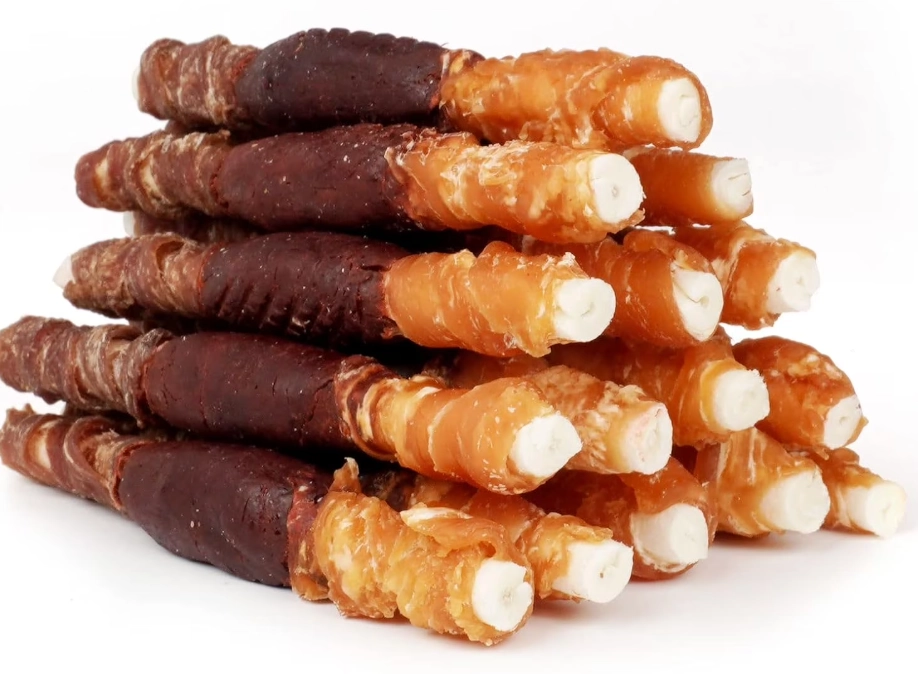
The short answer is: it's complicated. Rawhide isn't universally evil, nor is it a perfectly safe treat. Its safety hinges entirely on your dog's chewing style, the product's quality, and your supervision. Most vets, including the American Kennel Club, acknowledge its risks while noting that many dogs enjoy it without issue. The goal here is to move you from a state of worry to a place of confident management.
Your Quick Guide to Rawhide
- What Exactly Is Rawhide (And How Is It Made)?
- The Real Benefits: Why Dogs (And Owners) Love It
- The Unignorable Risks of Rawhide Chews
- How to Choose a Safer Rawhide: A Buyer's Checklist
- Supervision Is Everything: The Right Way to Give Rawhide
- Top Rawhide Alternatives: Safer Options for Aggressive Chewers
- Your Rawhide Questions, Answered
What Exactly Is Rawhide (And How Is It Made)?
First, let's demystify the product. Rawhide is the inner layer of cow or horse hide. It's a byproduct of the leather industry. The common image of a pristine white bone is misleading. In its natural state, it's tough, fibrous, and not very palatable. The manufacturing process is where things get… interesting.
The hides are cleaned, cut, and then often treated with chemicals like sodium sulfide to remove hair and fat. They're then washed, sometimes bleached for that uniform color, and shaped. Flavorings and colors are added. This is a key point many miss: the whiter and more uniform the rawhide, the more processing it likely underwent. A more natural, tan-colored rawhide might be a better sign, though not a guarantee of safety.
I once visited a small-scale, reputable manufacturer. Their process was more transparent, using fewer harsh chemicals and sourcing from local farms. The difference in the final product's density and smell was noticeable. This experience taught me that not all rawhide is created equal, and the source matters immensely.
The Real Benefits: Why Dogs (And Owners) Love It
Dismissing rawhide entirely ignores why it became popular in the first place. For the right dog, it offers tangible benefits.
Mental Stimulation and Stress Relief. Chewing is a natural, instinctive behavior. A long-lasting chew like rawhide provides a constructive outlet for this energy, reducing boredom and anxiety. It can be a lifesaver for dogs with separation anxiety or high energy levels.
Dental Hygiene (With a Caveat). The mechanical action of gnawing can help scrape plaque off teeth. The Veterinary Oral Health Council (VOHC) does accept some dental claims for certain chews, but it's picky. Most standard rawhides don't earn their seal. The benefit is real but secondary and not as effective as brushing or approved dental treats.
The biggest benefit, honestly, might be the 45 minutes of peace it gives you.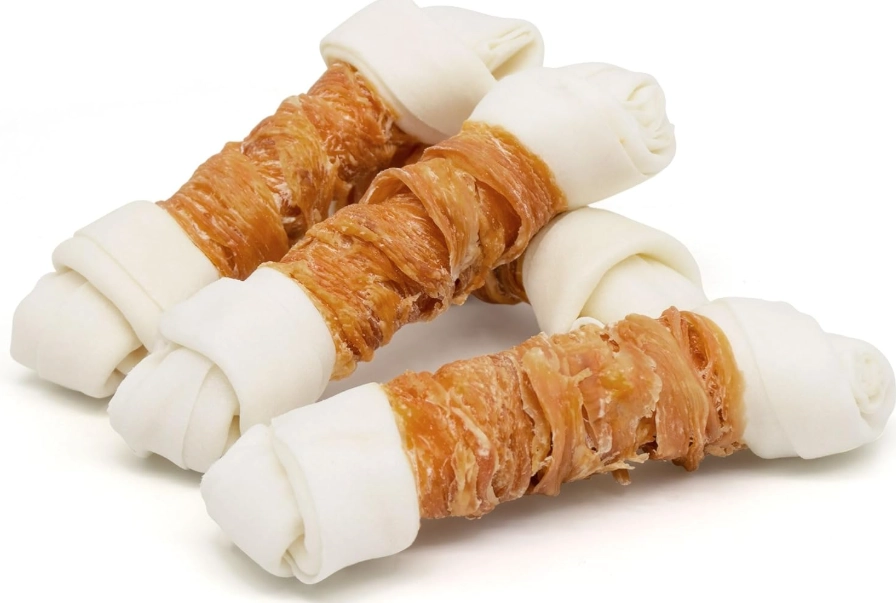
It's a Long-Lasting, Low-Calorie Option. Compared to many fatty treats, a plain rawhide chew is relatively low in calories. For a dog that needs to chew for hours to feel satisfied, it can be a better dietary choice than dispensing dozens of biscuits.
The Unignorable Risks of Rawhide Chews
Now, the part you're here for. The risks are serious and are the reason many vets give a blanket "no."
Choking and Intestinal Blockage: This is the number one danger. As the rawhide softens, a determined dog can tear off a large, gummy piece. This piece can lodge in the esophagus, stomach, or intestines. Blockages are surgical emergencies. I've had a friend's dog need a $4,000 surgery after swallowing a chunk the size of a golf ball. The dog was a "gentle" chewer until he wasn't.
Contamination and Chemicals. The FDA has issued alerts about rawhide treats contaminated with Salmonella, which can sicken both pets and humans. The chemical residues from processing are another concern, though the levels in regulated products are generally considered low-risk.
Digestive Upset. Some dogs have sensitive stomachs. The rich proteins and unfamiliar materials in rawhide can cause vomiting, diarrhea, or pancreatitis, especially if they ingest too much too quickly.
The "Swallowing Trigger" Myth. A common piece of advice is to take the rawhide away once it gets small enough to swallow. Here's my non-consensus take: that's often too late. The real trigger isn't size; it's texture. Once the rawhide becomes a soft, malleable mass, it's prime for a large piece to be ripped off and swallowed. You need to intervene before it reaches that soggy state.
How to Choose a Safer Rawhide: A Buyer's Checklist
If you've assessed your dog and decided to try rawhide, this checklist is your most important tool. Don't just grab the first bag you see.
- Origin Matters: Look for products made in the USA, Canada, or Europe, where processing standards are stricter. Avoid rawhide from countries with less stringent agricultural and chemical regulations.
- Thickness Over Size: Choose a thick, dense chew over a large, puffy one. A thick chew will be ground down slowly. A puffy one is mostly air and can be crushed and swallowed in chunks quickly.
- Natural Color: Opt for tan or brown rawhides over brilliant white ones. The white color often comes from bleaching.
- No Added Flavors or Colors: Especially at first. These can upset your dog's stomach and are unnecessary. Let the chew itself be the attraction.
- Right Size for Your Dog: It should be larger than your dog's muzzle so they can't fit the whole thing in their mouth to bite down on the center.
Think of it like buying a steak. You want to know where it's from, and you want a good, thick cut, not processed mystery meat.
Supervision Is Everything: The Right Way to Give Rawhide
Giving your dog a rawhide and walking away is asking for trouble. Active supervision is non-negotiable.
Set a Timer. Don't let chewing sessions go on for hours. Start with 15-30 minutes, then take it away. This limits how much they can soften and potentially swallow.
Know Your Dog's Style. Is your dog a "nibbler" who gently works at the edges, or a "power chewer" who tries to destroy everything in three minutes? Rawhide is only suitable for the former. For power chewers, it's a hard pass.
Create a Designated Chew Zone. Have your dog chew on a easy-to-clean surface (not your new carpet) and in a calm environment, not when they're over-excited.
The "Fingernail Test": Periodically press your fingernail into the rawhide. If it leaves a deep indentation easily, it's getting too soft and it's time to confiscate it.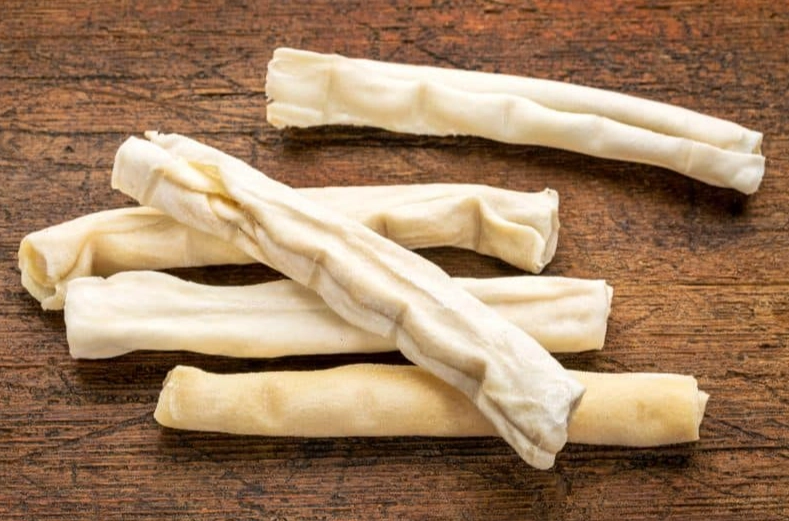
Top Rawhide Alternatives: Safer Options for Aggressive Chewers
For many dogs, especially powerful chewers, the risks of rawhide simply outweigh the benefits. Thankfully, the market is full of excellent alternatives. This table breaks down the top contenders based on my experience.
| Alternative | What It Is | Best For | Key Consideration |
|---|---|---|---|
| Bully Sticks | Dried bull pizzle. High-protein, fully digestible. | Dogs who love to gnaw and consume. Great for mental focus. | High in calories and can be smelly. Get thick, low-odor versions. |
| Antlers & Elk Horns | Naturally shed deer or elk antlers. Extremely hard and long-lasting. | Extreme power chewers who need an indestructible challenge. | Risk of tooth fracture. Choose split antlers (softer marrow exposed) for most dogs. |
| Rubber Chew Toys (Kong, GoughNuts) | Durable rubber toys you can fill with food. | Interactive chewing and mental stimulation. Reusable. | Doesn't satisfy the urge to consume something. Needs to be filled/refilled. |
| Vegetable-Based Chews (Sweet Potato, Yak Cheese) | Dried, hardened chews made from digestible foods. | Dogs with sensitive stomachs or owners wanting a natural option. | Can still be a choking hazard if large pieces break off. Supervise. |
| Dental-Specific Chews (Greenies, OraVet) | Chews designed with a texture to clean teeth, often VOHC accepted. | Prioritizing dental health with a digestible, shorter-term chew. | More expensive per chew. Must be sized correctly to avoid gulping. |
My German Shepherd, Rex, was a rawhide disaster waiting to happen. We switched him to split elk antlers and a heavy-duty rubber GoughNut stick. He spends hours contentedly working on them, and I have zero anxiety. It was a game-changer.
Your Rawhide Questions, Answered
 The final verdict isn't a simple yes or no. It's a conditional "maybe." Rawhide can be a suitable chew for a specific type of dog—the calm, methodical gnawer—when you select a high-quality product and commit to vigilant, active supervision. For the vast majority of dogs, especially those with any tendency to gulp or destroy, the modern world of alternatives offers safer, more digestible, and often healthier ways to satisfy the chewing instinct. Your dog's safety is worth the extra research and few extra dollars for a better chew.


Leave a comment