You're playing with your cat, and suddenly—a sharp sting. A tiny red line appears on your hand. It's just a scratch, right? Probably nothing. I used to think the same until a seemingly harmless scratch from my normally placid cat, Milo, left me with a swollen, painful lymph node under my arm a week later. That experience sent me down a rabbit hole of research and conversations with vets and doctors. The short answer is yes, a cat scratch can be dangerous, but panic isn't helpful. Understanding the real risks, knowing exactly what to do in the first 10 minutes, and learning how to prevent most scratches is what keeps you and your feline friend safe.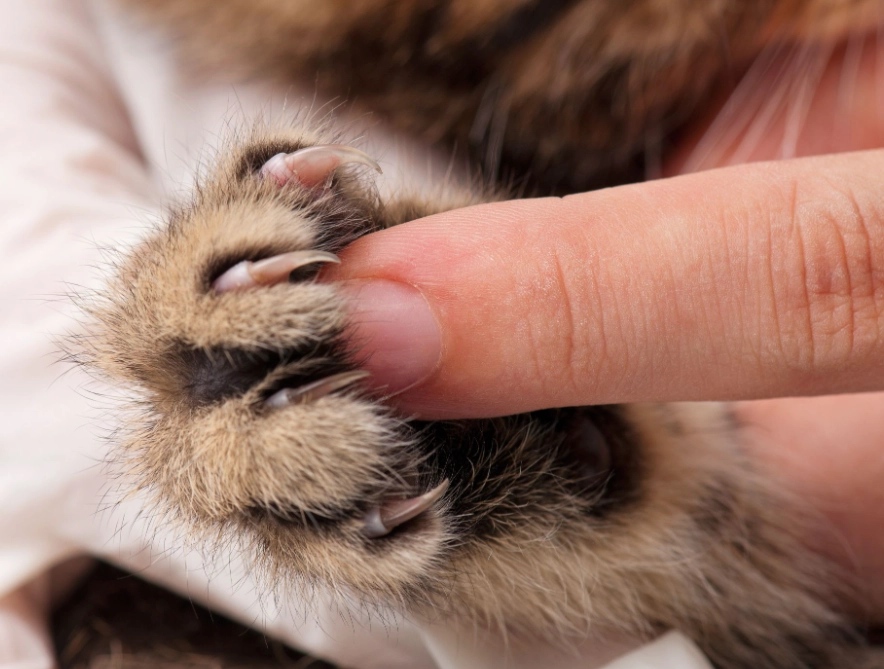
What You'll Find Inside
The Real Risk: More Than Just a Scratch
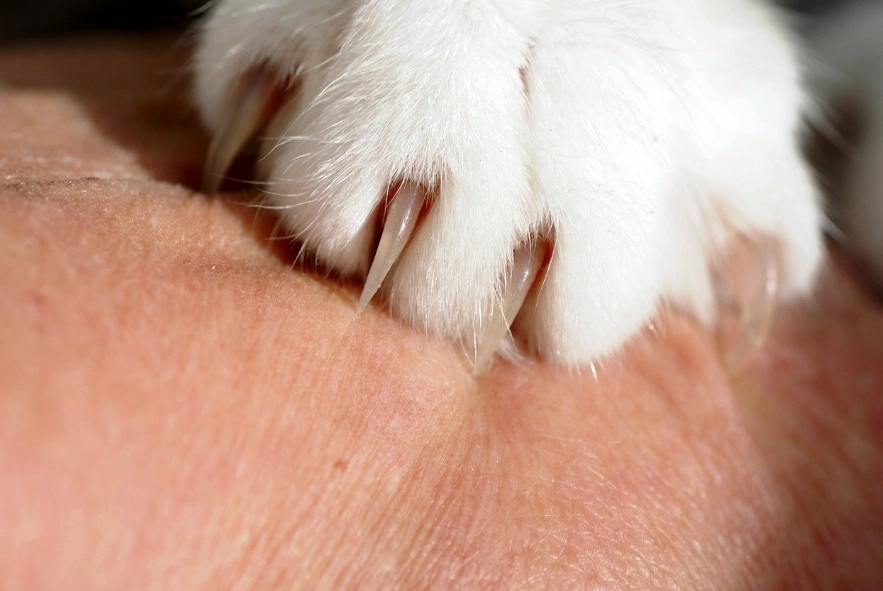
The primary danger isn't the scratch itself—it's the bacteria a cat can carry under its claws. The main culprit is Bartonella henselae. When a cat licks its paws, this bacteria from its saliva gets transferred to its claws. A scratch then inoculates it into your skin.
This can lead to Cat Scratch Disease (CSD), also known as cat scratch fever. According to the U.S. Centers for Disease Control and Prevention (CDC), about 12,000 people are diagnosed with CSD each year, and about 500 require hospitalization. It's not ultra-common, but it's far from rare.
Who's most at risk? While anyone can get CSD, it's typically more severe in children under 15 and people with weakened immune systems. The bacteria spreads from the scratch site to the lymph nodes, which is what happened to me. My lymph node swelled to the size of a golf ball.
Beyond Cat Scratch Disease: Other Potential Infections
CSD is the headline risk, but it's not the only one. A cat's claw can introduce other bacteria into a deep scratch, causing a standard bacterial skin infection (cellulitis). These are more common than CSD and are caused by everyday bacteria like Staphylococcus and Streptococcus from the cat's environment or your own skin.
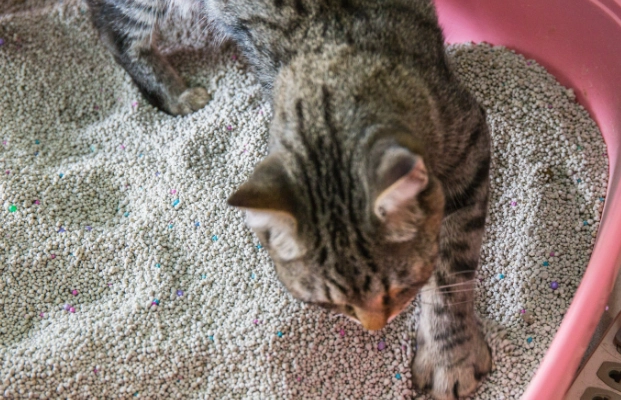
Then there's the issue of tetanus. The Clostridium tetani bacteria lives in soil and dust. If your cat's claws are contaminated (from a litter box or outdoor exploration) and they break your skin deeply, there's a theoretical risk. It's extremely rare from cat scratches, but it's why doctors ask about your tetanus shot status if you come in with a concerning wound.
The Critical First 10 Minutes: What to Do Right After a Scratch
Your immediate reaction sets the stage for healing. Don't just suck on the wound and forget about it. Here’s the drill, broken down into simple, non-negotiable steps.
Step 1: Stop the Bleeding & Inspect. Apply gentle pressure with a clean cloth or gauze. As it bleeds, it's actually flushing out some bacteria—let it bleed briefly for a few seconds if it's a shallow scratch. Then, take a good look. Is it a superficial surface scratch (like a paper cut) or did the claw dig in deeper? Depth matters more than length.
Step 2: Wash Aggressively. This is the most important step. Hold the scratch under warm, running water. Use mild soap and lather thoroughly for a full 60 seconds. Don't just rinse; use a gentle wiping motion to clean out the trench of the scratch. The goal is to physically remove as much bacteria and debris as possible.
Step 3: Disinfect. After washing and patting dry with a clean towel, apply an over-the-counter antiseptic. An iodine solution (like Betadine) or chlorhexidine are excellent choices. Hydrogen peroxide is less recommended by many doctors now as it can damage healthy tissue. Rubbing alcohol stings like crazy but is effective.
Step 4: Cover or Not? For a superficial scratch, leaving it open to air is usually fine. If it's in a spot that will get dirty (like your hand) or if you have a weakened immune system, cover it with a clean bandage or sterile gauze. Change the dressing daily.
One mistake I see people make? They wash the scratch with a soapy cloth in a basin of still water. That just swishes bacteria around. Running water is non-negotiable.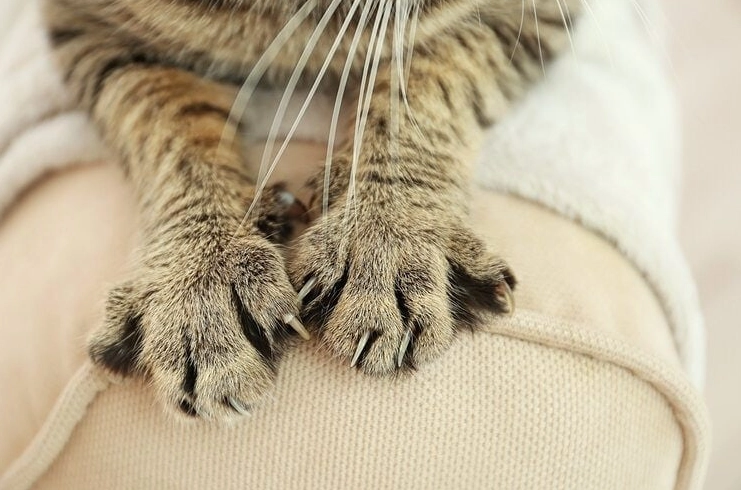
When to Worry: Symptoms That Mean It's Time to Call a Doctor
Most scratches heal uneventfully. You need to become a detective for your own body over the next 1-3 weeks. Watch for signs that the scratch site itself is getting infected, and more importantly, for systemic signs of Cat Scratch Disease.
Signs of a Local Infection (at the scratch site):
- Redness that spreads: A little redness right after is normal. If the red area expands outward over 24-48 hours, that's a red flag.
- Increased warmth and swelling: The area feels hot and puffy compared to the surrounding skin.
- Pus or unusual discharge: Any yellow or green fluid oozing out.
- Throbbing pain: Pain that gets worse instead of better.
Symptoms of Cat Scratch Disease (Systemic):
These usually appear 3-14 days after the scratch, sometimes even longer.
- Swollen, tender lymph nodes: This is the classic sign. Nodes near the scratch site swell—for a hand scratch, that's the armpit or elbow; for a leg scratch, the groin. They can get as large as a lemon and be quite painful.
- Fever, fatigue, and headache: A low-grade fever (100-102°F), general tiredness, and body aches.
- A blister or bump at the scratch site: Sometimes, the original scratch develops a small pustule or bump days later.
- Loss of appetite.
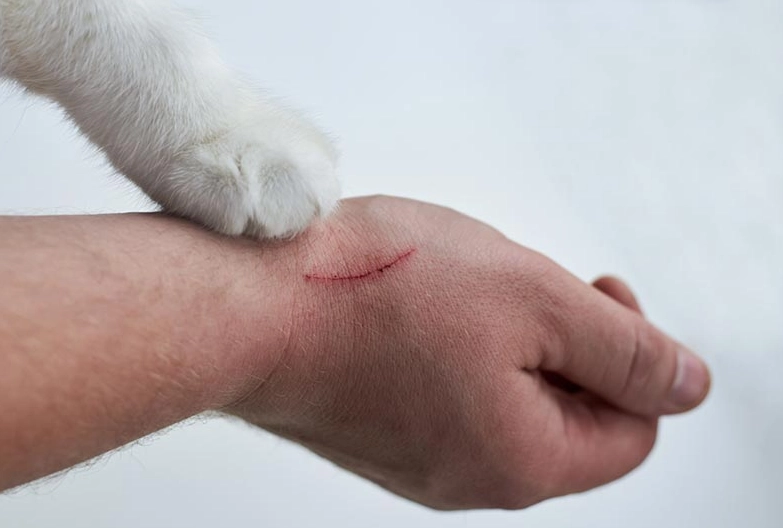
Seek medical attention immediately if: The scratch is on your face or near your eyes; you develop a high fever (over 102°F); the red streaks are moving away from the wound (a sign of blood infection); or you have severe pain, confusion, or difficulty breathing. These indicate a potentially serious infection.
How to Prevent Scratches (Without Declawing)
Prevention is infinitely better than treatment. Declawing is an inhumane and medically unnecessary amputation. Effective prevention is about managing your cat's claws and understanding their behavior.
Regular Nail Trims: This is the number one thing you can do. Trim the very sharp tip every 1-2 weeks. Use proper cat nail clippers, not human ones. If you're nervous, ask your vet or groomer for a demo. Even just blunting the tips reduces scratch damage dramatically.
Provide Superior Scratching Outlets: Cats need to scratch. It's not vindictive. Give them better options than your couch. Have multiple scratching posts and pads. Pay attention to their preference—some like vertical sisal rope, others prefer horizontal cardboard scratchers. Place them near their favorite resting spots and near furniture they currently target.
Play Smart: Never use your hands or feet as toys. It's cute with a kitten, but it teaches them that human skin is for biting and scratching. Always use a wand toy, laser pointer (point it at a physical toy at the end of play), or thrown toy to keep distance between their claws and your skin during energetic play.
Read Their Body Language: Most scratches happen when a cat is overstimulated or feels threatened. Learn the signs of a cat who's had enough: twitching tail, flattened ears, dilated pupils, skin rippling on the back. When you see these, stop petting or playing and give them space.
Consider Nail Caps: Soft plastic caps (like Soft Paws) glued over the claws are a safe, temporary alternative for cats who are difficult to trim or for situations where extra protection is needed (e.g., around very young children or immunocompromised individuals). They fall off naturally as the nail grows out.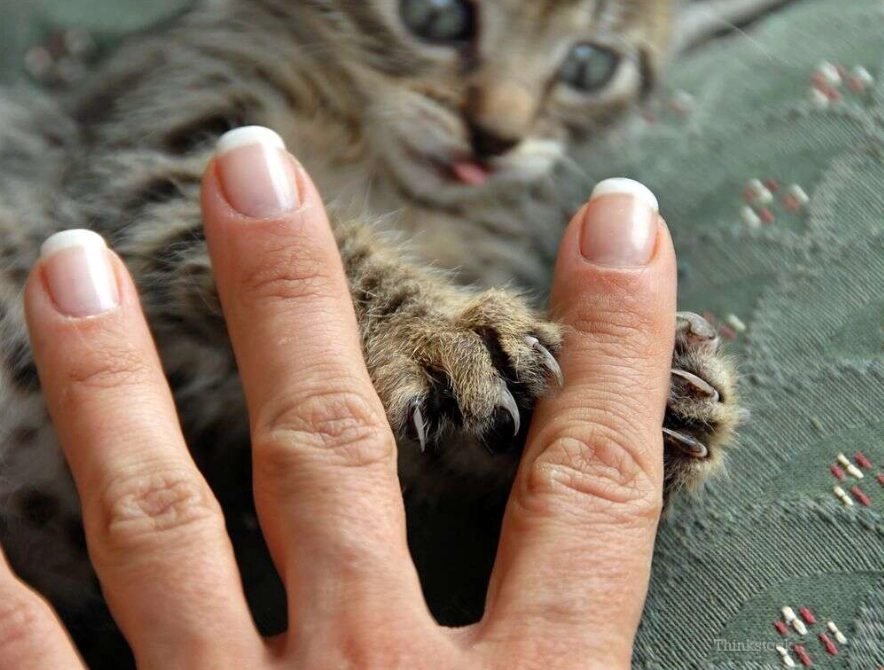
Your Cat Scratch Questions, Answered
 My indoor-only cat scratched me. Is that safer?



Leave a comment