You see your dog licking his paws, or maybe you notice a slight crack between the pads. The thought hits you: should I be putting something on those? How often? The internet throws a dozen different answers at you, from "never" to "daily." After a decade as a professional pet groomer, I can tell you the real answer is frustratingly simple: it depends. But don't click away—that "depends" is the key to doing it right and avoiding common, painful mistakes.
Most people get it wrong by either overdoing it, creating greasy messes and soft pads, or by ignoring the signs until a minor issue becomes a vet visit. The frequency isn't about a calendar; it's about reading your dog's unique needs. Let's cut through the noise.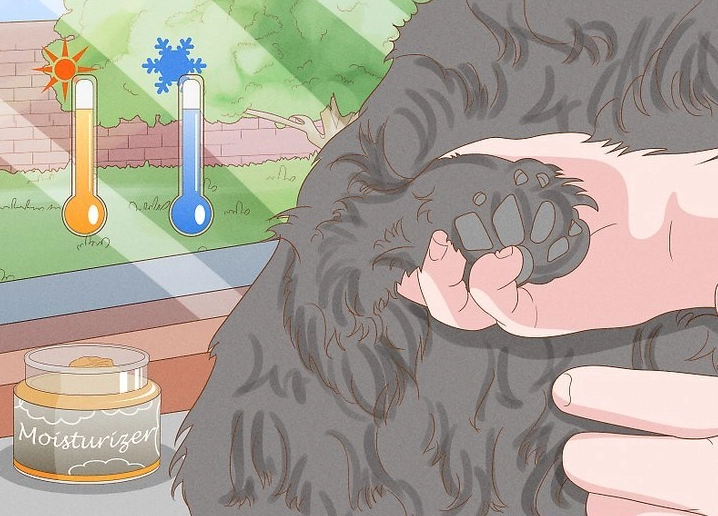
Your Quick Paw Care Guide
- Why Dog Paw Moisturizing Isn't Just Cosmetic
- The 5 Signs Your Dog's Paws Actually Need Moisture
- How to Choose a Paw Moisturizer (Skip the Human Lotion)
- The Stress-Free, 5-Minute Paw Moisturizing Routine
- Your Dog's Personal Frequency Schedule
- 3 Mistakes That Make Paw Care Worse
- Your Paw Care Questions, Answered
Why Dog Paw Moisturizing Isn't Just Cosmetic
Think of your dog's paw pads like the soles of the toughest hiking boots. They're designed for traction, insulation, and shock absorption. But unlike boots, they're living tissue. They can dry out, crack, and get damaged from the elements. The American Kennel Club notes that paw pads are susceptible to injuries from hot pavement, ice, chemicals, and rough terrain.
Moisturizing isn't about making them "soft." In fact, you don't want them overly soft—that reduces protection. It's about maintaining suppleness and elasticity. A healthy, supple pad can withstand impact and temperature changes without cracking. A dry, brittle pad is a ticking time bomb. A small fissure can deepen, become painful, and get infected, leading to lameness and a hefty vet bill.
I had a client, a super active Border Collie named Dash, who started limping after weekend hikes. The owner checked for thorns, found nothing. When I looked, the pads weren't cut, but they were as dry and rough as sandpaper, with micro-cracks starting. A week of targeted moisturizing and he was back to his crazy sprints. The owner never considered dryness as the culprit.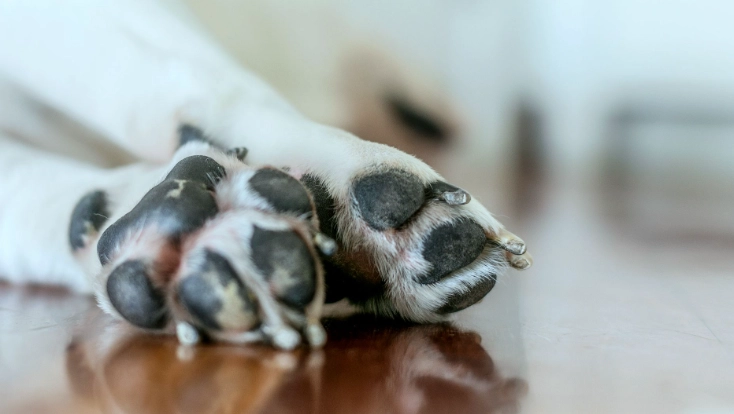
The 5 Signs Your Dog's Paws Actually Need Moisture
Don't just moisturize on a whim. Look for these specific cues. Your dog is telling you what they need.
- Rough, Sandpaper Texture: Run your fingers over the pads. Healthy pads feel like tough, smooth rubber. Needing-care pads feel rough, flaky, or calloused.
- Visible Cracking or Flaking: Check between the pads and around the edges. Look for small, shallow cracks or pieces of hard skin peeling up. Deep, red cracks need a vet.
- Excessive Licking or Chewing: This is a prime signal. Dogs lick for comfort and to soothe irritation. Dry, itchy pads are a common target.
- A Change in Surface: Walking more on hot asphalt in summer? Hiking on rocky trails? Braving icy sidewalks with salt in winter? These are all triggers.
- The "Clicking" Sound: Hear a distinct click or tap on hard floors when your dog walks? That can indicate the pads are overly dry and hard.
If you see none of these, your dog might not need a dedicated moisturizer right now. Regular checks are your best tool.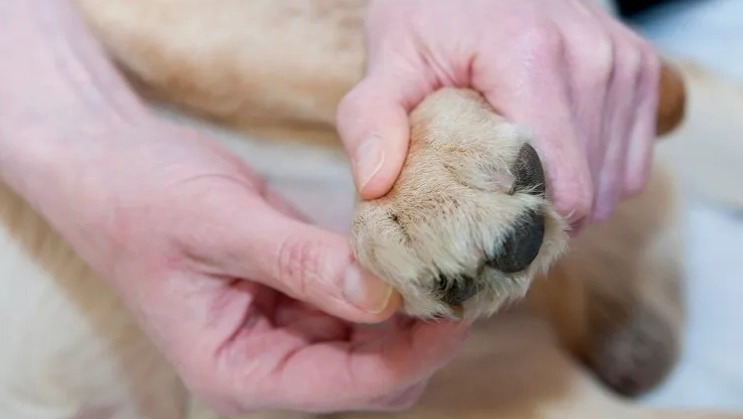
Pro Tip: The best time to check paws is during your regular brushing session or after a walk. Make it part of the routine. Lift each foot, spread the toes gently, and feel the pads and the webbing between them.
How to Choose a Paw Moisturizer (Skip the Human Lotion)
This is where many well-meaning owners go wrong. Your coconut oil or hand lotion is not the answer. Human lotions often contain alcohols, fragrances, and preservatives that can dry out pads further or be toxic when licked.
You need a product designed for dogs. Look for these key ingredients:
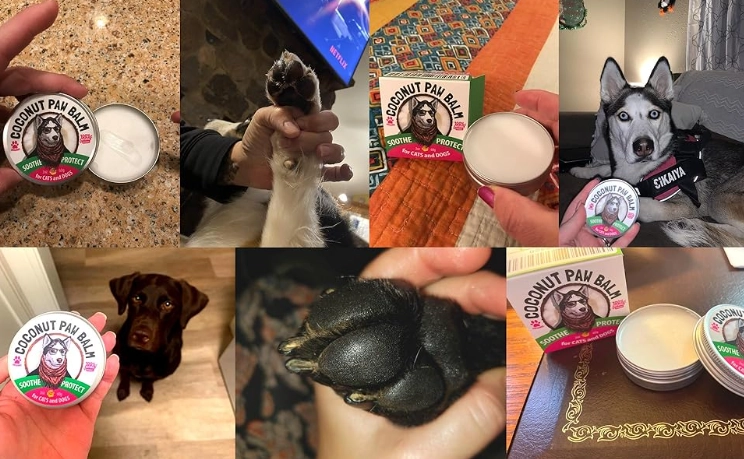
- Natural Waxes (Beeswax, Carnauba Wax): These create a protective, breathable barrier that locks in moisture without being greasy. They're the workhorses of good paw balms.
- Plant-Based Butters & Oils (Shea, Cocoa, Coconut, Olive): These are the moisturizers. They penetrate and nourish the pad tissue. I prefer shea butter for its non-greasy feel.
- Vitamin E: A fantastic antioxidant that promotes healing and skin health.
Avoid products with:
- Petroleum or Mineral Oil: They sit on top of the skin, can clog pores, and don't allow the pad to breathe or condition properly.
- Artificial Fragrances/Dyes: Completely unnecessary and potential irritants.
- Long lists of unpronounceable chemicals: Simple is usually better and safer for licking.
My personal go-to for years has been a simple beeswax-based balm with shea butter and vitamin E. It's safe, effective, and a little goes a long way.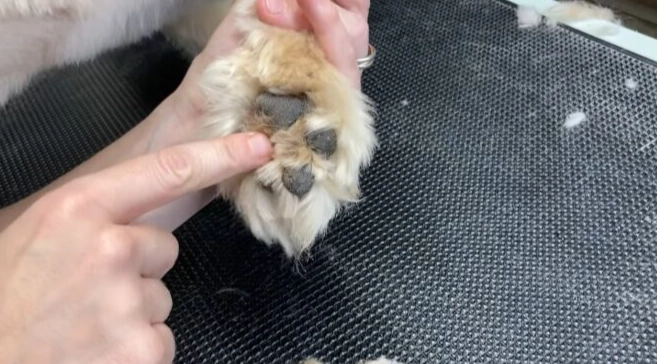
The Stress-Free, 5-Minute Paw Moisturizing Routine
If your dog hates having his paws handled, you're not alone. The trick is to make it quick, positive, and rewarding. Never force it.
1. Prep the Paws
Start with clean, dry paws. After a walk, wipe them down with a damp cloth to remove dirt, salt, or chemicals. Dry thoroughly, especially between the toes. Moisturizing on top of dirt is pointless and can trap debris.
2. Apply a Tiny Amount
Take a pea-sized amount of balm for all four paws. Rub it between your fingers to warm it up. Gently massage it into each paw pad, focusing on the main pad and the smaller toe pads. Don't glob it on. You want a thin, even layer.
3. Distract and Absorb
This is the non-consensus trick most miss. Immediately after applying, give your dog a high-value treat or engage in a quick play session for 5-10 minutes. This serves two purposes: it creates a positive association, and it gives the balm a few minutes to start absorbing before your dog walks on it or licks it excessively.
4. Wipe Off Excess (Optional)
If there's any visible, greasy residue after 10 minutes, you can lightly wipe the pads with a dry cloth. The goal is for the product to be mostly absorbed, not leaving your dog sliding on the kitchen floor.
Do this at a calm time of day, not right before an exciting walk.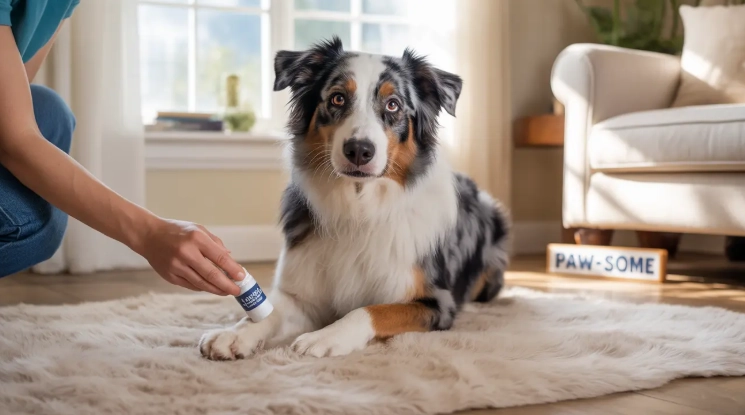
Your Dog's Personal Frequency Schedule
Here’s the core of it. How often? Use this table as a starting point, but always let your dog's condition be the final guide. Observation trumps any strict schedule.
| Your Dog's Situation | Recommended Frequency | Notes & Adjustments |
|---|---|---|
| Healthy Paws, Normal Lifestyle (mostly grass/yard, short neighborhood walks) | Once every 1-2 weeks, or as needed | This is maintenance. Check weekly for the signs listed above. You might go 3 weeks without needing it. |
| Active/Adventure Dog (frequent hiking, running on trails, beach trips) | 2-3 times per week, especially after high-impact outings | Rough terrain is abrasive. Moisturize after cleaning post-adventure. Consider a protective wax before hikes in harsh conditions. |
| Dry Climate or Winter (low humidity, indoor heating, cold air) | 2 times per week | Dry air sucks moisture from everything, including paw pads. Be vigilant. In winter, also focus on wiping off de-icing salts after every walk. |
| Senior Dog or Pre-Existing Dryness | Every other day to daily, until improved | Older dogs and already-dry pads need more consistent care to restore health. Once better, reduce to a maintenance schedule. |
| Hot Pavement Season | Increase maintenance frequency (e.g., 2x/week) | Heat is drying. Always do the "7-second test" (back of your hand on pavement) to avoid burns. Moisturizing helps pads recover from heat stress. |
See? It's not "daily" or "never." It's a spectrum. A couch potato Pug in a humid climate needs far less than an athletic Husky in Arizona.
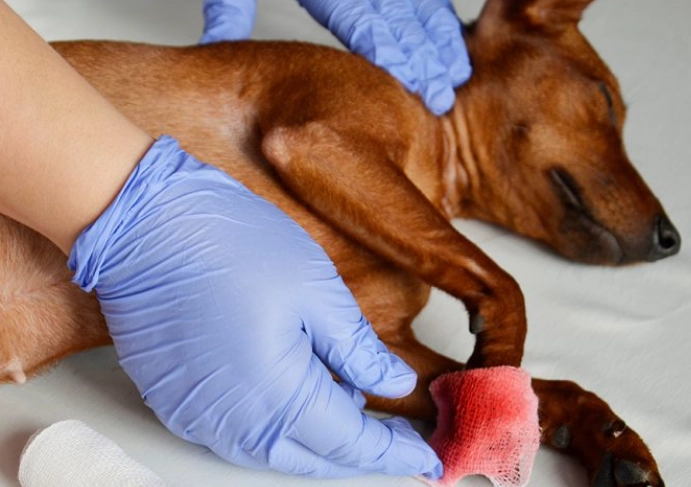
Red Flag: If you're moisturizing daily for more than a week and see no improvement, or if cracks are deep, bleeding, or look infected (red, swollen, oozing), stop home treatment and see your veterinarian. You could be dealing with an allergy, infection, or autoimmune issue that needs medical attention.
3 Mistakes That Make Paw Care Worse
- Over-Moisturizing: Saturating the pads constantly makes them too soft and vulnerable to abrasions. It's like overwatering a plant. Let the pads have their natural toughness.
- Using the Wrong Product: As mentioned, human lotions or pure oils like coconut oil (which can be comedogenic) can cause more problems. Stick to formulated paw balms.
- Ignoring the Cause: If your dog is constantly licking dry paws, moisturizing is a band-aid. The root cause could be environmental allergies, food sensitivities, or anxiety. Work with your vet to find the source.
Your Paw Care Questions, Answered
My dog immediately licks the balm off. Is it safe, and does it still work?
If you're using a quality, natural-ingredient balm made for dogs, a little licking is generally safe. The distraction technique I mentioned is crucial here. Even if some is licked, the brief contact allows some absorption. For persistent lickers, apply right before a meal or a chew toy session. If licking is obsessive, consult your vet, as it might indicate underlying itchiness from allergies.
Should I moisturize before or after a walk?
Generally, after. Moisturizing after cleans and replenishes the pads. However, in extreme conditions (rocky trails, hot sand, salted icy sidewalks), applying a protective paw wax *before* the walk can create a barrier. These waxes are different from moisturizing balms—they're designed to shield, not absorb. After the walk, clean the paws and then apply your moisturizing balm if needed.
How do I know if my dog is allergic to a paw balm?
Always do a patch test. Apply a tiny dab of the new balm on a small area of the inner leg or belly. Wait 24-48 hours. Watch for redness, hives, swelling, or increased itching at the site. If you see any reaction, wash it off and don't use that product. Stick to balms with minimal, recognizable ingredients to lower allergy risks.
Can I use bag balm or Musher's Secret for moisturizing?
These are great products, but understand their purpose. Musher's Secret is primarily a protective barrier wax. It's fantastic for preventing snowballing and protecting from salt/ice. Its moisturizing properties are secondary. Bag Balm is a moisturizer and protectant (contains lanolin and petroleum). It's thick and effective for very dry, cracked pads, but because of its petroleum base, some dogs find it too greasy and it can stain carpets. For pure, daily-conditioning moisturizing, I still lean towards a simpler beeswax-and-butter balm.
Are there any breeds that need more frequent paw care?
Breeds with naturally drier skin or hairless paws may need more attention. Think Chinese Cresteds, Xoloitzcuintlis, or Bulldogs (who often have allergies). Conversely, breeds with heavily feathered feet (like many Setters or Newfoundlands) need the hair between their pads kept trimmed to prevent moisture and debris buildup, which can mask pad problems. Always feel the actual pad, not just look at the foot.
The bottom line on frequency? Start with the chart, but become an expert on your own dog's paws. Check them weekly. Feel the texture. Notice the licking. Adjust based on their life, the season, and what you see and feel. It's not a chore on a checklist; it's a five-minute act of care that keeps them comfortable on all their life's adventures. That's the real goal—not just soft paws, but happy, healthy miles ahead.

Leave a comment