You're petting your dog, and your hand brushes against their foot. It feels like sandpaper. You take a closer look, and sure enough, the paw pads are rough, maybe even cracked or peeling. Your first thought is panic. Is this normal? Is my dog in pain? I remember the first time I noticed this on my own Labrador, Max. It was a dry winter, and his usually supple paws felt like old leather. I worried I'd been a bad owner.
Let me put you at ease right away. Some roughness is normal. Paw pads are made of thick, keratinized skin, designed for protection. But excessive roughness, cracking, or visible damage is a sign something's off. It's your dog's way of waving a red flag. Ignoring it can lead to infections, limping, and a lot of discomfort for your furry friend.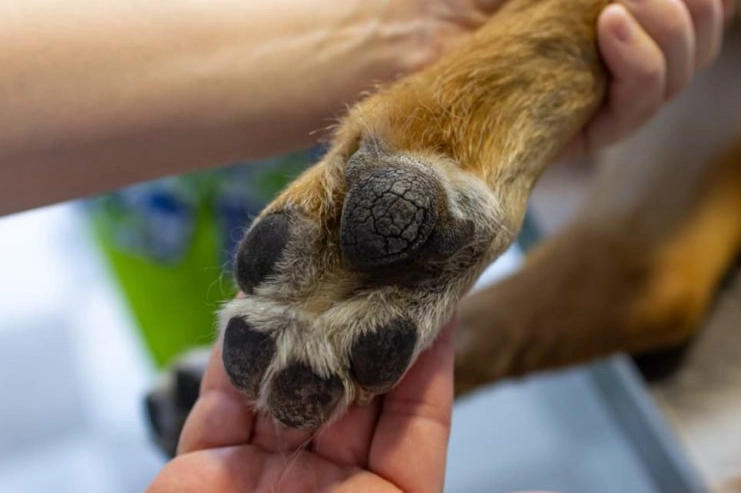
在这篇文章中
The 5 Real Reasons Your Dog's Paws Get Rough & Cracked
It's rarely just one thing. More often, it's a combination. Understanding the root cause is 80% of the battle.
Environmental Assault: Weather & Surfaces
This is the big one. Think about walking barefoot on hot asphalt in summer or icy salt-covered sidewalks in winter. Your dog does that daily.
Hot Pavement & Sand: Burns and dries out the pads, causing them to thicken and crack as a defense mechanism. The American Veterinary Medical Association warns that asphalt can reach dangerous temperatures quickly.
Cold, Ice, and De-icing Chemicals: Cold causes constriction and dryness. Rock salt and chemical melts are corrosive. They burn the pads and are toxic if licked off. I've seen dogs with chemical burns from these that look like severe rug burn.
Rough Terrain: Constant hiking on rocky trails, gravel, or even coarse concrete acts like sandpaper, wearing down and roughening the pads over time.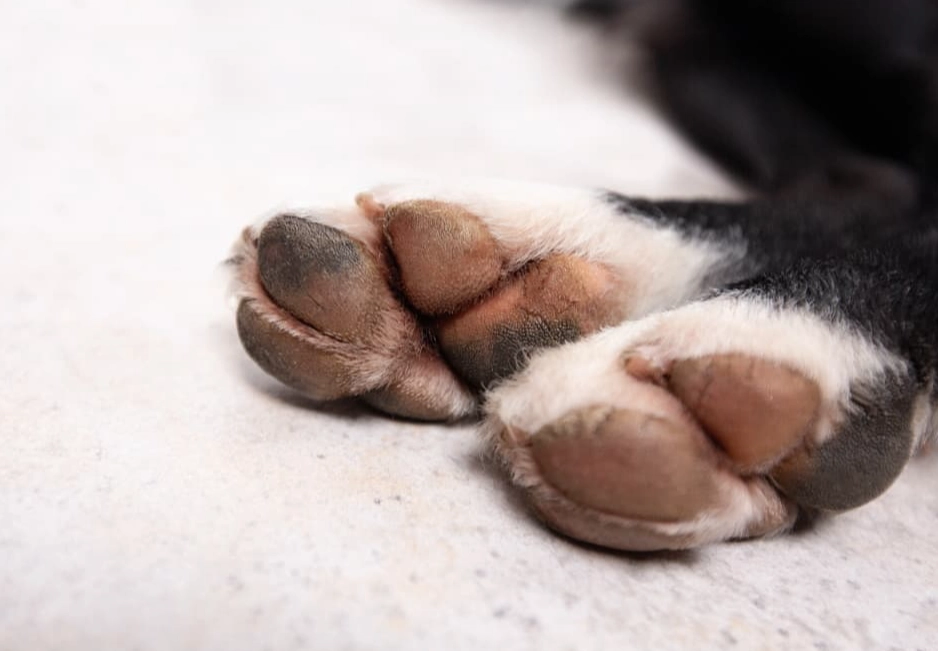
Allergies & Skin Conditions
This is a sneaky culprit many owners miss. If your dog has environmental or food allergies, the inflammation often shows up in their paws first. They'll lick and chew incessantly, keeping the skin wet, macerated, and prone to cracking. It creates a vicious cycle of itch, lick, damage, more itch. Atopic dermatitis, a common allergic skin condition, frequently targets the paws.
Nutritional Deficiencies
Skin health starts from within. Paw pads are skin. A diet lacking in essential fatty acids (Omega-3 and Omega-6), zinc, or certain vitamins (like Biotin) can result in dry, flaky, and brittle skin everywhere, including the paws. The pads lose their elasticity and ability to withstand stress.
Age & Natural Wear
Just like our skin, a dog's paw pads change with age. They often become thicker, drier, and less flexible. Senior dogs may naturally have rougher paws, but that doesn't mean we can't help keep them comfortable and prevent painful cracks.
Behavioral: Excessive Licking or Chewing
Sometimes the damage is self-inflicted. Beyond allergies, licking can be a sign of anxiety, boredom, or pain elsewhere (like arthritis). The constant moisture from saliva breaks down the skin's natural barriers, leading to infections and painful cracks between the toes.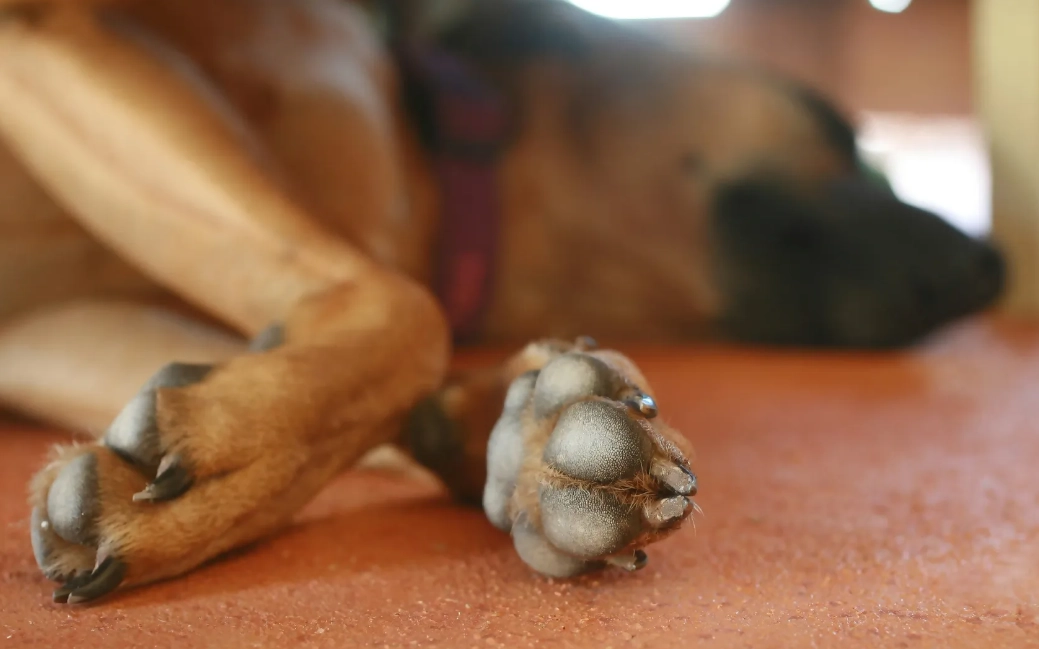
How to Figure Out What's Causing the Problem
Don't just slap on some lotion and hope for the best. Play detective.
First, do a thorough paw inspection. Lift each foot. Look between the toes and pads. Check for:
- Cracks (deep or superficial)
- Redness or swelling
- Foreign objects (pebbles, burrs, glass)
- Discoloration (could indicate a burn or fungal infection)
- Unusual odor (a sign of yeast or bacterial infection)
Track the timing. Did it start after a hike? During a dry spell? After switching dog food? This context is gold for your vet.
Here's my non-negotiable rule: If there are deep cracks, bleeding, obvious pain, limping, or signs of infection (pus, extreme redness), see your vet first. Home treatment on a serious issue can make it worse. Your vet can rule out autoimmune diseases, severe fungal infections, or other medical conditions that mimic simple dryness. Resources like the American College of Veterinary Dermatology can help you find a specialist if needed.
A Step-by-Step Plan to Heal Cracked Paw Pads
Let's say your dog's paws are rough and dry, maybe with a few minor cracks, but no major injury. Here's what I did for Max, and what I recommend.
Step 1: The Gentle Clean
After every walk, especially in winter or on salted paths, wipe their paws with a damp, lukewarm cloth. Don't use harsh soaps that strip natural oils. For a deeper clean, mix a mild dog shampoo with water in a bowl and soak each paw for 30 seconds, then pat dry thoroughly. Moisture trapped between toes is a breeding ground for trouble.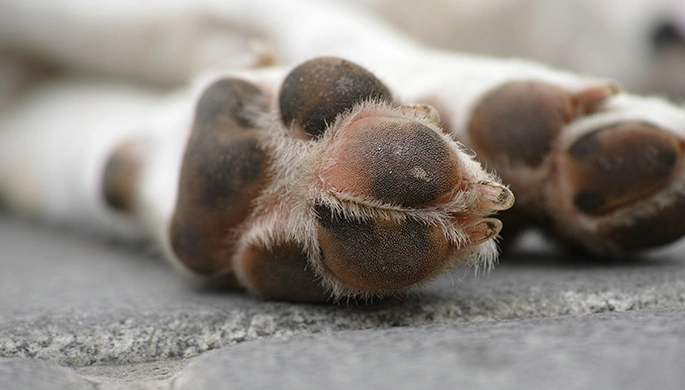
Step 2: Moisturize with the Right Stuff
This is where most people go wrong. Human lotions? Often contain alcohol or fragrances that sting and dry out more. Vaseline? It's an occlusive, meaning it seals moisture in—but if the pad is already dry, it seals nothing in and just sits there, greasy.
You need a dog-specific paw balm or wax. Look for natural ingredients like shea butter, coconut oil, beeswax, and vitamin E. Beeswax is key—it creates a protective, breathable barrier. Apply a thin layer to each pad, massaging it in gently. Do this when your dog is calm, maybe even sleepy. Consistency is everything—once or twice a day until healed, then for maintenance.
Step 3: Protect & Restrict
If the cracks are tender, you need to protect them from further trauma and licking.
Dog Booties: Not just a fashion statement. They're essential for walks on extreme surfaces or while pads are healing. Get ones with a non-slip sole. Let your dog get used to them indoors first.
The Cone of Shame (or a Sock): If licking is the issue, you must break the cycle. An Elizabethan collar is the most reliable. A baby sock secured with medical tape (not tight!) can work for short periods under supervision.
Building a Bulletproof Paw Care Routine
Treatment is reactive. Prevention is proactive and way easier.
Make Paw Checks Habitual: Turn it into a positive, treat-filled ritual. Check during cuddle time.
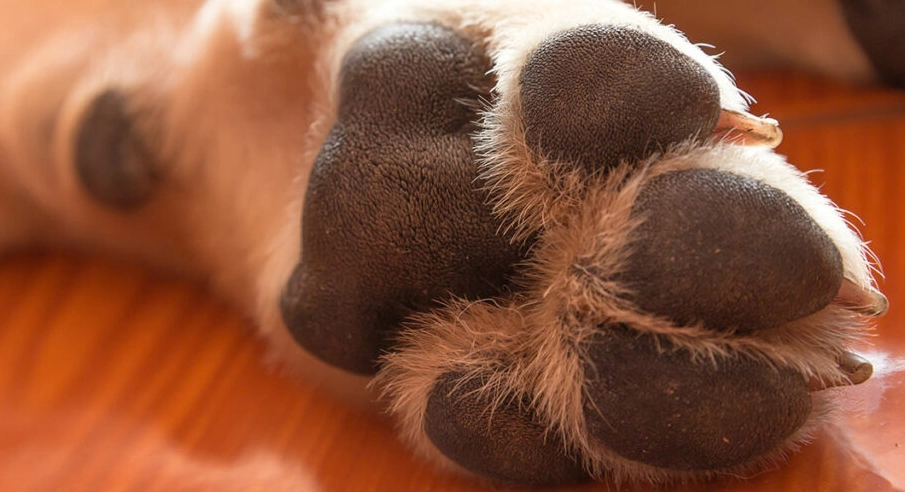
Trim Interdigital Hair: The hair between the pads can mat, trap moisture and debris, and cause irritation. Keep it trimmed short with blunt-nosed scissors.
Keep Nails Short: Long nails alter a dog's gait, putting uneven pressure on the paw pads, which can contribute to cracking.
Seasonal Adjustments: - Summer: Walk in the early morning or late evening. Do the 5-second test—place the back of your hand on the pavement. If it's too hot for you, it's too hot for them. - Winter: Use a pet-safe ice melt on your own property. Rinse and dry paws after every walk. Consider a protective wax like Musher's Secret before going out—it forms a barrier against salt and ice.
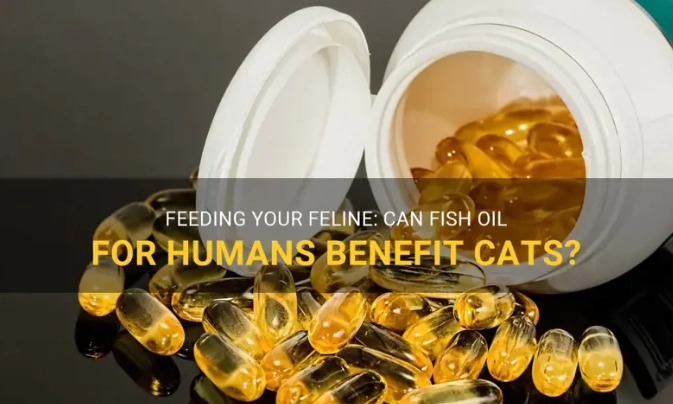
Dietary Support: A high-quality diet with good fats is foundational. Many owners see a dramatic difference after adding a fish oil supplement (consult your vet for dosage).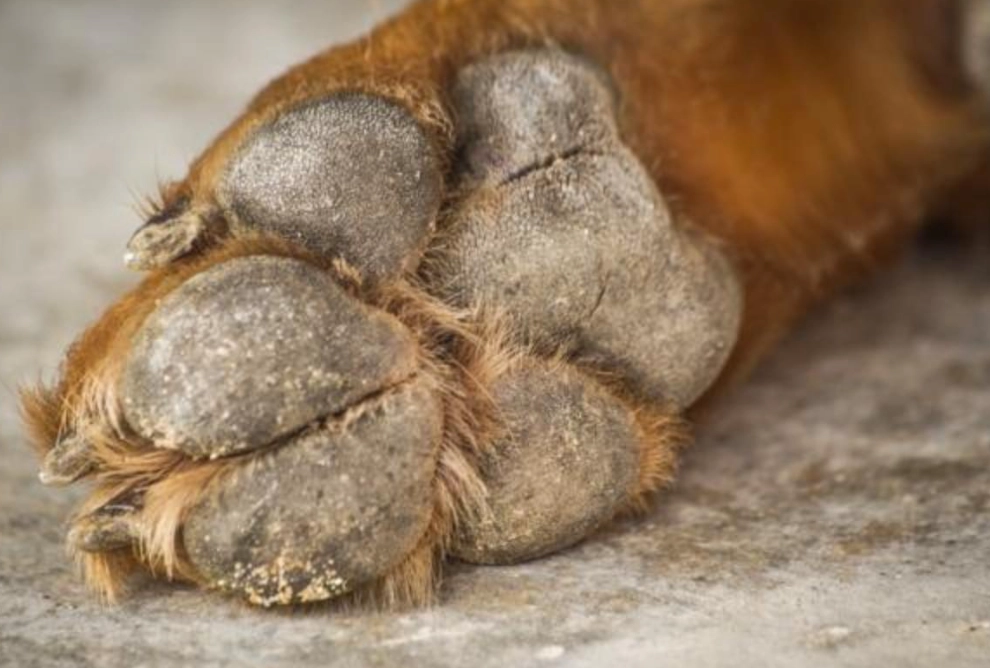
Common Paw Care Mistakes Even Experienced Owners Make
I've made some of these myself. Let's save you the trouble.
Using Human Moisturizer: Already mentioned, but it's the top mistake. It can be toxic when licked and is often ineffective.
Ignoring the Licking: Writing it off as "just a habit." Constant licking is never just a habit. It's a symptom. Find the cause.
Over-washing with Harsh Products: Stripping the natural oils daily makes the problem worse. Clean when dirty or after contact with chemicals, not after every grassy walk.
Assuming Roughness is Always Normal: While some texture is fine, a sudden change or progression to cracking is a clear signal. Don't normalize it away.
Treating Without Diagnosing: Applying anti-fungal cream to an allergic paw, or moisturizer to a bacterial infection, will delay proper healing. When in doubt, vet it out.
Your Top Paw Problems, Answered
 How long does it take for cracked dog paws to heal?
Your dog's paws are their foundation. A little roughness might not seem like a big deal, but it's often the first whisper of a larger issue. Paying attention, implementing a simple care routine, and knowing when to call the vet can save your dog from pain and save you from a big vet bill down the line. Start with a gentle wipe, a good balm, and a careful eye. Those paws will be back to giving happy, healthy taps in no time.

Leave a comment