You're playing with your cat, and suddenly—ouch! A sharp little claw catches your hand. It's red, maybe a bit of blood. Your first instinct? Grab the rubbing alcohol from the medicine cabinet. It stings, so it must be working, right?
Stop. Put the bottle down.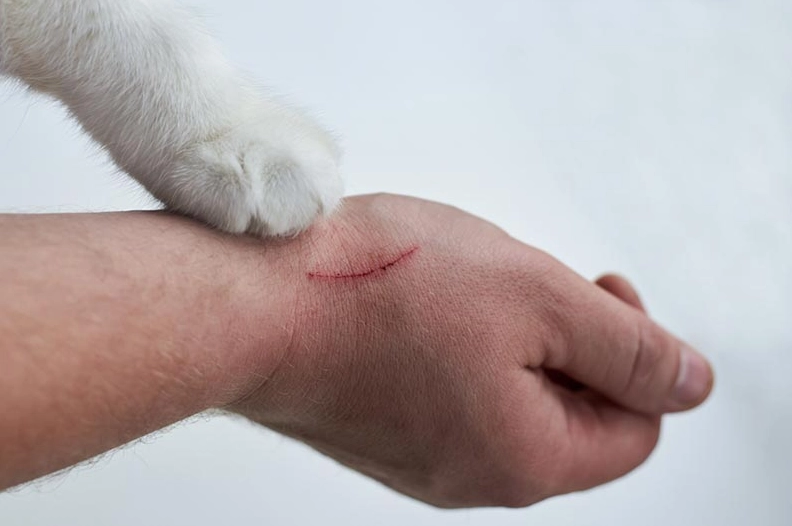
As someone who's worked with animals for years and dealt with countless minor pet injuries (both on myself and advising others), I can tell you that dousing a cat scratch in alcohol is one of the most common—and counterproductive—first-aid mistakes people make. It feels decisive, like you're taking strong action against germs. In reality, you might be making things worse.
What You'll Learn
The Short Answer: Why Alcohol is a Bad Idea for Cat Scratches
No, you should not put rubbing alcohol (isopropyl alcohol) or hydrogen peroxide on a cat scratch. Here's the blunt reason: these substances are tissue-toxic. They don't just kill bacteria; they kill your healthy skin cells, too.
Think of the scratch as a tiny ditch. Your body's healing process needs to fill that ditch with new cells. Pouring a harsh chemical like 70% isopropyl alcohol into it is like salting the earth where you want grass to grow. It damages the fragile new cells trying to form, which actually delays healing. A study published in the Journal of Wound Care has highlighted how cytotoxic (cell-killing) agents like alcohol impair the wound microenvironment crucial for repair.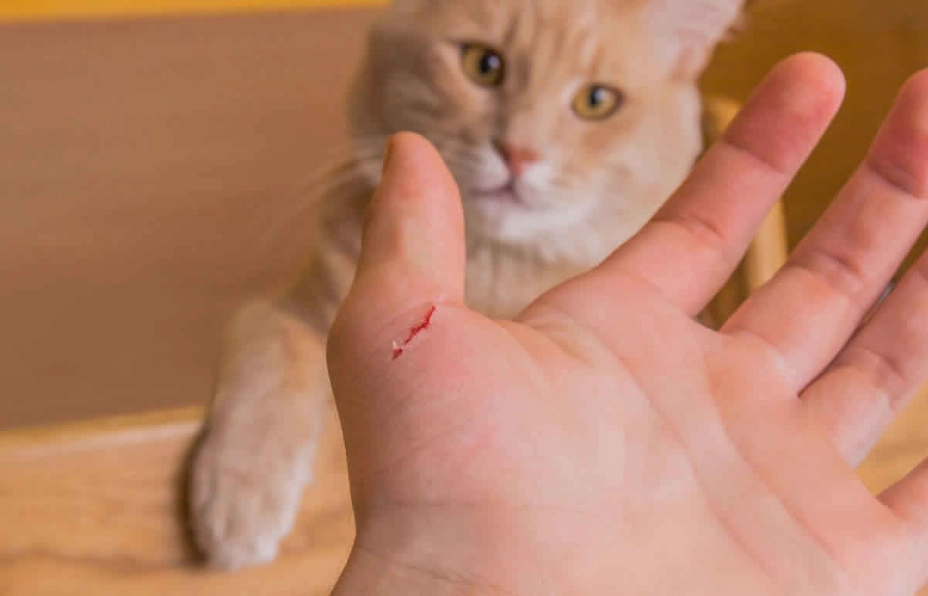
The Sting Test is a Lie. That burning sensation isn't a reliable sign of "cleaning." It's a sign of cellular damage. Pain doesn't equal efficacy.
Furthermore, alcohol evaporates quickly. It doesn't have sustained antimicrobial action. It might kill some surface bacteria in that instant, but it does nothing to prevent new bacteria from entering the now-irritated and more vulnerable wound minutes later.
What to Do Instead: The Correct 5-Step First Aid Protocol
Forget the old-school harsh chemicals. Modern wound care is about being gentle and effective. Here’s the protocol I follow and recommend, step-by-step.
Step 1: Immediate Pressure and Wash
If the scratch is bleeding, apply gentle pressure with a clean cloth or gauze for a minute or two. Then, get to a sink. The single most important thing you can do is wash the wound thoroughly with mild soap and copious amounts of lukewarm running water. This physical removal of debris and bacteria is more effective than any antiseptic you can pour on later. Spend a good 60 seconds on this. Be gentle—don't scrub aggressively.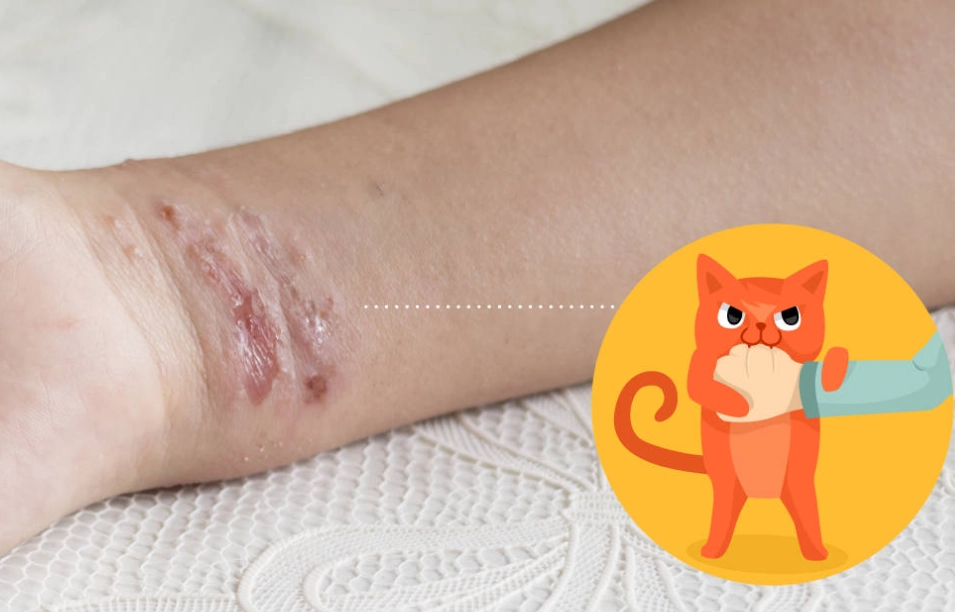
Step 2: Pat Dry & Inspect
Use a fresh, clean paper towel or gauze to pat the area dry. Don't use a used hand towel. Take a close look. Is the scratch superficial, or is there a deep puncture from a tooth (more common with bites)? Punctures are trickier and riskier.
Step 3: Apply a Gentle Antiseptic (The Right One)
This is where you choose a modern wound cleanser. Look for products containing chlorhexidine or benzalkonium chloride. These are widely used in veterinary and human medicine because they are effective against a broad spectrum of bacteria yet are far less damaging to tissue than alcohol. You can find chlorhexidine solution (often diluted) at most pharmacies. Apply it with a clean cotton ball.
Pro Tip: If you don't have a commercial antiseptic, a second thorough wash with soap and water is better than using alcohol. The goal is cleanliness, not sterilization.
Step 4: The Power of Occlusion (Cover It!)
This is the step most people skip, but it's crucial. Apply a thin layer of plain petroleum jelly or a antibiotic ointment (like bacitracin) to keep the wound moist. Then, cover it with a simple adhesive bandage or a sterile non-stick pad and medical tape. A moist, covered wound heals faster and with less scarring than one left dry and exposed. It also creates a physical barrier against new bacteria.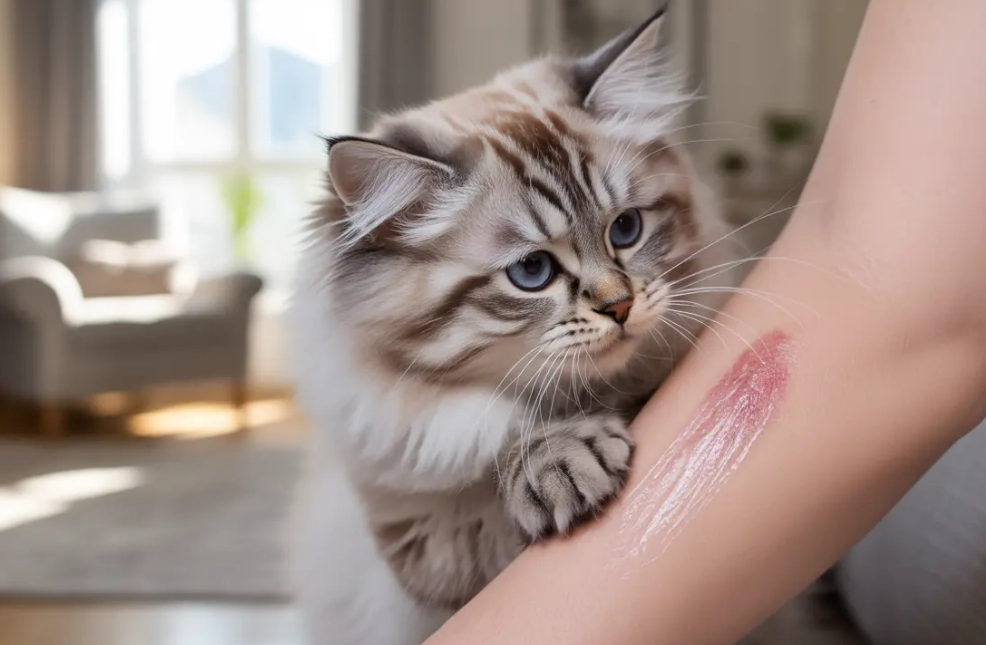
Step 5: Monitor and Change
Change the bandage daily, or anytime it gets wet or dirty. Each time, give the area a quick rinse and reapply your ointment. Continue until a new layer of skin has formed (usually a few days).
Alcohol vs. Better Options: A Product Comparison
Let's make this crystal clear. Here’s how common first-aid products stack up for treating a minor cat scratch.
| Product | Best For | Effect on Healing | Pain Level | Verdict for Cat Scratches |
|---|---|---|---|---|
| Rubbing Alcohol (70% Isopropyl) | Disinfecting surfaces, unbroken skin | Damages tissue, delays healing | High (intense sting) | Avoid. Causes more harm than good. |
| Hydrogen Peroxide (3%) | Initial cleansing of dirty wounds (use once) | Damages tissue with repeated use | Moderate (fizzing sensation) | Use with extreme caution. Can be used once for a very dirty wound, then switch to soap/water. Never use repeatedly. |
| Chlorhexidine Solution (2% or dilute) | Gentle, effective wound antisepsis | Minimal tissue damage, supports healing | Low to none | Excellent choice. Broad-spectrum, persistent action. Find it near first-aid supplies. |
| Povidone-Iodine (e.g., Betadine) | Pre-surgical skin prep, wound cleansing | Minimal tissue damage when diluted | Low | Good choice. Must be diluted to a "weak tea" color. Full strength can be irritating. |
| Plain Soap & Running Water | The initial, most critical cleaning step | Promotes healing by removing debris | None | Essential. The foundation of all good wound care. Do this first, always. |
Understanding the Real Risks of a Cat Scratch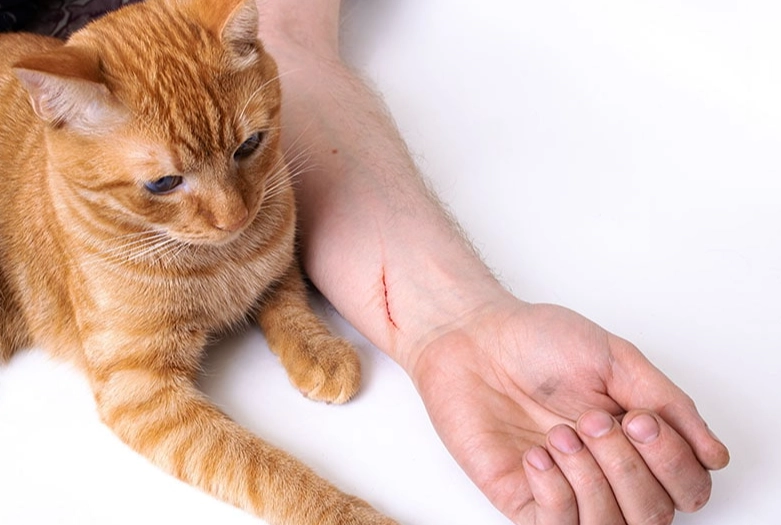
So why all this fuss over a little scratch? Cats' claws (and even more so, their teeth) harbor bacteria. The most famous is Bartonella henselae, which causes Cat Scratch Disease (CSD). According to the Centers for Disease Control and Prevention (CDC), CSD can cause fever, swollen lymph nodes, and fatigue. It's usually mild but can be serious for immunocompromised people.
But Bartonella isn't the only concern. A cat's claw can introduce Staphylococcus, Streptococcus, and other bacteria deep into your skin. The biggest risk isn't the surface bacteria you might kill with alcohol—it's the bacteria that get pushed in during the scratch. Harsh antiseptics can't reach those. Your immune system has to handle them, which is why proper cleaning to reduce the initial bacterial load is key.
Cat bites are a whole different, more dangerous ballgame. Their needle-like teeth create deep puncture wounds that seal over quickly, trapping bacteria inside. A bite requires much more urgent medical attention than a scratch. The ASPCA and other animal health authorities consistently warn about the infection risk from cat bites.
When to Worry: Signs You Need a Doctor, Not Just a Bandage
Most cat scratches heal uneventfully with proper home care. But you need to watch for red flags. See a doctor if you notice any of the following:
- Spreading Redness: Red streaks moving away from the wound, or an area of redness that's expanding after 24-48 hours.
- Increasing Pain & Swelling: Pain that gets worse instead of better, or significant swelling.
- Pus or Discharge: Yellow or greenish fluid coming from the scratch.
- Fever: A temperature over 100.4°F (38°C).
- Swollen Lymph Nodes: Tender, swollen glands in your armpit, elbow, or neck (especially on the same side as the scratch).
- The Scratch Was from a Stray or Unknown Cat: Rabies vaccination status is a concern, though rare.
- You Have a Weakened Immune System: Due to diabetes, chemotherapy, HIV/AIDS, or other conditions.
Don't tough it out. A simple course of antibiotics can clear up a developing infection quickly. Waiting can lead to cellulitis or even a systemic infection.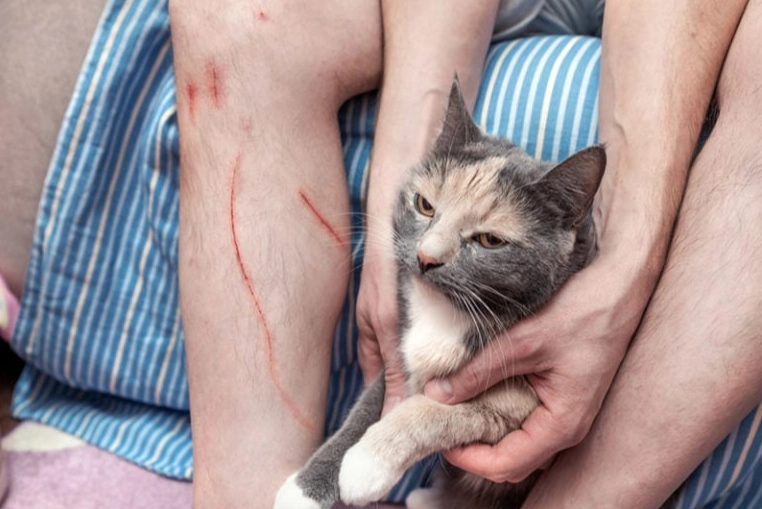
Your Cat Scratch Questions, Answered
 What about using witch hazel or essential oils like tea tree oil instead?

Leave a comment