Seeing your cat sprint to the litter box only to produce loose, watery stool is a moment every cat owner dreads. Diarrhoea in cats isn't just messy; it's a sign that something's off in their digestive system. The good news? Most episodes are short-lived and can be managed at home. The crucial part is knowing when home care is enough and when it's a veterinary emergency. I've been through this more times than I'd like with my own cats, and the panic never fully goes away, but having a clear plan does. Let's break down exactly what to do.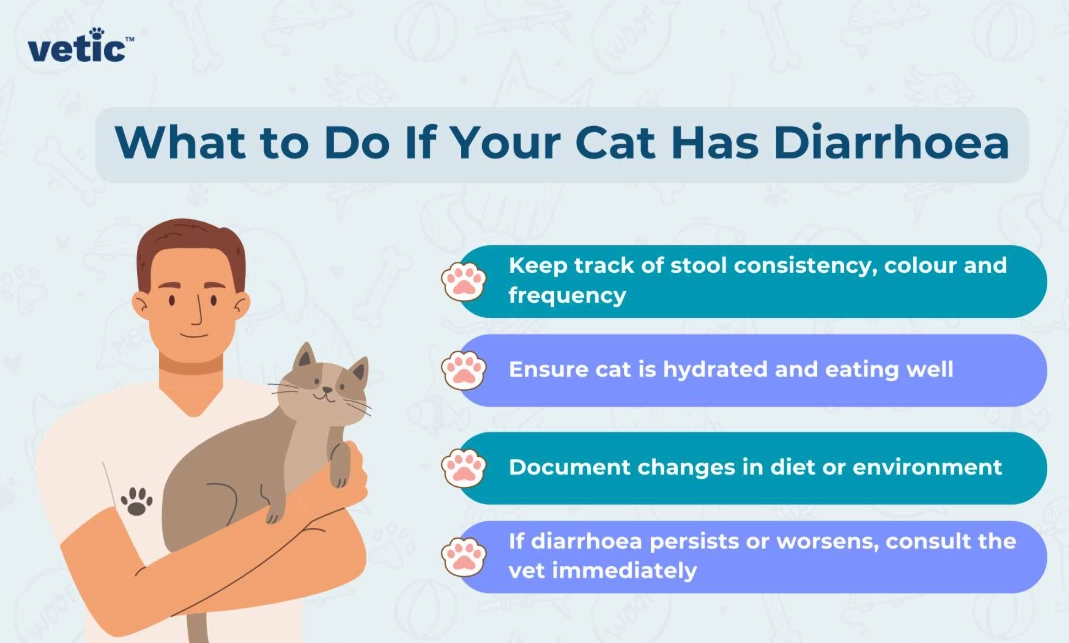
What You'll Find in This Guide
What Causes Diarrhoea in Cats?
You can't fix the problem if you don't understand the cause. Feline diarrhoea usually falls into two categories: issues with the small intestine (large volume, less frequent) or the large intestine (small volume, frequent, often with mucus or blood). Here are the usual suspects, ranked from most to least common in my experience:
- Dietary Indiscretion or Change: This is the big one. Your cat got into the garbage, you switched their food too quickly, or they ate a bug. Their system is protesting.
- Parasites: Worms like roundworms, hookworms, or protozoa like Giardia and Tritrichomonas are common culprits, especially in kittens or cats that go outdoors. The American Veterinary Medical Association (AVMA) lists intestinal parasites as a primary cause of GI upset.
- Food Intolerance or Allergy: An ingredient (often a protein like beef or dairy, or a carbohydrate) doesn't agree with them. This often causes chronic, intermittent diarrhoea.
- Infections: Bacterial or viral infections, though less common in adult indoor cats, can hit hard.
- Stress: A new pet, a move, loud noises – cats are sensitive. Stress colitis is a real thing.
- Underlying Disease: Inflammatory Bowel Disease (IBD), hyperthyroidism, kidney disease, or even certain cancers. These require a vet's diagnosis.
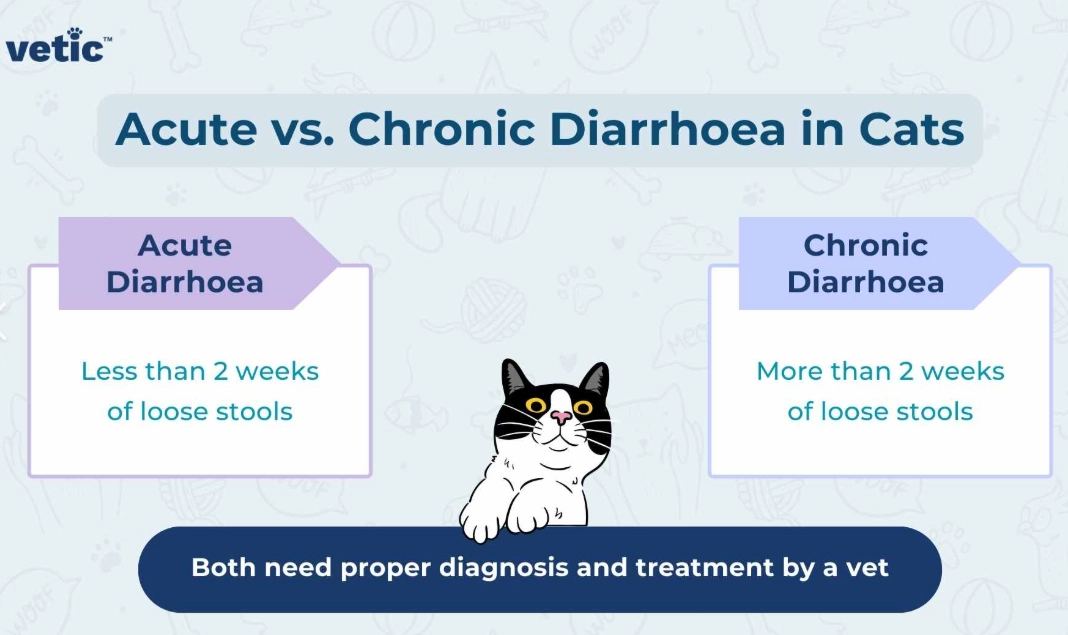
One mistake I see constantly: People assume a single episode of diarrhoea means they need to immediately switch to a "sensitive stomach" formula. This sudden change can actually worsen the problem. First, try the simple steps below.
How to Treat Mild Cat Diarrhoea at Home
If your cat is otherwise acting normal—playing, drinking, and not vomiting—you can try a 24-hour home management plan. The goal is to give the GI tract a rest and then reintroduce gentle foods.
Step 1: The 12-24 Hour Fast (For Adults Only)
Withhold food for 12-24 hours. Do not fast kittens, elderly cats, or cats with known health issues. This rest period allows the inflamed intestinal lining to heal. Ensure fresh water is always available. Dehydration is the real danger with diarrhoea.
Step 2: The Bland Diet Reintroduction
After the fast, offer a bland, easily digestible meal.
- The Gold Standard: Plain, boiled, skinless chicken breast or white fish (like cod) shredded into tiny pieces, mixed with plain, cooked white rice or mashed pumpkin (pure pumpkin, not pie filling) in a 1:1 ratio. Pumpkin is a great source of soluble fiber which can help firm things up.
- How much? Start small. Offer a tablespoon-sized portion. Wait a few hours. If it stays down and the stool starts to firm, you can offer another small meal 3-4 times a day for the next 2-3 days.
I keep a jar of pure pumpkin puree in the pantry for exactly this reason. It's a lifesaver.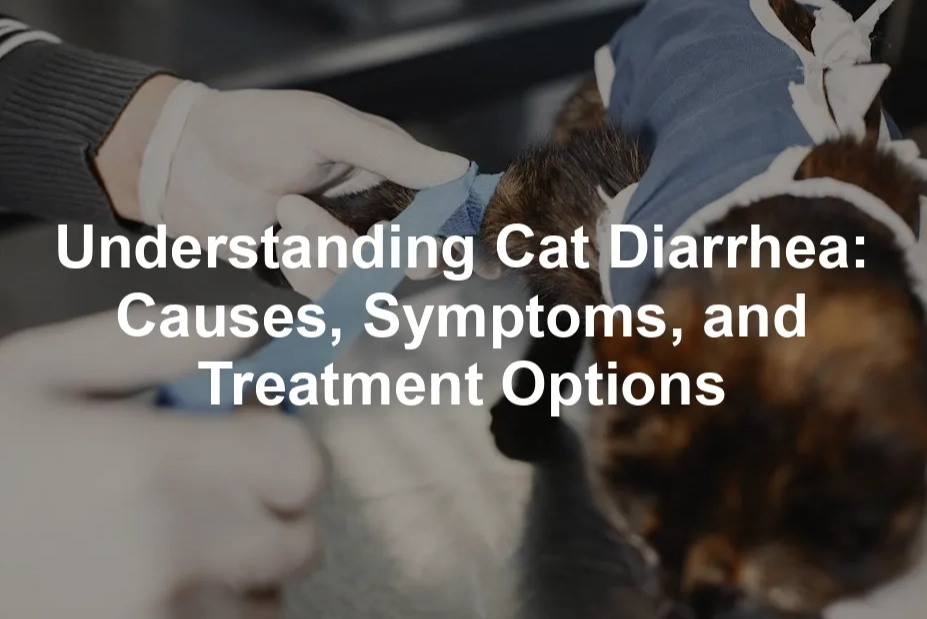
Step 3: Probiotics & Hydration Support
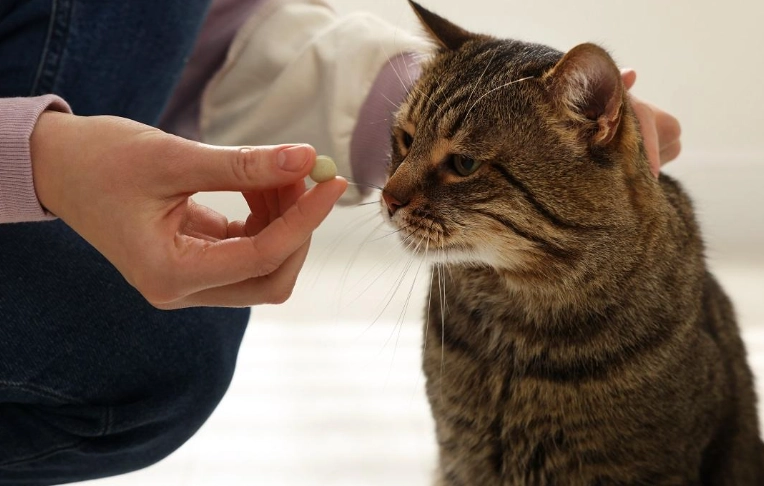
A good quality probiotic supplement designed for cats can help repopulate the gut with good bacteria. Look for ones with multiple strains like Enterococcus faecium or Bifidobacterium. You can also offer a bit of plain, unflavored Pedialyte (diluted 50/50 with water) in a separate bowl to encourage electrolyte intake.
Step 4: Gradual Transition Back to Normal Food
After 2-3 days of bland diet and formed stools, slowly mix their regular food back in over 4-5 days. Day 1: 75% bland / 25% regular. Day 2: 50/50. And so on.
Red Flags: When Home Care Isn't Enough
This is the most important section. Don't gamble with these signs. If you see any of the following, stop home treatment and contact your vet or an emergency clinic immediately.
| Symptom | Why It's Serious | Probable Cause / Action |
|---|---|---|
| Blood in the stool (bright red or dark, tarry) | Indicates significant inflammation, ulceration, or bleeding in the GI tract. | Parasites, severe colitis, poisoning, foreign body. Needs diagnostics. |
| Vomiting along with diarrhoea | Rapidly leads to dehydration and electrolyte imbalance. Limits ability to keep anything down. | Systemic infection, blockage, toxin ingestion. Often requires IV fluids. |
| Lethargy, weakness, or depression | Your cat is feeling systemically ill, not just having a gut issue. | Sign of pain, severe infection, or metabolic disease. |
| Loss of appetite for more than 24 hours | Cats cannot handle prolonged fasting; it can lead to hepatic lipidosis (fatty liver disease). | Underlying illness causing nausea/pain. Vet needs to find the root cause. |
| Diarrhoea lasting more than 48 hours despite home care | Risk of dehydration and nutrient loss increases. The cause is likely not simple. | Requires professional diagnosis (parasite check, bloodwork). |
Trust your gut. If your cat just "isn't right," even without the classic red flags, call your vet. You know your cat better than anyone. I once took my cat in because he was just a bit too quiet. Turned out he had a low-grade fever from an infection we caught early.
What Will the Vet Do for Cat Diarrhoea?
If you end up at the clinic, here's what to expect. It's not just a shot and send-home.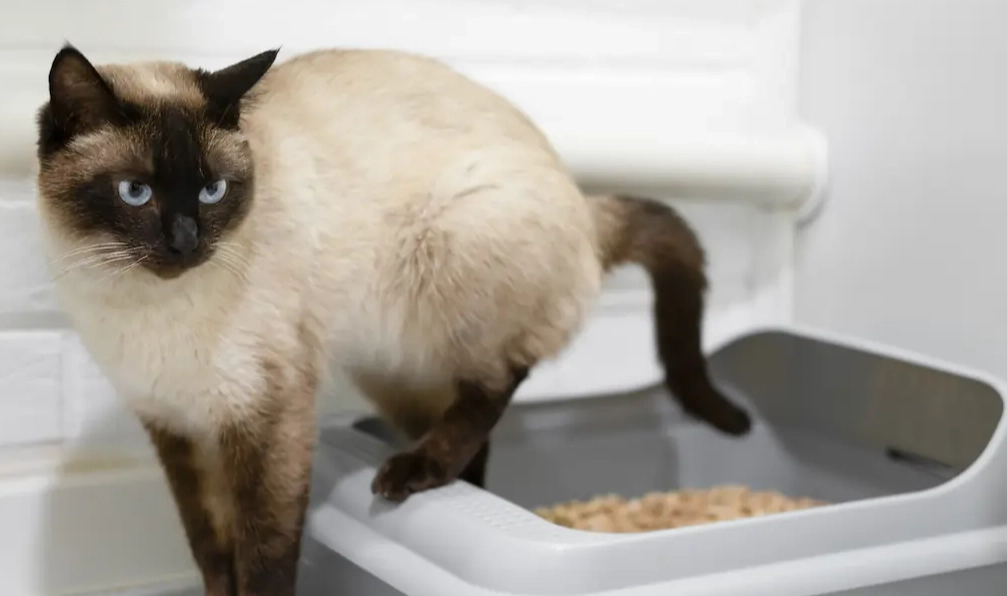
Diagnostics First: The vet will likely recommend a fecal exam to rule out parasites, and possibly bloodwork to check organ function and white cell counts. For chronic cases, they might suggest an abdominal ultrasound or specific diet trials.
Common Veterinary Treatments:
- Subcutaneous or IV Fluids: To combat dehydration, the single biggest threat.
- Antiparasitic Medication: If worms or protozoa are found.
- Prescription Diets: Highly digestible hydrolyzed protein or novel protein diets to rule out food allergies.
- Medications: Such as metronidazole (an antibiotic with anti-inflammatory properties for the gut), probiotics, or anti-nausea drugs. Never give human anti-diarrhoeal medications like Imodium to a cat without explicit vet instruction—they can be toxic.
Long-Term Strategies to Prevent Future Episodes
Once the crisis is over, think about prevention.
- Consistent, High-Quality Diet: Stick to a diet that works. If you must change food, do it over 7-10 days by slowly mixing in the new with the old.
- Regular Parasite Prevention: Use vet-recommended monthly preventatives, even for indoor cats.
- Manage Stress: Use Feliway diffusers, provide vertical space, and maintain routines.
- Limit "Treat" Variety: Find a single brand/flavor of treat they tolerate and stick with it. Random human food scraps are a common trigger.
Frequently Asked Questions About Cat Diarrhoea
 My vet prescribed metronidazole. Will this stop the diarrhoea immediately?


Leave a comment