Your dog just got neutered. He's home, maybe a little groggy, and definitely wearing that plastic lampshade we all know too well. The first question that pops into your head, right after making sure he's okay, is probably this: How long does this cone have to stay on? You feel bad for him. He's bumping into walls, can't get comfortable to sleep, and looks utterly miserable. It's a tough sight.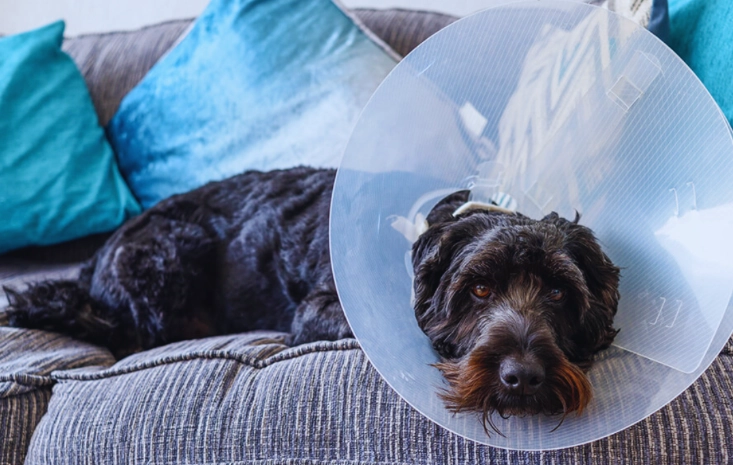
Let's cut straight to the chase, because I've been through this with my own dogs and have talked to vets about the nuances they don't always mention on the discharge sheet. The standard veterinary advice is to keep the Elizabethan collar (the cone) on for 10 to 14 days, or until the incision is fully healed and the sutures are removed or dissolved. But here's the thing—that's the textbook answer. The real answer is more of a judgment call based on your specific dog's healing, behavior, and the type of closure used. Taking it off too early is the single biggest mistake owners make, often leading to a costly and painful emergency vet visit for a ripped stitch or infected wound.
Your Quick Recovery Roadmap
The Standard Timeline: Why 10-14 Days?
Vets recommend this period because it covers the critical initial healing phases. The first few days are about clotting and initial closure. Days 3-7 involve inflammation and the start of tissue rebuilding. By days 7-10, the wound has gained significant strength, but the skin is still fragile. Around day 10-14, the collagen remodeling is solid enough to withstand normal licking and gentle nibbling.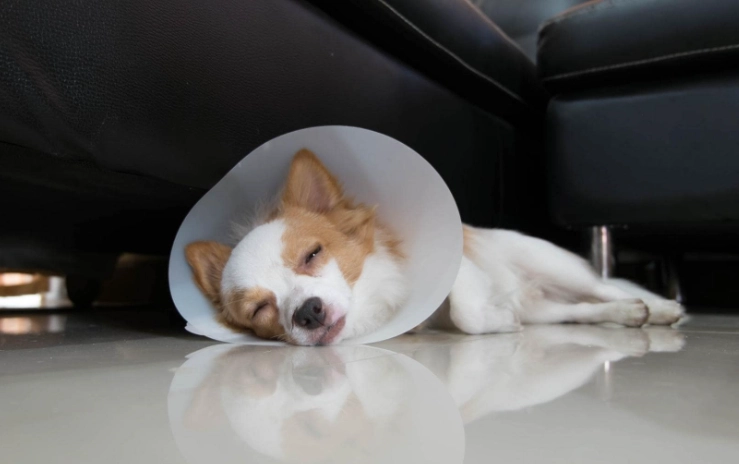
But your vet's specific instructions trump any generic guide. They know how the surgery went and what closure method they used.
Here’s a breakdown of what’s happening under that cone:
| Post-Op Days | Healing Stage | Cone Status & Risk Level |
|---|---|---|
| 1-3 | Inflammatory phase. Incision is freshest, most vulnerable. | CONE MUST BE ON. Zero tolerance for licking. High risk of opening. |
| 4-7 | Proliferative phase begins. New tissue forms but is very weak. | CONE MUST BE ON. Even a few minutes of licking can set healing back days. Moderate risk. |
| 8-12 | Collagen builds strength. Incision looks closed but isn't tough. | CONE SHOULD BE ON. This is the "danger zone" where owners get complacent. Low-moderate risk. |
| 13+ | Maturation/remodeling. Incision is strong, sutures dissolving. | CONE TRIAL PERIOD. Supervised, short periods without cone may be possible if healing is perfect. |
How to Check if the Incision is Actually Healed
Looking at the wound is key. But you need to know what you're looking for. A common error is mistaking "dry" for "healed."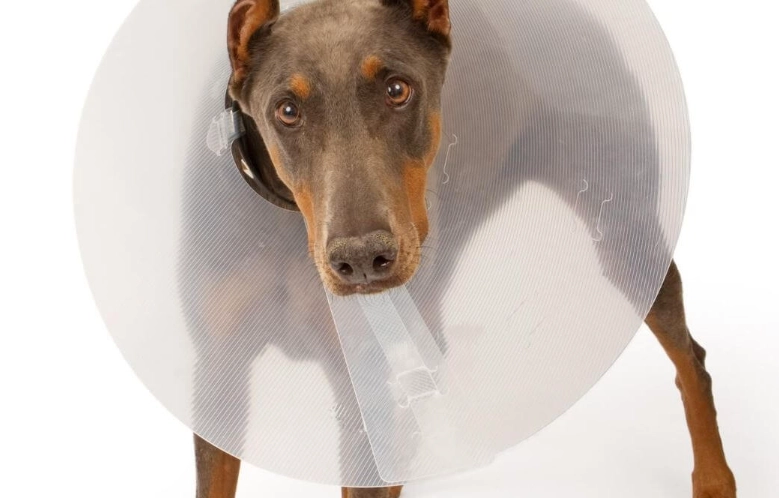
Signs the Wound is Healing Well (Green Light):
- The incision line is closed, with the edges touching neatly. There are no gaps.
- The skin color is returning to normal pink or your dog's natural skin tone. A faint pink line is fine.
- There is no redness extending out from the incision line.
- There is minimal to no swelling. A slight, firm ridge directly under the suture line is normal scar tissue formation.
- There is no discharge—no pus, blood, or clear/cloudy fluid.
- The surgical glue (if present) is flaking off naturally, not being ripped off by licking.
The "Supervised Test" Method
Around day 12-14, if everything looks perfect, you can try a supervised test. This doesn't mean freedom. It means:
1. Take the cone off for 5-10 minutes while you are in the same room, actively watching your dog.
2. Sit with him. Pet him. Distract him. The moment he even thinks about twisting to lick, the cone goes back on.
3. If he ignores the area completely for a few short sessions, you might extend the cone-free time to 30 minutes under direct supervision.
4. The cone goes back on when you cannot directly supervise him—at night, when you leave the room, when you're distracted.
This phased approach is safer than going cold turkey.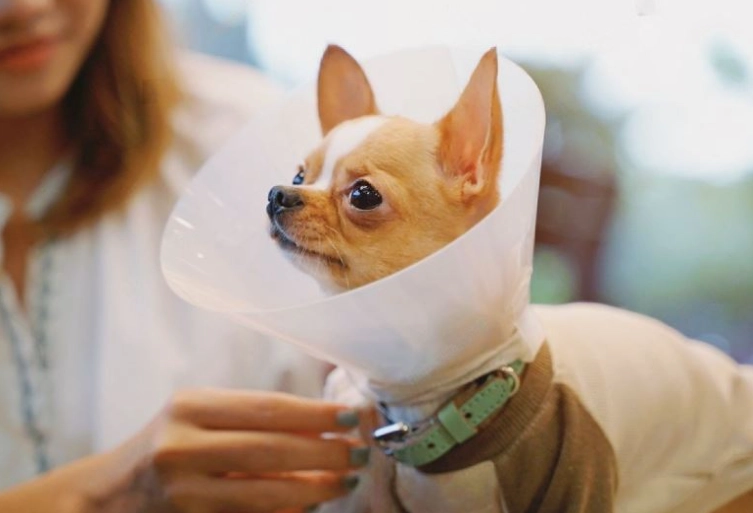
Beyond the Cone: Safer, More Comfortable Alternatives
Many dogs absolutely hate the hard plastic cone. It stresses them out, which can actually slow healing. The good news is, you have options. The key is choosing one that is truly lick-proof for your dog's flexibility.
Inflatable Collars (Donut Cones): These are popular and more comfortable for sleeping. They work well for chest or leg wounds, but for a neuter site? I'm cautious. A determined or flexible dog can still arch their back and reach a mid-abdomen incision. They are a good option for less flexible dogs or as a supplement to a soft cone.
Soft Fabric Cones: These are a huge upgrade in comfort. They're flexible, don't block peripheral vision as much, and are quieter. Many are just as effective as plastic because they still extend past the nose. Make sure you get one with a sturdy inner liner so it doesn't flop over.
Recovery Suits (Surgical Suits): This is my personal favorite for clever dogs. It's a lightweight onesie that covers the torso. It prevents direct access to the incision completely. Dogs tend to tolerate them much better. The downside? You have to take it off for potty breaks (so you still need a cone for those moments if your dog is a quick licker), and you must keep it clean and dry.
My own dog, a clever Border Collie mix, could defeat any cone by using his paws or rubbing along furniture. The recovery suit was a game-changer for his sanity and mine.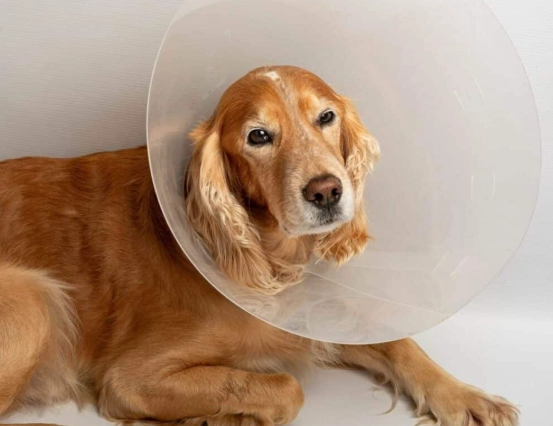
The 5 Most Common Mistakes (And How to Avoid Them)
1. Removing the Cone Based on Sympathy, Not Healing. He looks sad, so you take it off. This is the top reason for complications. Remember, a few days of cone misery is better than an infected wound requiring antibiotics, re-suturing, and starting the 14-day clock all over again. 2. Assuming "No Licking" Means Only Licking. Dogs also scratch with their hind legs and rub against carpets or furniture. All of these actions can disrupt healing. The cone prevents all of it. 3. Trusting "Supervised Time" Too Soon. You turn your head to look at your phone for 15 seconds. That's all it takes. If you're not 100% focused on your dog, the cone should be on. 4. Not Cleaning the Cone. Food, dirt, and slobber build up inside the cone. That grime is right near the surgical site. Wipe the inside of the cone down with a pet-safe disinfectant wipe daily. 5. Ignoring the Dog's Emotional State. Yes, the cone must stay on, but you can make it easier. Hand-feed meals in the cone, use lick mats stuck to the wall, and offer extra calm cuddles. A stressed dog heals slower.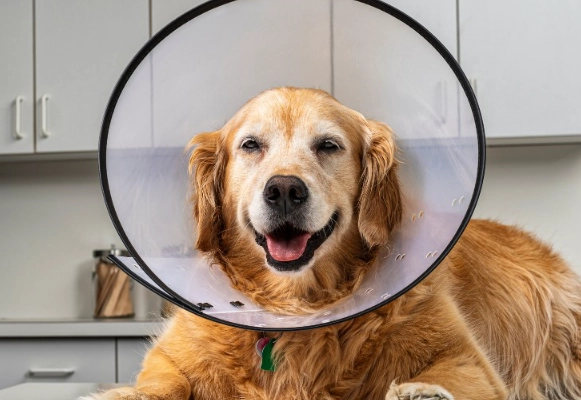
Your Top Questions, Answered by Experience
The bottom line is this: Patience is the most important medicine you can give your dog after neuter surgery. That cone is not a punishment; it's a protective tool. By following a vet-approved timeline, reading the signs of healing correctly, and using smart alternatives when appropriate, you'll get your happy, cone-free dog back sooner—and with a perfectly healed incision.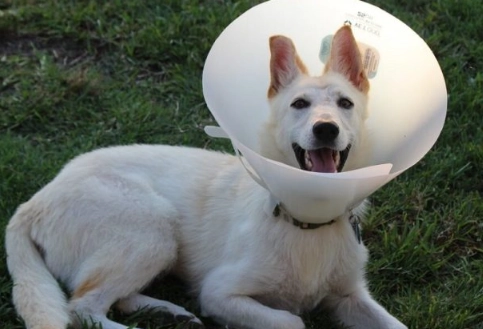

Leave a comment