That crisp autumn air hits, and suddenly your garden center or local market is overflowing with vibrant fall blooms. Mums, pansies, ornamental kale – it's a feast for the eyes. But if you share your home with a curious canine, your first thought isn't just about aesthetics. It's a safety question: what fall flowers are safe for dogs? I've been a dog owner and an avid gardener for over fifteen years, and I've seen the panic in a friend's eyes when their Labrador decided a newly planted chrysanthemum was a snack. Let's cut straight to it: many popular fall plants are surprisingly dangerous, while others are perfectly fine. This guide will give you the clear, actionable list you need, but more importantly, it'll teach you how to think about plant safety beyond just a simple list.
Quick Navigation: What You'll Find in This Guide
- Understanding Canine Toxicity: Why Some Flowers Are Dangerous
- The Definitive List of Dog-Safe Fall Flowers & Foliage
- Common Fall Plants That Are Toxic to Dogs (The Must-Know List)
- What to Do If Your Dog Eats an Unknown Plant
- Creating a Dog-Safe Autumn Garden or Display
- Your Fall Flower & Dog Safety Questions Answered
Understanding Canine Toxicity: Why Some Flowers Are Dangerous
Most lists just tell you "avoid this." That's not enough. Knowing why helps you make smarter choices when you encounter a plant not on any list. The danger in fall flowers for dogs usually comes from specific compounds.
Pyrethrins are a big one. They're natural insecticides found in plants like chrysanthemums. They work by paralyzing insects, and while a large dose is needed to seriously harm a dog, they can cause drooling, vomiting, and lack of coordination. Smaller dogs are more at risk.
Then there are cardiac glycosides, found in plants like Foxglove (more common in summer but sometimes lingering) and Lily of the Valley. These affect the heart muscle directly and are extremely serious.
The mistake I see new pet owners make? Assuming if a plant is "natural" or "organic," it's safe. Hemlock is natural. So is nightshade. Toxicity is about chemistry, not philosophy. Another subtle error is focusing only on the flower. Often, the leaves, stems, bulbs, or pollen are more concentrated in toxins. A dog digging up and chewing a lily bulb is in far greater danger than one sniffing the bloom.
Pro Tip: The level of toxicity isn't just about the plant. It's about your dog's size, the amount ingested, and their individual health. A nibble from a Great Dane might be nothing, while the same nibble could send a Chihuahua to the vet.
The Definitive List of Dog-Safe Fall Flowers & Foliage
Okay, let's get to the good stuff. Here are fall staples you can breathe easy about. I've gardened with all of these with my dogs roaming freely. Remember, "non-toxic" means they're not known to contain poisonous principles. It doesn't mean your dog should make a meal of them—eating any non-food plant can cause mild stomach upset.
- Snapdragons (Antirrhinum majus): These cool-season annuals come in fantastic fall colors. Totally safe. Their fun, "snapping" blooms might even entertain your pup.
- Pansies & Violas: The cheerful faces of fall and winter. Plant them without worry. They're hardy and add great color.
- African Daisies (Osteospermum): Similar to Gerbera Daisies (also safe), these offer vibrant purples and pinks and are perfectly pet-friendly.
- Astors (Symphyotrichum): Native perennial asters that bloom in late summer into fall are excellent and safe choices for a natural garden.
- Camellias (Camellia sasanqua): These fall-blooming shrubs are gorgeous and non-toxic. A great structural plant for a dog-safe yard.
- Ornamental Grasses (e.g., Fountain Grass, Maiden Grass): Not a flower, but essential for fall texture. Most true grasses are safe, but watch the sharp edges on some species.
What about pumpkins and gourds? The flesh of plain pumpkin is actually good for dogs in small amounts (it's fiber). The stems and raw, uncarved shells can be tough to digest and cause a blockage if large pieces are eaten. Those tiny decorative gourds? Best kept out of chewing range—they're not toxic, but they're not food either.
Common Fall Plants That Are Toxic to Dogs (The Must-Know List)
This is the critical list. These plants are ubiquitous in autumn displays. Memorize them. I keep a photo of this list on my phone for quick reference at the nursery.
| Flower Name | Toxic Parts | Common Symptoms |
|---|---|---|
| Chrysanthemum (Mums) | All parts, especially flowers | Drooling, vomiting, diarrhea, lack of coordination |
| Autumn Crocus (Colchicum autumnale) | All parts, especially bulbs | Severe vomiting, diarrhea, liver & kidney damage, respiratory failure. This one is HIGHLY toxic. |
| Dahlia | Bulbs/Tubers | Mild gastrointestinal upset, skin irritation |
| Hydrangea | Flower buds, leaves | Cyanide release, vomiting, depression |
| English Ivy (Hedera helix) (often in fall pots) | Leaves, berries | Vomiting, abdominal pain, excessive drooling |
| Amaryllis (holiday bulb, often forced early) | Bulbs, most toxic | Vomiting, depression, tremors, excess salivation |
Critical Distinction: Autumn Crocus (Colchicum) is often confused with the spring-blooming crocus (which is only mildly toxic). Autumn Crocus blooms in fall without leaves—it looks like a crocus coming straight from the ground. It contains colchicine, a potent toxin. If you see this, keep your dog far away.
What to Do If Your Dog Eats an Unknown Plant
Stay calm. Panic helps no one.
First, try to identify the plant. Take a clear photo with your phone. If you're at a store, ask for the botanical name, not just the common name ("mum" could mean several things).
Remove any plant material from your dog's mouth if you can do so safely.
Do not induce vomiting unless instructed by a professional. For some toxins, vomiting can cause more harm.
Call your vet, an emergency vet clinic, or the ASPCA Animal Poison Control Center (888-426-4435) or the Pet Poison Helpline (855-764-7661). These are fee-based services, but they have the most comprehensive, up-to-date databases and can give you specific, life-saving advice. Have your dog's approximate weight ready.
Time matters. Don't wait for symptoms to appear.
Creating a Dog-Safe Autumn Garden or Display
You can have a beautiful fall and a safe dog. It just takes planning.
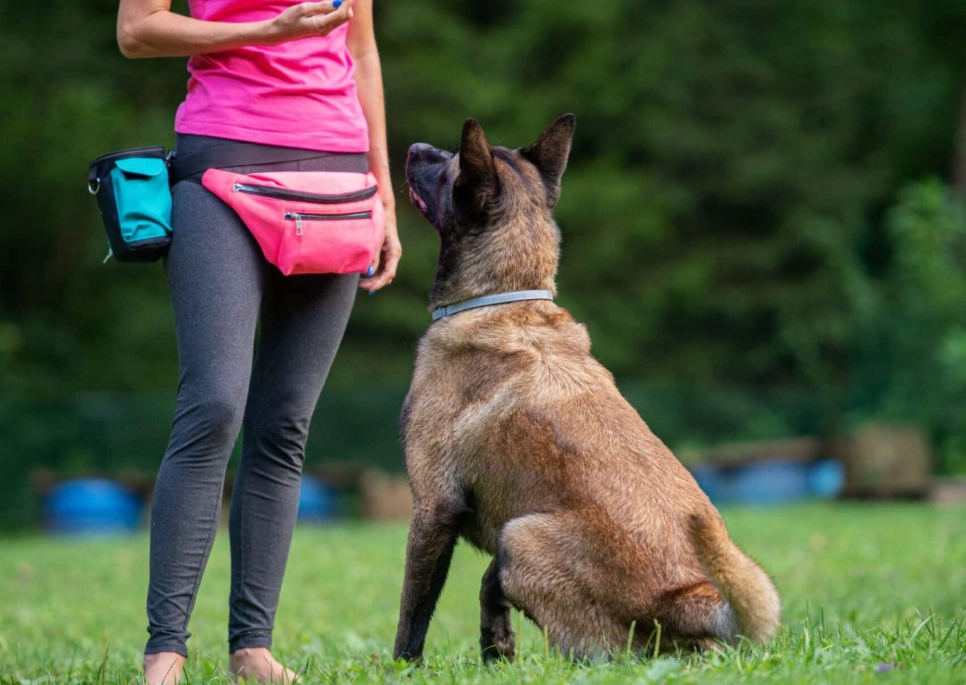
For Garden Beds: Stick to the safe list above. Use physical barriers like decorative low fencing around new beds until plants are established. Train a solid "leave it" command. It's the most valuable tool in your arsenal. I trained my dog to understand a specific garden bed is off-limits, while others are okay to sniff.
For Porch & Container Displays: This is where most exposures happen. Elevate your pots! Use sturdy plant stands, hanging baskets, or window boxes that are out of reach. Avoid using toxic plants like mums as the "thriller" in low-standing pots. Instead, use ornamental grasses or tall, safe snapdragons as your centerpiece.
Consider a dedicated, dog-friendly digging pit filled with sand or soft soil in another part of the yard to distract from your flower beds.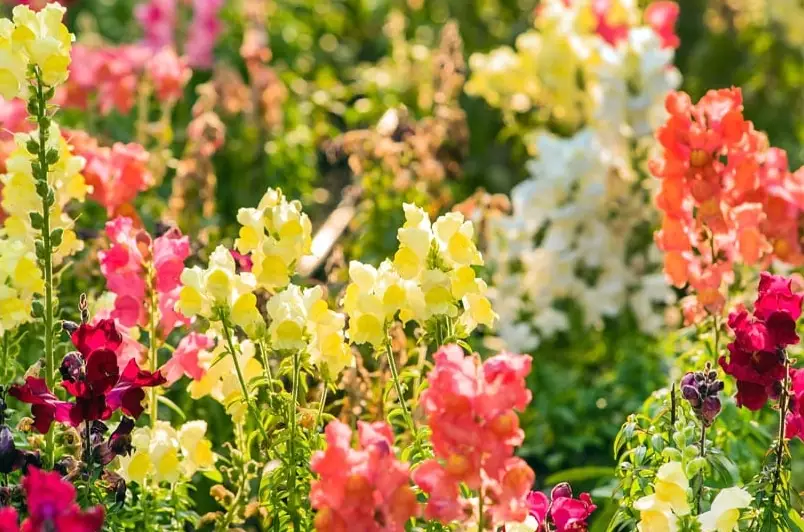
Your Fall Flower & Dog Safety Questions Answered
The bottom line is this: you don't have to choose between a beautiful autumn and your dog's safety. By knowing the key players on both the safe and toxic lists, and by setting up your space thoughtfully, you can enjoy the season in full color with peace of mind. When in doubt, keep the plant out of reach or out of your home. Your dog's safety is always the most important harvest.


Leave a comment