Let's cut to the chase. Yes, you can rub coconut oil on your dog's paws. It's generally safe and can be a fantastic natural moisturizer for dry, cracked pads. But—and this is a big but—it's not a one-size-fits-all solution, and doing it wrong can create more problems than it solves. I've seen dog owners make a few simple mistakes that turn a helpful remedy into a messy, ineffective chore.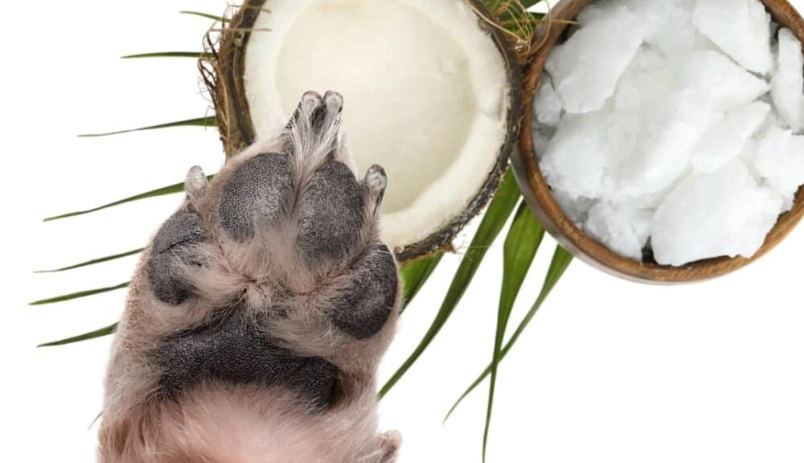
What's Inside This Guide?
Why Coconut Oil Can Be Good for Dog Paws
Think about your own hands in winter. Dog paws aren't that different. They walk on hot pavement, cold snow, rough concrete, and salty sidewalks. Their pads are tough, but they can still dry out, crack, and become irritated.
Coconut oil works here for a few specific reasons.
It's a Powerful Moisturizer
Coconut oil is rich in medium-chain fatty acids, primarily lauric acid. These fats are excellent at creating a protective, occlusive barrier on the skin. This barrier locks in existing moisture, giving the paw pad's thick, keratinized skin a chance to heal and soften from the inside out. It's more than just a surface slick; it actually helps repair the skin barrier.
It Has Natural Antimicrobial Properties
Lauric acid converts to monolaurin in the body, which has been studied for its antibacterial and antifungal effects. For paws, this is key. Dogs are constantly stepping on who-knows-what. Minor cracks or irritations can become gateways for bacteria or yeast. A light application of coconut oil can act as a gentle, protective layer that discourages microbial growth. The American Veterinary Medical Association (AVMA) notes that maintaining skin integrity is crucial for preventing infections.
It Can Soothe Mild Irritation
If your dog's paws are a little red or itchy from grass allergies or a mild contact irritation, the anti-inflammatory properties of coconut oil may offer some soothing relief. It's not a cure for serious allergies, but for minor, situational discomfort, it can take the edge off.
Real Scenario: My neighbor's dog, Max, a lively Border Collie, gets terribly cracked paws every winter. The salt on the roads dries them out until they look like dry riverbeds. She started applying a tiny dab of virgin coconut oil every evening after their walk, once his paws were wiped clean. Within a week, the deep cracks started to close up. The key was consistency and clean paws first.
The Risks and Important Considerations (Don't Skip This!)
This is where most online advice gets vague. They say "it's natural, so it's safe." That's not the whole story.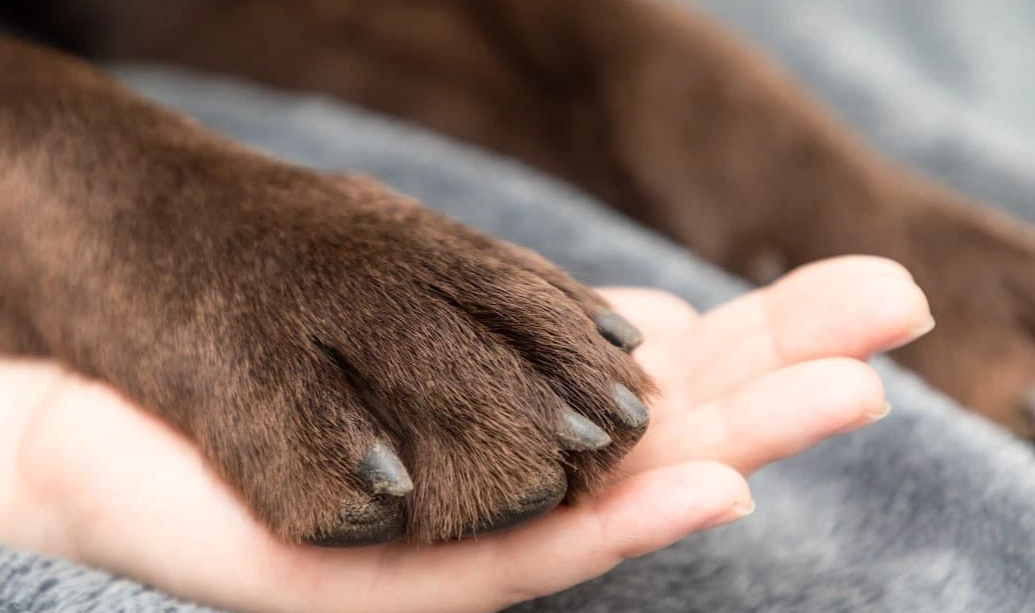
The Big One: Your Dog Will Lick It Off
This is inevitable. Dogs lick their paws. Ingesting a small amount of coconut oil is fine for most dogs—some people even feed it to them. But a large amount consumed suddenly can cause gastrointestinal upset, namely diarrhea or vomiting. If you slather it on thick, you're basically giving your dog a laxative treat. The trick is to use the absolute minimum effective amount and distract your dog for 10-15 minutes after application.
It Can Make Floors Dangerously Slippery
I learned this the hard way. I put a bit too much on my old Labrador's paws, and when he got up, he did a comical but heart-stopping scramble across the hardwood floor. For older dogs or those with mobility issues, this is a genuine fall hazard. Always apply oil in a carpeted area or when your dog is settled for a while.
It Might Clog Pores or Worsen Certain Conditions
Coconut oil is comedogenic for some humans, meaning it can clog pores. While dog skin is different, the principle stands for some. If your dog is prone to bacterial skin infections (pyoderma) or has excessively oily skin, smothering the paws in a heavy oil could create a warm, moist environment that bacteria love. For these dogs, a lighter, non-comedogenic balm is better.
Stop and Check First: Never apply coconut oil (or anything) to broken skin, deep cuts, punctures, or signs of a serious infection (swelling, pus, intense redness). That's a job for your vet. You'll just trap bacteria inside.
How to Choose the Right Coconut Oil
Not all coconut oil is created equal. The stuff in the big tub meant for popping popcorn? Don't use that.
| Type of Coconut Oil | Best For Dog Paws? | Why |
|---|---|---|
| Virgin (Unrefined) Coconut Oil | YES - This is the top choice. | It's unprocessed, retaining all its natural lauric acid and antioxidants. It's the most "natural" and effective form for skin application. |
| Refined Coconut Oil | Not Ideal | Often processed with chemicals or high heat, stripping beneficial compounds. It may have additives. Stick with virgin for therapeutic use. |
| Fractionated Coconut Oil (Liquid) | Okay, but different. | It stays liquid, absorbs faster, and feels less greasy. However, the lauric acid is often removed, so you lose some antimicrobial benefits. It's a good carrier oil for essential oils (but never use essential oils without vet guidance). |
My go-to is always organic, cold-pressed virgin coconut oil. Look for it in a glass jar. You only need a small jar—it will last forever.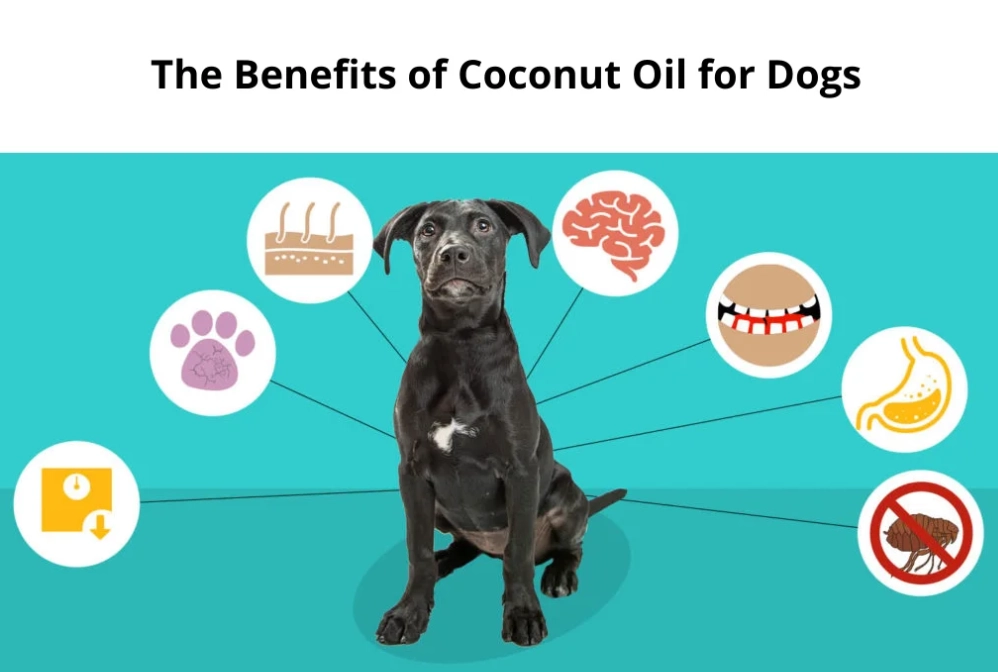
How to Apply Coconut Oil to Your Dog's Paws: A Step-by-Step Method
Here's the process I recommend to my clients. It's simple but focuses on effectiveness and safety.
Step 1: Clean the Paws Thoroughly. This is non-negotiable. Use a damp cloth or a pet-safe paw wipe to remove dirt, salt, mud, and debris. Applying oil on top of grime just creates a muddy, germy paste. Dry the paws completely, especially between the toes.
Step 2: Scoop a Tiny Amount. We're talking about a pea-sized amount total for all four paws. Warm it between your fingers until it melts.
Step 3: Massage Gently. Apply the thinnest possible layer to the surface of each paw pad. Don't glob it on. Massage it in for a moment—this improves circulation and helps it absorb slightly. Avoid putting large amounts between the toes where moisture gets trapped.
Step 4: Distract Your Dog. This is the secret step. Immediately after application, give your dog a favorite chew, a short training session, or some cuddle time. This 10-15 minute distraction period prevents immediate licking and gives the oil a chance to soak in past the very surface.
Step 5: Wipe Off Excess (Optional). After 10-15 minutes, you can gently blot any obvious, unabsorbed oil with a paper towel. This reduces slippage and licking temptation later.
How Often Should You Do This?
For maintenance or mild dryness, once or twice a week is plenty. For treating significant cracking, you might do it daily for 3-5 days, then taper off. Overdoing it creates dependency and greasy paws.
What If Coconut Oil Isn't the Best Fit? Alternatives
Coconut oil isn't magic. If it's too messy, your dog reacts poorly, or you just want a dedicated product, there are excellent alternatives.
- Commercial Paw Balms: These are formulated specifically for dogs. Brands like Musher's Secret or Natural Dog Company Paw Soother are wax-based, creating a tougher, longer-lasting barrier against salt and ice. They're less likely to be licked off immediately and don't make floors as slippery. This is often my first recommendation for active dogs in harsh climates.
- Shea Butter or Cocoa Butter: Excellent, rich moisturizers. Ensure they are pure and pet-safe (unscented, unrefined).
- Olive Oil or Sunflower Oil: In a pinch, a drop of food-grade olive oil can moisturize. It's not as antimicrobial but is safe if licked. It's a temporary fix.
The best choice depends on your dog's specific needs and lifestyle. A sled dog needs Musher's Secret. A house dog with seasonal dryness might do perfectly with our simple coconut oil method.
Your Questions Answered
Distraction is your best tool. Apply right before mealtime, playtime, or a walk. If licking is relentless, coconut oil might not be the right vehicle. Switch to a commercial paw balm with beeswax—it's less tasty and forms a more protective barrier. You can also try a breathable dog sock for 20 minutes post-application, but only if your dog tolerates it.
It might offer temporary surface relief from dryness caused by allergies, but it does nothing to address the underlying allergic reaction. If your dog is constantly chewing or licking their paws due to allergies, that's a systemic issue. Coconut oil is a band-aid. You need to consult your vet to identify the allergen (often environmental like pollen or food-related) and get a proper treatment plan, which may include medications, shampoos, or diet changes.
 How do I know if my dog is allergic to coconut oil?
True allergies are rare, but sensitivities happen. Signs include increased redness, hives at the application site, or obsessive licking/chewing right after you apply it. Do a patch test first: rub a dime-sized amount on a small area of the inner leg or belly, wait 24 hours, and check for a reaction. If all's clear, it's likely safe for the paws.
Generally yes, with extra caution. Puppies have more sensitive skin and gastrointestinal systems. Use half the amount you'd use for an adult dog (a rice-grain size). Monitor closely for any digestive upset if they lick it. When in doubt, wait until they're a bit older or ask your vet at the next puppy visit.
Yes, it's commonly used on dry noses, elbow calluses, and the ends of the ears. The same rules apply: clean the area first, use a tiny amount, massage gently, and prevent excessive licking. Never use it in ears, eyes, or on open wounds.
So, back to the original question: can you rub coconut oil on your dog's paws? Absolutely. It's a simple, cost-effective, and natural option for basic paw care. Just remember that "natural" doesn't mean "no rules." Start small, keep it clean, and pay attention to how your dog responds. Your dog's soft, healthy paws will thank you.


Leave a comment