Let's cut to the chase. If a breeder, friend, or online seller offers you a 4-week-old puppy, walk away. It's not just a bad idea; it's a decision that can permanently harm the puppy's health and future temperament. Taking a puppy home at four weeks is a major red flag signaling an irresponsible source, and it places an enormous, often overwhelming burden on you, the new owner. This guide isn't about judging; it's about giving you the hard facts so you can protect both your future pet and yourself from a heartbreaking situation.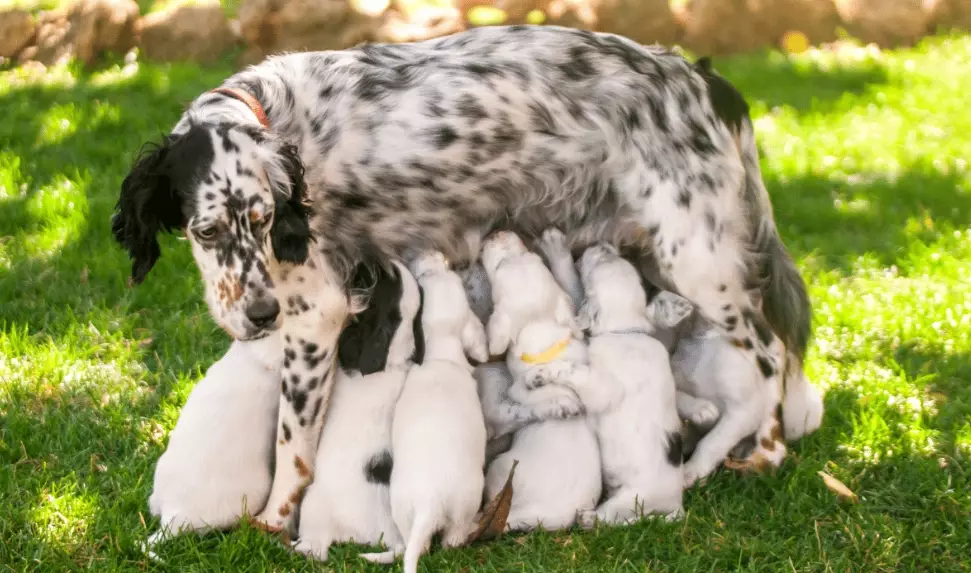
What You'll Learn in This Guide
- Why the 4-Week Mark is a Developmental Cliff
- The Tangible Health Risks of a 4-Week-Old Puppy
- The Behavioral Time Bomb: Early Separation Syndrome
- What Responsible Breeders Actually Do (The 8-Week Standard)
- What If You Already Have a 4-Week-Old Puppy? Damage Control Steps
- Your Tough Questions, Honestly Answered
Why the 4-Week Mark is a Developmental Cliff
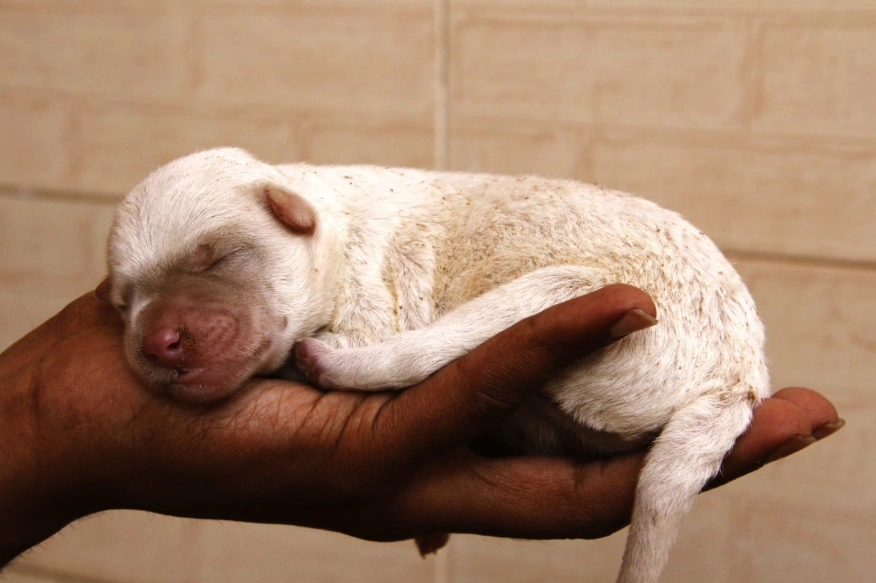
Think of a puppy's first two months as a non-negotiable construction schedule. At four weeks, the foundation is barely poured. They've just opened their eyes and ears, started wobbling around, and begun the weaning process. But they are utterly dependent on their mother and littermates for lessons no human can replicate effectively.
The period between 4 and 8 weeks is called the primary socialization period. This is when a puppy learns to be a dog. Through play-fighting, biting, and interacting with their mom and siblings, they learn bite inhibition (how to control the force of their mouth), canine communication, and social hierarchy. Removing them at four weeks is like pulling a kid out of school before learning to read.
A Key Insight Most Miss: The mother dog does more than feed. She corrects unruly behavior. A puppy that bites too hard gets a sharp growl or a gentle muzzle hold. This natural feedback loop is impossible for a human to mimic with the same instinctual timing and meaning. Without it, you're starting with a puppy who doesn't understand his own strength or the rules of engagement.
The Tangible Health Risks of a 4-Week-Old Puppy
This is where the rubber meets the road. The health dangers are immediate and severe.
Immune System Vulnerability: At four weeks, a puppy is just starting to lose the maternal antibodies passed through the mother's first milk (colostrum). Their own immune system is still naive. They have not yet received their first round of core vaccinations (which typically start at 6-8 weeks). This makes them a sitting duck for deadly viruses like Parvovirus and Distemper. The stress of separation alone can trigger a latent infection.
Nutritional and Digestive Crisis: Weaning is a process, not a switch. At four weeks, puppies are just beginning to lap mushy gruel. They still need mother's milk for optimal nutrition and immune factors. Forcing a complete transition to solid food can lead to malnutrition, dehydration, and blood sugar crashes (hypoglycemia), which can be fatal in toy breeds especially.
Here’s a quick comparison of what you’re dealing with:
| Aspect | 4-Week-Old Puppy | 8-Week-Old Puppy (Ideal Minimum) |
|---|---|---|
| Weaning Status | Just beginning; relies heavily on mom's milk. | Fully weaned; eating solid puppy food consistently. |
| Immune Protection | Maternal antibodies waning; zero vaccines. | Has received first DHPP vaccine; stronger system. |
| Social Learning | In the middle of critical bite inhibition lessons. | Has completed core canine social lessons. |
| Bladder/Bowel Control | Virtually none; needs stimulation to eliminate. | Developing control; can start housetraining concepts. |
| Sleep Cycles | Sleeps almost constantly, waking only to eat. | More regular sleep/wake cycles aligned with day/night. |
The Behavioral Time Bomb: Early Separation Syndrome
If you survive the health hurdles, the behavioral ones are waiting. I've fostered several puppies taken too early, and the patterns are heartbreakingly predictable. This cluster of issues is what I call Early Separation Syndrome.
Extreme Mouthiness & Poor Bite Inhibition: This is the number one issue. The puppy never learned from its littermates that biting too hard makes play stop. You become their sole chew toy, and their bites are needle-sharp and relentless. What's cute at 8 weeks is painful and frustrating at 5 months.
Fearfulness and Anxiety: Puppies learn resilience from their littermates. Being separated too early can wire their brains for anxiety. They may become fearfully aggressive or skittish around other dogs, people, or new environments. The American Veterinary Society of Animal Behavior (AVSAB) emphasizes the importance of this period for developing stable temperaments.
Poor Self-Regulation and Obsessive Behaviors: These pups often don't know how to "switch off." They can develop obsessive sucking on blankets, toys, or even their own limbs. They may have extreme difficulty being alone, leading to separation anxiety that is profoundly difficult to treat.
The Hard Truth: Correcting these behavioral issues often requires extensive, professional help from a certified dog behavior consultant. It's far more costly and time-consuming than preventing them by simply letting the puppy stay with its family until 8 weeks.
What Responsible Breeders Actually Do (The 8-Week Standard)
A responsible breeder's job is to produce well-adjusted, healthy puppies, not just to sell them as fast as possible. Here’s what they’re doing between weeks 4 and 8 that you simply cannot do at home:
- Supervised Weaning: Gradually introducing high-quality puppy food while the mother is still present to nurse.
- Early Neurological Stimulation & Socialization: Implementing programs like the "Bio Sensor" or "Puppy Culture" which involve gentle handling exercises to build stress tolerance and confidence.
- Environmental Enrichment: Exposing puppies to various safe surfaces, sounds, and mild challenges in a controlled way.
- Initiating Housetraining & Crate Training: Starting to establish routines using puppy pads or a designated potty area.
- First Veterinary Visit & Deworming: Ensuring the litter gets its first health check and necessary treatments.
Any breeder willing to let a puppy go at 4 weeks is skipping all this crucial work. They are, at best, uninformed, and at worst, a puppy mill or backyard breeder prioritizing profit over welfare. The American Kennel Club (AKC) explicitly states that puppies should not be sold before 8 weeks of age, and many states have laws enforcing this.
What If You Already Have a 4-Week-Old Puppy? Damage Control Steps
Maybe you read this too late. You've already taken in a 4-week-old pup, perhaps from a rescue situation or an ignorant source. Don't panic. Your job is now to be a surrogate mother and littermate.
1. Immediate Veterinary Care: This is non-negotiable. Your vet will check for dehydration, parasites, and general health. Discuss a feeding schedule—you may need a milk replacer formula mixed with puppy gruel.
2. The Bite Inhibition Crash Course: You must teach what the littermates would have. When the puppy bites too hard during play, let out a high-pitched "Yelp!" and immediately stop all play, turning away for 15-20 seconds. This mimics how a sibling would react. Consistency is everything.
3. Controlled Socialization (After Vaccines): Once your vet gives the green light (usually after the second round of vaccines), you MUST find safe, healthy, vaccinated adult dogs and balanced puppies for your dog to interact with. This is critical to patch the social gap. Look for well-run puppy socialization classes.
4. Manage Your Expectations: Housetraining will take longer. Nighttime crying will be more intense. The mouthing phase will be severe. Knowing this is normal for their situation helps you stay patient.
Your Tough Questions, Honestly Answered
 Can't I just socialize my early-separated puppy more with my other dog at home?
The bottom line is stark. The question "can a puppy leave at 4 weeks?" has a clear answer: It can, but it absolutely should not. Choosing to wait until at least 8 weeks is the single most impactful decision you can make to ensure your puppy has the best shot at a healthy, happy, and behaviorally sound life. It filters out irresponsible sources and sets you up for success. Your future self—and your future dog—will thank you for your patience.


Leave a comment