Picture this. You're settled on the couch with your dog, finally relaxing after a long day. Your partner walks over to sit down. Suddenly, a low rumble comes from your dog's chest. He stiffens, his eyes fixed on your partner. The cozy moment shatters. You feel confused, maybe a little embarrassed. Is he being protective? Jealous? The truth is often simpler, and more concerning: your dog might be guarding you as a resource.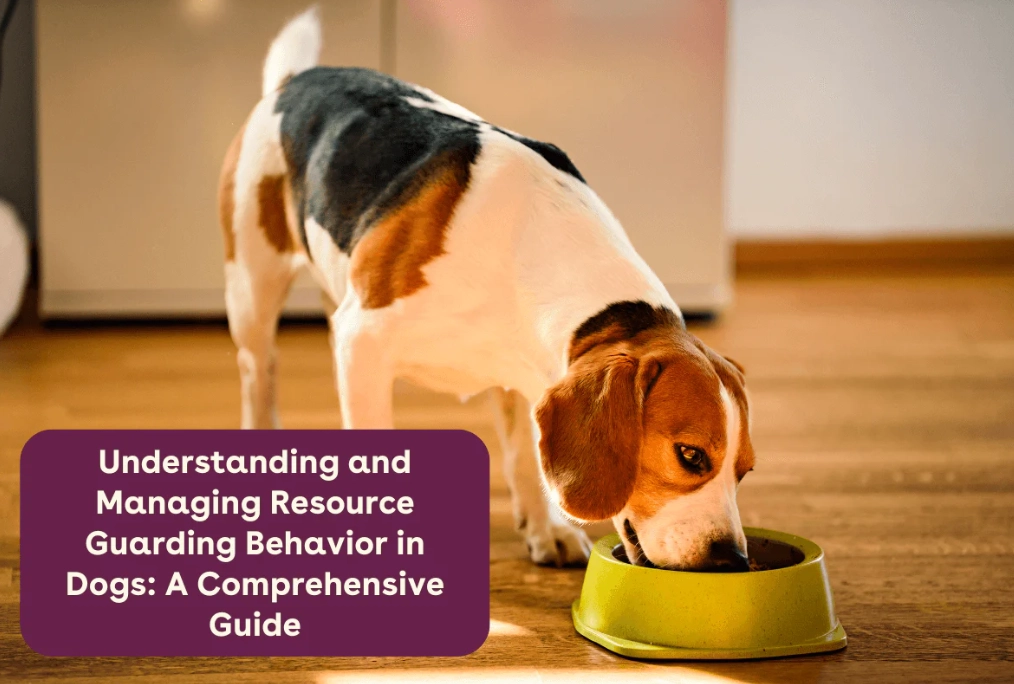
This isn't about loyalty or love in the way we think. It's a behavior problem called resource guarding, but the prized object isn't a toy or a bone—it's a person. I've worked with dogs for over a decade, and human-directed guarding is one of the most misunderstood and emotionally charged issues owners face. Most advice online tells you to "show you're the pack leader" or "correct the growl." That's not just ineffective; it can make the problem dangerously worse by suppressing warning signs. Let's cut through the noise.
What's Inside: Your Guide to Understanding & Managing This Behavior
What Does Resource Guarding a Person Look Like?
It's rarely a dramatic snarl out of nowhere. The behavior exists on a spectrum, a ladder of escalation that dogs climb when they feel their "resource" (you) is threatened. Missing the early rungs is where many owners get into trouble.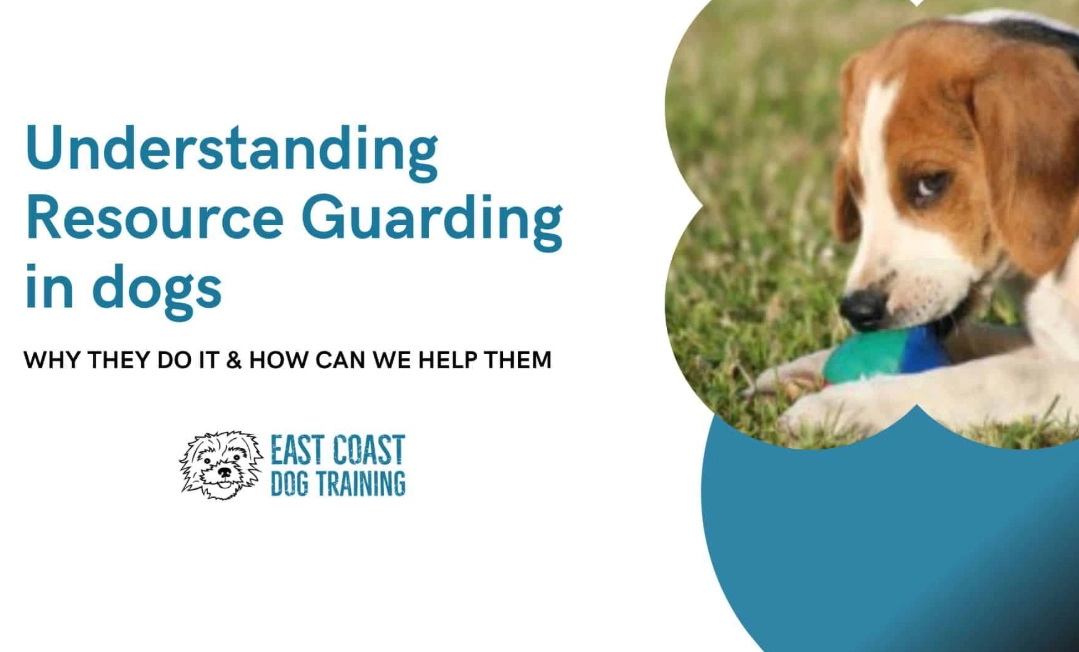
The signs often start subtly:
- The "Velcro" Shift: Your dog doesn't just follow you; he positions himself physically between you and another person or pet, often leaning heavily against you.
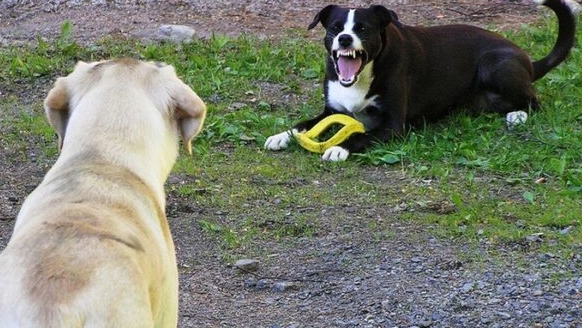
- The Stare: A hard, fixed gaze at the approaching "intruder." His body becomes still.
- The Low Growl: This is the clearest warning. It's not a play growl. It's tense, guttural, and often accompanied by a stiff body.
- The Lip Lift or Snarl: Showing teeth is a serious escalation.
- The Air Snap or Bite: This is the final, dangerous stage when all earlier warnings were ignored or punished.
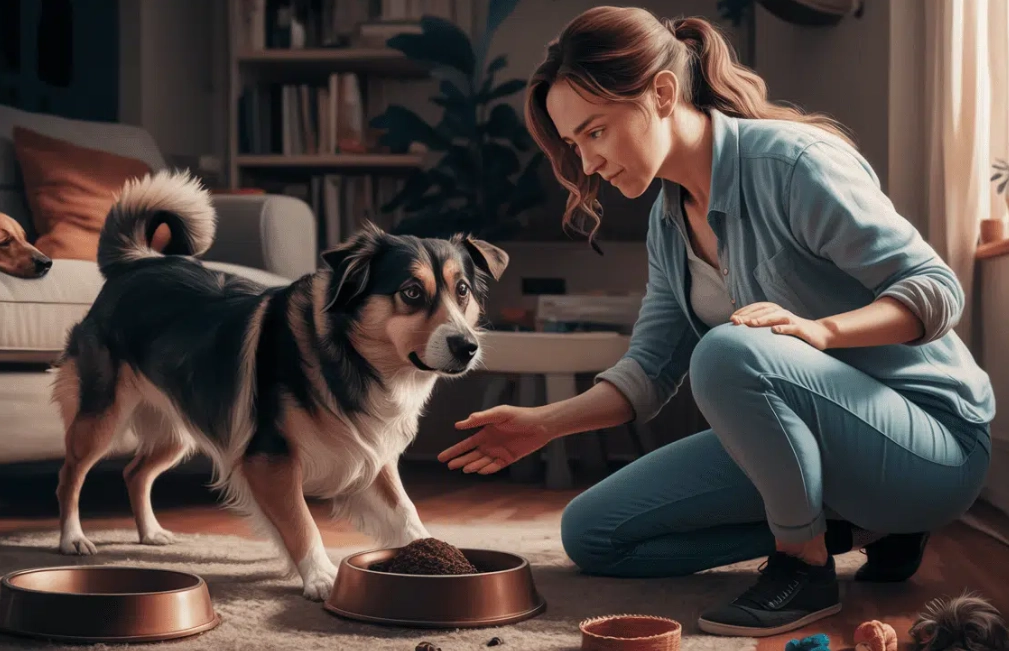
Common triggers include a spouse trying to hug or kiss you, a child running to you for a cuddle, another pet jumping on the bed, or even a friend sitting next to you on the sofa. The context is always about proximity and access to you.
Why Do Dogs Guard People? The Root Causes Explained
Labeling it "jealousy" is a human projection. From a dog's behavioral standpoint, guarding stems from a combination of genetics, learning history, and emotional state.
| Root Cause | What It Means | Example Scenario |
|---|---|---|
| Learned Value & Reinforcement | The dog learns that you are the source of all good things (food, walks, comfort) and that your presence predicts positive outcomes. Guarding ensures continued access. | You always give treats when your dog is on your lap. Your partner never does. The dog learns to keep your partner away to maintain the treat flow. |
| Anxiety & Insecurity | The dog lacks confidence and uses you as a security blanket. Any potential disruption to that security feels threatening. | A rescue dog with a shaky past clings to you, the primary caregiver. He sees anyone else as a potential threat to his only safe haven. |
| Genetic Predisposition | Some breeds or lines were historically selected for guarding behaviors (of property, livestock, or people). This instinct can misfire in a domestic setting. | A herding breed might try to "herd" other family members away from you, using nudges, body blocks, or even nips. |
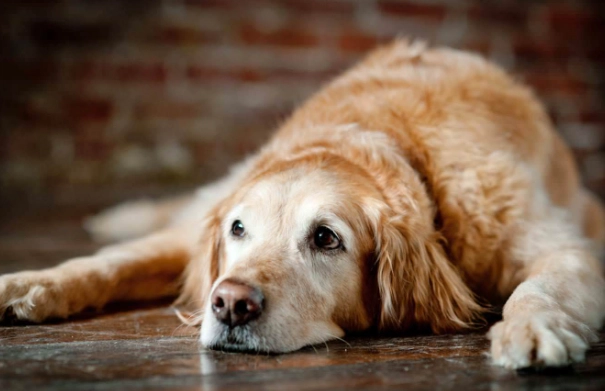
| Pain or Medical Issues | An often-overlooked cause. A dog in pain may become more irritable and protective of the person who provides comfort, lashing out to prevent potentially painful interactions (like being jostled). | An older dog with arthritis guards you on the couch because he worries a jumping child or another pet might bump his sore hips. |
The first step before any training is a vet check. Ruling out pain is non-negotiable.
How to Stop Your Dog From Guarding You: A Step-by-Step Training Plan
 This isn't a weekend fix. It's a process of changing your dog's emotional response. We use counter-conditioning and desensitization. In plain English: we teach the dog that the approach of the "trigger" person predicts amazing things, not a loss of access.
The Core Training Protocol
You'll need a "helper" (the trigger person) and a pouch full of high-value treats (cheese, chicken, hot dog bits).
- Find the Threshold: Have the helper stand at a distance where your dog notices them but shows NO signs of tension—no stiffening, no staring. This might be across the room.
- Create the Positive Association: The helper takes one calm step forward. The moment they move, you (the guarded person) become a treat machine. Feed your dog a steady stream of treats. Helper stops moving? You stop feeding.
- Helper Retreats, Reward Stops: The helper then calmly steps back to their starting point. You immediately stop feeding treats. This teaches the dog that the good stuff only happens when the helper is present/approaching.
- Repeat & Gradually Close Distance: Repeat this sequence. Step forward = treats flow. Step back = treats stop. Over many sessions, as your dog remains relaxed, the helper can gradually decrease the starting distance.
- Add Contexts Slowly: Once it works in the living room, practice in the bedroom, on the couch, etc. Always start at a distance where the dog is successful.
The goal is for your dog to think, "Oh, my person's partner is walking over! This is the best, treat time!" instead of "Alert! They're going to take my person away!"
The 3 Biggest Mistakes Owners Make (And How to Avoid Them)
After seeing hundreds of these cases, certain patterns emerge. Avoiding these pitfalls will save you months of frustration.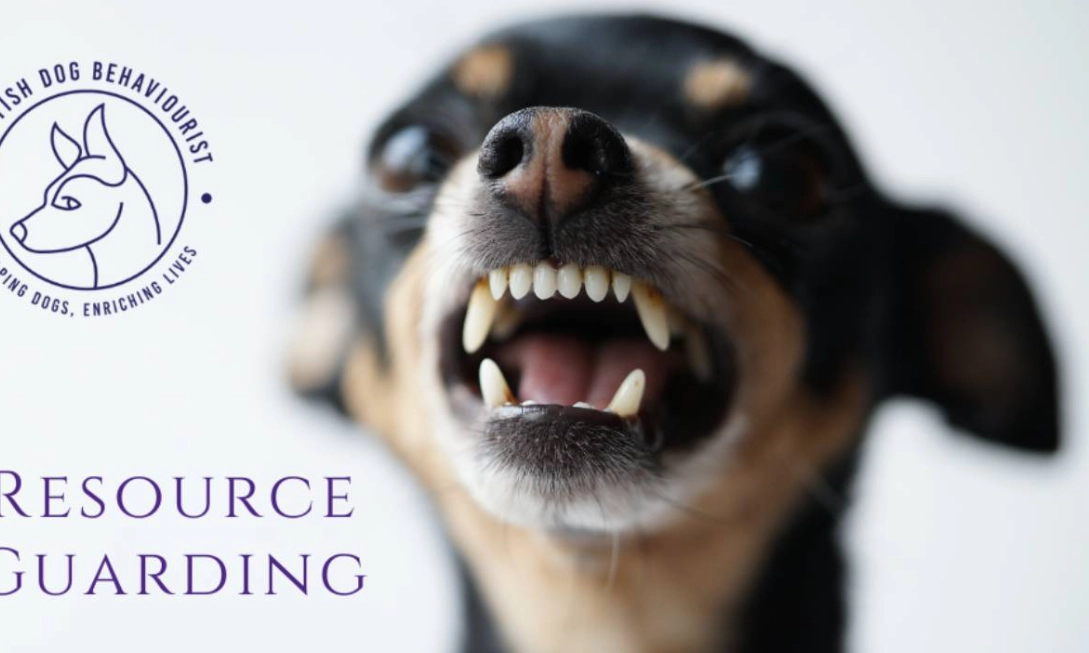
Mistake #1: Punishing the Growl. This is the cardinal sin. A growl is a warning. If you scold or punish it, you don't fix the underlying anxiety; you just teach the dog not to warn you next time. The next escalation might be a bite without any signal. Listen to the growl. It's valuable information telling you your training distance is too close.
Mistake #2: Forcing "Sharing." The old-school advice of letting someone hug you while you restrain the dog to "show him it's okay" is a disaster. It floods the dog with anxiety and confirms his worst fear—that he is powerless to stop the scary thing. This can trigger a defensive bite. Never force physical contact in the guarded context.
Mistake #3: Inconsistency from the "Guarded" Person. You must be the calm, consistent leader in the training. If you get anxious, raise your voice, or tense up when the helper approaches, your dog reads that as confirmation that there is a threat. Your job is to be a boring, predictable treat dispenser during exercises. Let the training protocol do the work.
Your Top Questions on Human Guarding, Answered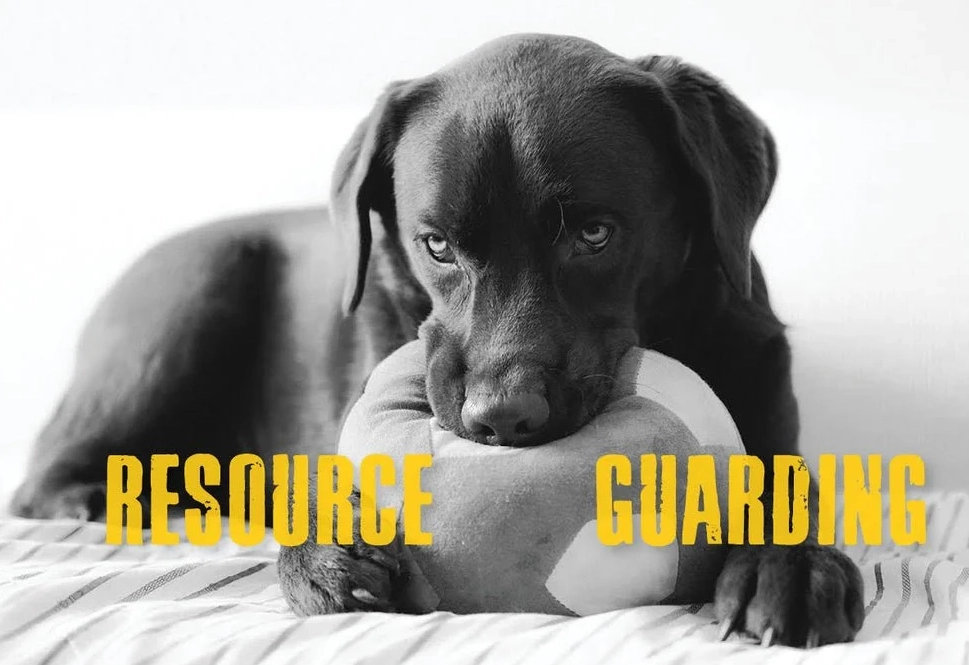
My dog only guards me from my partner, not strangers. Why?
Is it okay to let my dog sleep on my bed if he guards me there?
 Will neutering/spaying my dog stop this behavior?
My dog guards me from our new baby. What's the emergency plan?

Leave a comment