That gentle, rumbling vibration you feel when your cat curls up on your lap is one of the most comforting sounds in the world. We assume it means pure bliss. But here's the thing I've learned after years of living with cats and talking to veterinarians: that assumption is often wrong, and misunderstanding it can mean missing crucial signals about your cat's wellbeing.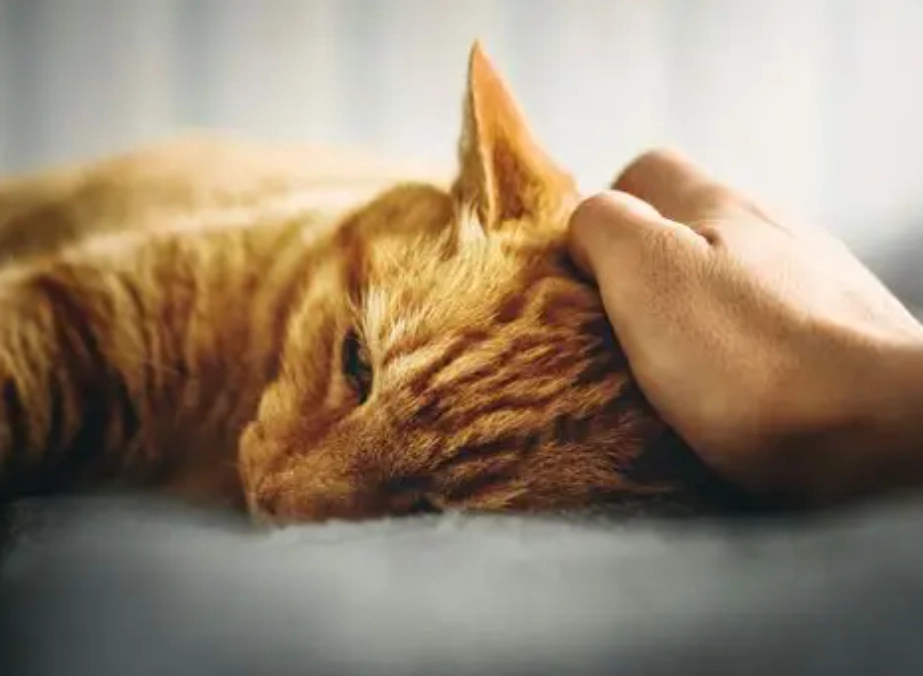
Cat purring is a complex form of communication and physiology. Kittens are born blind and deaf, but they can feel vibrations. They purr to guide their mother to them for feeding. That instinct never leaves them. As adults, cats purr in a startling range of situations—while being petted, yes, but also when injured, giving birth, or even dying.
So, why do cats purr? It's not a single answer. It's a multifaceted tool for survival, healing, and connection. Let's decode it.
What's Inside This Guide?
The Science Behind the Rumble
First, how do they even do it? For a long time, it was a mystery. The leading theory, supported by research from institutions like the University of Sussex, points to a rapid, rhythmic twitching of the muscles in the larynx (voice box) and the diaphragm.
As the cat breathes in and out, air hits these vibrating muscles, creating the purr sound. It's an active process, requiring energy, but it's so ingrained they can do it continuously while inhaling and exhaling. The frequency of a domestic cat's purr typically falls between 25 and 150 Hertz (Hz).
Here's where it gets fascinating. Research in the field of biomechanics, like studies referenced by the Fauna Communications Research Institute, suggests vibrations in this specific frequency range can have therapeutic benefits—promoting bone density and healing soft tissue. It's as if cats evolved a built-in healing mechanism.
Top Reasons Why Cats Purr (It's Not Just Happiness)
Let's move past the simple "happy cat" idea. Think of purring as a Swiss Army knife of feline signals.
A Quick Personal Story
My old cat, Jasper, purred like a diesel engine the entire stressful car ride to the vet. He wasn't happy. He was terrified. He was also purring loudly when we discovered a nasty abscess on his side. That was the moment I truly understood that purring is a self-soothing mechanism, a way to cope with pain and fear. Ignoring that context would have been a mistake.
Here are the core reasons, ranked by how often cat owners might encounter them:
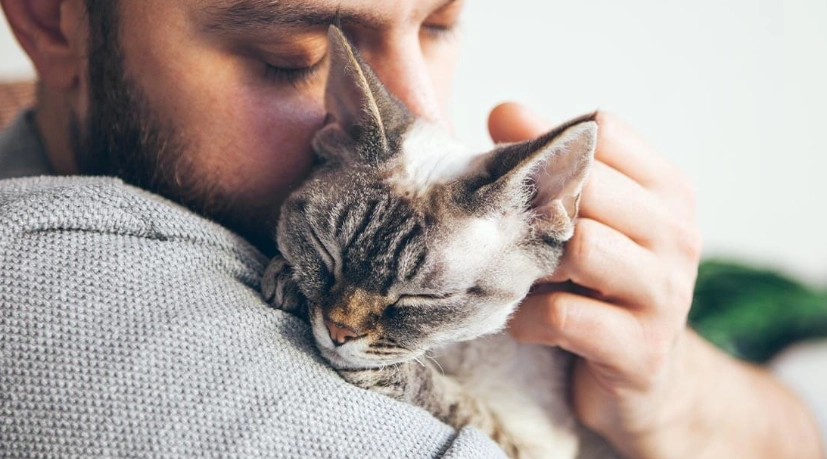
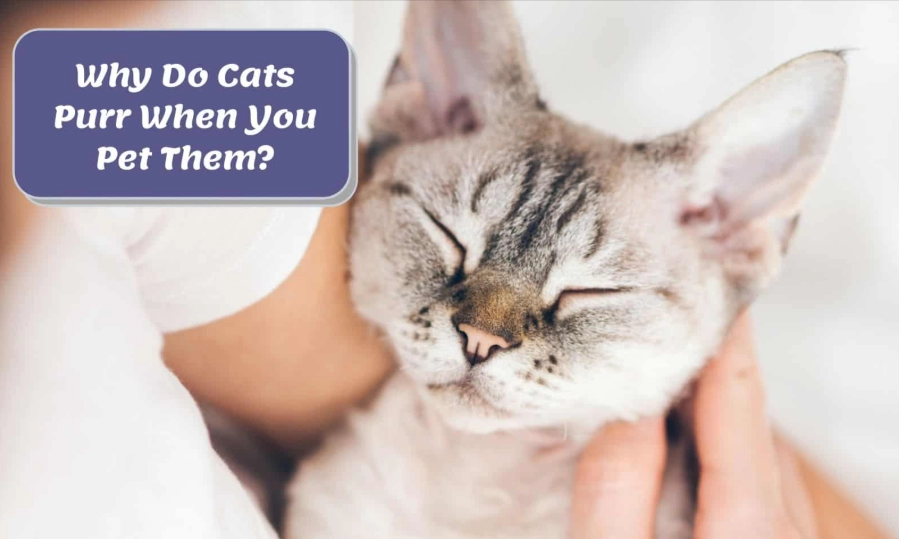
- Contentment and Bonding: This is the one we know and love. A relaxed purr during petting, lap-sitting, or kneading. It strengthens the bond between you, similar to a human smile.
- Communication and Solicitation: Cats are smart. Many develop a specific, often more insistent purr mixed with a high-pitched cry when they want food. Researchers call this the "solicitation purr." It's literally them talking to us to get what they want.
- Self-Soothing and Stress Relief: This is the critical one most owners miss. Cats purr in stressful situations (vet visits, thunderstorms, introductions to new pets) to calm themselves down. It's a form of emotional first-aid.
- Healing and Pain Relief: As mentioned, the vibrational frequency may promote healing. Cats often purr when injured, ill, or in pain. It's a natural response to discomfort.
- Mother-Kitten Bonding: Newborn kittens purr while nursing, and mothers purr back. This guides the kittens and creates a calming, bonding environment.
Your Cat's Purring Context Guide
You can't interpret the purr in isolation. You must read the rest of the cat. Their body language tells the real story. Here’s a practical guide to help you differentiate.
| Context / Situation | Likely Meaning of Purr | Key Body Language Cues to Check |
|---|---|---|
| Curled on your lap, eyes half-closed | Contentment, bonding, relaxation. | Relaxed posture, slow blinking, ears forward. |
| Rubbing against your legs around mealtime | Solicitation ("I want food!" or attention). | Tail up, possibly vocalizing, focused on you. |
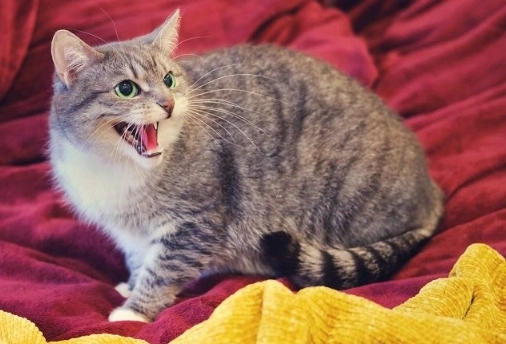
| At the veterinary clinic | Stress, anxiety, self-soothing. | Ears flattened, hiding, dilated pupils, tense body. |
| Resting alone, not seeking contact | Potential pain relief or illness. | Hunched posture, hiding, lack of appetite, lethargy. |
| During or after giving birth | Pain management, bonding with kittens. | Focused on nesting, attentive to kittens. |
See the pattern? The same sound means wildly different things. If your cat is purring but their ears are back and they're under the bed, don't assume they're fine. They're telling you they're not.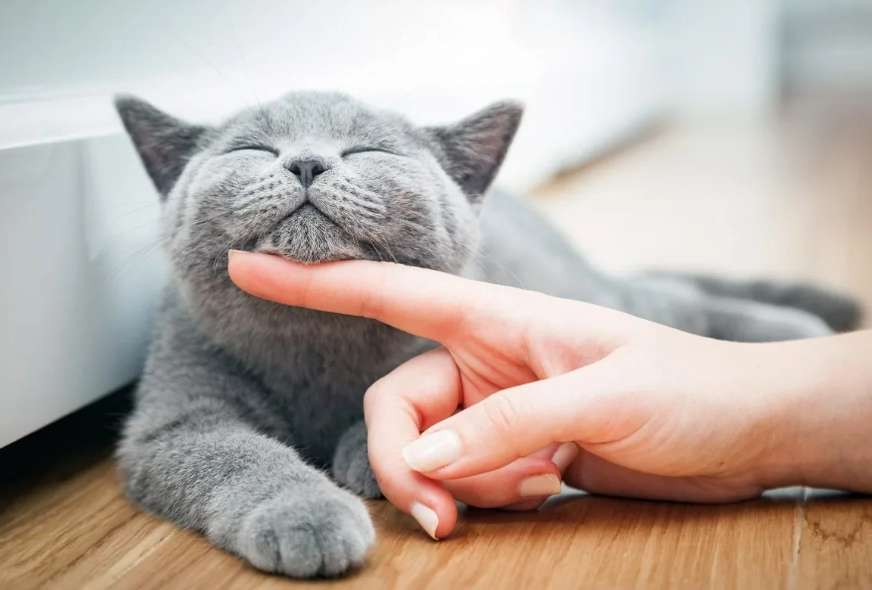
The Healing Power of the Purr
The science around purring as a healing mechanism is compelling. That 25-150 Hz frequency range isn't random.
Studies in human physiotherapy have shown that vibrational therapy at similar frequencies can:
- Increase bone density and aid in fracture healing.
- Promote the growth and repair of tendons and muscles.
- Reduce pain and swelling.
It's theorized that cats, as solitary hunters who conserve energy by sleeping long hours, may have evolved purring as a low-energy way to stimulate their muscles and bones without having to move. This could explain their remarkable ability to recover from injuries and their lower incidence of bone and muscle disorders compared to dogs.
Some researchers even speculate that living with a purring cat might have minor therapeutic benefits for humans—lowering stress and blood pressure. While more research is needed, it's a beautiful thought that their comfort mechanism might comfort us too.
When Purring is a Red Flag
This is the most important takeaway. A purr can mask suffering.
If your cat is purring in conjunction with any of the following, it's time for a vet visit, not just more cuddles:
- Hiding or Withdrawal: A cat that purrs while tucked away in a closet is not a happy cat.
- Change in Appetite or Thirst: Purring plus not eating or drinking excessively.
- Lethargy or Lack of Grooming: Purring but moving less or their coat looks unkempt.
- Vocalizing Differently: Purrs that sound strained, or are mixed with unusual meows or cries.
- Obvious Signs of Pain: Limping, flinching when touched, or difficulty jumping.
Don't let the soothing sound lull you into a false sense of security. Cats are masters at hiding weakness. That purr might be their way of coping with a problem they can't solve alone.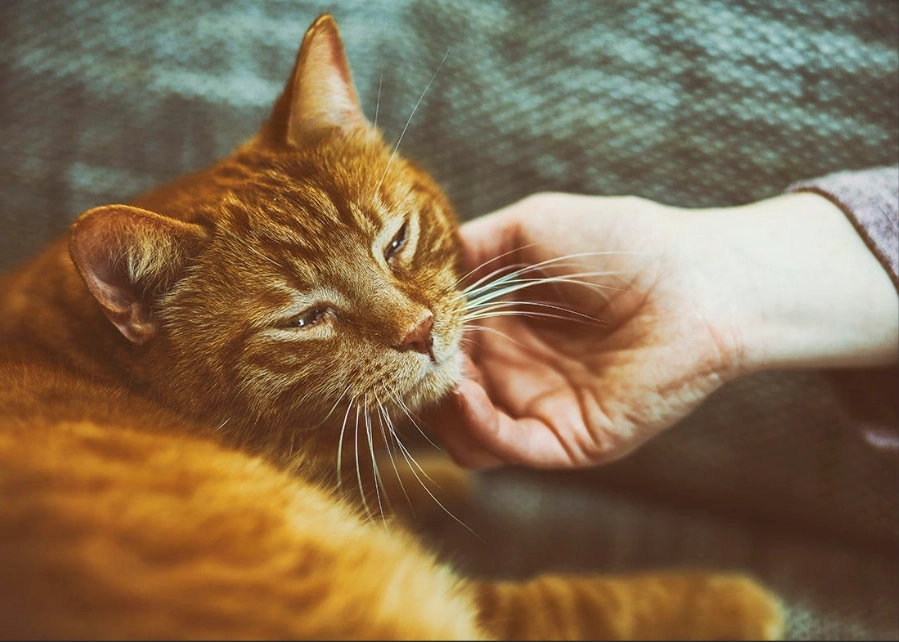
Your Purring Questions, Answered
 Understanding why cats purr transforms how you relate to them. It turns a simple noise into a rich conversation. You learn when they're truly happy, when they're asking for something, and—most crucially—when they might be silently asking for help.
Listen closely. Look closer. That rumble is the secret language of your feline friend, and now you're starting to speak it.



Leave a comment