You're settled on the couch, your cat hops up, circles a few times, and then starts that rhythmic push-pull motion with her front paws. Her claws might extend and retract, kneading into the blanket—or your thigh. Purring usually accompanies this. We call it kneading, pummeling, or making biscuits. It looks cute, but if those claws are sharp, it can also be painful. So why do cats do this? The answer isn't just one thing; it's a layered behavior rooted in kittenhood, comfort, communication, and even instinct.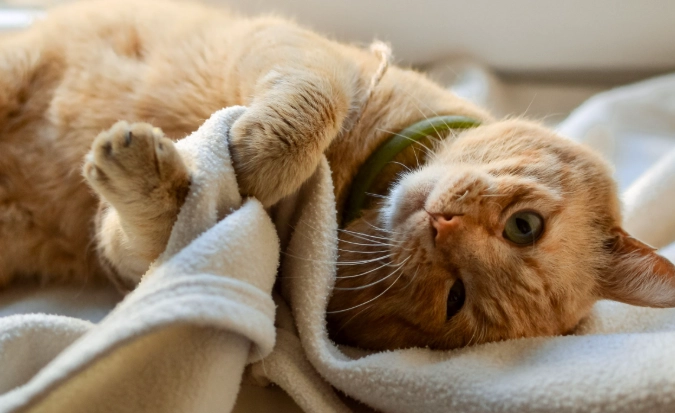
Most articles will tell you it's a sign of contentment. That's often true, but it's not the whole story. After years of living with cats and talking to behaviorists, I've seen kneading signal everything from deep relaxation to low-grade anxiety. Missing those subtleties is a common mistake.
What's Inside This Guide
What Is Cat Kneading? More Than Just Pawing
Kneading is that alternating, pressing motion cats make with their front paws, often on soft surfaces. The back legs usually stay still. You might see their claws come out, and they often get a glassy-eyed, relaxed look. Some cats drool a little. The technical term from animal behaviorists is "rhythmic alternating pressing." It's not random pawing; it's a deliberate, patterned action.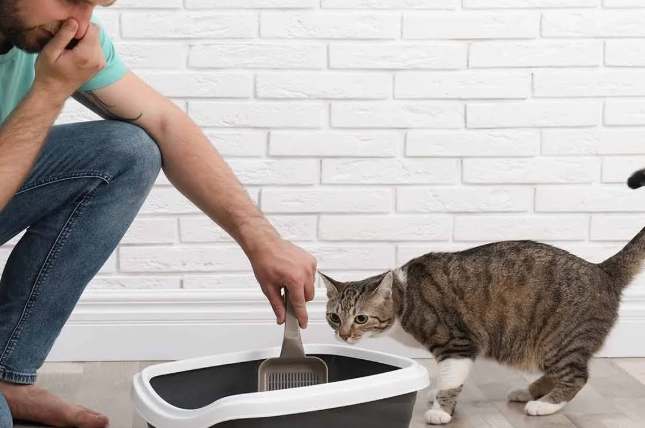
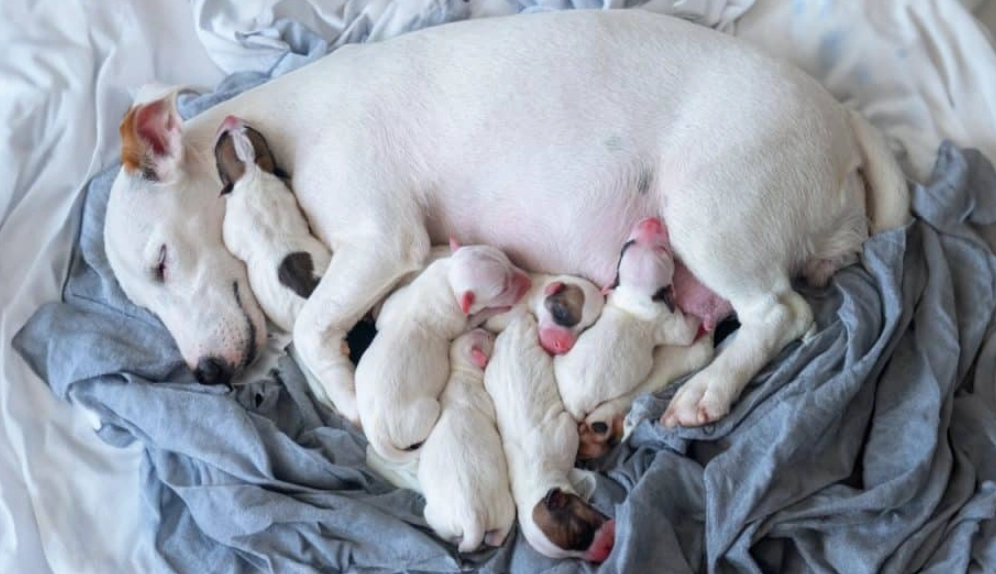
The behavior starts in infancy. Newborn kittens knead their mother's belly to stimulate milk flow from the mammary glands. This action is directly linked to nourishment and safety. So, from day one, kneading is associated with the ultimate positive experiences: food, warmth, and comfort from mom.
Think about it this way: For a kitten, the act of kneading literally brings forth what it needs to survive. That creates a powerful neurological link between the motion and feelings of profound well-being. It's no wonder the behavior persists into adulthood.
Why Do Cats Knead? The Top 5 Reasons Explained
As cats grow up, the reasons for kneading evolve. It's rarely just about one thing. Context is everything—where they're kneading, when, and their overall body language.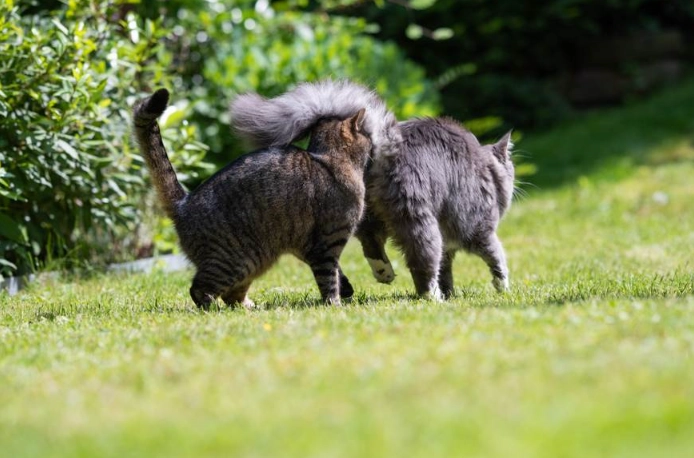
| Reason | What's Happening | Typical Context |
|---|---|---|
| 1. Comfort and Contentment | This is the classic. The cat is happy, relaxed, and feeling safe. Kneading recreates the comfort of kittenhood. The purring is a dead giveaway. | On your lap while being petted, on a sunny windowsill, on a favorite blanket before napping. |
| 2. Scent Marking | Cats have scent glands in their paw pads. Kneading deposits their personal scent, claiming the object (or person) as "theirs." It's a compliment. | On new furniture, your bed when you change the sheets, on a guest's lap. |
| 3. Nesting Instinct | An ancient, hardwired behavior. In the wild, cats would knead tall grass or leaves to create a soft, safe bed. Your modern cat is fluffing their duvet. | Circling and kneading a blanket or pillow repeatedly before finally lying down. |
| 4. Stretching and Muscle Maintenance | The motion stretches the muscles and tendons in the legs, shoulders, and toes. It feels good, like a human stretching after sitting too long. | After waking up from a long nap, often combined with a big yawn and a back stretch. |
| 5. Stress Relief or Self-Soothing | This is the one many owners miss. Cats may knead to calm themselves when feeling anxious or uncertain. It's a coping mechanism. | During a vet visit (in the carrier), when there are loud noises outside, or during changes in the household routine. |
Notice how reason #5 looks different from reason #1? The cat might be kneading with more intensity, without the full-body relaxation or purring. Their ears might be slightly rotated, or they might stop abruptly at a sound. This is where reading the whole cat, not just the paws, is crucial.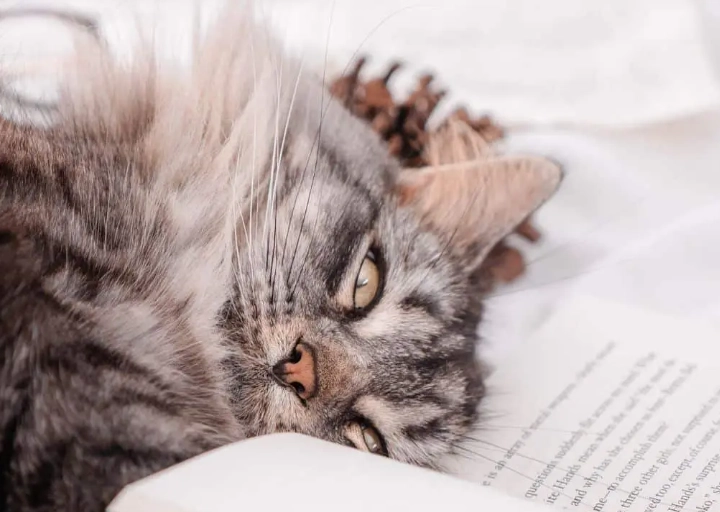
Is It Always a Good Sign?
Most of the time, yes. But not always. If kneading becomes obsessive (lasting for 20+ minutes non-stop) or is focused on one spot until the fur is worn away, it could signal an underlying issue. Compulsive behaviors can stem from stress, pain, or neurological conditions. A sudden, drastic increase in kneading warrants a chat with your vet to rule out medical causes like arthritis (kneading might be an attempt to ease joint stiffness) or cognitive decline.
How to Manage Kneading (Especially the Painful Kind)
Love the sentiment, hate the claws? You're not alone. Here are practical, cat-friendly strategies.
First, keep those claws trimmed. This is the single most effective thing you can do. Get a pair of cat nail clippers and get your cat used to having their paws handled. Trim just the sharp tip every week or two. If you're unsure, your vet or groomer can show you how.
Provide a dedicated kneading surface. Place a soft, thick blanket or a specific cat bed next to you on the couch. When your cat comes to knead on you, gently lift and place them on the blanket. Praise them when they use it. Over time, they may choose the blanket first.
Use a barrier. A thick throw blanket over your lap protects your legs. It's simple but works.
What NOT to do: Never yell, push your cat away, or punish them for kneading. You'll confuse them and damage your bond. The behavior is natural; we're just redirecting it, not stopping it.
Pro Tip from Experience: If your cat starts kneading with painful claws, don't jerk away suddenly. That can trigger a playful or startled grab. Instead, calmly slide a pillow or the corner of a blanket under their paws as a buffer, or gently disengage by standing up slowly.
Common Misconceptions About Kneading Behavior
Let's clear up some confusion you might find online.
Misconception 1: "Only female cats knead." Not true. Male cats knead just as often. It has nothing to do with gender.
Misconception 2: "Kneading means my cat was weaned too early." This is a persistent myth. While cats weaned very early might display more "infantile" behaviors, the vast majority of cats, regardless of weaning age, knead. It's a nearly universal feline behavior.
Misconception 3: "My cat is trying to nurse on my clothes." Sucking on fabric is a separate behavior (called wool-sucking), though it can occur with kneading. Most kneading is not an attempt to nurse but to express comfort and mark scent.
Misconception 4: "If my cat doesn't knead, something is wrong." Some cats are just not kneaders. Personality plays a role. A non-kneading cat who is otherwise playful, affectionate, and healthy is perfectly normal.
Your Kneading Questions, Answered
Understanding why cats pummel deepens your connection with them. It's a window into their emotional world, from the blissful memories of kittenhood to their way of saying "you're mine." Pay attention to the context, keep those claws trimmed, and appreciate this quirky, ancient bit of feline poetry written with their paws.
For more on interpreting cat body language, resources from organizations like the American Society for the Prevention of Cruelty to Animals (ASPCA) or the Cornell Feline Health Center offer excellent, science-backed guides.


Leave a comment