You walk by your dog's bowl while they're eating. A low growl rumbles from their chest. Maybe they stiffen, or even snap the air. Your stomach drops. This is food guarding, and it's scary. But here's the thing you need to know right away: it's a common, manageable behavior, not a life sentence of fear. It stems from instinct, not spite. This guide will walk you through exactly why it happens and, more importantly, the safe, step-by-step process to change it.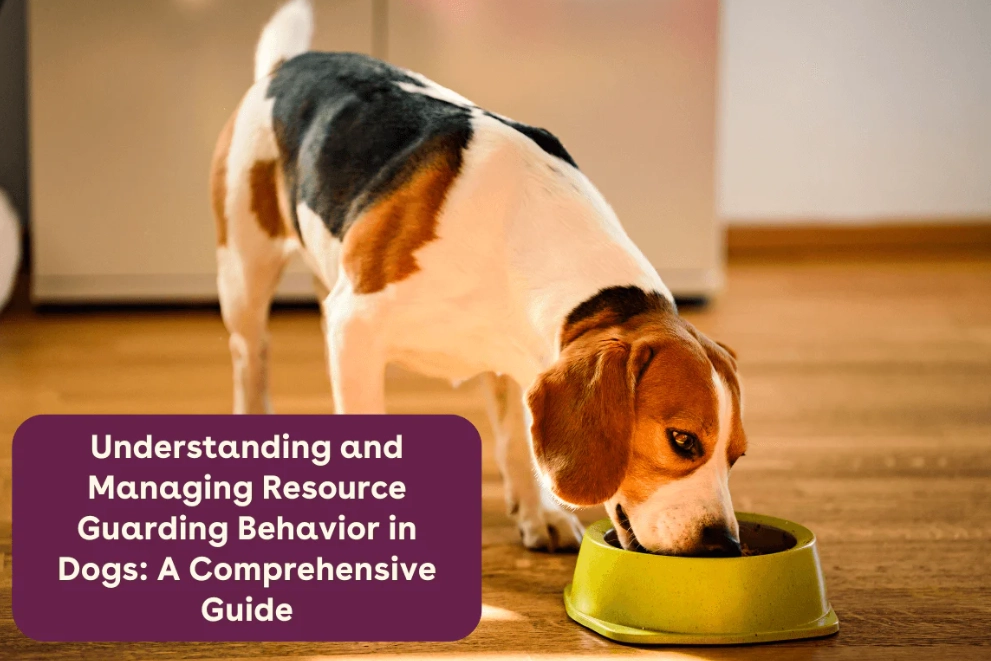
What You'll Find in This Guide
What Is Food Guarding Really?
Resource guarding is a dog's natural behavior to protect something they value. Food is the most common trigger. The behavior exists on a spectrum of intensity.
On the mild end, your dog might just eat faster when you're near. The middle ground includes freezing, stiffening body language, or a hard stare. The serious end involves growling, showing teeth, snapping, or biting.
A huge mistake owners make is thinking a growl is the problem. It's not. The growl is a desperately important warning signal. Punishing the growl teaches your dog to skip the warning next time and go straight to a bite. That's far more dangerous.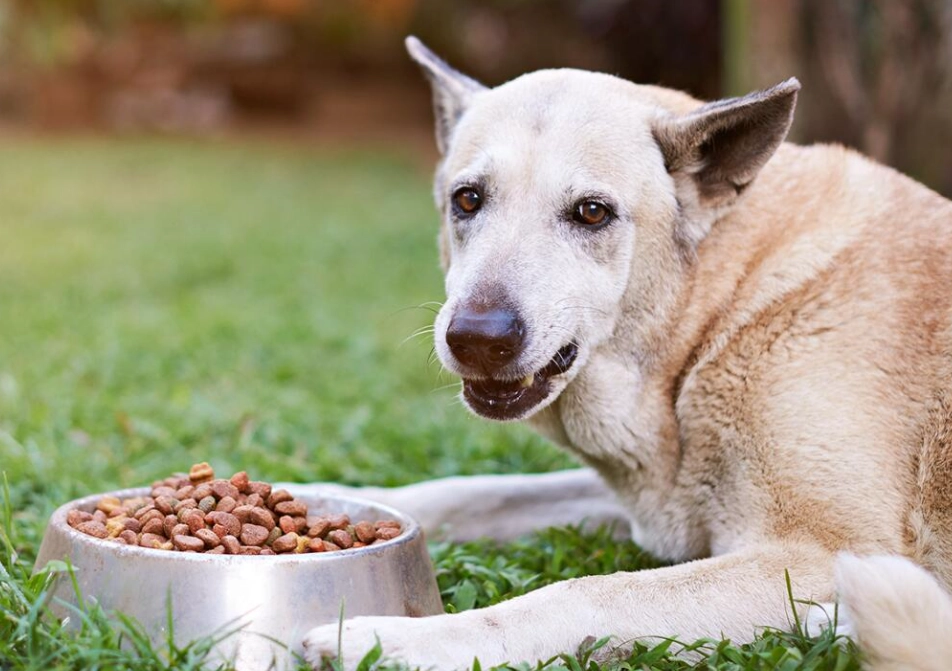
The Real Reasons Dogs Guard Food (It's Not Just "Being Bad")
Labeling a dog as "dominant" or "greedy" misses the point and blocks the solution. Guarding is primarily driven by anxiety and insecurity about a resource.
Anxiety and Insecurity: This is the big one. The dog isn't confident the resource will be there if they don't protect it. This can come from past scarcity (like in a shelter or multi-dog home), inconsistent feeding routines, or even just a genetic predisposition to be more worried.
Learned Behavior: If growling has worked in the past to make a person or another animal back off, the behavior is reinforced. It's simple cause and effect from the dog's perspective.
Medical Issues: Pain (like dental pain) can make a dog more irritable and likely to guard. A sudden onset of guarding in an older dog warrants a vet visit first.
I once worked with a lovely rescue Labrador who would guard his bowl fiercely. His owner was baffled—"He gets plenty of food!" After talking, we learned he was fed in a busy kitchen with kids running past. For him, the anxiety wasn't about *amount* of food, but about the *safety* of his eating environment. Changing the location alone reduced 50% of the tension.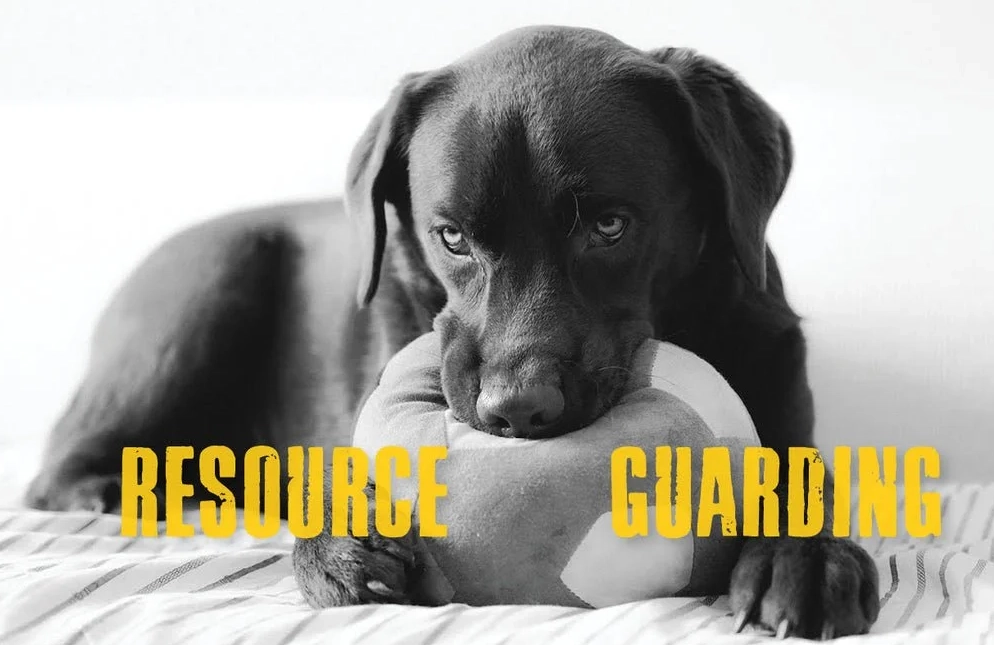
How to Stop Food Guarding: The Safe, Proven Steps
This is a desensitization and counter-conditioning protocol. You go slow. If you see any guarding signs (freezing, side-eye), you've moved too fast. Go back a step.
Step 1: The Setup & Assessment
Gather your tools: your dog's regular kibble, a stash of amazingly high-value treats (real chicken, cheese, liver), and an empty bowl. Start in a quiet, low-distraction room.
Identify your dog's "threshold." How far away can you be before they show any sign of discomfort? Ten feet? Five? Across the room? This is your starting distance.
Step 2: The "You're Amazing" Game (Counter-Conditioning)
With your dog's empty bowl on the floor, stand at your identified safe distance. Toss a phenomenal treat away from the bowl, so your dog has to move away from it to get the treat. Do this 5-10 times.
The pattern you're building: Human appears near bowl = amazing thing happens *away from bowl*. You're not trying to touch the bowl or them. You're changing the association.
Step 3: The Trade-Up Game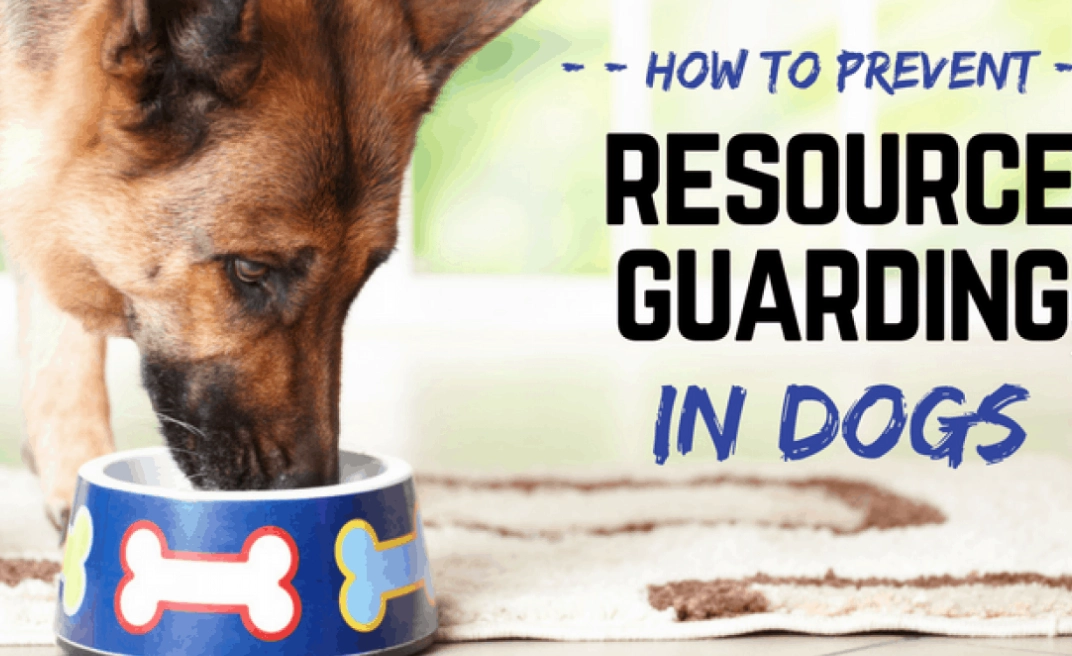
Once Step 2 is smooth (your dog looks happy when you move), put a few pieces of low-value kibble in the bowl. Let your dog eat them. From your safe distance, say a cheerful word like "Trade!" and toss a high-value treat away from the bowl. Let them return to the bowl. Repeat.
The lesson: Leaving the bowl results in something better. You can gradually decrease your distance over multiple sessions, moving an inch closer at a time.
Step 4: Adding Real-Life Actions
Now, simulate normal activities. Walk by the bowl at a safe distance and toss a treat. Gently drop a treat *into* the bowl as you pass (this is huge—it teaches your hand near the bowl adds food, not takes it). Eventually, you can practice picking the bowl up, adding a fantastic treat, and immediately giving it back.
What you'll need for success:
- Patience. This takes days or weeks, not minutes.
- Consistency. Practice at most meals.
- Management. Between training sessions, feed your dog in a separate, undisturbed room or crate to prevent rehearsal of the guarding behavior.
Stopping It Before It Starts: Prevention for Puppies & New Dogs
This is easier than fixing it later. The core principle is to make your presence around food 100% positive.
Hand-Feeding: For the first few weeks, feed a puppy or new dog most of their meals by hand. This builds a direct association: you = food source.
The "No Big Deal" Protocol: While they eat from a bowl, walk by and drop a much better treat into it. Do this randomly. Touch their bowl while adding a treat. Occasionally, pick up the bowl, add something awesome, and give it right back.
A common piece of old-school advice is to stick your hand in the bowl while the dog eats. Honestly, I think that's intrusive and can backfire with a sensitive dog. Why invade their space? It's more effective to be the generous benefactor who adds to the feast.
Your Tough Questions Answered
My dog only guards food from my kids/other dogs. What do I do?
Will my dog ever be "cured," or is this management for life?
 Is it okay to just take the food away to show I'm boss?
What about using a "leave it" command for guarding?
My dog guards toys and bones too. Is the process different?
 The growl over the food bowl is a cry for help, not a challenge to your authority. By listening to it and responding with understanding and a smart training plan, you don't just stop the guarding. You build a deeper, more trusting relationship with your dog. You become their safe harbor, not another competitor in their world. Start with that first treat tossed from a safe distance. That's where the trust begins to grow back.

Leave a comment