Let's cut to the chase: if you're here, you probably dread trimming your dog's nails. Maybe your pup hides under the bed, or you've nicked the quick and seen blood. I've been there. After a decade as a professional groomer, I've learned that dog nail care isn't just about aesthetics—it's a health necessity. Overgrown nails can cause pain, arthritis, and even change how your dog walks. In this guide, I'll walk you through everything from basic trimming to expert tricks most blogs miss. You'll get actionable steps, tool recommendations, and solutions for those hairy situations.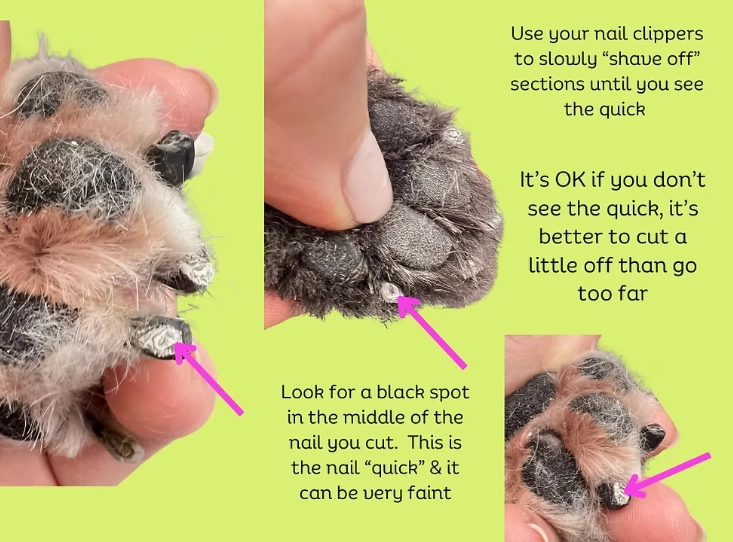
What's Inside This Guide
Why Dog Nail Care is Non-Negotiable
Ignore your dog's nails, and you're setting them up for trouble. I've seen dogs with nails so long they curled into their paw pads. It's not pretty. Here's the lowdown on why this matters.
Health Risks of Overgrown Nails
Long nails force your dog's toes to splay outward, putting pressure on joints. Over time, this can lead to arthritis or tendon injuries. The quick—the blood vessel inside the nail—also grows longer, making future trims riskier. A study by the American Veterinary Medical Association highlights that nail-related issues are a common reason for vet visits, often preventable with regular care.
Behavioral Impacts
Your dog isn't being dramatic. If nails click on the floor, it can cause slipping and anxiety. I had a client whose Labrador became reluctant to climb stairs because his nails hurt. Trimming restored his confidence almost overnight.
Quick fact: Dogs who walk on soft surfaces like grass need more frequent trims than those on concrete, which naturally files nails down.
How to Trim Dog Nails: A Stress-Free Process
Forget the fear. With the right approach, trimming can be a bonding experience. Here's my step-by-step method, refined over years.
Tools You'll Need
Don't skimp on tools. Cheap clippers can crush nails. I recommend:
- Guillotine-style clippers: Great for small to medium dogs. Brands like Resco or Millers Forge are reliable.
- Scissor-style clippers: Better for large or thick nails. Look for stainless steel blades.
- Grinder (Dremel tool): Ideal for smoothing edges and dogs who fear clippers. The Dremel 7300-PT is a pet-specific model I use daily.
- Styptic powder: Essential for stopping bleeding if you cut the quick. Kwik Stop is a lifesaver.
- Treats: High-value rewards like chicken bits to create positive associations.
Preparing Your Dog
Start young, but older dogs can learn. Touch their paws regularly without trimming. Use treats to build trust. For anxious dogs, try wrapping them in a towel (the "burrito method") to reduce squirming.
I once worked with a rescue terrier who'd snap at clippers. We spent a week just touching his paws with a spoon, then a clipper turned off, before attempting a trim. Patience pays.
The Trimming Process
Here's a table breaking down the steps for clarity. Follow this, and you'll minimize errors.
| Step | Action | Pro Tip |
|---|---|---|
| 1. Position | Hold your dog comfortably on your lap or a non-slip surface. Keep them calm with gentle talk. | If they're struggling, take a break. Forcing it increases fear. |
| 2. Identify the Quick | In light-colored nails, the quick is a pinkish area. In dark nails, look for a chalky white ring near the tip before the darker core. | Shine a flashlight behind dark nails to see the quick shadow—a trick many groomers use. |
| 3. Make the Cut | Cut small amounts at a 45-degree angle, avoiding the quick. For grinders, use low speed and touch briefly. | Cut from underneath the nail, not the top, to prevent splitting. |
| 4. Handle Bleeding | If you hit the quick, apply styptic powder with pressure. It stings a bit, but reassure your dog. | Keep calm; dogs pick up on your anxiety. Have treats ready post-trim. |
| 5. Reward | Immediately give treats and praise, even if the session was short. | End on a positive note, even if you only did one nail. |
Frequency depends on your dog. Active dogs on pavement might need trims every 6-8 weeks, while indoor pets may need every 3-4 weeks. Listen for clicking on floors—that's your cue.
Common Mistakes and How to Avoid Them
Everyone makes errors, but some can set back training. Here are the big ones I see.
Cutting the Quick
It happens. The quick bleeds because it's vascular. But cutting it repeatedly teaches your dog to fear trims. To avoid this, trim more often so the quick recedes. For dark nails, cut tiny slices until you see a black dot in the center—that's the start of the quick. Stop there.
Some blogs say to use a file instead, but that's slow and often frustrates dogs. I prefer clippers with a safety guard or grinders for precision.
Using the Wrong Tools
Human nail clippers? Don't. They're not designed for dog nails and can cause splintering. I've seen owners use kitchen scissors—it's a disaster. Invest in pet-specific tools. A good pair of clippers costs $15-30 and lasts years.
Rushing the Process
You're not in a race. If your dog is stressed, stop. One client tried to trim all nails in one go despite her dog's whining. The dog now hides at the sight of clippers. Break it into multiple sessions over days.
Advanced Tips from a 10-Year Grooming Veteran
Here's where I diverge from common advice. Most guides miss subtle points that make a huge difference.
Non-consensus view: Many experts say to trim until just before the quick. I say, for anxious dogs, aim to trim less but more frequently. This reduces the risk of cutting the quick and builds tolerance. For example, trim one nail per day during cuddle time.
Another tip: Use a peanut butter mat. Spread peanut butter on a lick mat to distract your dog during trimming. It works better than treats handed out intermittently.
For grinding, don't press hard. Let the tool do the work. I see owners pushing down, which generates heat and discomfort. Hold the grinder at a 90-degree angle and move it across the nail tip in short bursts.
External resources? The American Kennel Club has a good overview on nail care basics, but they don't cover these gritty details. I also reference veterinary manuals from sources like the Merck Veterinary Manual for health guidelines.
Consider nail caps as an alternative for dogs who absolutely can't tolerate trimming. Brands like Soft Paws offer silicone covers, but they require glue and regular replacement. I'm not a huge fan—they can trap moisture—but for some dogs, they're a temporary fix.
Your Burning Questions Answered
 Are grinders safer than clippers for preventing quick cuts?
Wrapping up, dog nail care is a skill you can master. Start slow, use the right tools, and prioritize your dog's comfort. If you hit a snag, consult a groomer or vet. Remember, healthy paws mean a happier, more active pet. Now go give those nails a trim—you've got this.

Leave a comment