You just got scratched by your cat. It stings, there's a little blood, and your first instinct is to reach for that bottle of antiseptic in the bathroom cabinet. Hold on. Is antiseptic good for cat scratches? The short answer is yes, but it's not as simple as just pouring it on. Using the wrong type, or using it incorrectly, can sometimes do more harm than good. I've been a cat owner for over a decade and have dealt with my fair share of scratches—from playful nips to deep, accidental swipes. Through trial, error, and a lot of reading (and a few vet visits), I've learned that proper wound care is the single biggest factor in preventing a minor scratch from turning into a major problem.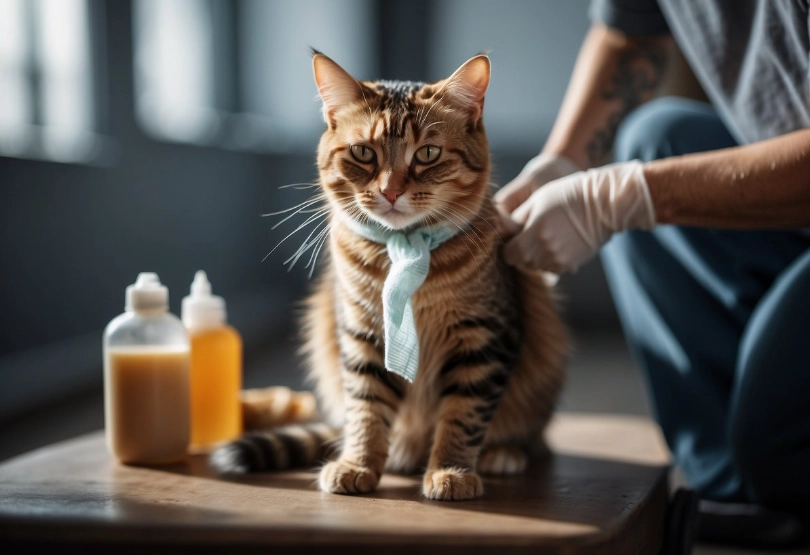
What You'll Learn in This Guide
Why Cat Scratches Are Deceptively Dangerous
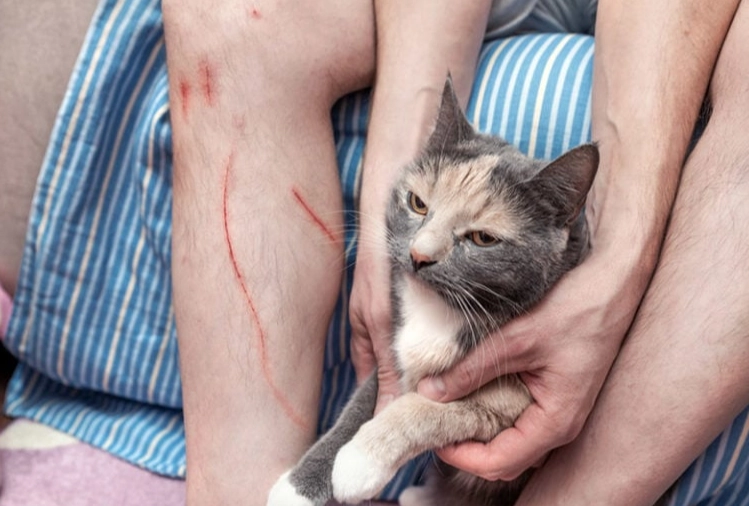
Most people think a cat scratch is just a surface wound. It's not. A cat's claw isn't sterile like a surgical scalpel. It's been digging in litter, climbing trees, and who knows what else. More importantly, their claws can harbor bacteria deep under the skin. The main culprit we worry about is Bartonella henselae, the bacteria that causes Cat Scratch Disease (CSD). According to the Centers for Disease Control and Prevention (CDC), about 40% of cats carry this bacteria at some point in their lives, usually with no symptoms.
But here's the subtle mistake many pet owners make: they focus only on the antiseptic and forget about mechanical cleaning. The physical act of flushing the wound is often more critical than the antiseptic you choose. The antiseptic's job is to mop up what's left after you've done the hard work of washing away debris and bacteria.
I learned this the hard way. Years ago, I quickly dabbed some antiseptic on a scratch from my kitten, Mittens. Two days later, the area was red, warm, and painful. The antiseptic had sealed in the bacteria because I hadn't properly flushed the wound first. A lesson in proper technique that stuck with me.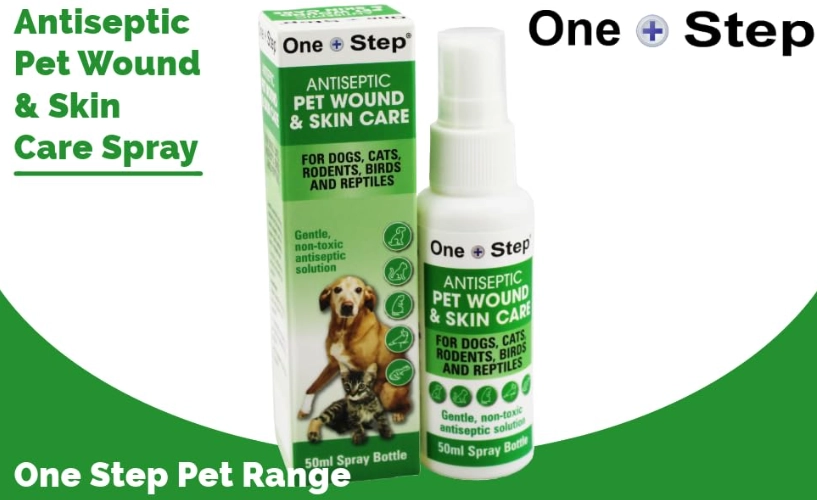
How to Properly Clean a Cat Scratch: A 5-Step Protocol
Forget the old "rinse and dab" method. This is the protocol I follow now, and it's backed by first-aid principles from sources like the American Veterinary Medical Association (AVMA).
- Wash Your Hands First. Seriously. Don't introduce new germs from your own hands to the open wound.
- Apply Gentle Pressure. If it's bleeding, use a clean cloth or gauze to apply gentle pressure for a few minutes. Minor scratches often stop quickly.
- The Critical Flush. This is the most important step. Hold the scratched area under cool, running tap water for a full 2-3 minutes. Use mild soap to create a lather around the wound (avoid pouring soap directly into it, as it can irritate). The goal is to physically wash away saliva, dirt, and bacteria. Think of it as power-washing the injury.
- Apply Antiseptic. After patting the area dry gently with a clean paper towel, apply a small amount of a safe antiseptic (we'll cover which ones next) using a clean cotton pad or swab. Don't soak it. A thin layer is enough.
- Leave It Open (Usually). For most superficial scratches, it's best to let them air dry. Covering them with a bandage can create a moist environment that bacteria love. If the scratch is in an area that will get dirty (like your hand), use a sterile adhesive bandage, but change it daily.
What Antiseptics Are Safe (and Unsafe) for Cat Scratches?
Not all antiseptics are created equal. Some are too harsh and can damage the delicate tissue needed for healing, a point often glossed over in basic advice.
| Antiseptic | Is It Safe for Cat Scratches? | Key Notes & How to Use |
|---|---|---|
| Chlorhexidine (e.g., Hibiclens) | Yes, with caution. | Excellent broad-spectrum action. Must be diluted (follow bottle instructions, usually a 1:40 ratio with water). Full strength can be irritating. Rinse after 30-60 seconds. A vet-recommended favorite. |
| Povidone-Iodine (e.g., Betadine) | Yes. | Effective and widely available. Use a 10% solution diluted to a light tea color with sterile water. Stains skin and fabric. Avoid if you have a known iodine allergy. |
| Isopropyl Alcohol (Rubbing Alcohol) | No. | Too harsh. It kills bacteria but also destroys healthy cells, significantly slowing healing and increasing pain. Only use on unbroken skin around the wound. |
| Hydrogen Peroxide (3%) | Generally No. | That satisfying fizz? It's damaging tissue. While it can clean debris in a fresh, dirty wound, it impedes healing and shouldn't be used repeatedly. Best avoided for routine care. |
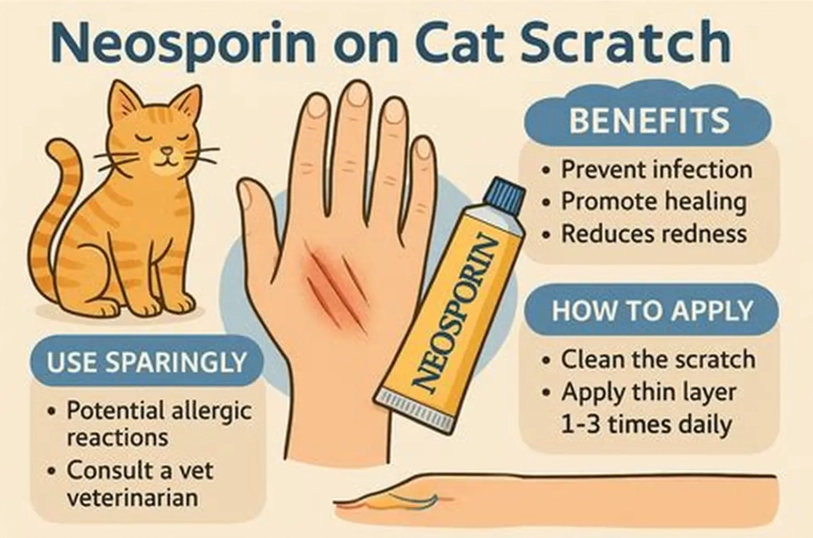
| Bacitracin/Neosporin (Antibiotic Ointment) | Yes, for a short period. | Good for keeping a cleaned wound moist and preventing a scab from sticking to a bandage. Use a thin layer for 1-2 days. Some people are allergic to Neomycin in Neosporin, so Bacitracin alone is often safer. |
My personal go-to is diluted chlorhexidine. I keep a small spray bottle of the diluted solution in my pet first-aid kit. It's less messy than iodine and, in my experience, very effective when used after a thorough wash.
Beyond the Scratch: Understanding "Cat Scratch Fever"
This isn't just a Ted Nugent song. Cat Scratch Disease (CSD) is a real bacterial infection. It doesn't happen with every scratch, but it's the primary reason we take scratches seriously.
The typical progression isn't immediate. Within 3-10 days, a small bump or blister may form at the scratch site. Then, the lymph nodes nearest to the scratch (like in your armpit if scratched on the arm, or groin if scratched on the leg) can become swollen, tender, and sometimes filled with pus. You might also get a fever, headache, and fatigue.
Most healthy adults fight it off without antibiotics, but it can be severe for young children or immunocompromised individuals. This is why monitoring is crucial. The antiseptic cleaning step is your first and best defense in reducing the bacterial load and preventing this chain of events.
Red Flags: When a Cat Scratch Needs a Doctor
Antiseptic and home care are for minor scratches. You need to recognize when it's more than that. Here are the non-negotiable signs to seek medical attention:
- The scratch is deep, gaping, or won't stop bleeding after 10 minutes of direct pressure.
- Signs of infection appear: Increasing redness, swelling, warmth, or throbbing pain more than 24 hours later.
- Pus is draining from the wound.
- Red streaks are spreading from the scratch towards your body (a sign of lymphangitis, a serious infection).
- You develop a fever over 100.4°F (38°C), chills, or body aches.
- The lymph nodes become swollen and painful.
- The scratch was from a stray or unknown cat, and your tetanus shot isn't up-to-date (recommended every 10 years).
- The scratched person is very young, elderly, diabetic, or has a weakened immune system.
Your Cat Scratch Questions, Answered
 My indoor-only cat scratched me. Is it really that risky?
 The bottom line is this: antiseptic is a valuable tool for cat scratch care, but it's just one part of the process. The real heroes are immediate, thorough washing with soap and water, followed by the careful application of a gentle, effective antiseptic like diluted chlorhexidine or povidone-iodine. Pay attention to your body's signals afterward. Most scratches heal uneventfully with this approach, but knowing when to switch from home care to professional medical care is just as important as having the antiseptic in your cabinet.




Leave a comment