Quick Navigation
- What Exactly Is Heat Exhaustion in Dogs?
- The Signs: Don't Miss These Red Flags
- Immediate First Aid: What to Do Step-by-Step
- What Will the Vet Do? Understanding Professional Treatment
- Prevention is Everything: How to Stop It Before It Starts
- Answering Your Burning Questions (FAQs)
- Putting It All Together: Your Action Plan
Look, I get it. It's a hot day, you're outside with your dog, and everything seems fine. Until it's not. One minute your pup is panting a bit, the next they're wobbly on their feet. That moment of panic is real, and it's why knowing about heat exhaustion dogs treatment isn't just helpful—it's essential. This isn't some rare, obscure condition. It happens every summer to dogs whose owners just didn't see the signs in time.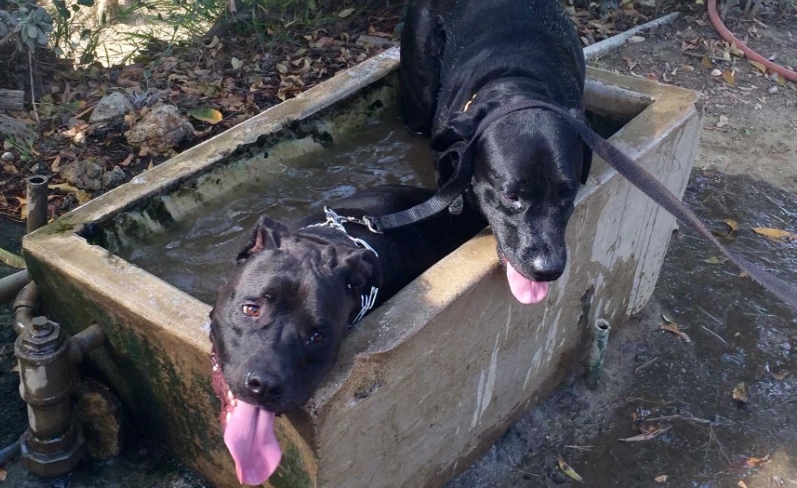
I remember the first time I saw it. A neighbor's Labrador, usually bursting with energy, was just lying on the grass, panting way too hard, tongue looking too big for his mouth. We acted fast, but that feeling of "what if we were later?" sticks with you. So let's break this down, not like a medical textbook, but like someone who's been there and wants to make sure you're prepared.
What Exactly Is Heat Exhaustion in Dogs?
Think of it as your dog's internal cooling system starting to fail. Unlike us, dogs can't sweat through their skin to cool down. They rely primarily on panting and releasing a tiny bit of heat through their paw pads. When the outside temperature and humidity rise, this system gets overwhelmed. Their body temperature starts to climb above the normal range (which is about 101 to 102.5°F). Heat exhaustion is the stage before heatstroke—the body is struggling, but major organ damage hasn't set in yet. This is your critical window for dog overheating treatment.
Some dogs are just more at risk. Brachycephalic breeds (the flat-faced ones like Pugs, Bulldogs, Boston Terriers) have a huge disadvantage with their shortened airways. Older dogs, overweight dogs, and those with thick double coats (like Huskies or Malamutes) also struggle more. Even a dog with a heart or respiratory condition is playing on hard mode when the mercury rises.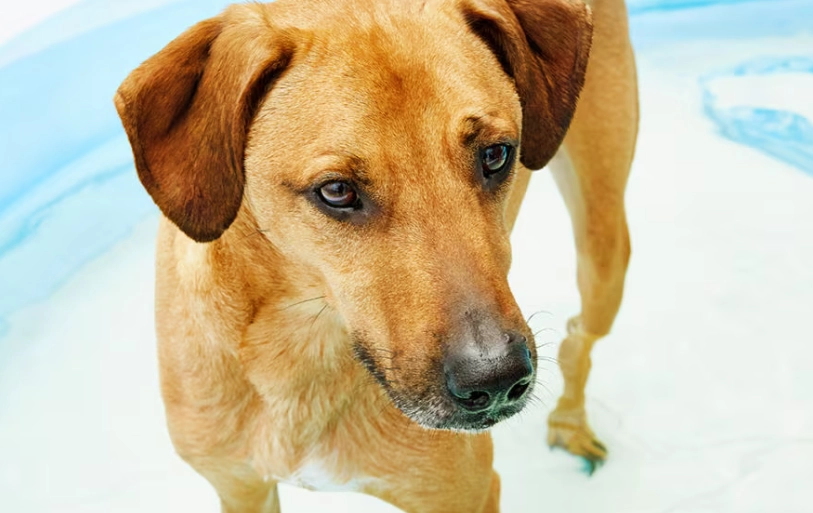
The Signs: Don't Miss These Red Flags
You have to know what you're looking for. The signs can be subtle at first and then escalate frighteningly fast.
Early Warning Signs
- Excessive, frantic panting: This is the number one sign. It's not normal relaxed panting; it sounds harsh and labored.
- Seeking shade/cool surfaces: If your normally sun-loving dog is suddenly digging for cool dirt or pressing against the bathroom tiles, pay attention.
- Drooling thick saliva: The drool might be ropey or stickier than usual.
- Bright red gums and tongue: Their gums should be a healthy pink, not a fiery red.
Signs It's Getting Serious (Act Now!)
- Weakness, stumbling, or collapse: They might look dizzy or unable to stand properly.
- Glassy eyes or a dazed expression: They seem "out of it."
- Vomiting or diarrhea: Sometimes with blood.
- Rapid heart rate. You can feel their chest pounding.
If you see the serious signs, you're already in an emergency. Don't wait.
Immediate First Aid: What to Do Step-by-Step
This is the core of heat exhaustion dogs treatment at home. Your goal is to lower their body temperature gradually. Cooling them too fast (like plunging them into ice water) can cause shock and make things worse.
- Move Them to Cool Shade IMMEDIATELY. Get them out of the sun and into an air-conditioned building or a shady, breezy spot. Concrete and asphalt radiate heat, so get them on grass if possible.
- Offer Small Amounts of Cool (Not Ice-Cold) Water. Let them drink a little. Don't force them to drink a huge amount. You can also wet their tongue and gums with a cool cloth.
- Start Active Cooling.
- Use cool tap water to wet their body. Focus on the belly, groin, armpits, and paw pads—areas with less fur and more blood vessels.
- Use wet towels soaked in cool water. Place them on the areas mentioned above. Don't drape a soaking towel over their whole back, as it can trap heat. Refresh the towels often as they warm up.
- Turn on a fan and point it at the wet dog. The evaporation is incredibly effective.
- Take Their Temperature if Possible. Use a rectal thermometer. If their temperature is above 103°F, you are in heat exhaustion territory. If it's above 105°F, this is heatstroke, and you need a vet NOW. As you cool them, check their temp every 5 minutes. Stop the active cooling when their temperature reaches 103°F. If you keep going, you risk hypothermia.
- Call Your Veterinarian or Emergency Clinic. Even if they seem to recover, internal damage can be happening. Call your vet, describe the situation and what you've done, and follow their instructions. They will likely want to see your dog to check for organ stress, dehydration, and other complications.
- Do NOT use ice or ice-cold water. It constricts blood vessels and slows cooling.
- Do NOT cover them with wet towels. This creates a sauna effect.
- Do NOT try to force-feed water to a collapsed or unconscious dog—they could aspirate it.
- Do NOT assume they're "fine" after cooling down. Veterinary assessment is non-negotiable.
What Will the Vet Do? Understanding Professional Treatment
So you've done the first aid and rushed to the clinic. What happens next? Knowing this part of heat stroke in dogs treatment helps you understand why the vet bill is necessary and what they're fighting against.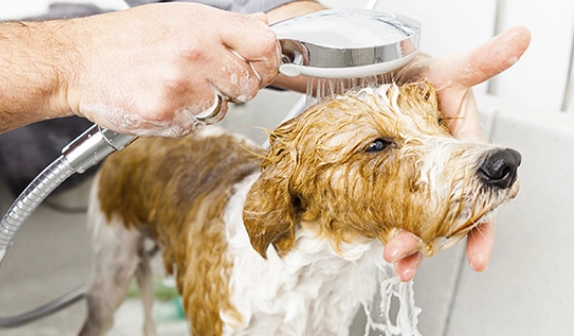
The vet's job is to stabilize your dog and treat the systemic effects of overheating, which can include:
- Shock: From dehydration and poor circulation.
- Organ Damage: Kidneys and liver are especially vulnerable. The gut can also be damaged, leading to bacteria leaking into the bloodstream.
- Disseminated Intravascular Coagulation (DIC): A scary condition where the blood starts clotting abnormally and then can't clot where it should. It's often fatal.
- Brain Swelling: From the high body temperature.
Here’s a breakdown of common veterinary interventions:
| Treatment | What It Is | Why It's Done |
|---|---|---|
| Intravenous (IV) Fluids | Placing a catheter in a vein to deliver fluids directly into the bloodstream. | Fights shock, rehydrates, supports blood pressure, and helps cool the body from the inside. This is often the single most important treatment. |
| Blood Work | Taking blood samples to check organ function, electrolytes, and blood cell counts. | Assesses internal damage to kidneys, liver, etc., and guides further treatment. They'll check for signs of DIC. |
| Controlled Cooling | Continuing cooling with IV fluids, fans, and sometimes cool water enemas, but monitored closely. | Brings temperature down safely while preventing rebound hypothermia. |
| Oxygen Therapy | Providing supplemental oxygen via a mask or nasal tube. | Supports organs that are stressed from heat and poor circulation. |
| Medications | Anti-vomiting drugs, gastroprotectants, medications to support blood pressure or brain swelling. | Manages symptoms and prevents further complications from the initial heat injury. |
Your dog might need to stay in the hospital for a day or two on IV fluids and for monitoring. The vet bill can be hefty, but it's fighting for your dog's life and long-term health. Organizations like the American Veterinary Medical Association (AVMA) provide resources that vets use to guide these critical care protocols.
Prevention is Everything: How to Stop It Before It Starts
Honestly, the best dog overheating treatment is the one you never have to use. Prevention is cheaper, easier, and spares everyone the trauma. This isn't about being paranoid; it's about being smart.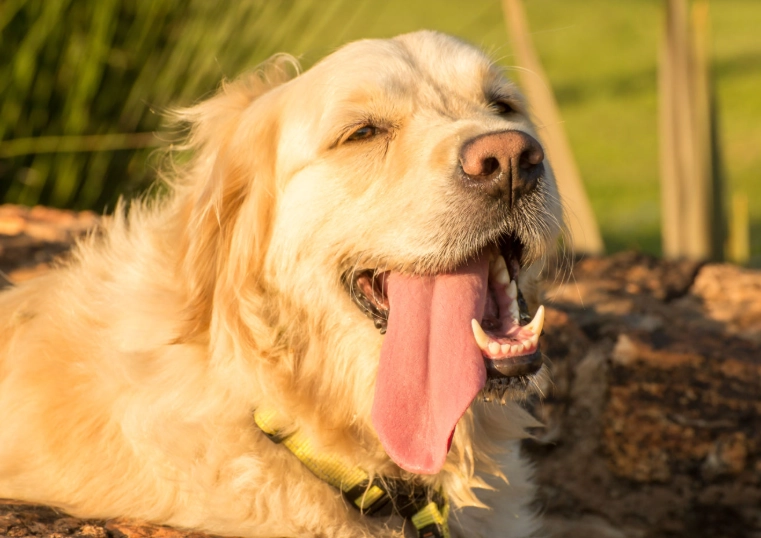
Top Rules for Hot Days
- Walk and play in the early morning or late evening. If the pavement is too hot for your bare hand, it's too hot for their paws.
- Water, water everywhere. Always have fresh, cool water available. Bring a collapsible bowl and water on walks.
- Never, ever leave a dog in a parked car. Not even for "just a minute" with the windows cracked. The temperature inside a car can become lethal in under 10 minutes. Many states have laws against this.
- Provide constant access to shade and cool indoor areas. A doghouse in the sun is an oven.
- Consider a cooling vest, mat, or bandana for susceptible breeds or very active dogs.
- Adjust exercise intensity. Your dog might want to fetch until they drop, but you have to be the one to say "enough."
Know Your Dog's Risk Profile
Some dogs need extra vigilance. Puppies and seniors can't regulate temperature as well. Dark-colored coats absorb more heat. If your dog has any of these risk factors, your safety margin needs to be bigger.
Answering Your Burning Questions (FAQs)
Let's tackle some common things people search for when they're worried.
Putting It All Together: Your Action Plan
Let's wrap this up with a simple, actionable plan you can mentally rehearse.
- PREVENT. Be the boss of the weather for your dog. Schedule around the heat, provide water and shade, and know your dog's limits.
- RECOGNIZE. Learn the early signs: that frantic panting, seeking cool spots, red gums.
- ACT. If you see signs, stop all activity. Move to cool shade/cool building immediately.
- COOL. Use cool (not ice) water on belly/groin/paws, use wet towels, and fan for evaporation. Offer small drinks of cool water.
- CALL. Contact your veterinarian or emergency clinic. Describe what happened and what you've done. Listen to their advice.
- FOLLOW UP. Go to the vet, even if your dog seems better. Let them check for hidden problems.
The core of effective heat stroke in dogs treatment is speed and calm action. Panic doesn't help your dog. Knowing what to do does. Print this out, save it, share it with other dog owners. A little knowledge can literally be the difference between a scary afternoon and a tragic loss. Keep your cool so your best friend can keep theirs.



Leave a comment