I used to think taking my cat, Mochi, on a car trip was impossible. The first attempt ended with her hiding under the seat, meowing non-stop for two hours. But after a decade of cross-country moves and vacations, I've cracked the code. Traveling with cats by car isn't just doable—it can be smooth, even enjoyable. This guide pulls from my hard-earned experience and expert advice to help you avoid the pitfalls and make your journey a success.
Your Quick Navigation for Cat-Friendly Car Travel
Why Traveling with Cats by Car Is Often Messy
Cats are creatures of habit. A car is loud, moving, and unfamiliar—a perfect storm for stress. Most guides gloss over this, but the core issue isn't the travel itself; it's the lack of gradual acclimation. I've seen owners toss their cat into a carrier last-minute and wonder why things go south. The American Society for the Prevention of Cruelty to Animals (ASPCA) emphasizes that sudden changes trigger anxiety, leading to behaviors like vomiting or escape attempts. Start by understanding your cat's temperament. Is she curious or skittish? That dictates your approach.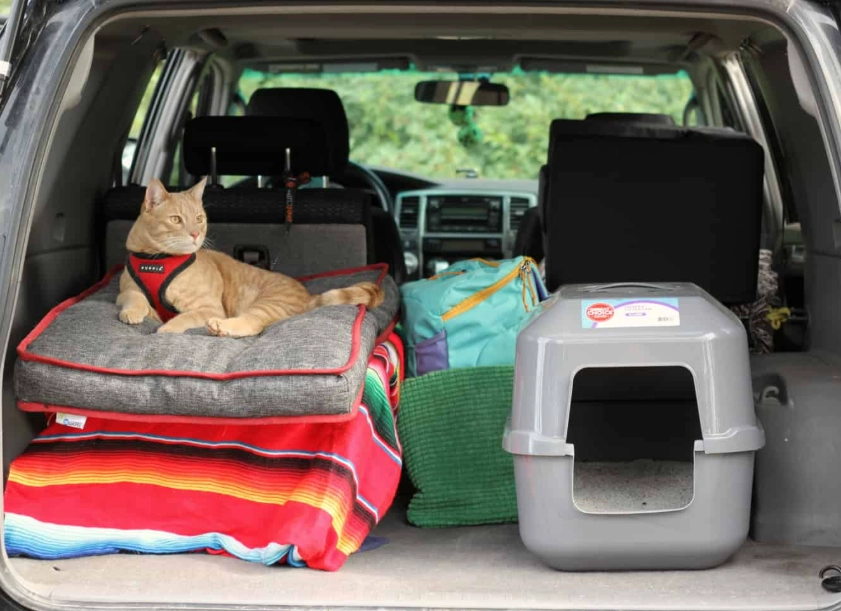
Here's a truth few admit: many "calming" sprays or treats are hit-or-miss. I've wasted money on products that did nothing. What works is consistency, not quick fixes.
Pre-Trip Preparation: The Foundation of Success
This phase is where 80% of success lies. Rushing it is the biggest mistake.
Carrier Training: Not Optional
Don't just buy a carrier the day before. Leave it out for weeks with treats and blankets inside. I made Mochi's carrier her nap spot by placing it in a sunny corner. Now, she walks in voluntarily. Choose a sturdy, well-ventilated carrier that secures with seatbelt straps—hard-sided ones are safer in crashes, according to pet safety studies.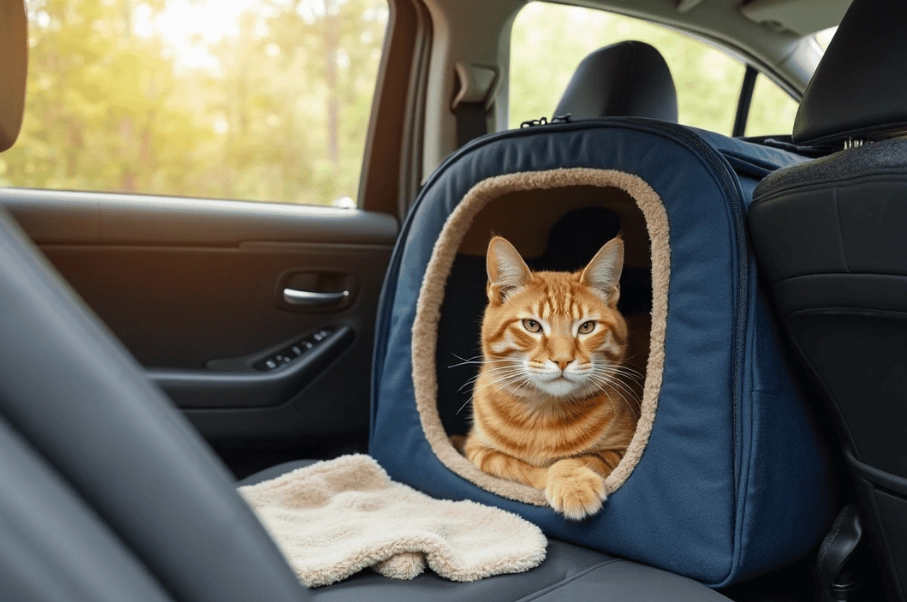
The Non-Negotiable Packing List
Essentials you must pack:
- Carrier: With familiar bedding (like an old t-shirt with your scent).
- Litter box: A disposable or portable tray. I use a shallow plastic box with a lid for stops.
- Food and water: Bring your cat's regular food to avoid stomach upset. Use spill-proof bowls.
- Medications and records: Especially if crossing state lines—some areas require health certificates.
- First-aid kit: Include gauze, antiseptic, and your vet's contact.
- Comfort items: A favorite toy or blanket.
I also pack a handheld vacuum. Trust me, litter gets everywhere.
Vet Check and ID
Visit your vet beforehand. Discuss motion sickness remedies—some cats benefit from anti-nausea meds like Cerenia, but never sedate without professional advice. Microchip your cat and attach a collar with a travel tag (destination address, your phone).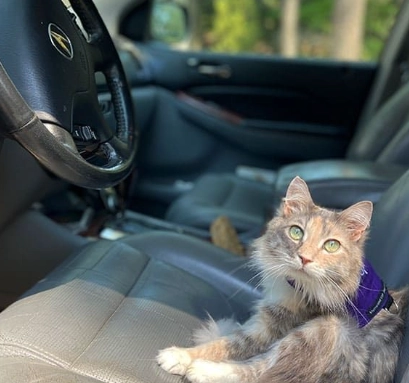
On the Road: Real-Time Strategies for Comfort
Once you're driving, adaptability is key.
Managing the Drive Itself
Keep the carrier secured in the back seat, not the trunk. I use a seatbelt clip to prevent sliding. Maintain a moderate temperature—cats overheat easily. Play soft music or white noise to mask road sounds. I've found classical music at low volume can be soothing, but test this at home first.
Stops and Breaks: The Art of Timing
Plan stops every 2-3 hours. Never let your cat loose in the car—use a harness and leash for bathroom breaks. Find quiet rest areas away from traffic. I have a routine: offer water first, then set up the litter box in the carrier with the door open. Most cats won't go if stressed, but the option helps.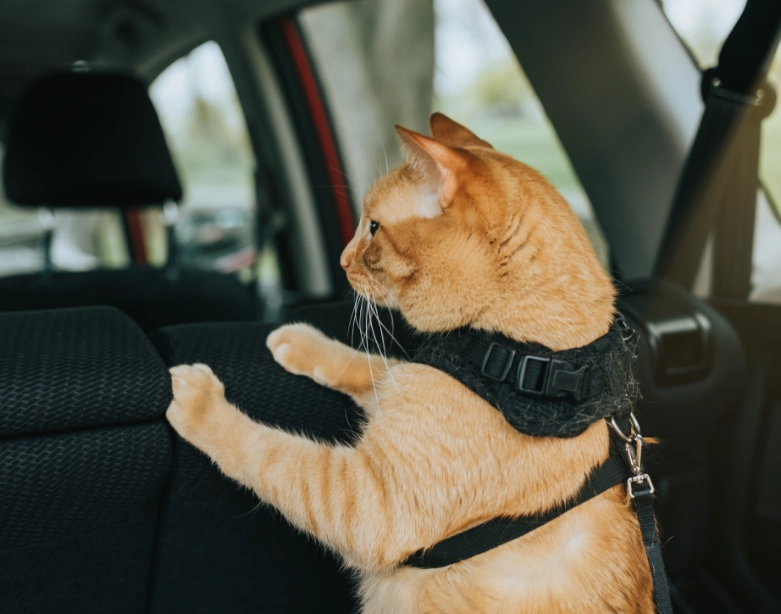
| Stop Activity | Duration | Tips |
|---|---|---|
| Water Break | 5 minutes | Use a familiar bowl; don't force it. |
| Litter Opportunity | 10 minutes | Place box in a shaded, quiet spot. |
| Stretch and Comfort | 15 minutes | Hold or pet your cat if she's calm. |
Dealing with Motion Sickness and Anxiety
If your cat drools or vomits, it's likely motion sickness. Feed a light meal 3-4 hours before departure. Keep the car cool and drive smoothly. For anxiety, pheromone sprays like Feliway can help—spray the carrier 15 minutes before travel. But here's my non-consensus tip: avoid covering the carrier completely. Partial covering reduces stimuli, but full darkness can increase disorientation. Experiment with a light cloth draped halfway.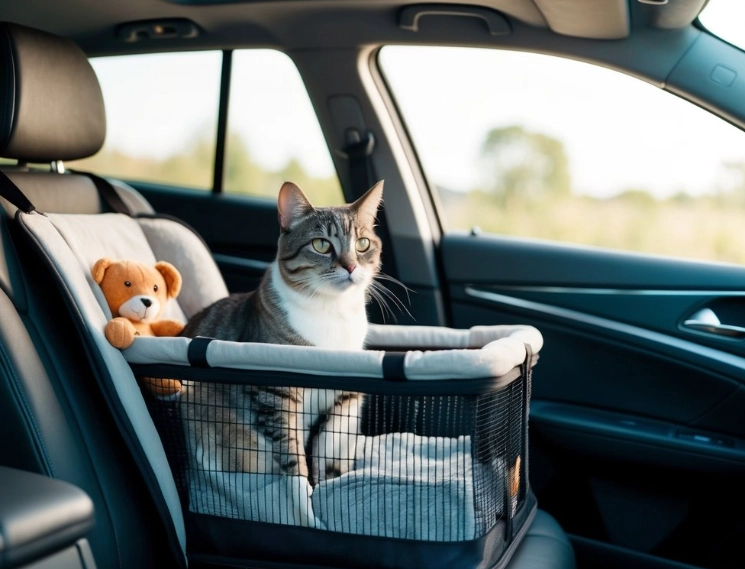
Arrival and Settling In: The Overlooked Finale
Many think the journey ends when you park. It doesn't.
Upon arrival, set up a "base camp" in a small, quiet room (like a bathroom). Place the carrier inside, open it, and let your cat emerge on her own. Have her litter box, food, and water ready. Give her hours, even a full day, to adjust before introducing her to the whole space. I once made the mistake of letting Mochi explore a new apartment immediately—she hid under a bed for a day. Now, I always start confined.
Stick to her regular feeding schedule. Familiarity reduces stress. If you're at a hotel, call ahead to confirm pet policies. Some charge extra fees or restrict where pets can go.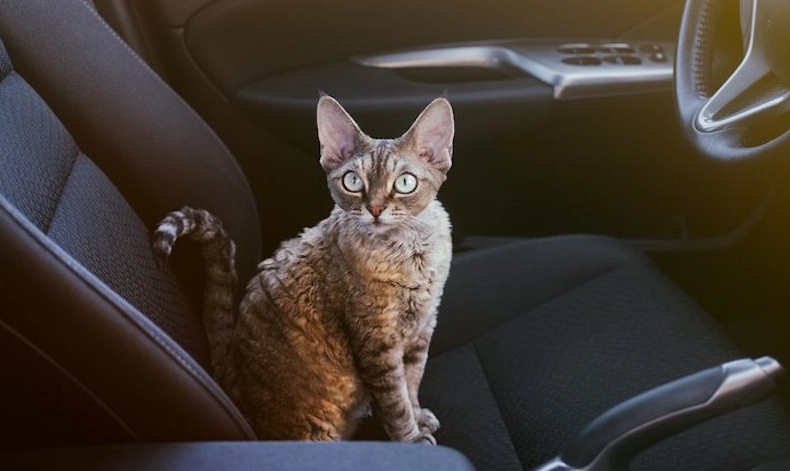
Expert Insights: Common Mistakes You Haven't Heard Of
After years of trips, I've noticed subtle errors that most guides miss.
Over-hydrating before travel: It seems logical to offer extra water, but it increases bathroom urgency and motion sickness risk. Instead, ensure hydration the day before and provide small sips during stops.
Ignoring car seat material: If your cat escapes the carrier (it happens), leather or vinyl seats are easier to clean than cloth. I keep an old towel on the seat as a backup.
Skipping trial runs: A short drive around the block isn't enough. Do multiple gradually longer trips—10 minutes, then 30, then an hour—weeks before the big journey. This desensitizes your cat to motion and engine noise.
Another thing: we often blame the cat for being "difficult," but it's usually our rushed prep. Patience pays off.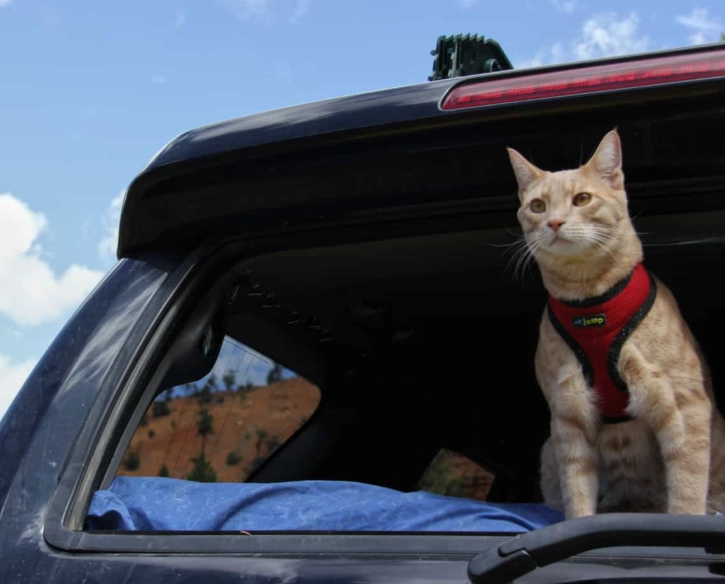
FAQ: Burning Questions Answered
Traveling with cats by car is a skill, not a gamble. With thoughtful preparation and a flexible mindset, you can turn a potential nightmare into a shared adventure. Start small, learn your cat's cues, and remember—every journey makes the next one easier. Safe travels!




Leave a comment