Let's be real. If you live with a cat, you've been scratched. It's not usually malice; it's play, a sudden scare, or just an overzealous kneading session. That little red line stings, and your first thought is probably, "I need to clean this, but what can I use that's safe and won't sting like crazy?" Reaching for harsh chemicals feels wrong, especially if you're mindful about what goes on your skin. The good news is that several natural antiseptics are not only effective for cat scratches but are often gentler than traditional options. However—and this is a big however—"natural" doesn't automatically mean "safe for all situations." Using the wrong one can delay healing or even cause harm.
In this article, you'll learn:
- Why a Natural Antiseptic Makes Sense for Cat Scratches
- How to Choose the Right Natural Antiseptic
- The Top Natural Antiseptic Options (Ranked by Safety & Efficacy)
- The Step-by-Step Guide to Treating a Cat Scratch at Home
- Common Mistakes Even Experienced Cat Owners Make
- Your Burning Questions, Answered
Why a Natural Antiseptic Makes Sense for Cat Scratches
A cat's claw isn't sterile. It can harbor bacteria like Bartonella henselae (which causes Cat Scratch Disease), Pasteurella, and other nasties from the litter box or the great outdoors. The primary goal of treating a scratch is to flush out these pathogens to prevent infection. Natural antiseptics achieve this with compounds derived from plants, minerals, or other biological sources. They often work by creating an environment hostile to bacteria (like low pH) or through direct antimicrobial action.
The advantage over something like rubbing alcohol or hydrogen peroxide is gentleness on the skin's healing tissue. Alcohol burns and dries out the wound bed. Hydrogen peroxide, while great for initial debris removal, actually damages healthy cells and can impede healing if used repeatedly—a fact many first-aid guides gloss over. A well-chosen natural antiseptic cleans without destroying the new cells trying to repair your skin.
Key Point: The ideal antiseptic for a minor cat scratch is one that is effective against common feline bacteria, promotes a moist healing environment, and doesn't cause additional tissue damage. Many natural options fit this bill perfectly.
How to Choose the Right Natural Antiseptic
Don't just grab the first "natural" thing in your cupboard. Consider these factors:
Potency vs. Gentleness: A deep, bleeding puncture might need a stronger initial clean than a superficial graze. Match the agent to the wound's severity.
Your Cat's Access: This is huge and often overlooked. If the scratch is on your hand or arm, anything you apply could be licked off by your cat later. You must consider feline toxicity. Tea tree oil, a popular natural antiseptic, is highly toxic to cats if ingested or even absorbed through their skin. Using it on a scratch your cat might lick is a dangerous mistake.
Availability and Preparation: The best option is one you have or can easily get. Some need dilution (like povidone-iodine), while others are ready-to-use (like raw honey).
The Top Natural Antiseptic Options (Ranked by Safety & Efficacy)
Based on veterinary recommendations, clinical evidence, and safety profiles, here's how I rank the best natural antiseptics for cat scratches. I've used all of these over the years, both on myself and (under vet guidance) on animal wounds.
| Antiseptic | How It Works | Best For | Critical Notes & Dilution |
|---|---|---|---|
| Diluted Povidone-Iodine (Betadine) | Iodine slowly releases to kill bacteria, fungi, and viruses. It has broad-spectrum efficacy. | Initial cleaning of fresh, dirty, or deeper scratches. The gold standard for a reason. | Must be diluted to a weak tea color (about 1 part Betadine to 10 parts water). Full strength is too harsh. Stains skin temporarily. |
| Medical-Grade Honey (Manuka or similar) | High sugar content draws moisture from bacteria, and it contains natural hydrogen peroxide and methylglyoxal (in Manuka). | Superficial scratches, promoting moist healing, and as a protective barrier after initial cleaning. | Use only sterilized, medical-grade honey. Do not use grocery store honey. It's sticky but incredibly soothing and effective. |
| Saline Solution | A sterile 0.9% saltwater solution. It doesn't "kill" germs but physically flushes them out without damaging tissue. | The absolute safest first step for any scratch. Ideal for frequent flushing. | You can buy sterile saline or make it by dissolving ½ tsp non-iodized salt in 1 cup of boiled, cooled water. Use within 24 hours. |
| Diluted Vinegar (Apple Cider or White) | Acidic environment inhibits bacterial growth. Has some antifungal properties. | Mild, superficial scratches when other options aren't available. | Dilute 1 part vinegar to 3-4 parts water. It will sting on open wounds. Rinse off after a minute or two. Avoid on deep wounds. |
Notice what's not on this list? Essential oils like tea tree, lavender, or oregano. While they have antiseptic properties in lab studies, the risk of irritation, allergic reaction, and especially cat toxicity is too high for me to recommend them for this specific use. The margin for error is slim, and the consequences can be serious for your pet.
The Step-by-Step Guide to Treating a Cat Scratch at Home
Here's exactly what to do, from the moment you get scratched. I've refined this process after a few infections early in my cat-owning life—learning the hard way that speed and method matter.
Step 1: Immediate First Response
Don't panic. Gently squeeze the scratch to encourage a tiny bit of bleeding. This helps flush out bacteria that may have been pushed in. Then, hold it under cool, running tap water for a full minute. Yes, a full 60 seconds. It feels like forever, but it's the single most effective physical removal step.
Step 2: The Antiseptic Wash
Pat the area dry with a clean paper towel. Now, apply your chosen natural antiseptic. For diluted Betadine, soak a clean cotton ball or gauze pad and gently dab the scratch and surrounding skin. Let it sit for 1-2 minutes. For saline, you can gently stream it over the wound again.
Step 3: To Cover or Not to Cover?
For most minor, superficial scratches on adults, leaving them open to air is fine. If the scratch is on a part of your body that gets dirty easily (like your hand), or if you have a curious cat who will lick it, cover it with a sterile adhesive bandage. Change it daily. If you're using honey, you must cover it with a bandage to avoid a sticky mess.
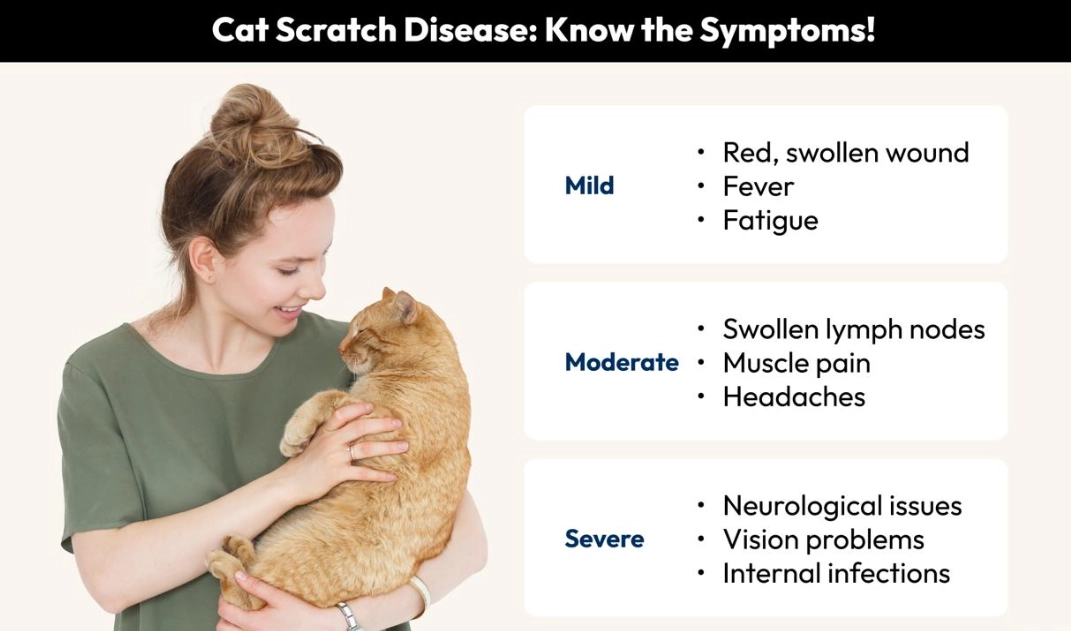
Watch for Infection: Over the next 2-3 days, monitor closely. Increasing redness, swelling, warmth, pus, red streaks moving from the scratch, or a fever mean STOP home treatment and see a doctor immediately. Cat Scratch Disease symptoms (fever, swollen lymph nodes) can appear days later.
Common Mistakes Even Experienced Cat Owners Make
I've seen these happen time and again, including in my own home years ago.
1. Using Hydrogen Peroxide as a Primary Treatment: It's fantastic for that initial fizzing clean to get out dirt. But that fizz is it damaging cells. Using it more than once on the same wound does more harm than good. Switch to saline or a gentle antiseptic for subsequent cleanings.
2. Assuming All "Natural" Means Cat-Safe: As mentioned, essential oils are a major culprit. Also, some herbal poultices can be irritating or allergenic. Always think about secondary exposure to your cat.
3. Not Washing Long Enough: A quick splash under the tap does almost nothing. The one-minute wash under running water is non-negotiable for efficacy.
4. Ignoring the Scratch Because It's "Small": Cat scratches are deceptively deep. Bacteria get inoculated under the skin. Even a small mark deserves proper cleaning.
Your Burning Questions, Answered
 How long does it typically take for a cleaned cat scratch to heal?
Treating a cat scratch with natural antiseptics is about smart, informed care. It's not about rejecting modern medicine—it's about choosing the gentlest, most effective tool for a specific job. Diluted povidone-iodine and medical-grade honey are powerful allies that rival many synthetic options. Remember, the goal is simple: clean out the bad stuff without slowing down your body's amazing ability to heal itself. Keep your first-aid kit stocked with saline and a small bottle of Betadine, and you'll be prepared to handle those inevitable feline love scratches with confidence.



Leave a comment